
MochiRadio


About the MochiRadio PCB
MochiRadio is an open source AVR/Arduino PCB design by frankie-eight-days, published on GitHub under the MIT license. It is a 2-layer board measuring 17.6 × 7.9 mm, with 4 components from 4 distinct parts.
Its main chip is the ATmega328P-MMH, from the AVR/Arduino family. Other key parts include the SI4455. By type, the board carries 2 ICs, 1 battery holder and 1 inductor.
It belongs with the rf & radio, sensors and iot & wireless designs in this gallery.
From the project
A 915MHz radio w/ temp sensor, pressure sensor, LED and ATMega328p
A coin-cell-powered 915 MHz wireless sensor node — an ATmega328P driving a Silicon Labs Si4455 sub-GHz transceiver, with onboard sensing and a hand-tuned RF matching network. Designed end-to-end in KiCad: schematic → impedance-matched RF front-end → PCB layout.
CoinCellSensor is a tiny battery-powered telemetry board: it wakes, samples its sensors, transmits a packet over the 915 MHz ISM band, and drops back to sleep to sip coin-cell power.
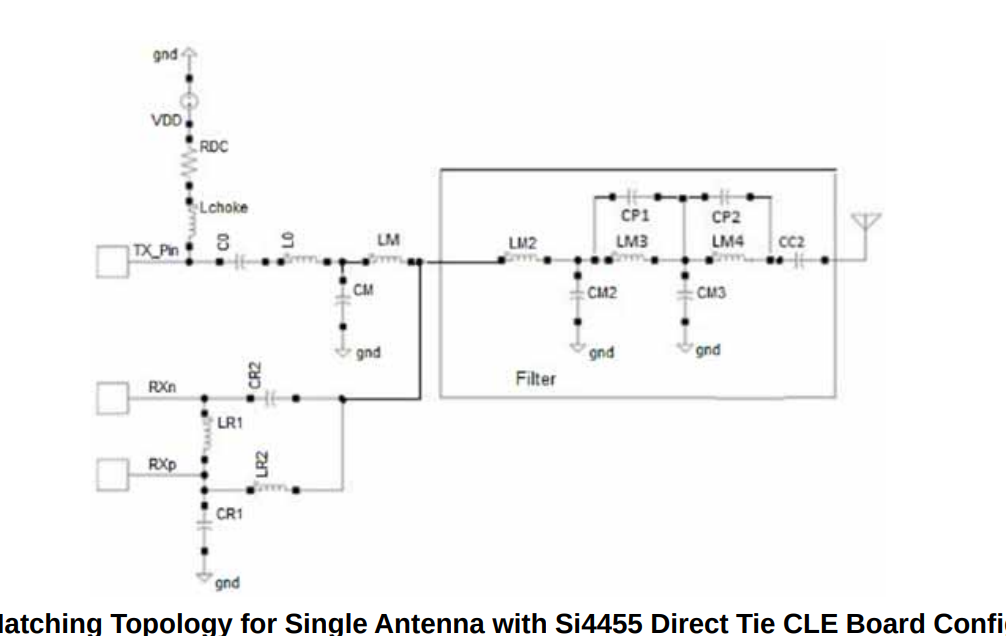
Main components on the MochiRadio
MochiRadio bill of materials (BOM)
4 components, 4 distinct parts.
| Qty | Part | Footprint | Refs |
|---|---|---|---|
| 1 | SI4455 | VQFN-20-1EP_3x3mm_P0.45mm_EP1.55x1.55mm_ThermalVias | U1 |
| 1 | ATmega328P-MMH | QFN-28-1EP_4x4mm_P0.45mm_EP2.4x2.4mm | U2 |
| 1 | Battery_Cell | BatteryHolder_Keystone_107_1x23mm | BT1 |
| 1 | 18nH | L_0402_1005Metric | L6 |
MochiRadio design files
The KiCad project lives in the frankie-eight-days/mochiRadio repository on GitHub; these links point at the commit this page was built from.
- LayoutCoinCellSensor.kicad_pcb
MochiRadio: common questions
What microcontroller does the MochiRadio use?
The MochiRadio is built around the ATmega328P-MMH, from the AVR/Arduino family.
How big is the MochiRadio PCB?
The MochiRadio measures 17.6 × 7.9 mm, has 2 copper layers and is 1.6 mm thick.
How many components are on the MochiRadio?
4 components, from 4 distinct parts. The full bill of materials is listed on this page.
Where can I download the MochiRadio design files?
From the frankie-eight-days/mochiRadio repository on GitHub, which has the KiCad layout; the links under Design files point to each one.
Can I use the MochiRadio design in my own project?
Yes, under the terms of its MIT license, which frankie-eight-days chose for the repository.
Can I test firmware for the MochiRadio without the hardware?
Yes. HardLabs builds a simulation of the board from its netlist and BOM, so you can run and debug AVR/Arduino firmware against it before you order a PCB.
Similar boards
 AVR/Arduino
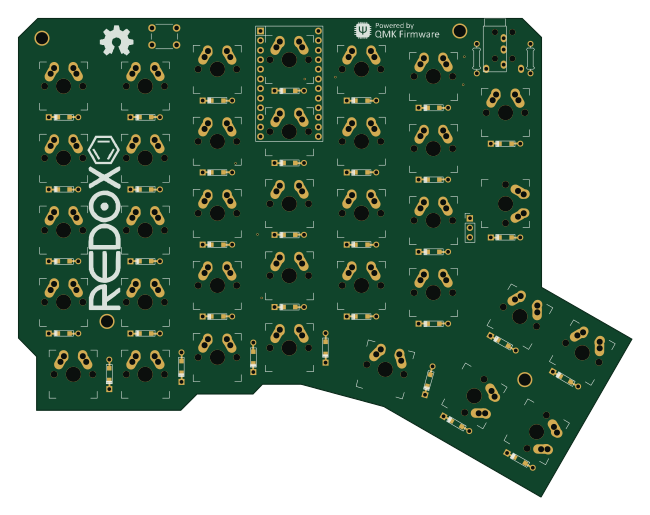
Redox keyboard
mattdibi
162.2 × 126.5 mm77 parts2LMIT2.0k AVR/Arduino
ModuleV450
stuartpittaway
30 × 61.4 mm39 parts2LCC-BY-NC-4.01.1k AVR/Arduino
V4
30 × 50 mm38 parts2LCC-BY-NC-4.01.1k AVR/Arduino
Discipline
coseyfannitutti
304.9 × 122.8 mm170 parts2LCC-BY-NC-4.01.0k AVR/Arduino
Megadesk
gcormier
41.7 × 32.2 mm23 parts2LGPL-3.0818 AVR/Arduino
Easyduino Atmega
Hanqaqa
68.8 × 53.6 mm35 parts4LCERN-OHL-P-2.0746