
7b0c03aebaba0fa556ae045b810a7cc44b8da18fcc2d11a80d10dd73c383dc7c

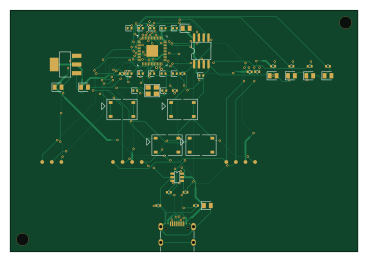
About the 7b0c03aebaba0fa556ae045b810a7cc44b8da18fcc2d11a80d10dd73c383dc7c PCB
7b0c03aebaba0fa556ae045b810a7cc44b8da18fcc2d11a80d10dd73c383dc7c is an open source RP2040/RP2350 PCB design by autonomous-ai, published on GitHub under the MIT license. It is a 2-layer board measuring 91.9 × 63.8 mm, with 55 components from 31 distinct parts.
Its main chip is the RP2040, from the RP2040/RP2350 family. Other key parts include the USBLC6-2SC6, AMS1117-3.3 and W25Q128JVSIQ. By type, the board carries 17 capacitors, 13 resistors, 11 test points, 4 ICs, 4 switches and 4 LEDs.
It belongs with the sensors and wearables designs in this gallery.
From the project
Chat with AI, get a verified PCB and a fab packet you can order.
Boards built with the app, by the AI electrical engineers who are testing it. examples/ holds the three the test suite pins; this holds everything after that, and it exists for one reason:
Every product here is a real device someone might order — not a demo, not a skeleton — and every one carries the same verdict the first three do.
A product is done when its sidecar says "fab": {"ready": true} with zero blocking findings, and the fab packet under boards/mainfab/` is complete (gerbers, BOM, CPL, ORDER.md). Anything short of that stays in the table below with its real state, because a fleet…
Main components on the 7b0c03aebaba0fa556ae045b810a7cc44b8da18fcc2d11a80d10dd73c383dc7c
7b0c03aebaba0fa556ae045b810a7cc44b8da18fcc2d11a80d10dd73c383dc7c bill of materials (BOM)
55 components, 31 distinct parts — part numbers from the project's BOM.
| Qty | Part | Footprint | Refs |
|---|---|---|---|
| 1 | USBLC6-2SC6 | USBLC6-2SC6 | U1 |
| 1 | AMS1117-3.3 | AMS1117-3.3 | U2 |
| 1 | RP2040 | RP2040 | U3 |
| 1 | W25Q128JVSIQ | W25Q128JVSIQ | U4 |
| 1 | 12MHZ Y1 | crystal_crystal | Y1 |
| 1 | TYPE-C-31-M-12 J1 | TYPE-C-31-M-12 | J1 |
| 1 | C318884 SW1 | push_button_dfn4_p3.6998mm_w7mm_pw0.75mm | SW1 |
| 1 | C318884 SW2 | push_button_dfn4_p3.6998mm_w7mm_pw0.75mm | SW2 |
| 1 | C318884 SW3 | push_button_dfn4_p3.6998mm_w7mm_pw0.75mm | SW3 |
| 1 | C318884 SW4 | push_button_dfn4_p3.6998mm_w7mm_pw0.75mm | SW4 |
| 1 | TP1 | test_point_smtpad_circle_d1 | TP1 |
| 1 | TP2 | test_point_smtpad_circle_d1 | TP2 |
| 1 | TP3 | test_point_smtpad_circle_d1 | TP3 |
| 1 | TP11 | test_point_smtpad_circle_d1 | TP11 |
| 1 | TP12 | test_point_smtpad_circle_d1 | TP12 |
| 1 | TP13 | test_point_smtpad_circle_d1 | TP13 |
| 1 | TP14 | test_point_smtpad_circle_d1 | TP14 |
| 1 | TP21 | test_point_smtpad_circle_d1 | TP21 |
| 1 | TP22 | test_point_smtpad_circle_d1 | TP22 |
| 1 | TP23 | test_point_smtpad_circle_d1 | TP23 |
Show 11 more
| Qty | Part | Footprint | Refs |
|---|---|---|---|
| 1 | TP24 | test_point_smtpad_circle_d1 | TP24 |
| 4 | LED | led_0805_color(green) | LED1, LED2, LED3, LED4 |
| 4 | C15850 10uF | capacitor_cap0805 | C1, C2, C3, C17 |
| 10 | 100N 100nF | capacitor_cap0402 | C4, C5, C6, C7, C8, C9, C10, C11 +2 |
| 1 | C52923 1uF | capacitor_cap0402 | C12 |
| 2 | 15P 15pF | capacitor_cap0402 | C15, C16 |
| 2 | 5.1K 5.1kΩ | resistor_res0402 | R1, R2 |
| 2 | 27Ω | resistor_res0402 | R3, R4 |
| 2 | 4.7kΩ | resistor_res0402 | R8, R9 |
| 6 | 1kΩ | resistor_res0402 | R11, R13, R20, R21, R22, R23 |
| 1 | 10K 10kΩ | resistor_res0402 | R12 |
7b0c03aebaba0fa556ae045b810a7cc44b8da18fcc2d11a80d10dd73c383dc7c design files
The KiCad project lives in the autonomous-ai/autonomous-circuit repository on GitHub; these links point at the commit this page was built from.
7b0c03aebaba0fa556ae045b810a7cc44b8da18fcc2d11a80d10dd73c383dc7c: common questions
What microcontroller does the 7b0c03aebaba0fa556ae045b810a7cc44b8da18fcc2d11a80d10dd73c383dc7c use?
The 7b0c03aebaba0fa556ae045b810a7cc44b8da18fcc2d11a80d10dd73c383dc7c is built around the RP2040, from the RP2040/RP2350 family.
How big is the 7b0c03aebaba0fa556ae045b810a7cc44b8da18fcc2d11a80d10dd73c383dc7c PCB?
The 7b0c03aebaba0fa556ae045b810a7cc44b8da18fcc2d11a80d10dd73c383dc7c measures 91.9 × 63.8 mm, has 2 copper layers and is 1.6 mm thick.
How many components are on the 7b0c03aebaba0fa556ae045b810a7cc44b8da18fcc2d11a80d10dd73c383dc7c?
55 components, from 31 distinct parts, with part numbers taken from the project's own BOM. The full bill of materials is listed on this page.
Where can I download the 7b0c03aebaba0fa556ae045b810a7cc44b8da18fcc2d11a80d10dd73c383dc7c design files?
From the autonomous-ai/autonomous-circuit repository on GitHub, which has the KiCad layout and the BOM; the links under Design files point to each one.
Can I use the 7b0c03aebaba0fa556ae045b810a7cc44b8da18fcc2d11a80d10dd73c383dc7c design in my own project?
Yes, under the terms of its MIT license, which autonomous-ai chose for the repository.
Can I test firmware for the 7b0c03aebaba0fa556ae045b810a7cc44b8da18fcc2d11a80d10dd73c383dc7c without the hardware?
Yes. HardLabs builds a simulation of the board from its netlist and BOM, so you can run and debug RP2040/RP2350 firmware against it before you order a PCB.
More boards in autonomous-circuit
 RP2040/RP2350
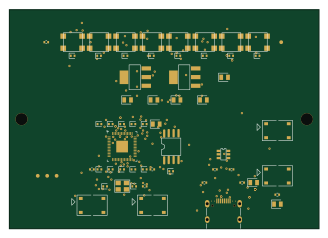
0c3674082e0cce0e5fe83b9af95129ea7c01d67ed40b5156bc41833dda929227
82 × 58 mm61 parts2LMIT13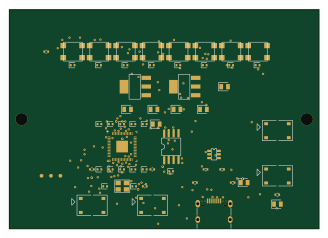 RP2040/RP2350
8cbaade584c8ef763fa9af5c713a37588c2bd61387d1f656ca2ef936a5395e5b
82 × 58 mm60 parts2LMIT13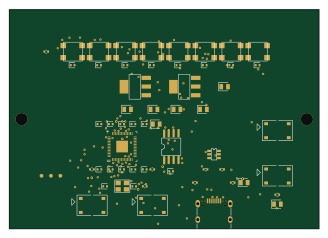 RP2040/RP2350
Be79c457c206e3a3650faa3826ae084735ed4006831f68a1d37d8182eaa5718a
82 × 58 mm60 parts2LMIT13 RP2040/RP2350
0ad413ac7b1f3052468051d202df40ac5719b2a56f32a0c4100b7529dfbd8603
84.9 × 68.6 mm59 parts2LMIT13 RP2040/RP2350
Ecbe2d0f31bef39fb133ca1f18d6136e094c90ef33bda9feea7b37d5a0b041d2
84.9 × 68.6 mm59 parts2LMIT13 RP2040/RP2350
3496407a4c3f8d61372345d80c2e00fbeb4898cbb642fa92152b240c5d1bcd98
91.9 × 63.8 mm55 parts2LMIT13 RP2040/RP2350
A225e84274e64dbb4baa3a4d40eaa13d58d7b11f948f345e913ec6cc0f33a4ec
91.9 × 63.8 mm55 parts2LMIT13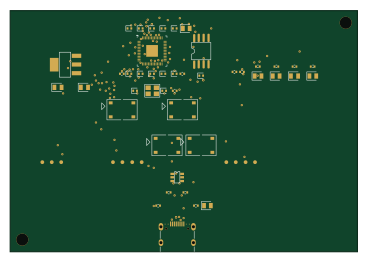 RP2040/RP2350
3f383b465cc9441e5b57b9ae90c3386e6929ca3397688fe2c8566aa91ebf6c8c
91.9 × 63.8 mm55 parts2LMIT13 RP2040/RP2350
Eae125ce91d5220efa92105e51b069a0e56b70021c6ffda8759e7e6ba92ac7f0
95.3 × 68 mm52 parts2LMIT13 RP2040/RP2350
Dc80c2a4d6d0bf841b60143f36c68ea0416ec0cdd1587a3cd0b9677e905d9a38
99.6 × 64 mm49 parts2LMIT13 RP2040/RP2350
Fa2be566e90b440c630a8ae853494758887e4ef24ceae603de02d5987b2b1543
99.6 × 64 mm49 parts2LMIT13
Similar boards
 RP2040/RP2350
OSO-BOOK-C1
joeycastillo
85 × 115 mm29 parts2LCC-BY-SA-4.08.1k RP2040/RP2350
Corne cherry
foostan
277.2 × 107.5 mm164 parts2LCC-BY-4.07.7k RP2040/RP2350
Corne chocolate
277.2 × 107.5 mm164 parts2LCC-BY-4.07.7k RP2040/RP2350
Jitx design
gusmanb
55.5 × 65 mm26 parts4LGPL-3.05.0k RP2040/RP2350
LogicAnalyzer
57 × 55.2 mm6 parts2LGPL-3.05.0k RP2040/RP2350
Main
google
98 × 71 mm102 parts2LApache-2.02.9k