
Desktop esc

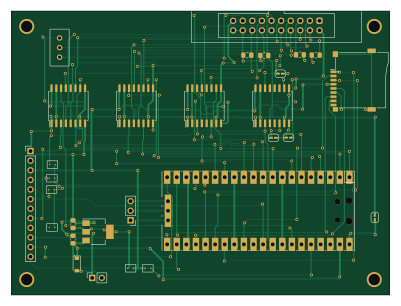
About the Desktop esc PCB
Desktop esc is an open source RP2040/RP2350 PCB design by blackjetrock, published on GitHub. It is a 2-layer board measuring 100 × 75 mm, with 27 components from 14 distinct parts.
Its main chip is the Pico, from the RP2040/RP2350 family. Other key parts include the AP1117-33 and ajm_cd40109. By type, the board carries 14 capacitors, 6 ICs, 4 connectors and 1 diode.
It belongs with the displays & leds designs in this gallery.
From the project
IBM Experimental computer for schools
The schools computer project ran from 1966 to 1970 and was an experimental machine that was never sold, although several were made and were used in schools in the UK. One machine was used for ten years before it failed. It was designed to be used in schools to teach the basics of computer design and programming. The hardware was based on the same components that the IBM system 360 used. The computer was programmed in machine code, and unlike modern machines the machine code is BCD based, not binary. There are 'extracodes' in the system that are analogous to subroutines, these provided…
Main components on the Desktop esc
Desktop esc bill of materials (BOM)
27 components, 14 distinct parts.
| Qty | Part | Footprint | Refs |
|---|---|---|---|
| 1 | Pico | RPi_Pico_SMD_TH | U1 |
| 1 | AP1117-33 | SOT-223-3_TabPin2 | U2 |
| 4 | ajm_cd40109 | SOIC-16W_7.5x10.3mm_P1.27mm | U3, U4, U5, U6 |
| 1 | Conn_02x10_Odd_Even | IDC-Header_2x10_P2.54mm_Latch_Vertical | J1 |
| 1 | Conn_01x12_Female | PinHeader_1x12_P2.54mm_Vertical | J2 |
| 1 | Conn_01x03_Female | PinHeader_1x03_P2.54mm_Vertical | J3 |
| 1 | Conn_01x02_Female | PinSocket_1x02_P2.54mm_Vertical | J7 |
| 1 | 20k | Potentiometer_Bourns_3296W_Vertical | RV1 |
| 1 | 502p_SD_ebay-uSD-push_push_SMD | Conn_uSDcard | XS1 |
| 1 | SS36 | D_SOD-123 | D5 |
| 2 | 100nF | R_0805_2012Metric_Pad1.20x1.40mm_HandSolder | C1, C2 |
| 4 | 150pF | C_0805_2012Metric_Pad1.18x1.45mm_HandSolder | C3, C4, C5, C6 |
| 1 | 100nGF | C_0805_2012Metric_Pad1.18x1.45mm_HandSolder | C7 |
| 7 | 100nF | C_0805_2012Metric_Pad1.18x1.45mm_HandSolder | C8, C9, C10, C11, C12, C13, C14 |
Desktop esc design files
The KiCad project lives in the blackjetrock/experimental-computer-for-schools repository on GitHub; these links point at the commit this page was built from.
Desktop esc: common questions
What microcontroller does the Desktop esc use?
The Desktop esc is built around the Pico, from the RP2040/RP2350 family.
How big is the Desktop esc PCB?
The Desktop esc measures 100 × 75 mm, has 2 copper layers and is 1.6 mm thick.
How many components are on the Desktop esc?
27 components, from 14 distinct parts. The full bill of materials is listed on this page.
Where can I download the Desktop esc design files?
From the blackjetrock/experimental-computer-for-schools repository on GitHub, which has the KiCad layout; the links under Design files point to each one.
Can I use the Desktop esc design in my own project?
The repository has no license, so all rights stay with blackjetrock. Use it as a reference, and ask the author before reusing the design.
Can I test firmware for the Desktop esc without the hardware?
Yes. HardLabs builds a simulation of the board from its netlist and BOM, so you can run and debug RP2040/RP2350 firmware against it before you order a PCB.
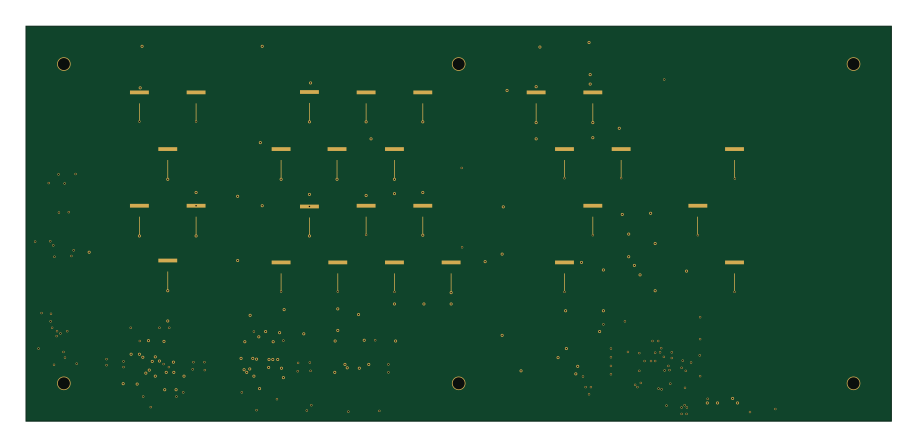
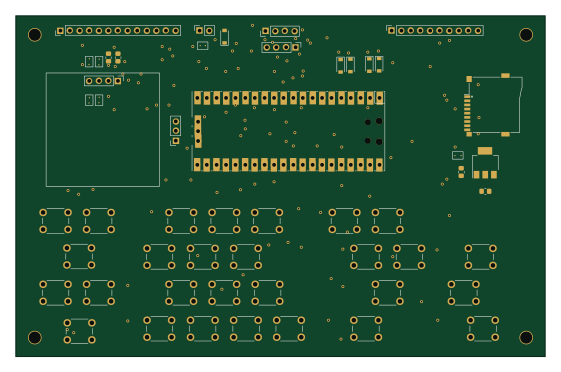
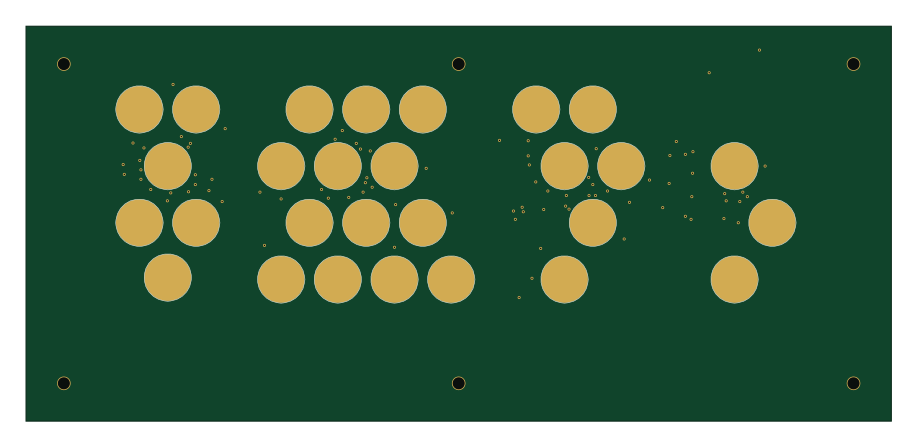
More boards in experimental-computer-for-schools
Similar boards
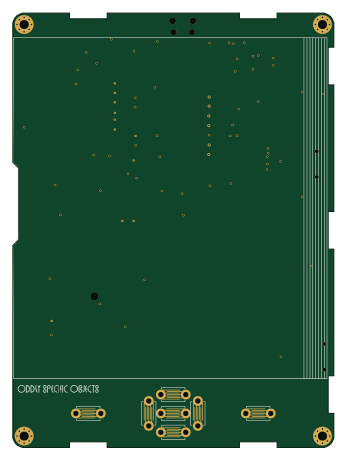 RP2040/RP2350
Open Book Abridged Edition
joeycastillo
85 × 115 mm29 parts2LCC-BY-SA-4.08.1k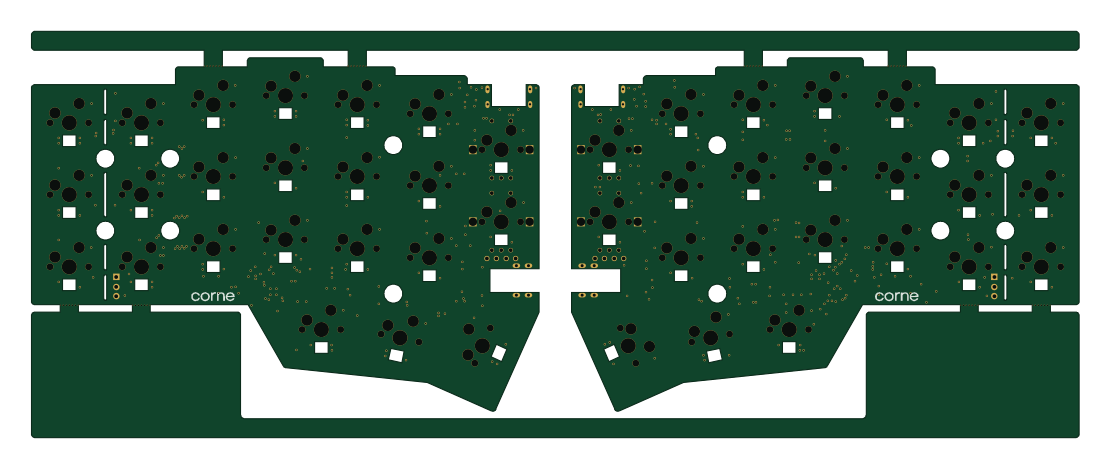 RP2040/RP2350
Corne
foostan
277.2 × 107.5 mm164 parts2LCC-BY-4.07.7k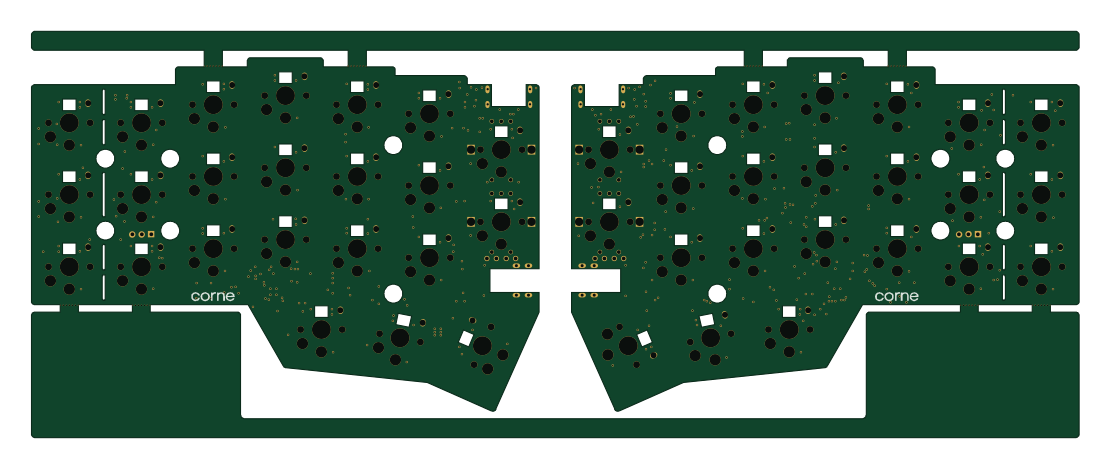 RP2040/RP2350
Corne
277.2 × 107.5 mm164 parts2LCC-BY-4.07.7k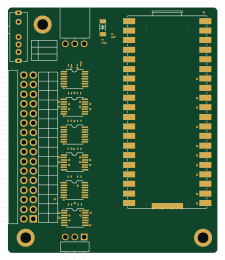 RP2040/RP2350
Jitx design
gusmanb
55.5 × 65 mm26 parts4LGPL-3.05.0k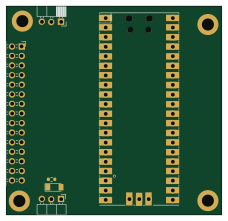 RP2040/RP2350
LogicAnalyzer
57 × 55.2 mm6 parts2LGPL-3.05.0k RP2040/RP2350
Main
google
98 × 71 mm102 parts2LApache-2.02.9k