
RS64c

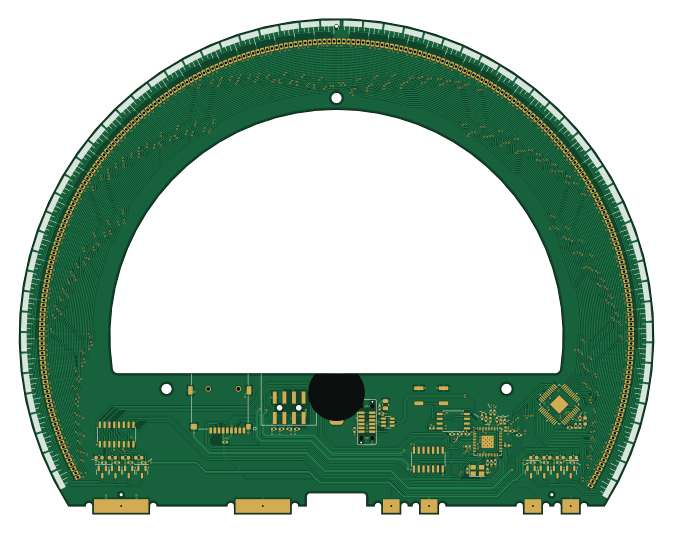
About the RS64c PCB
RS64c is an open source RP2040/RP2350 PCB design by lhm0, published on GitHub under the CC-BY-NC-4.0 license. It is a 4-layer board measuring 168 × 131 mm, with 145 components from 30 distinct parts.
Its main chip is the RP2040, from the RP2040/RP2350 family. Other key parts include the USBLC6-2SC6, W25Q128JVS, 74AHC04, ESP01S and STP24DP05BTR. By type, the board carries 64 diodes, 27 capacitors, 25 resistors, 17 ICs, 8 transistors and 2 connectors.
It belongs with the displays & leds and power & battery designs in this gallery.
From the project
Rotating LED Sphere - a POV display with RP2040
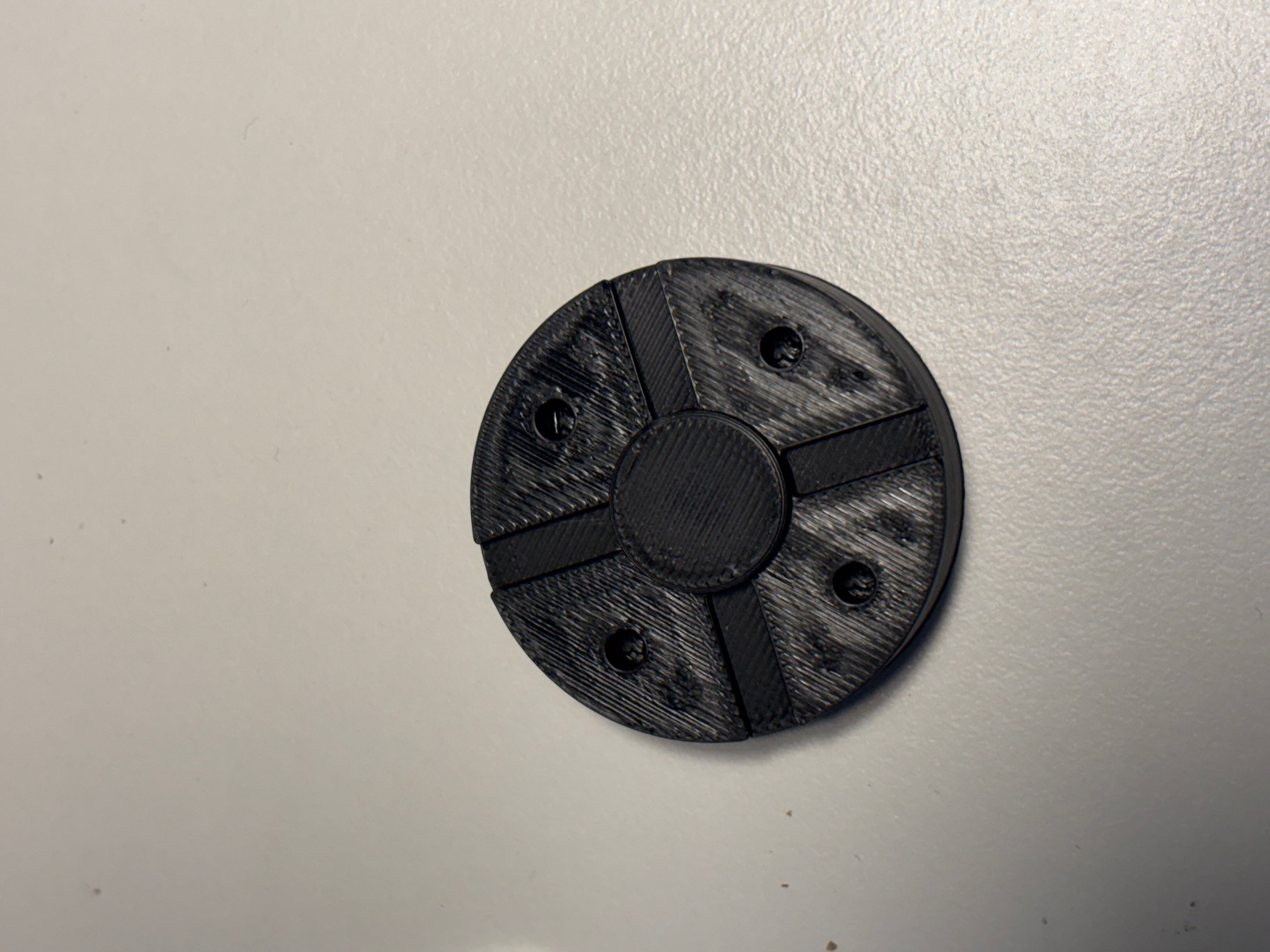
However, alignment of the rotor now is done by placing washers between header and pcb, if necessary.
Furthermore, I have added a file "print_instructions.pdf" in the /mechanics subfolder, with slicer images of the parts that need nut inlays.
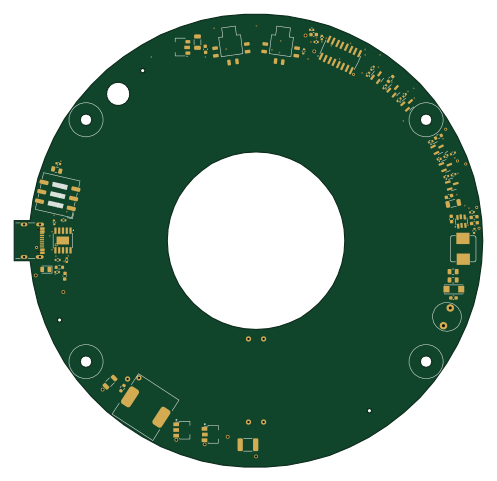
UPDATE August 29th, 2025 There are two push switches on the power supply pcb, that control the speed of the motor. The "speed" button is used to increase the motor speed step by step. Once the maximum speed is reached, it jumps back to zero. The "off" button turns the motor off.
Main components on the RS64c
RS64c bill of materials (BOM)
145 components, 30 distinct parts — part numbers from the project's BOM.
| Qty | Part | Footprint | Refs |
|---|---|---|---|
| 1 | ~ | slot | U201 |
| 2 | ~ | edge_contact | U202, U203 |
| 4 | ~ | edge_contact_small | U204, U205, U206, U207 |
| 3 | ~ | JLC_tooling_hole | U208, U209, U210 |
| 1 | USBLC6-2SC6 | SOT-23-6 | U301 |
| 1 | W25Q128JVS | SOIC-8_5.23x5.23mm_P1.27mm | U302 |
| 1 | RP2040 | QFN-56-1EP_7x7mm_P0.4mm_EP3.2x3.2mm | U303 |
| 1 | 74AHC04 | SO-14_3.9x8.65mm_P1.27mm | U304 |
| 1 | ESP01S ESP01s | ESP01s_SMD | U305 |
| 1 | STP24DP05BTR | TQFP48-EP_STM | U401 |
| 1 | 74HCT138 | SO-16_3.9x9.9mm_P1.27mm | U402 |
| 8 | IRLML6401 | SOT-23 | Q501, Q502, Q503, Q504, Q505, Q506, Q507, Q508 |
| 1 | 12MHZ 12MHz | Crystal_SMD_3225-4Pin_3.2x2.5mm | Y301 |
| 1 | USB_C_RECEPTACLE_USB2.0 USB_C_Receptacle_USB2.0 | USB_C_7082A | J301 |
| 1 | C5155564 Micro_SD_Card | microSD_SMD | J302 |
| 1 | C5155584 SW_Push_Dual | PS-5824SVA-4PN | SW301 |
| 32 | LED_BARG | Straw_Hat_RGB_left | D501, D502, D503, D504, D505, D506, D507, D508 +24 |
| 32 | LED_BARG | Straw_Hat_RGB_right | D533, D534, D535, D536, D537, D538, D539, D540 +24 |
| 13 | 100NF 100nF | C_0402_1005Metric | C301, C302, C304, C307, C308, C310, C312, C313 +5 |
| 1 | C15850 10µF | C_0805_2012Metric | C303 |
Show 10 more
| Qty | Part | Footprint | Refs |
|---|---|---|---|
| 2 | 27PF 27pF | C_0402_1005Metric | C305, C306 |
| 2 | C52923 1µF | C_0402_1005Metric | C309, C311 |
| 9 | C96446 10µF | C_0603_1608Metric | C402, C501, C502, C503, C504, C505, C506, C507 +1 |
| 2 | 1k | R_0402_1005Metric | R301, R308 |
| 2 | 5K1 5k1 | R_0402_1005Metric | R302, R303 |
| 1 | do not fit | R_0402_1005Metric | R304 |
| 2 | 27R | R_0402_1005Metric | R305, R306 |
| 7 | 10K 10k | R_0402_1005Metric | R307, R309, R311, R312, R313, R401, R402 |
| 3 | 270 | R_0402_1005Metric | R403, R404, R405 |
| 8 | 47K 47k | R_0402_1005Metric | R406, R407, R408, R409, R410, R411, R412, R413 |
RS64c design files
The KiCad project lives in the lhm0/rotating_sphere repository on GitHub; these links point at the commit this page was built from.
RS64c: common questions
What microcontroller does the RS64c use?
The RS64c is built around the RP2040, from the RP2040/RP2350 family.
How big is the RS64c PCB?
The RS64c measures 168 × 131 mm, has 4 copper layers and is 1.6062 mm thick.
How many components are on the RS64c?
145 components, from 30 distinct parts, with part numbers taken from the project's own BOM. The full bill of materials is listed on this page.
Where can I download the RS64c design files?
From the lhm0/rotating_sphere repository on GitHub, which has the KiCad layout, the schematic and the BOM; the links under Design files point to each one.
Can I use the RS64c design in my own project?
It is published under CC-BY-NC-4.0, which limits how it may be reused; read the license before building on it.
Can I test firmware for the RS64c without the hardware?
Yes. HardLabs builds a simulation of the board from its netlist and BOM, so you can run and debug RP2040/RP2350 firmware against it before you order a PCB.
More boards in rotating_sphere
Similar boards
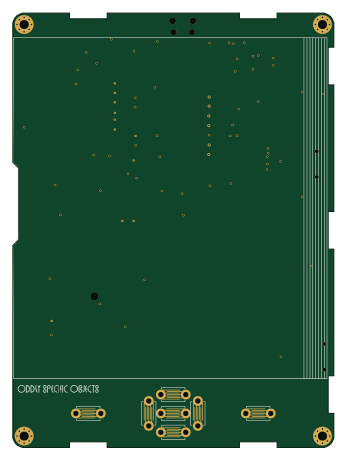 RP2040/RP2350
Open Book Abridged Edition
joeycastillo
85 × 115 mm29 parts2LCC-BY-SA-4.08.1k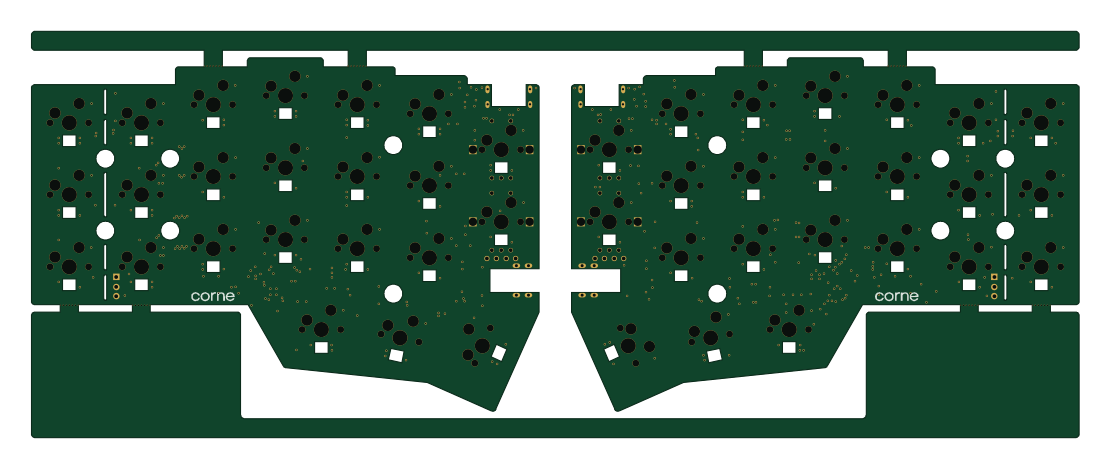 RP2040/RP2350
Corne
foostan
277.2 × 107.5 mm164 parts2LCC-BY-4.07.7k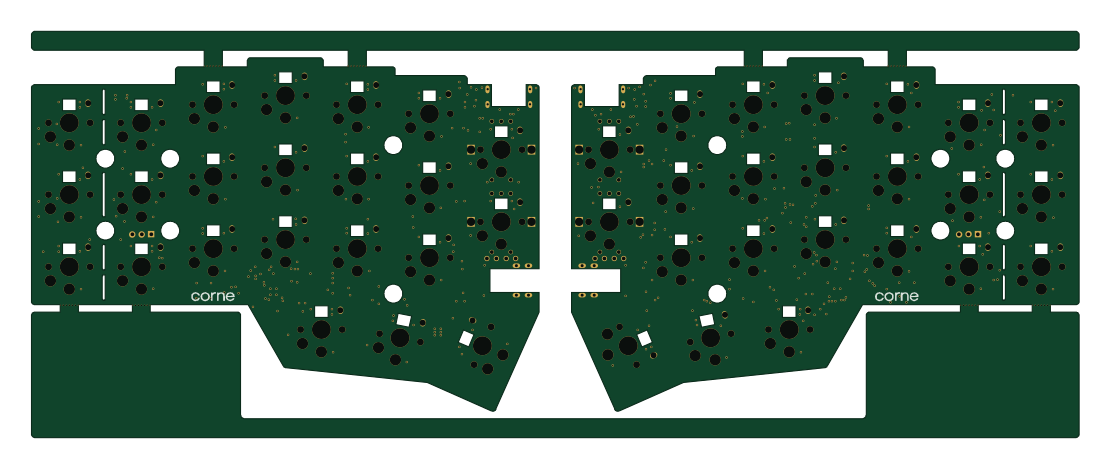 RP2040/RP2350
Corne
277.2 × 107.5 mm164 parts2LCC-BY-4.07.7k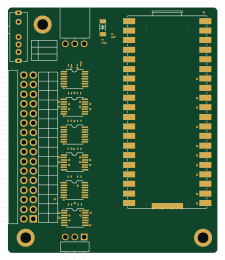 RP2040/RP2350
Jitx design
gusmanb
55.5 × 65 mm26 parts4LGPL-3.05.0k RP2040/RP2350
LogicAnalyzer
57 × 55.2 mm6 parts2LGPL-3.05.0k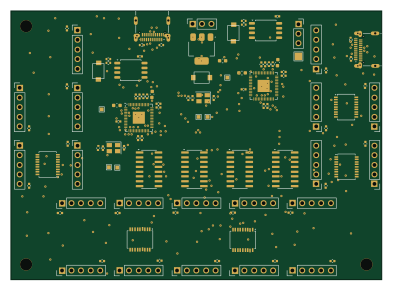 RP2040/RP2350
Main
google
98 × 71 mm102 parts2LApache-2.02.9k