
Pokodoro2

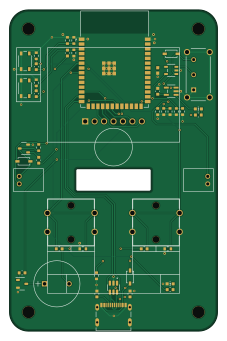
About the Pokodoro2 PCB
Pokodoro2 is an open source ESP32 PCB design by justinjchae, published on GitHub. It is a 4-layer board measuring 55 × 85 mm, with 48 components from 22 distinct parts.
Its main chip is the ESP32-S3-WROOM-1-N4, from the ESP32 family. Other key parts include the 1N5819HW-7-F, MCP73831T-2ACI/OT, MIC5219-3.3YM5-TR and CEM-120342. By type, the board carries 15 capacitors, 12 resistors, 7 ICs, 5 switches, 4 connectors and 3 diodes.
It belongs with the iot & wireless, displays & leds and dev boards & breakouts designs in this gallery.
From the project
Poko: a phone-free MagSafe companion. nRF52840 + Zephyr, round display, haptic ring, voice memos, iPhone app, parametric CAD, KiCad.
A palm-sized, phone-free companion: the things you'd pick up your phone for, without picking up your phone.
A round 240×240 display, one rotating ring, a haptic motor, a microphone and BLE to an iPhone app. It snaps onto the back of the phone like a MagSafe accessory, or comes off and stands in for the phone at the gym, the library or on a walk.
nRF52840 · Zephyr / nRF Connect SDK · LVGL · BLE · MCUboot OTA · SwiftUI · Fusion 360 API · KiCad · JLCPCB
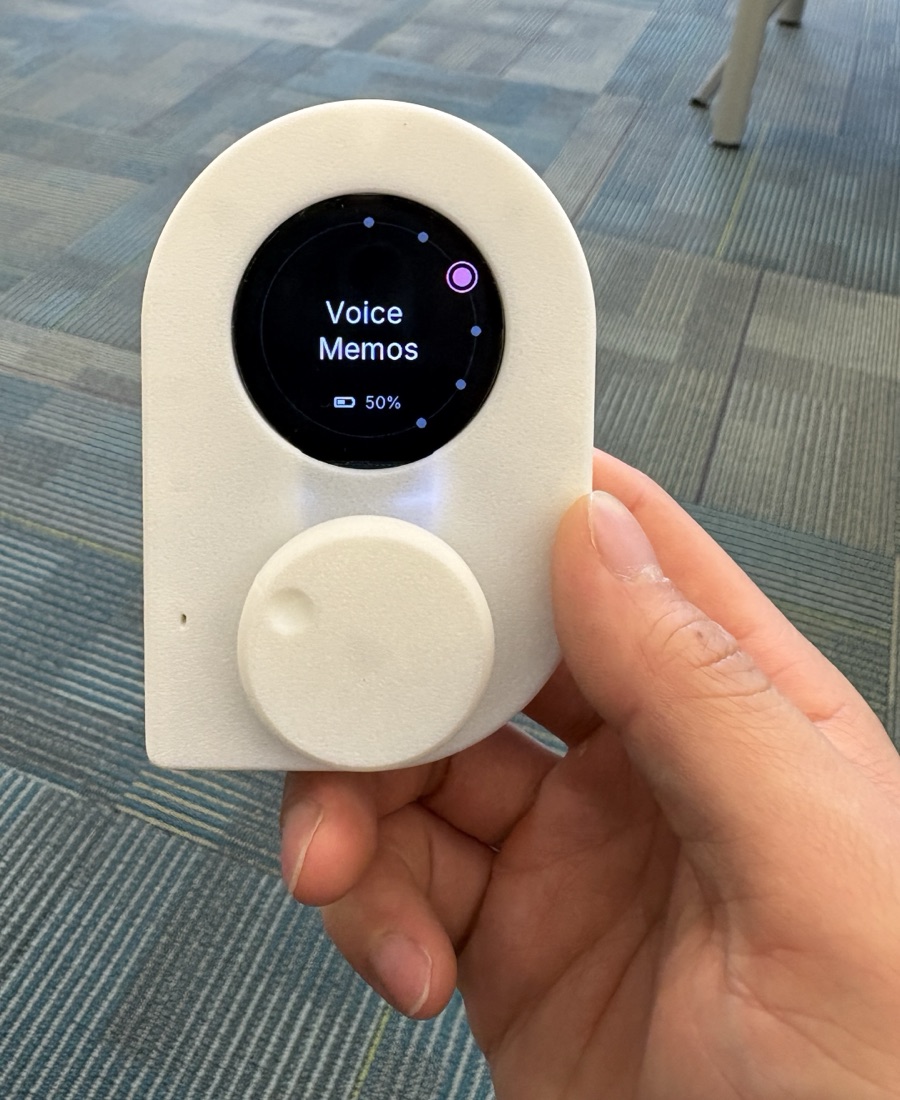
Main components on the Pokodoro2
Pokodoro2 bill of materials (BOM)
48 components, 22 distinct parts.
| Qty | Part | Footprint | Refs |
|---|---|---|---|
| 1 | ESP32-S3-WROOM-1-N4 | ESP32-S3-WROOM-1-N4 | U1 |
| 3 | 1N5819HW-7-F | 1N5819HW-7-F_DIO | U2, U4, U6 |
| 1 | MCP73831T-2ACI/OT | SOT-23-5_MC_MCH | U3 |
| 1 | MIC5219-3.3YM5-TR | SOT-23-5_M5_MCH | U5 |
| 1 | CEM-120342 | CEM-120342 | U7 |
| 2 | BC817 | BC817-40 | Q1, Q2 |
| 1 | 2171790001 | USBC_MOLEX_2171790001 | J1 |
| 2 | S2B-PH-K-SLFSN | S2B-PH-K-S | J2, J4 |
| 1 | S7B-XH-A(LF)(SN) S7B-XH-A_LF__SN_ | S7B-XH-A-1 | J3 |
| 1 | EG1224 | EG1224 | S3 |
| 2 | PTS810SJG250SMTRLFS | PTS810 | SW1, SW2 |
| 2 | B3F-4050 | B3F-4050 | SW3, SW4 |
| 1 | DT1042-04SO-7 | DT1042-04SO | D1 |
| 2 | WL-SMCW_0603 | WL-SMCW_0603 | D2, D3 |
| 1 | 1uF | CAP_CL10_SAM | C1 |
| 6 | 10uF | CAP_CL10_SAM | C2, C4, C5, C6, C9, C11 |
| 7 | 0.1uF | CAP_CL10_SAM | C3, C7, C8, C12, C13, C14, C15 |
| 1 | 470pF | G-188_MUR | C10 |
| 6 | 10K | RC0603N_YAG | R1, R5, R6, R7, R11, R12 |
| 2 | 5K1 | RC0603N_YAG | R2, R3 |
Show 2 more
| Qty | Part | Footprint | Refs |
|---|---|---|---|
| 2 | 330 | RC0603N_YAG | R4, R10 |
| 2 | 1K | RC0603N_YAG | R8, R9 |
Pokodoro2 design files
The KiCad project lives in the justinjchae/poko repository on GitHub; these links point at the commit this page was built from.
Pokodoro2: common questions
What microcontroller does the Pokodoro2 use?
The Pokodoro2 is built around the ESP32-S3-WROOM-1-N4, from the ESP32 family.
How big is the Pokodoro2 PCB?
The Pokodoro2 measures 55 × 85 mm, has 4 copper layers and is 1.6 mm thick.
How many components are on the Pokodoro2?
48 components, from 22 distinct parts. The full bill of materials is listed on this page.
Where can I download the Pokodoro2 design files?
From the justinjchae/poko repository on GitHub, which has the KiCad layout; the links under Design files point to each one.
Can I use the Pokodoro2 design in my own project?
The repository has no license, so all rights stay with justinjchae. Use it as a reference, and ask the author before reusing the design.
Can I test firmware for the Pokodoro2 without the hardware?
Yes. HardLabs builds a simulation of the board from its netlist and BOM, so you can run and debug ESP32 firmware against it before you order a PCB.
More boards in poko
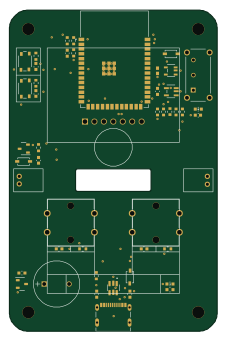
Similar boards
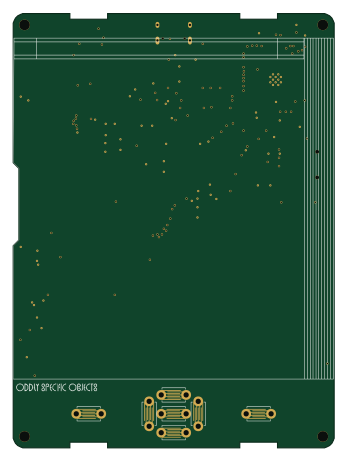 ESP32
OSO-BOOK-B1
joeycastillo
85 × 115 mm65 parts2LCC-BY-SA-4.08.1k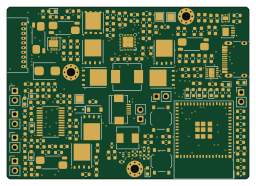 ESP32
Powertrain
byrantech
64 × 45.4 mm171 parts4LMIT4.3k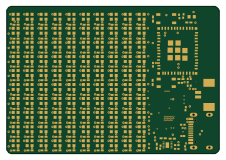 ESP32
Badge
atopile
56.3 × 39 mm239 parts4LMIT4.0k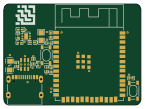 ESP32
Esp32 minimal
36.2 × 26.8 mm20 parts2LMIT4.0k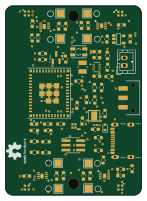 ESP32
Racer
StuckAtPrototype
36 × 50.2 mm70 parts4LApache-2.03.8k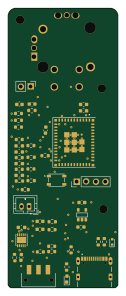 ESP32
Controller
29 × 74 mm58 parts4LApache-2.03.8k