
9 open source boards using the GAL22V10
Real designs built with the GAL22V10, from public GitHub projects: a quick way to see how others power, decouple and connect it. Each board comes with its KiCad files, full parts list and a render — and you can simulate its firmware on HardLabs.
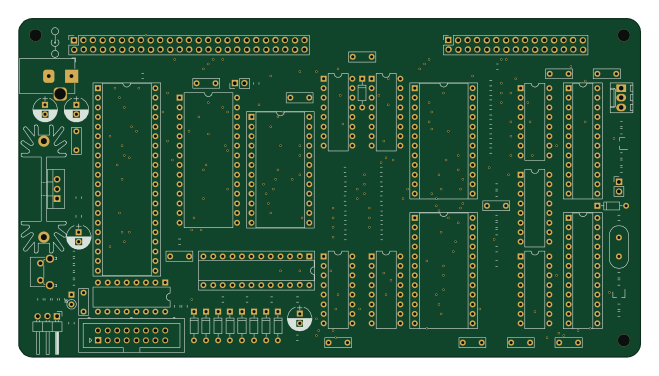
Jupiter-II
ricaflops
164.5 × 89.5 mm122 partsMIT43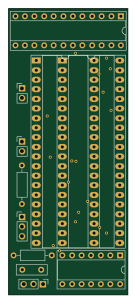
C128-z80-8mhz
ytmytm
31.5 × 75.7 mm11 parts2LNo license28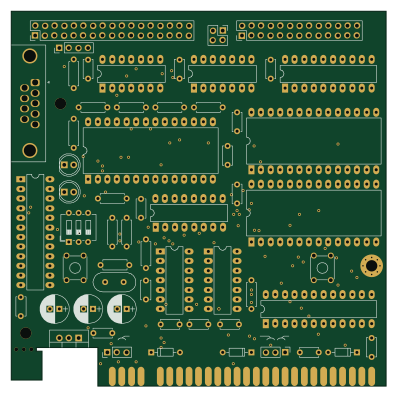
Plusd
alvaroalea
99.1 × 99.1 mm58 parts2LNo license24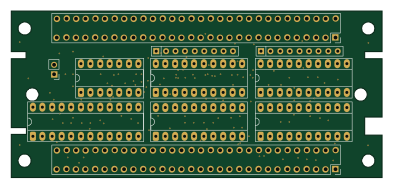
MegaCD-Connect-BD-Remake
Board-Folk
98 × 44 mm17 parts2LCC0-1.022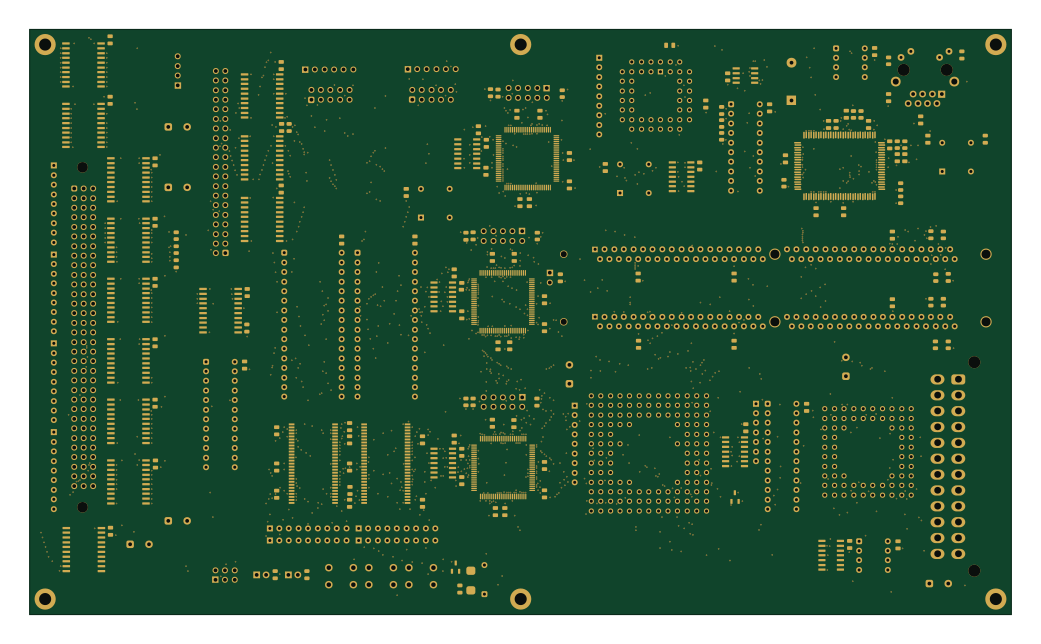 AVR/Arduino
Playground 68030 Mk I
thorpej
259.9 × 154.9 mm227 parts6LNo license15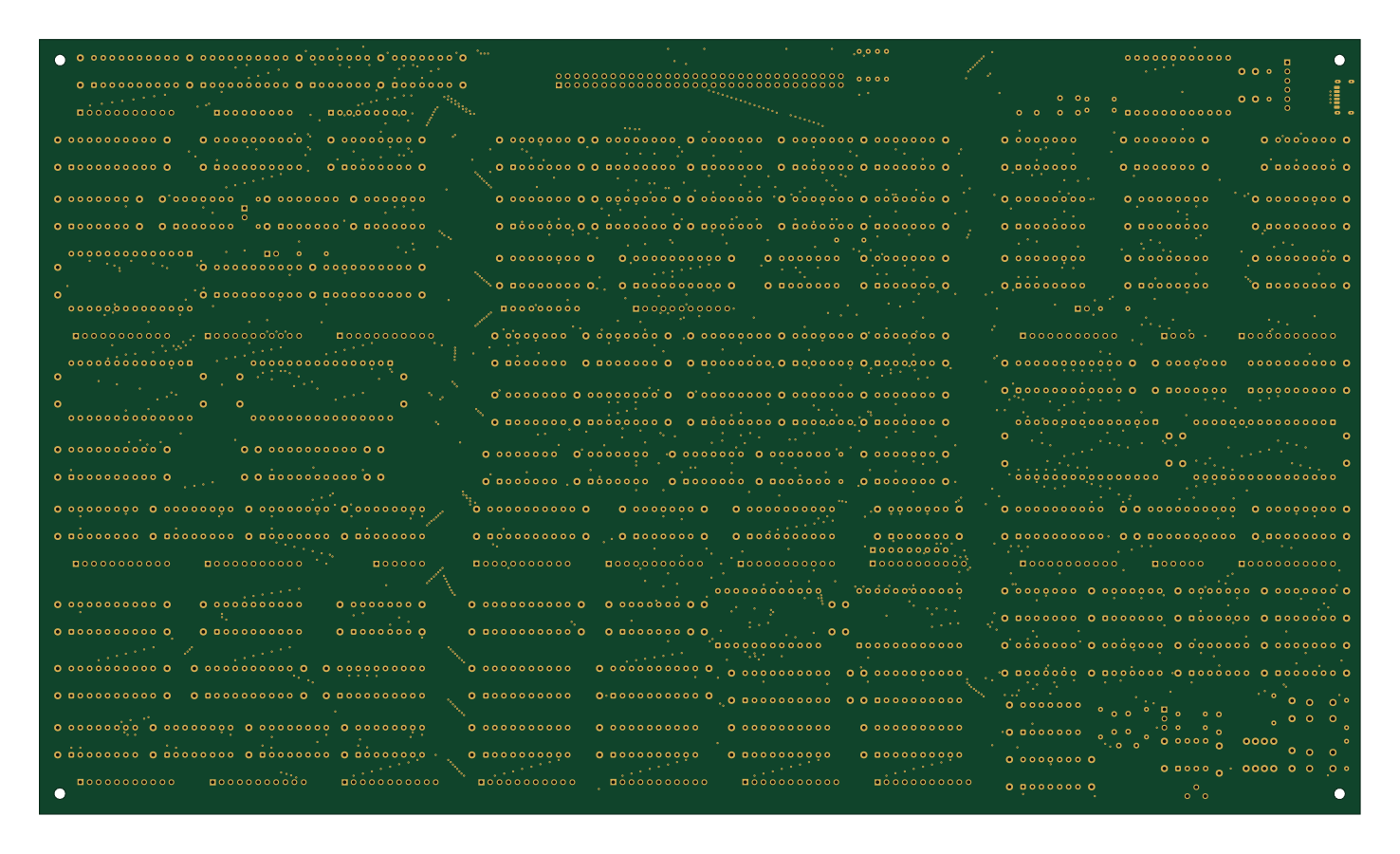
TTL 6510 Computer
StefansAI
368.3 × 215.9 mm330 parts2LNo license1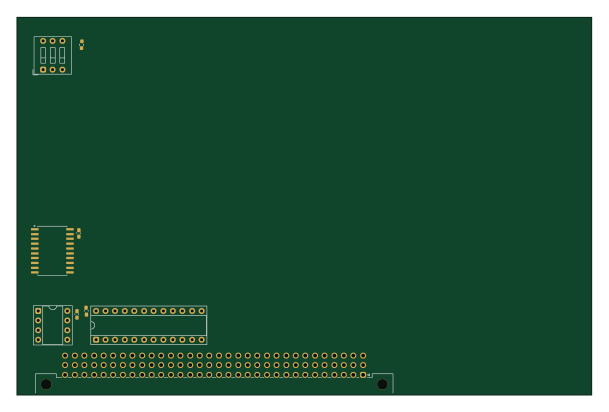
NQVME Expansion Board Template
151.9 × 99.8 mm9 parts4LNo license15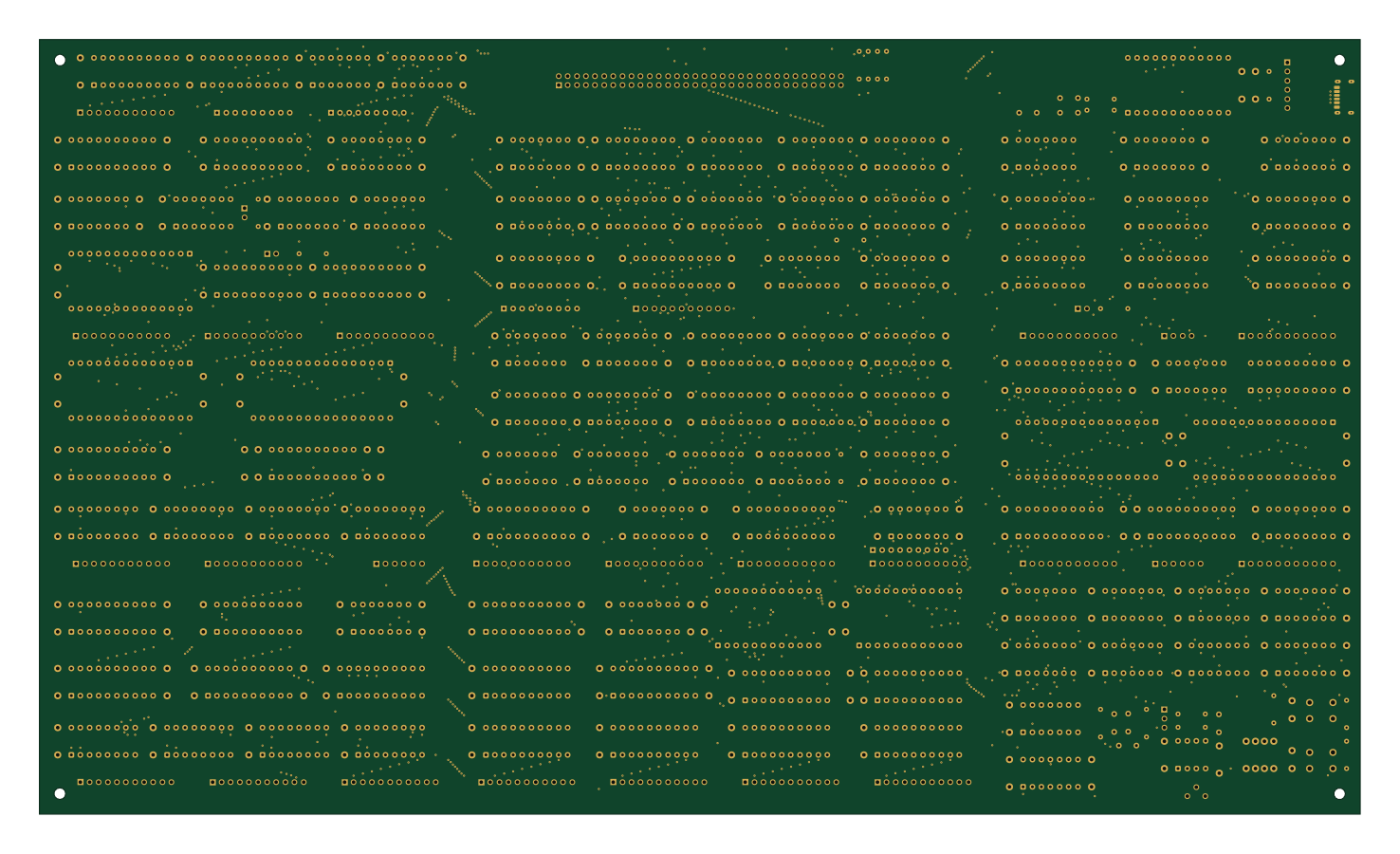
TTL 6510 Computer
368.3 × 215.9 mm330 parts2LNo license1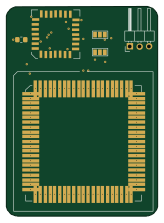
Amiga3000-romy
reinauer
40.1 × 55.5 mm4 parts2LNo license31
The GAL22V10 in open source designs
The gallery holds 9 open source boards using the GAL22V10 from 7 GitHub repositories; a typical one measures about 151.9 × 99.1 mm and carries around 58 components.
75% are two-layer designs, the rest use four layers or more, and 22% carry an open source license.
The most starred is Jupiter-II by ricaflops.
Microcontrollers on boards using the GAL22V10
What boards using the GAL22V10 are built for
GAL22V10: common questions
Where can I find a GAL22V10 reference design?
Each of the 9 boards on this page is a real design using the GAL22V10. Open one to see how it is wired up, with the full BOM, a render of the layout and links to its KiCad files.
What parts are used alongside the GAL22V10?
The 74HCT74, L7805 and Z80CPU appear in the most repositories here.
Which microcontrollers do boards using the GAL22V10 use?
Most are built on AVR/Arduino (1).
How big is a typical board using the GAL22V10?
The median is 151.9 × 99.1 mm, and 75% are two-layer designs.
What is the most popular open source board using the GAL22V10?
By GitHub stars, Jupiter-II by ricaflops, with 43 stars.
Can I simulate one of these boards using the GAL22V10 before building it?
Yes. HardLabs turns a board's netlist and BOM into a working simulation, so you can boot and test firmware against it with no hardware on your desk.