
386 open source boards using the USBLC6-2P6
Real designs built with the USBLC6-2P6, from public GitHub projects: a quick way to see how others power, decouple and connect it. Each board comes with its KiCad files, full parts list and a render — and you can simulate its firmware on HardLabs.
 STM32
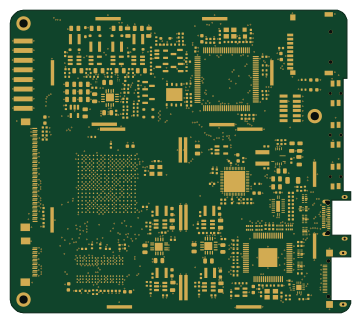
Glider
Modos-Labs
90 × 80 mm356 parts4LCERN-OHL-S-2.02.7k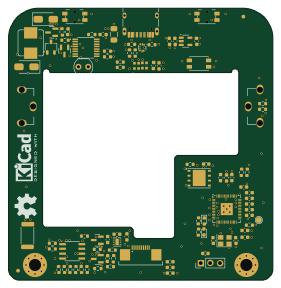 RP2040/RP2350
SPINC
CoretechR
70 × 72 mm91 parts4LGPL-3.0463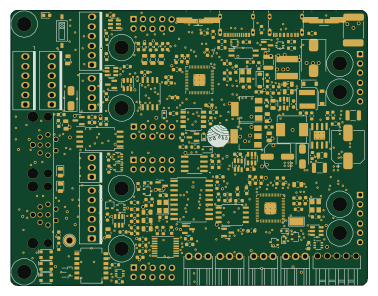 RP2040/RP2350
Dual CPU Base Board
Twisted-Fields
94.4 × 72.8 mm247 parts4LCustom license419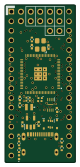 RP2040/RP2350
Fire-32-b2
piersfinlayson
18.6 × 41.7 mm50 parts2LCERN-OHL-W-2.0380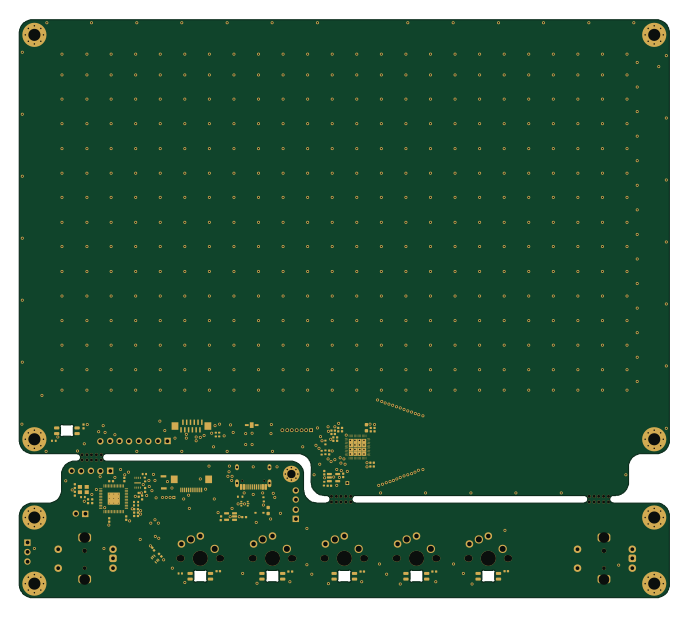 RP2040/RP2350
Peacock
george-norton
172 × 152.9 mm74 parts2LCERN-OHL-S-2.0307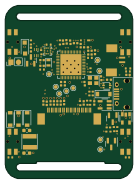 ESP32
Watchy hardware
sqfmi
33.8 × 46 mm75 parts4LMIT226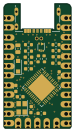 AVR/Arduino
Goldfish
staticintlucas
17.8 × 33 mm26 parts2LNo license220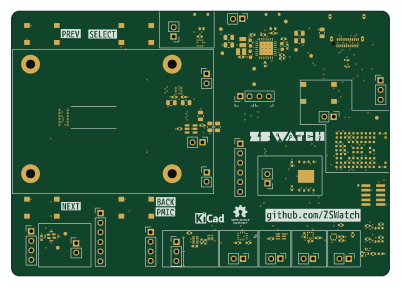
Watch-DevKit-HW
ZSWatch
100 × 70 mm100 parts4LGPL-3.0187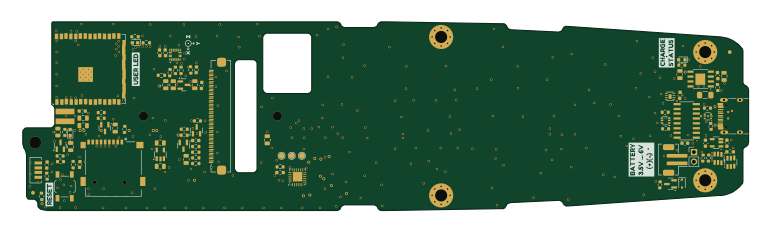 ESP32
Omote
OMOTE-Community
192.4 × 50 mm135 parts2LGPL-3.0153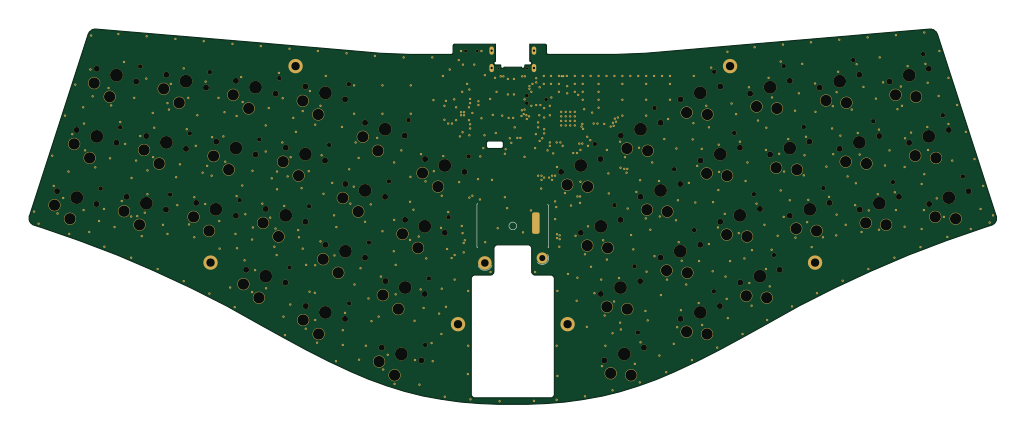 Nordic nRF
Osprey rev a
ebastler
256.1 × 99.3 mm150 parts2LCERN-OHL-P-2.0150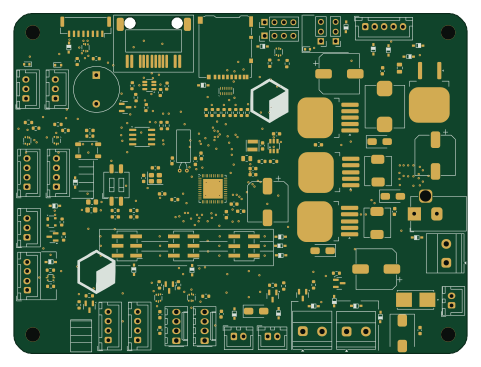 STM32
Mainboard
Cluradev
120 × 90 mm162 parts4LNo license118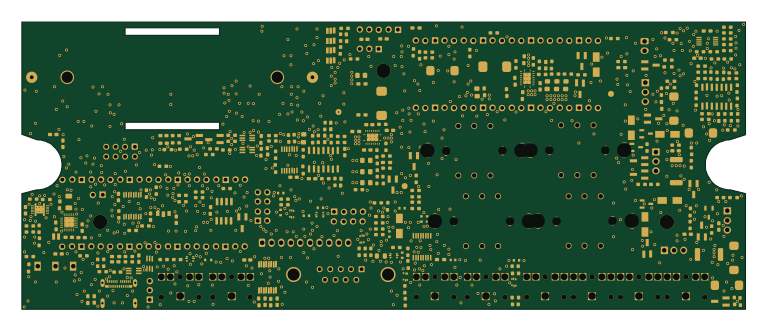
ZC95 MKII
CrashOverride85
191.5 × 76 mm319 parts2LGPL-3.0115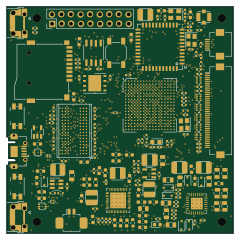
NekoInk
zephray
60 × 60 mm231 parts4LCERN-OHL-P-2.0106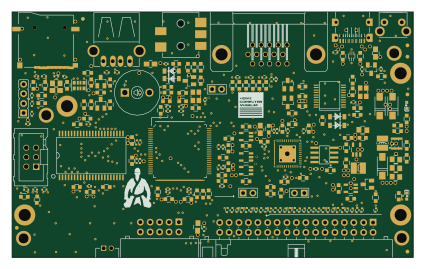 RP2040/RP2350
AgonLight2 Rev A
OLIMEX
106.1 × 64.9 mm237 parts4LGPL-3.0105 Nordic nRF
Nrf52840-promicro
sasodoma
17.8 × 33 mm55 parts2LNo license105 STM32
8Q
Spooky-Manufacturing
482.5 × 711 mm157 parts2LGPL-3.0101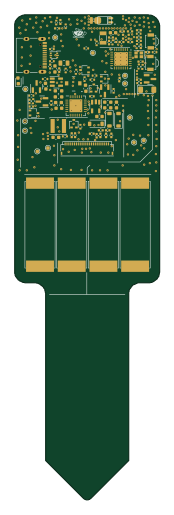 ESP32
Plantpal
teapotlaboratories
38.4 × 128.5 mm109 parts4LMIT98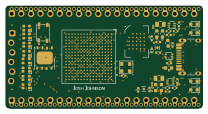 FPGA
ECP5 Mini
joshajohnson
52 × 27 mm99 parts4LCERN-OHL-S-2.091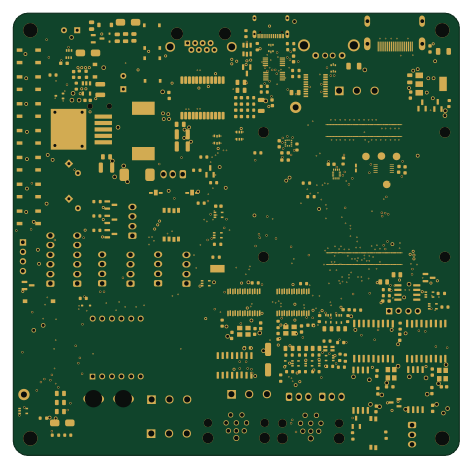 Raspberry Pi
Cm4 motherboard
118 × 117 mm238 parts4LNo license81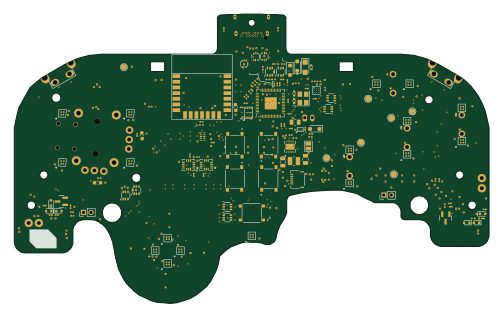 RP2040/RP2350
GC Ultimate Main Board R5
HandHeldLegend
125.7 × 76.6 mm140 parts4LCC-BY-NC-4.061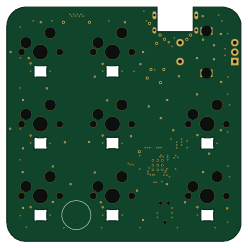 RP2040/RP2350
Pcb
0xCB-dev
62 × 62 mm114 parts4LCustom license61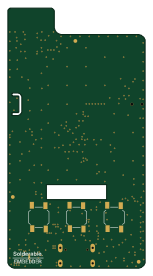 ESP32
Storm tracker hardware
solderable
36.5 × 69 mm79 parts4LNo license56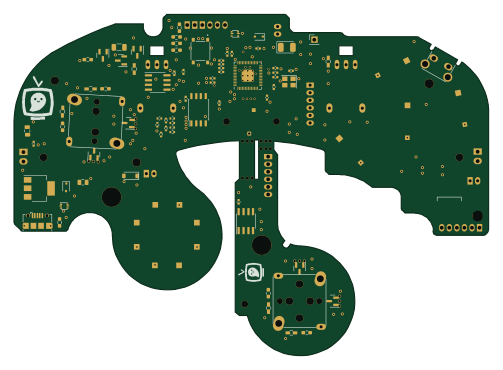 RP2040/RP2350
PhobGCC 2 0 0 proto 1
PhobGCC
125.5 × 90.3 mm74 parts2LCERN-OHL-S-2.055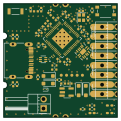 ESP32
WiSer-TTL
bitmerse
30 × 30 mm68 parts4LNo license52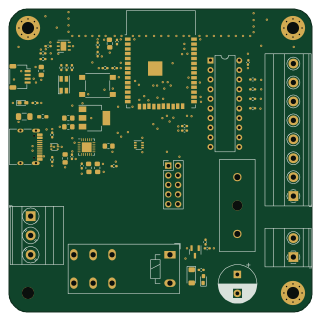 ESP32
Iot thing
mortens-lab
80 × 80 mm58 parts4LMIT51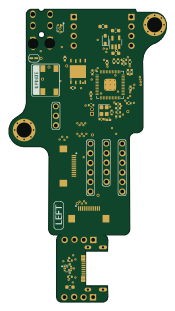 RP2040/RP2350
Splinktegrated
Bastardkb
41.8 × 77.6 mm38 parts2LNo license48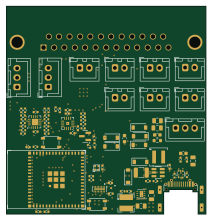 ESP32
ILDAWaveX16
stanleyondrus
52.8 × 55 mm94 parts2LNo license43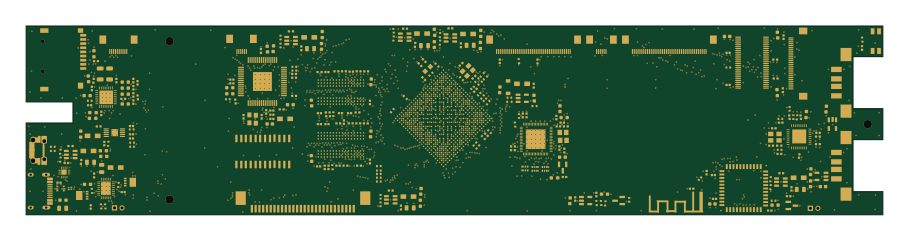 NXP
Archer mainboard
EI2030
227 × 50 mm392 parts4LCERN-OHL-S-2.040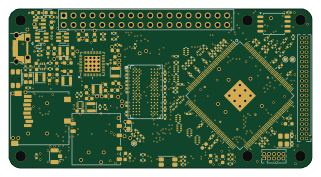
Sbc allwinner a13
vd-rd
80 × 42 mm163 parts4LNo license38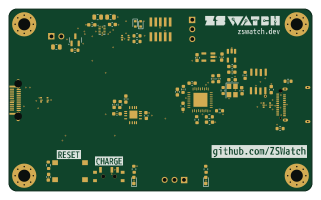
Dock-HW
80 × 48 mm58 parts4LGPL-3.038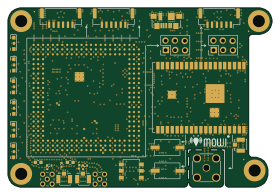 ESP32
Mowi
septentrio-gnss
70 × 47.5 mm248 parts6LNo license35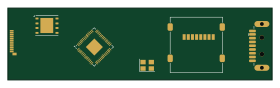 RP2040/RP2350
Hackducky
hackclub
70 × 19 mm45 parts2LNo license33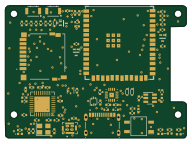 ESP32
Esp32-tv hardware
atomic14
48 × 35.1 mm79 parts4LNo license29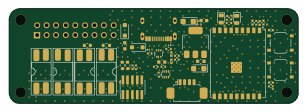 ESP32
Esp atx power
valletw
76.6 × 25.1 mm51 parts4LMIT29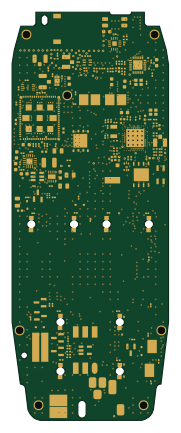 Nordic nRF
The-Mesh3310-Project
JLTelectronics
41.4 × 108 mm171 parts4LMIT26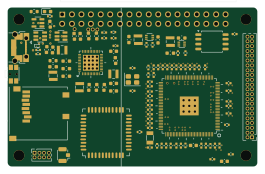
Sbc allwinner v3s
66 × 42 mm155 parts4LNo license22
How designs wire the USBLC6-2P6
Read from the KiCad layouts of 274 open source designs, one per repository: what each pin of the USBLC6-2P6 connects to, and the resistors, capacitors and other passives placed on it.
| Pin | Connected to | Parts on the pin |
|---|---|---|
| I/O1pin 1, 6 | Connected to: A connector 49%, the microcontroller 22% |
|
| GNDpin 2 | Connected to: GND 97% | — |
| I/O2pin 3, 4 | Connected to: A connector 49%, the microcontroller 22% |
|
| VBUSpin 5 | Connected to: VBUS 72% · a signal 25% |
|
Connections count pins, parts count designs; values in brackets are how many parts had that value. Designs read include Glider by Modos-Labs, SPINC by CoretechR, Dual CPU Base Board by Twisted-Fields and Fire-24-f by piersfinlayson.
The USBLC6-2P6 in open source designs
The gallery holds 386 open source boards using the USBLC6-2P6 from 280 GitHub repositories; a typical one measures about 66 × 53.7 mm and carries around 74 components.
58% use four copper layers or more, and 48% carry an open source license.
The most starred is Glider by Modos-Labs.
Parts used alongside the USBLC6-2P6
Microcontrollers on boards using the USBLC6-2P6
What boards using the USBLC6-2P6 are built for
USBLC6-2P6: common questions
Where can I find a USBLC6-2P6 reference design?
Each of the 386 boards on this page is a real design using the USBLC6-2P6. Open one to see how it is wired up, with the full BOM, a render of the layout and links to its KiCad files.
What parts are used alongside the USBLC6-2P6?
The AP2112K-3.3, AMS1117-3.3, RP2040, W25Q128JVS and ESP32-S3-WROOM-1 appear in the most repositories here.
Which microcontrollers do boards using the USBLC6-2P6 use?
Most are built on ESP32 (128), RP2040/RP2350 (103), STM32 (85) and AVR/Arduino (9).
How big is a typical board using the USBLC6-2P6?
The median is 66 × 53.7 mm, and 42% are two-layer designs.
What is the most popular open source board using the USBLC6-2P6?
By GitHub stars, Glider by Modos-Labs, with 2,676 stars.
Can I simulate one of these boards using the USBLC6-2P6 before building it?
Yes. HardLabs turns a board's netlist and BOM into a working simulation, so you can boot and test firmware against it with no hardware on your desk.