
1,809 open source boards in Retro computing
Z80, 6502 and 68000 computers, and boards for vintage consoles and machines. Every board here is a public GitHub project with its KiCad files, read for size, layers and parts. Pick one close to your design and simulate its firmware on HardLabs before you build it.
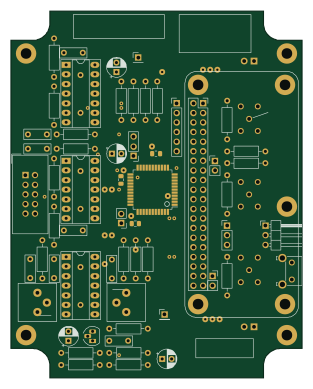
Rgb to hdmi
hoglet67
77 × 97 mm67 parts2LGPL-3.01.0k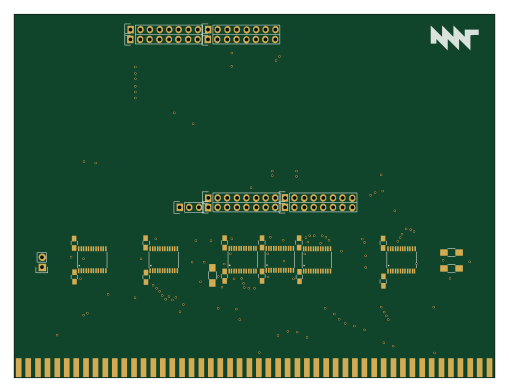
Amiga gfxcard
mntmn
127 × 96 mm32 parts2LNo license1.0k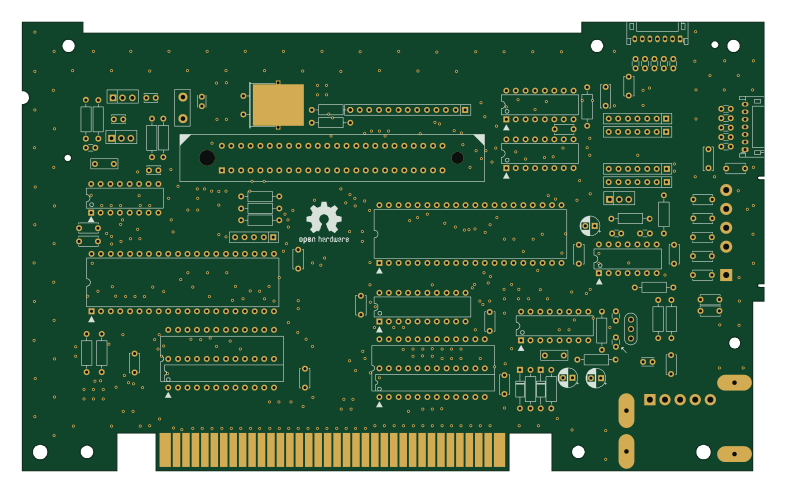
OpenTendo
Redherring32
196.3 × 118.7 mm93 parts2LTAPR-OHL-1.0859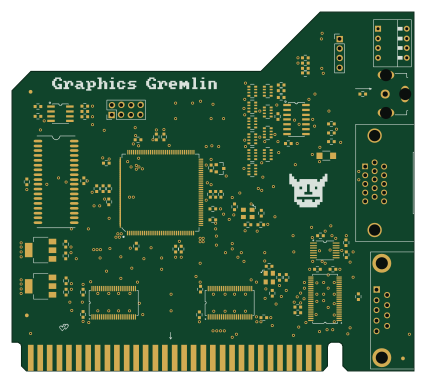 FPGA
Graphics gremlin
schlae
106.4 × 95 mm94 parts2LCC-BY-SA-4.0578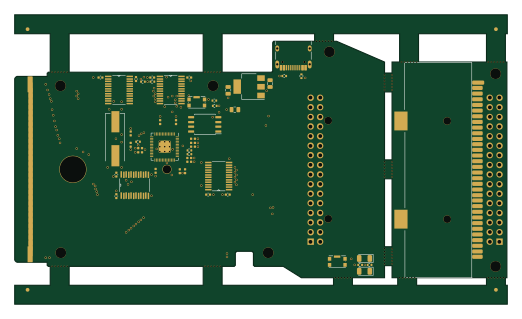 RP2040/RP2350
Gbinterceptor
Staacks
130.4 × 76.6 mm48 parts2LNo license541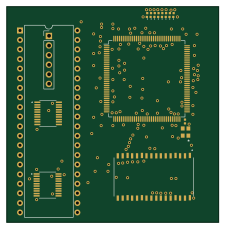
MCL86jr
MicroCoreLabs
56.1 × 57.1 mm66 parts4LNo license532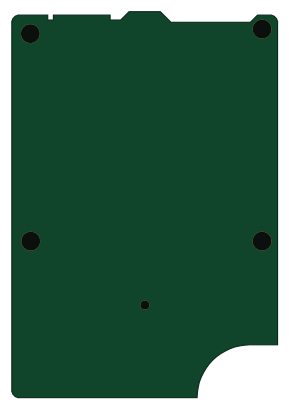 RP2040/RP2350
Riscboy
Wren6991
70.3 × 102.1 mm106 parts2LNo license511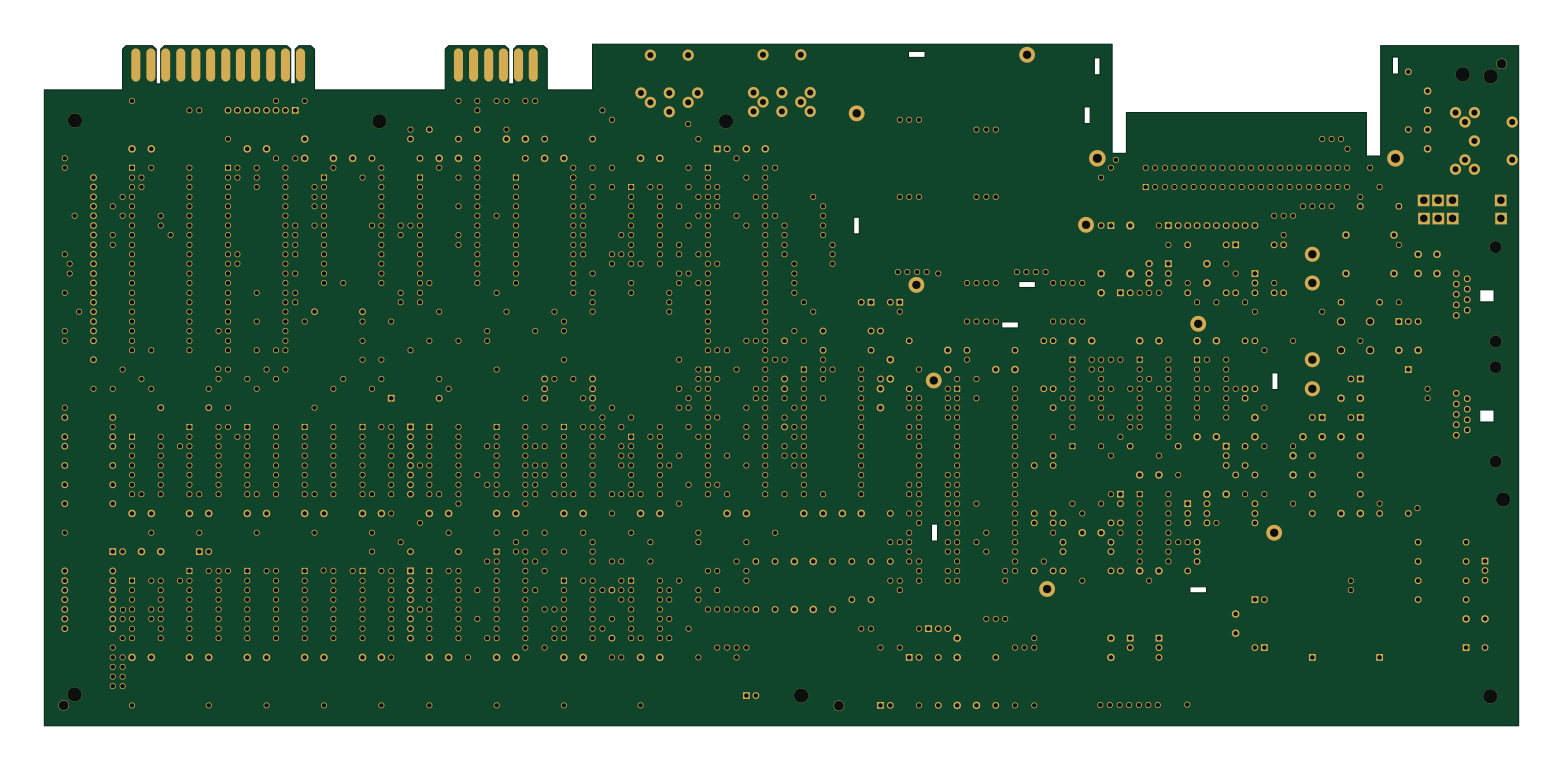
C64 Motherboard KU-14194HB
baldengineer
390.2 × 180.3 mm220 parts2LCC-BY-4.0442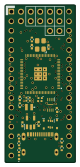 RP2040/RP2350
Fire-32-b2
piersfinlayson
18.6 × 41.7 mm50 parts2LCERN-OHL-W-2.0380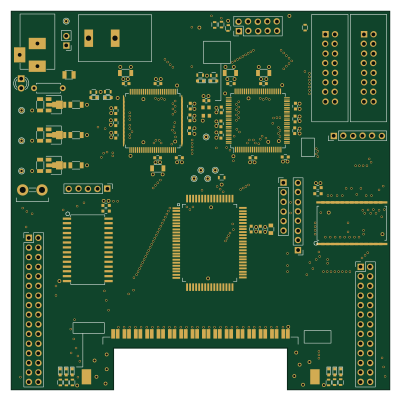 PIC
GB-BENCH-G1
Gekkio
100 × 100 mm98 parts4LCC-BY-4.0379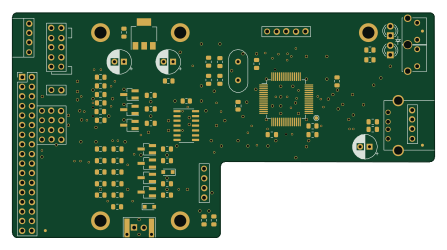 STM32
OpenFlops
SukkoPera
111.6 × 59.4 mm76 parts2LCustom license376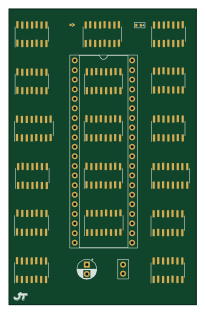
Space Odyssey
jotego
49.6 × 78.3 mm22 parts2LGPL-3.0335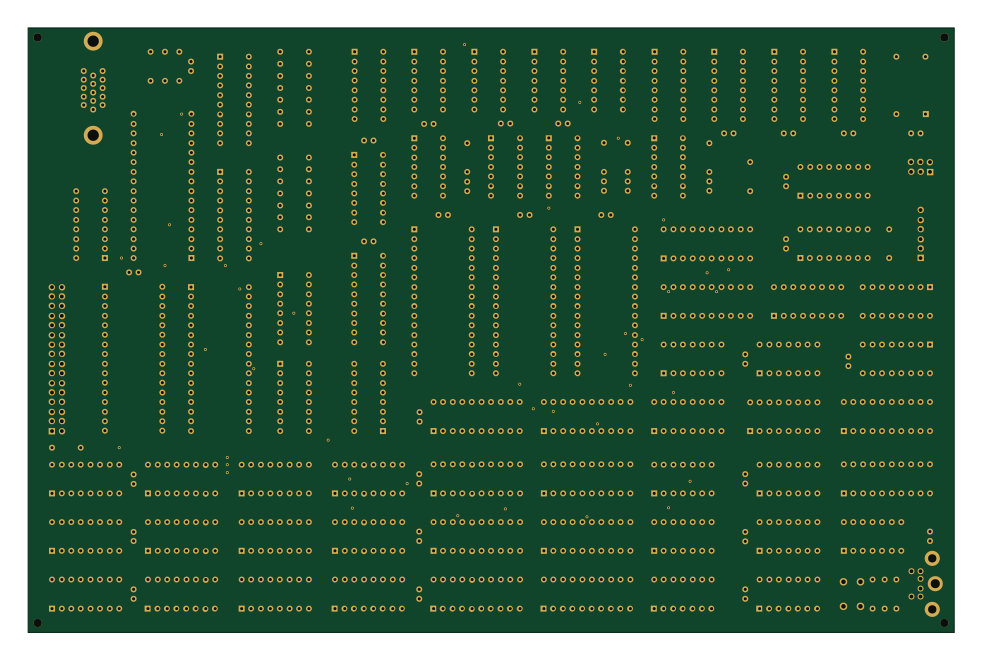
Minimal-64x4-Home-Computer
slu4coder
245.1 × 160 mm134 parts2LNo license323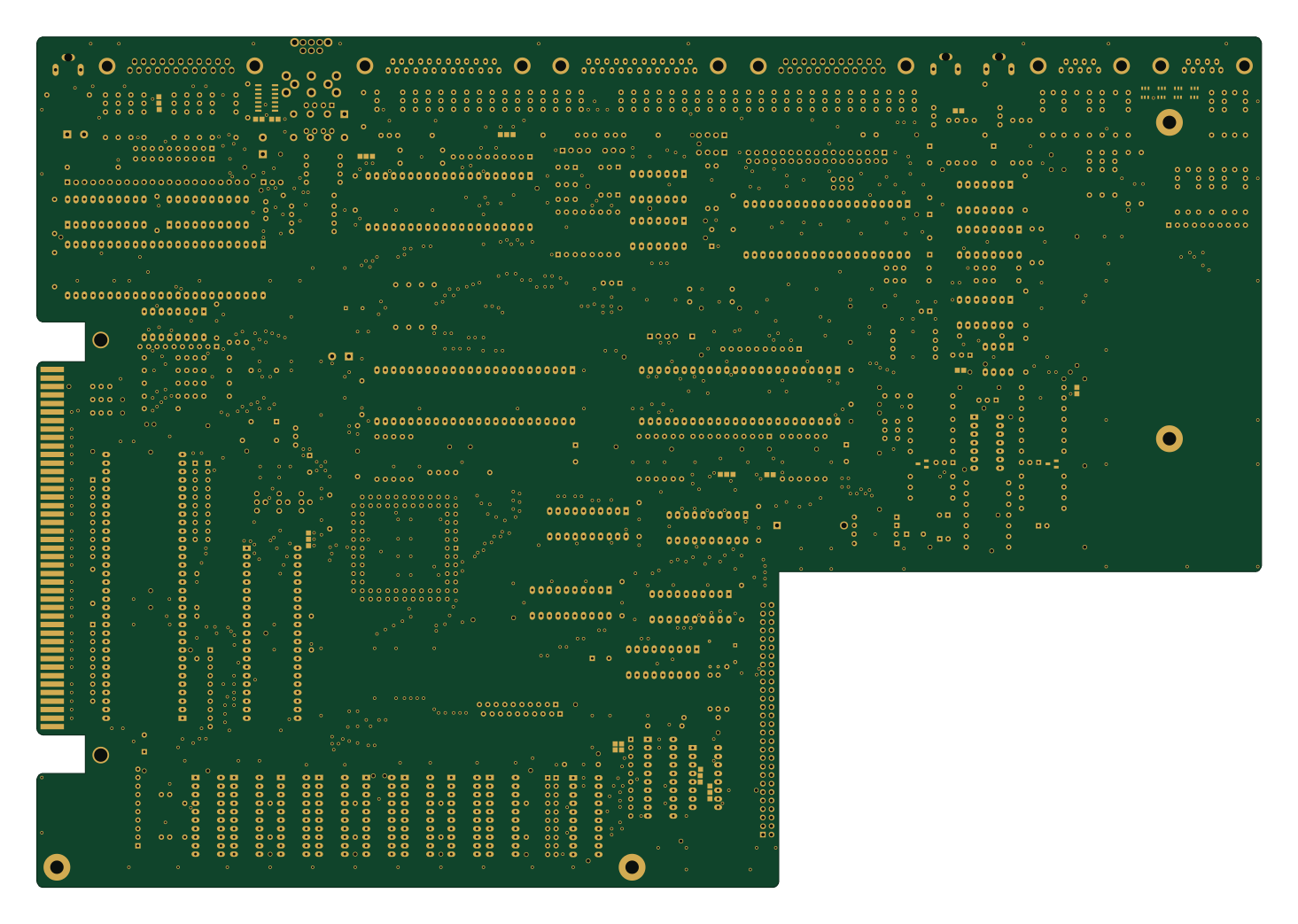
Raemixx500
365.8 × 254 mm349 parts2LNo license313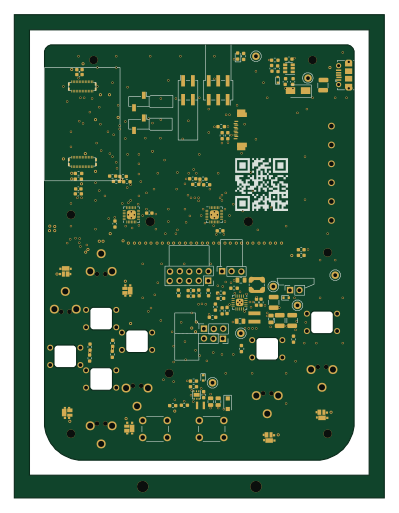
Main board
TUDSSL
98 × 128 mm117 parts2LMIT285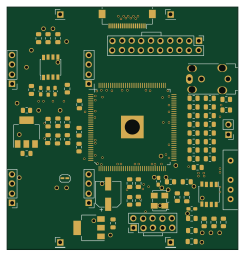 FPGA
Rfreplacement
c0pperdragon
61 × 64.1 mm97 parts2LMIT284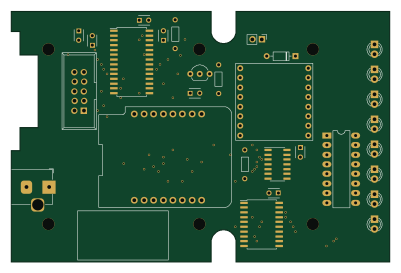 ESP8266
RetroWiFiModem
mecparts
100 × 66.1 mm29 parts2LGPL-3.0259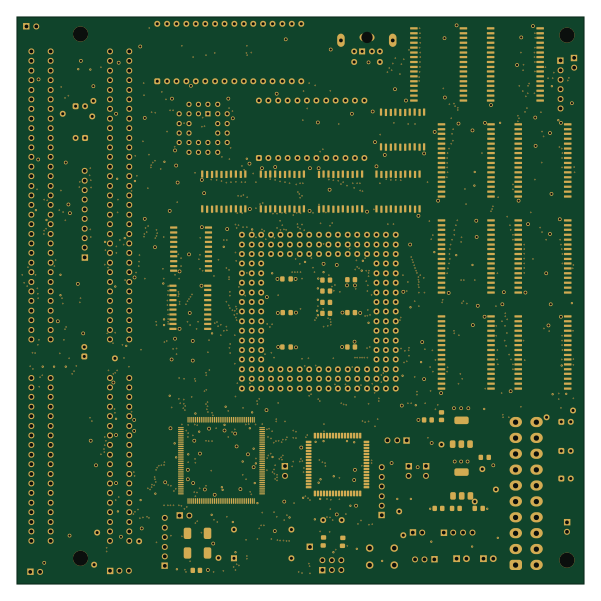 AVR/Arduino
M8SBC-486
maniekx86
150 × 150 mm123 parts4LNo license253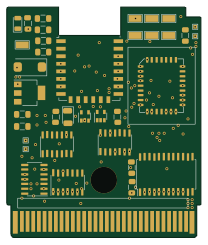 ESP8266
Wifi game boy cartridge
51.4 × 61 mm28 parts2LNo license238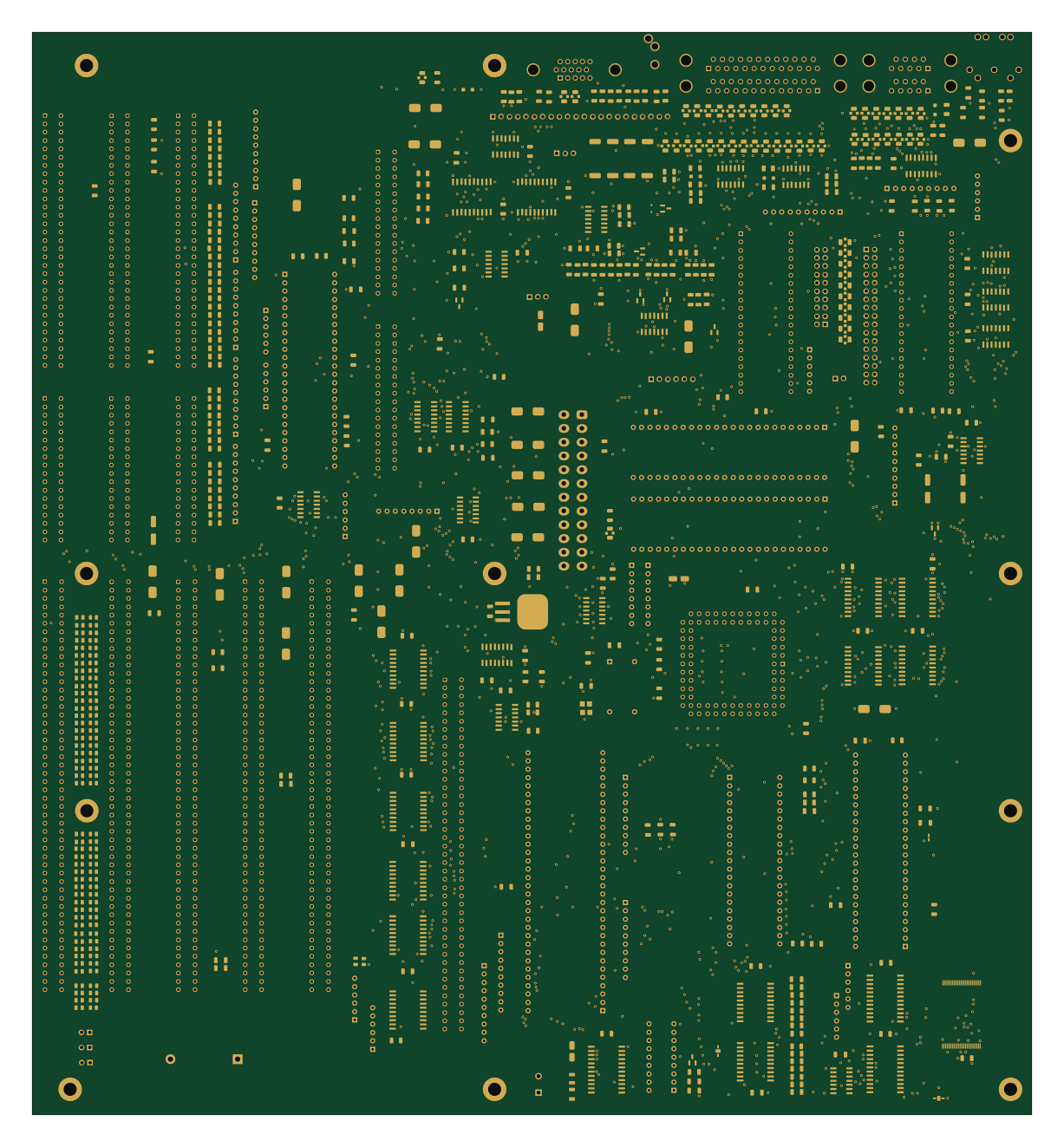
Amiga 2000 EATX
jasonsbeer
304.8 × 330.2 mm599 parts4LGPL-3.0199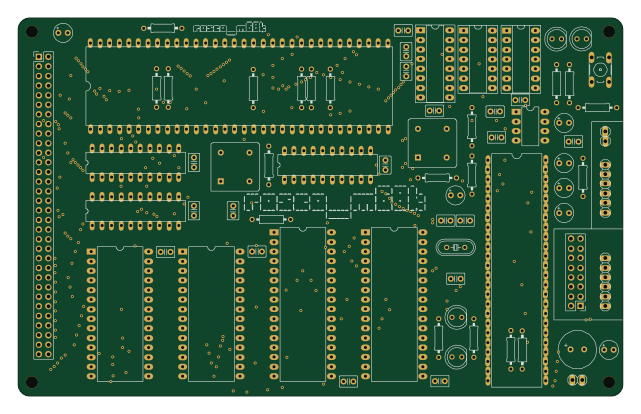
Rosco m68k
rosco-m68k
160 × 100 mm74 partsBSD-3-Clause199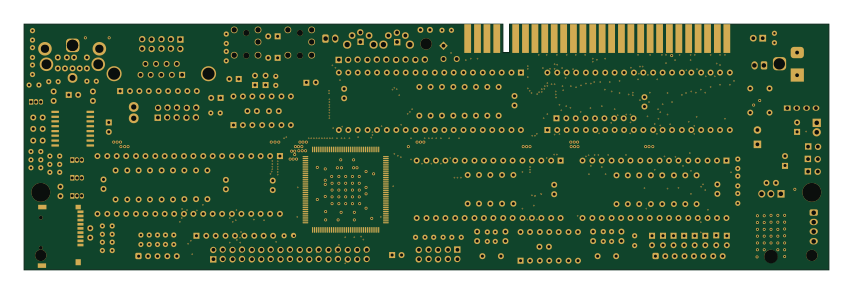
Zx sizif-512
UzixLS
213 × 65.1 mm203 parts2LMIT194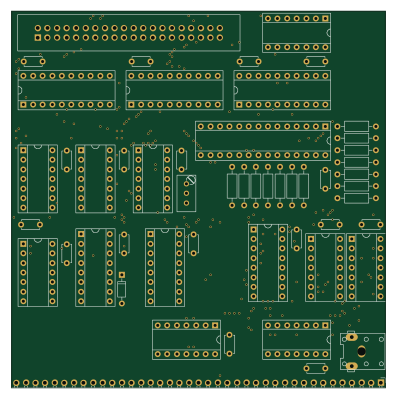
RC6502 General Video Adapter
tebl
99.1 × 99.7 mm80 parts2LGPL-3.0192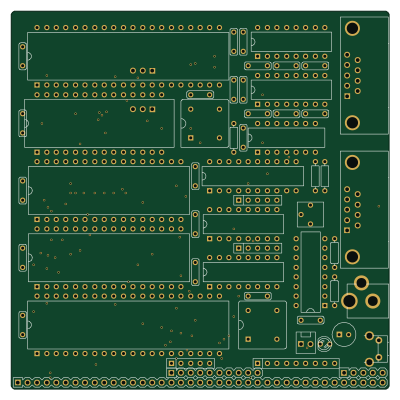
Easy z80
skiselev
100 × 100 mm58 parts2LGPL-3.0177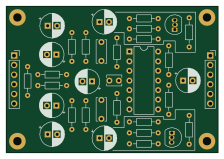
MegaAmp Board
theacodes
55.9 × 38.6 mm35 parts2LApache-2.0177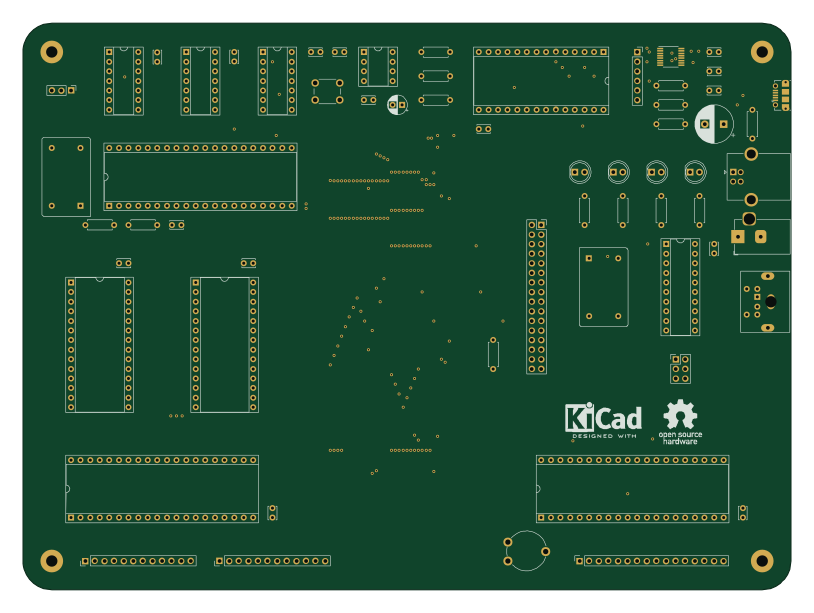 AVR/Arduino
65C02 Computer
dbuchwald
203.2 × 149.9 mm62 parts2LMIT176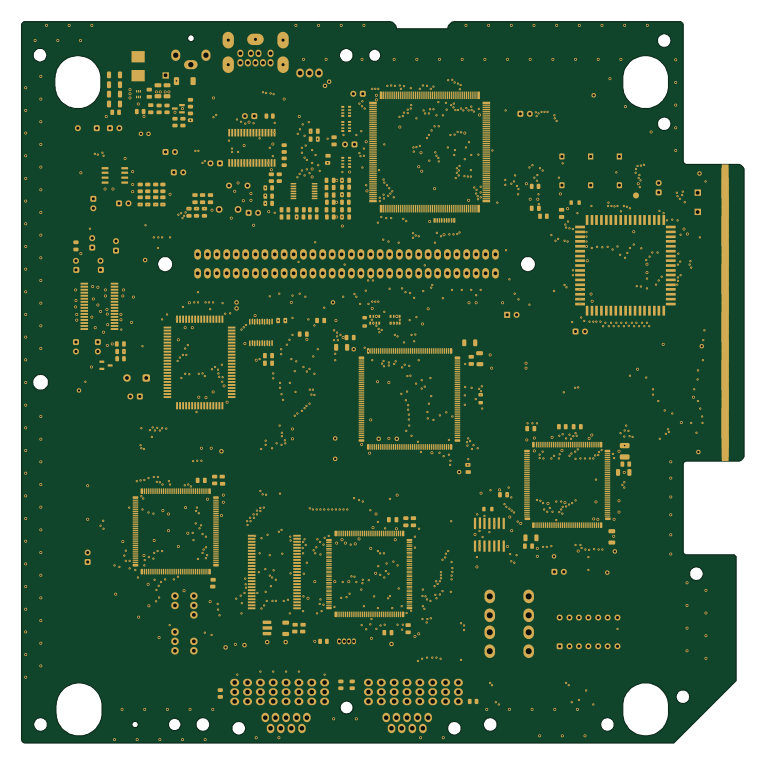 PIC
Neptune
Board-Folk
191.2 × 190.9 mm372 parts4LNo license175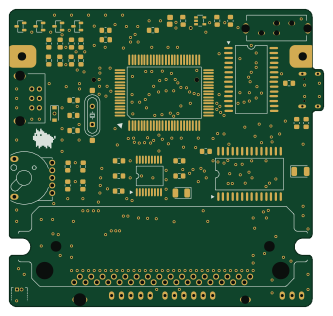
Super DMG CPU
kamicane
83 × 78.5 mm42 parts2LCC-BY-SA-4.0175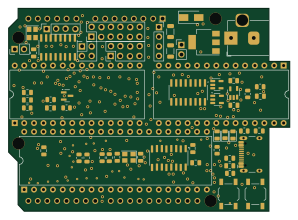
65uino
AndersBNielsen
74.4 × 53.6 mm80 parts2LCustom license165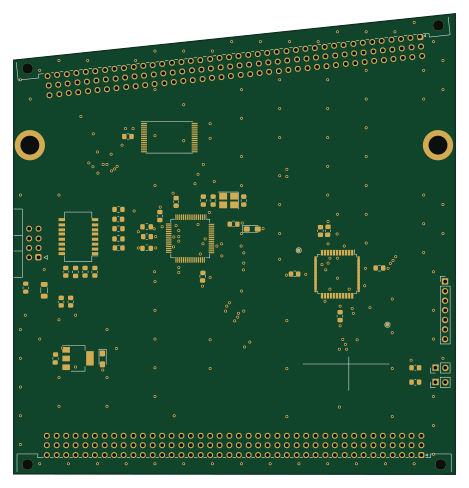
SEthernet/30 PDS Ethernet card for Macintosh SE/30
rhalkyard
116.8 × 121.8 mm43 parts4LGPL-3.0164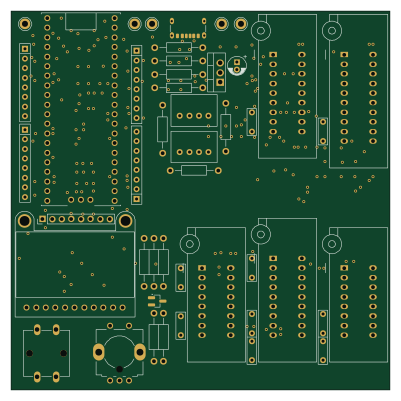 RP2040/RP2350
Pico dram tester
100 × 100 mm47 parts2LCC-BY-SA-4.0161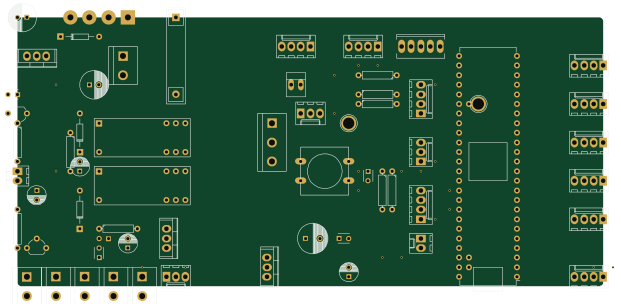 NXP
Walter
jochenalt
154.9 × 71.1 mm60 parts2LNo license160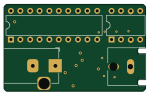
LumaCode
37.5 × 23 mm19 parts2LNo license151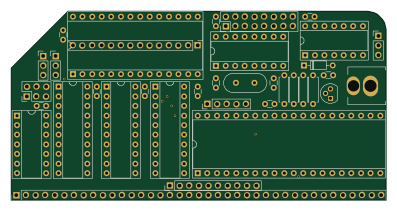
TMS9918A
jblang
99.1 × 49.9 mm36 parts2LNo license145- schematic only · 63 parts
AmigaPCI-MainBoard
AmigaPCI
63 partsNo license133 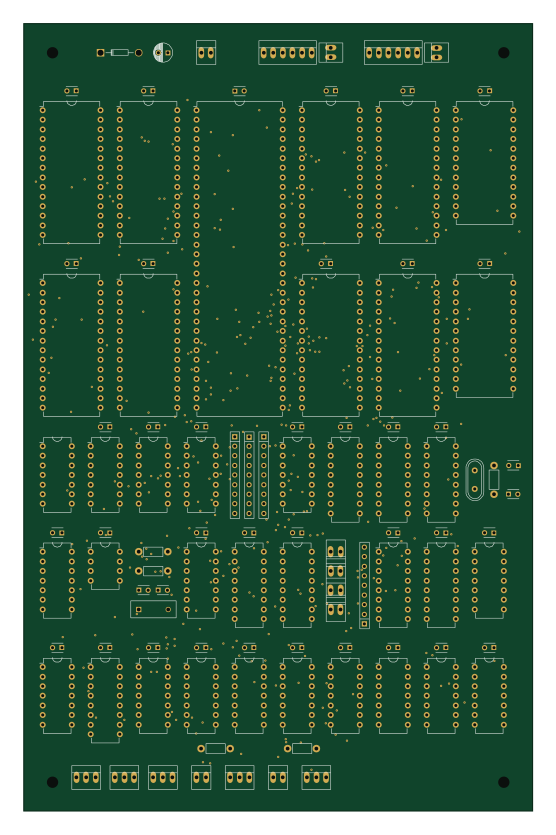
68000
jefftranter
134.6 × 208.3 mm90 parts2LNo license132
Open source retro computing boards at a glance
The gallery holds 1809 open source retro computing boards from 929 GitHub repositories; a typical one measures about 97.8 × 72 mm and carries around 33 components.
80% are two-layer designs, the rest use four layers or more, and 53% carry an open source license.
The most starred is Expansion Card Retrofit by FrameworkComputer.
Parts most used on retro computing boards
Microcontrollers on retro computing boards
Open source retro computing boards: common questions
Where can I find open source retro computing boards?
This page lists 1809, each read from its KiCad files on GitHub: board size, layers, the full parts list and a render of the PCB, with links to the original repository.
What parts are most common on retro computing boards?
The 74LS32, 74LS04, 74LS245, Z80CPU and 74LS138 appear in the most repositories here.
Which microcontrollers do retro computing boards use?
Most are built on AVR/Arduino (134), RP2040/RP2350 (115), ESP32 (63) and FPGA (48).
How big is a typical retro computing board?
The median is 97.8 × 72 mm, and 80% are two-layer designs.
What is the most popular open source retro computing board?
By GitHub stars, Expansion Card Retrofit by FrameworkComputer, with 1,114 stars.
Can I simulate one of these retro computing boards before building it?
Yes. HardLabs turns a board's netlist and BOM into a working simulation, so you can boot and test firmware against it with no hardware on your desk.