
455 open source boards using the CH340C
Real designs built with the CH340C, from public GitHub projects: a quick way to see how others power, decouple and connect it. Each board comes with its KiCad files, full parts list and a render — and you can simulate its firmware on HardLabs.
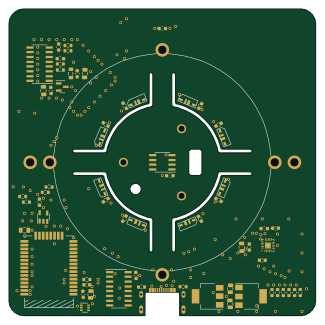
View base
scottbez1
81.2 × 81.2 mm81 parts2LApache-2.022.2k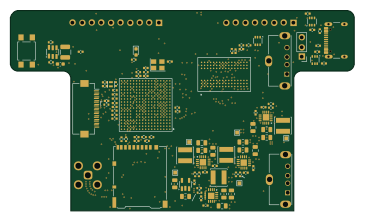
Flipper blackhat
o7-machinehum
91 × 53.1 mm167 parts4LCC-BY-NC-4.0292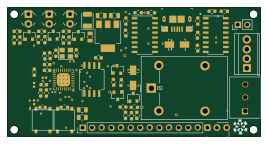 ESP8266
ME-ESP8266
MaloufSleep
66.8 × 34 mm73 parts2LMIT204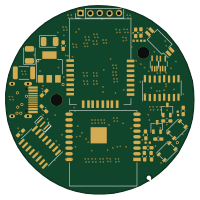 ESP32
Z2m partner
smarthomefans
50 × 50 mm50 parts2LNo license187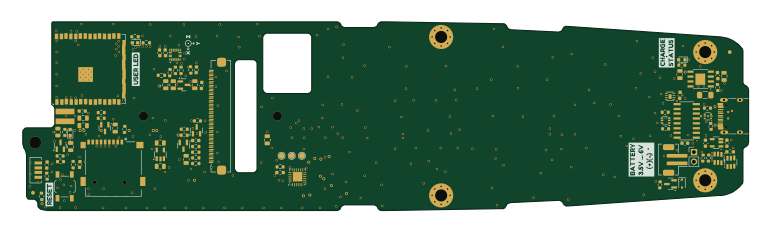 ESP32
Omote
OMOTE-Community
192.4 × 50 mm135 parts2LGPL-3.0153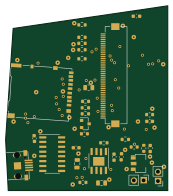 ESP32
Esppdp
Spritetm
43 × 49 mm55 parts4LNo license139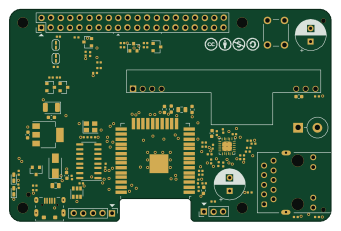 ESP32
HB-RF-ETH
alexreinert
85 × 56 mm86 parts2LCC-BY-NC-4.0104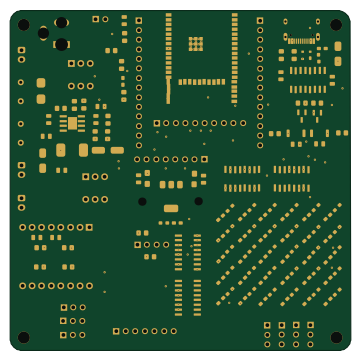 ESP32
Sra dev board 2026
SRA-VJTI
90.2 × 90 mm145 parts2LMIT80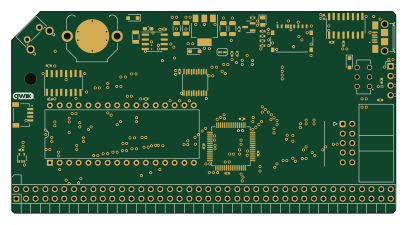
Z80ctrlng
jblang
101.6 × 53.3 mm63 parts4LMIT73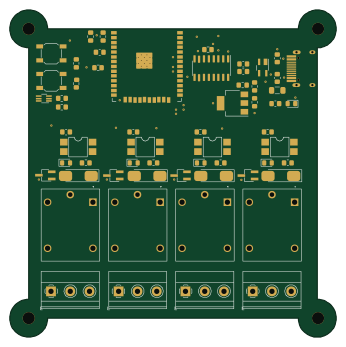 ESP32
Esp32-4-channel relays
leomanangka
86.4 × 86.6 mm59 parts2LCERN-OHL-P-2.070 ESP32
Ups to esp32
aronreid
36 × 58 mm38 parts2LGPL-3.063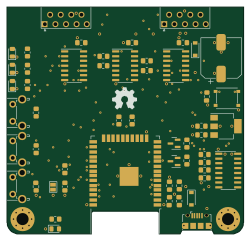 ESP32
Unijoysticle 2 C64
ricardoquesada
62.5 × 60 mm54 parts4LSHL-2.162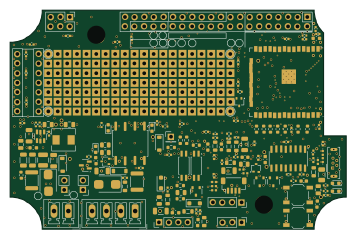 ESP32
SH-ESP32
hatlabs
89 × 58 mm172 parts4LCC-BY-4.049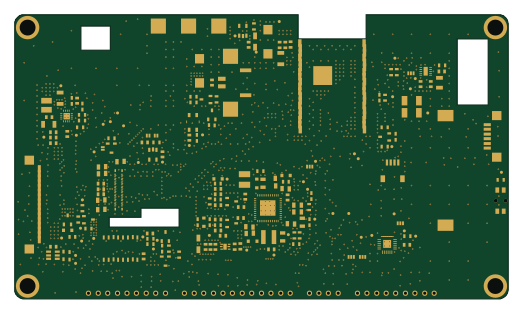 ESP32
Zerowriter Inkplate 5 Gen2
zerowriter
130.6 × 75.2 mm252 parts2LGPL-3.046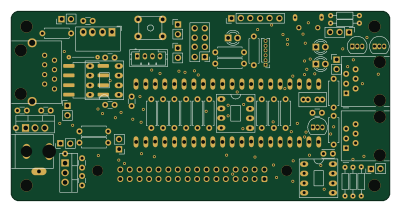
C6021light
GBert
100 × 50 mm74 parts2LNo license36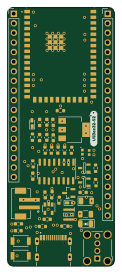 ESP32
USBee32-S2
dhairyashah1
28.1 × 68.3 mm47 parts2LMIT31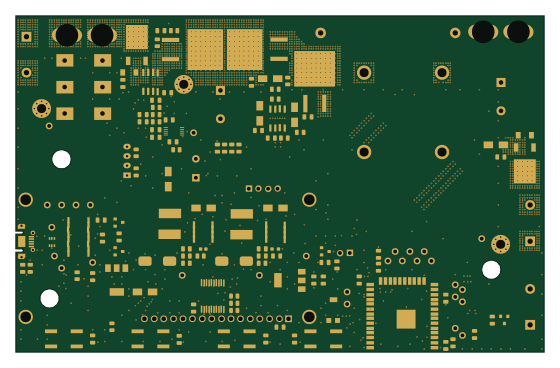 ESP32
Charge Controller
jharvey
139.7 × 88.9 mm157 parts2LNo license24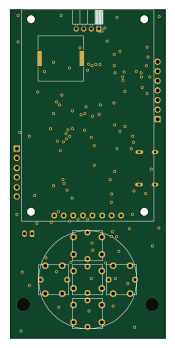 ESP32
Dif pressure meter
ardiloot
41 × 87 mm66 parts2LMIT23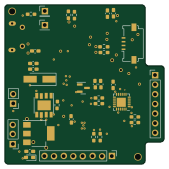
ESP32C3 Watch
k-ying
42 × 42 mm53 parts2LNo license23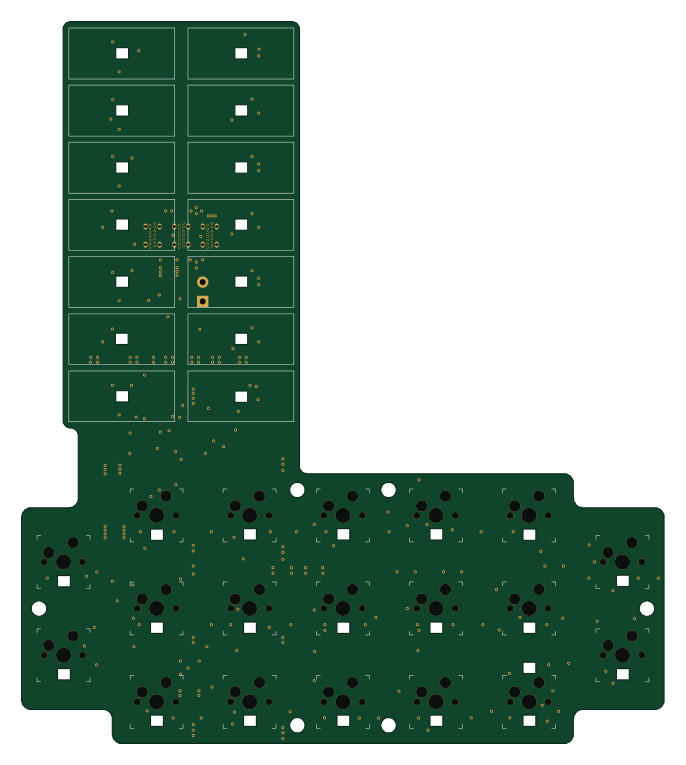 AVR/Arduino
DSKY
Apollo-Replica
169.9 × 190.9 mm116 parts2LCC-BY-NC-4.020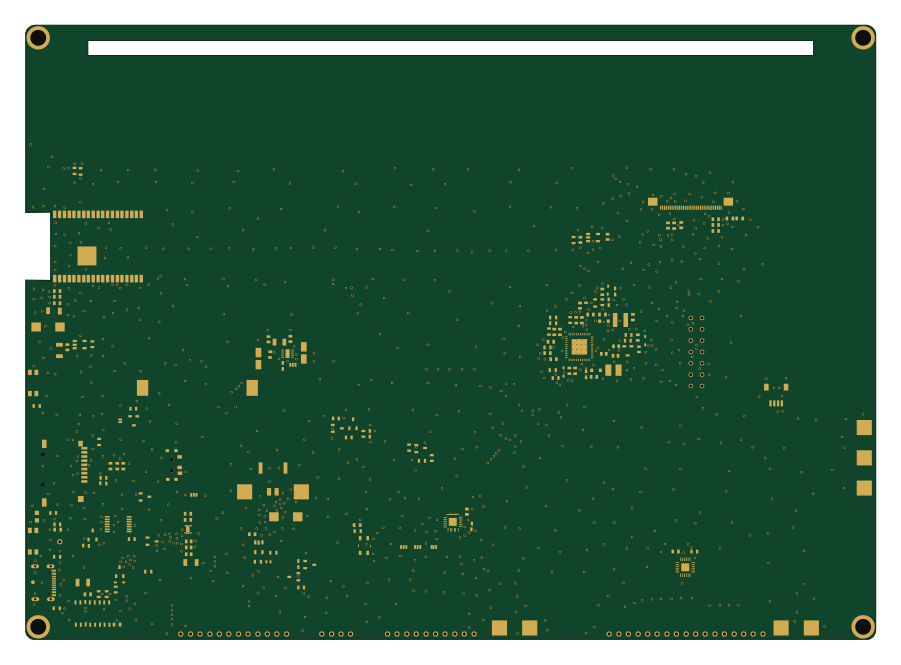 ESP32
Inkplate10 Soldered
SolderedElectronics
224.8 × 162.4 mm215 parts2LTAPR-OHL-1.018- schematic only · 74 partsESP32
CoolKidsBadge-2024
tixlegeek
74 partsGPL-3.018 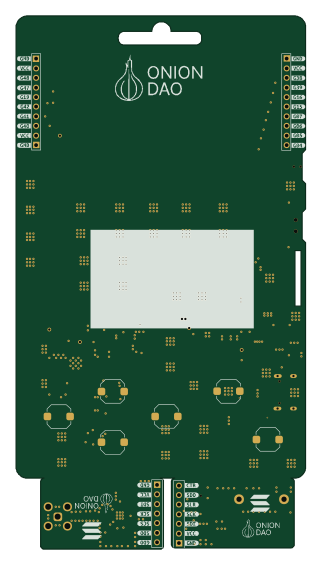 ESP32
Oniondao badge
OnionDAO-git
76.6 × 141.1 mm116 parts2LNo license17 ESP8266
FineMotion-5
Kamilake
49.3 × 19.7 mm40 parts2LCERN-OHL-P-2.016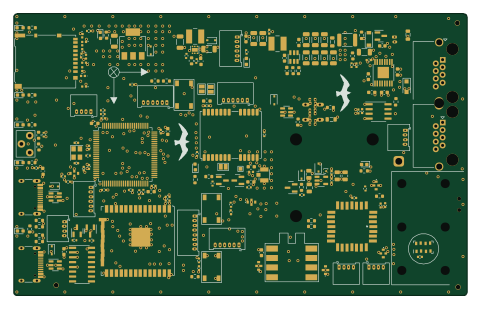 ESP32
Hw sensor
larus-breeze
120 × 74.6 mm215 parts4LCustom license14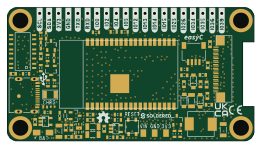 ESP32
Soldered-Inkplate-2-hardware design
65.2 × 35.2 mm97 parts4LTAPR-OHL-1.013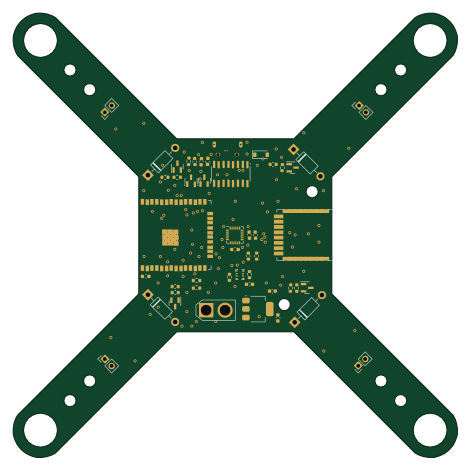 ESP32
Drone
rmingon
117.4 × 117.4 mm49 parts2LNo license12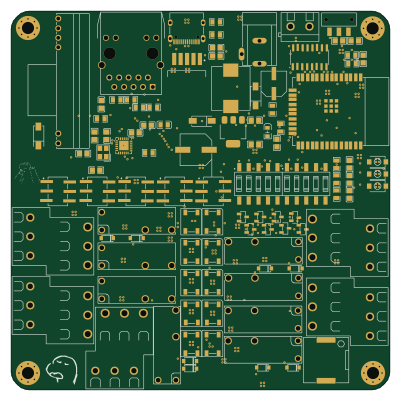 ESP32
Nif-T
SharKingStudios
100 × 100 mm103 parts4LMIT11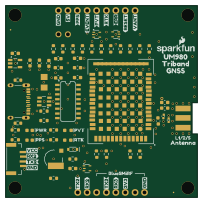
SparkFun GNSS UM980
sparkfun
50.8 × 50.8 mm76 parts4LMIT11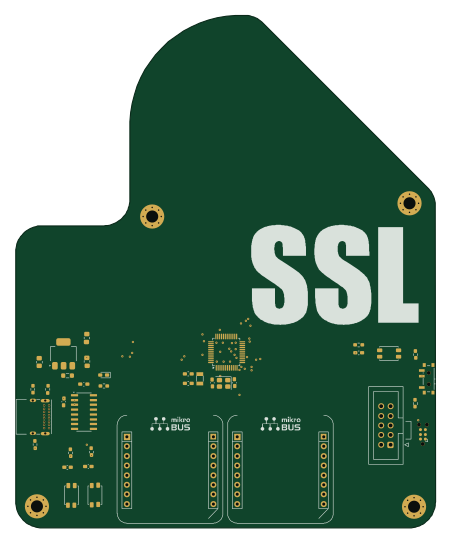 STM32
WolfSTM32-Demo
wolfSSL
111.1 × 135.6 mm65 parts2LGPL-3.011
74th kicad parts
74th
39.5 × 18.7 mm10 parts2LCC0-1.011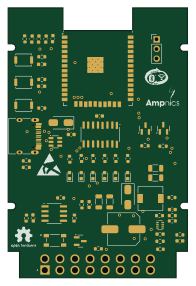 ESP32
CAN-to-WiFi-Converter-Dongle-
ampnics
47.5 × 71.5 mm68 parts2LNo license10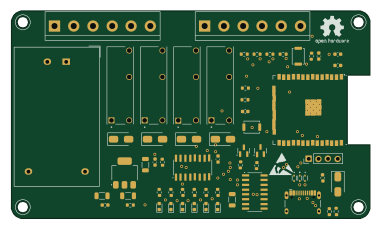 ESP32
4 channel home automation
95 × 55 mm62 parts2LNo license10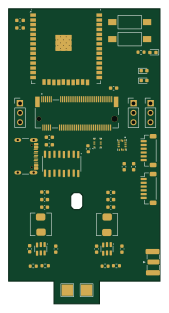 ESP32
Hardware v2
40 × 78 mm54 parts2LNo license10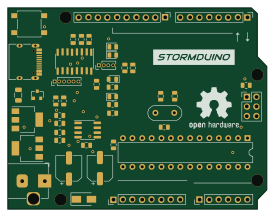 AVR/Arduino
Stormduino
Chromico
68.6 × 53.3 mm45 parts2LMIT10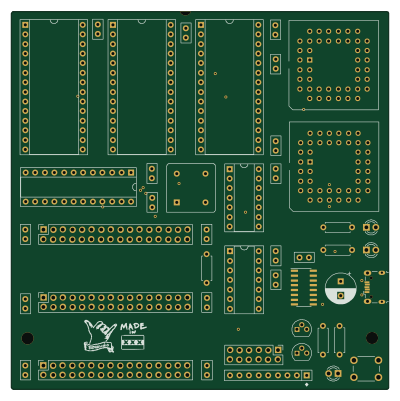
N8 Bit Special
nrivard
100 × 100 mm45 parts4LMIT10
How designs wire the CH340C
Read from the KiCad layouts of 320 open source designs, one per repository: what each pin of the CH340C connects to, and the resistors, capacitors and other passives placed on it.
- The DCD pin is left unconnected on 301 of 317 designs (GND on 6, a signal on 10).
- The RI pin is left unconnected on 300 of 317 designs (GND on 3, 3.3V on 2, a signal on 12).
- The DSR pin is left unconnected on 299 of 317 designs (GND on 4, a signal on 14).
- The CTS pin is left unconnected on 291 of 317 designs (GND on 4, a signal on 22).
| Pin | Connected to | Parts on the pin |
|---|---|---|
| GNDpin 1 | Connected to: GND 96% | — |
| V3pin 4 | Connected to: 3.3V 48% · a signal 45% |
|
| NCpin 7, 8 | Connected to: Not connected 96% | — |
| CTSpin 9 | Connected to: Not connected 92% | — |
| DSRpin 10 | Connected to: Not connected 94% | — |
| RIpin 11 | Connected to: Not connected 95% | — |
| DCDpin 12 | Connected to: Not connected 95% | — |
| DTRpin 13 | Connected to: Signal 79% · not connected 19% |
|
| RTSpin 14 | Connected to: Signal 71% · not connected 27% |
|
| R232pin 15 | Connected to: Not connected 92% | — |
| VCCpin 16 | Connected to: 3.3V 80% · a signal 19% |
|
4 more pins vary from design to design. Connections count pins, parts count designs; values in brackets are how many parts had that value. Designs read include View base by scottbez1, Easyduino Atmega by Hanqaqa, Flipper blackhat by o7-machinehum and ME-ESP8266 by MaloufSleep.
The CH340C in open source designs
The gallery holds 455 open source boards using the CH340C from 332 GitHub repositories; a typical one measures about 80 × 66.1 mm and carries around 66 components.
76% are two-layer designs, the rest use four layers or more, and 49% carry an open source license.
The most starred is View base by scottbez1.
Parts used alongside the CH340C
Microcontrollers on boards using the CH340C
What boards using the CH340C are built for
CH340C: common questions
Where can I find a CH340C reference design?
Each of the 455 boards on this page is a real design using the CH340C. Open one to see how it is wired up, with the full BOM, a render of the layout and links to its KiCad files.
How is the CH340C DCD pin connected?
The DCD pin is left unconnected on 301 of 317 designs (GND on 6, a signal on 10). Counted from the KiCad layouts of 320 open source designs using the CH340C.
How is the CH340C RI pin connected?
The RI pin is left unconnected on 300 of 317 designs (GND on 3, 3.3V on 2, a signal on 12). Counted from the KiCad layouts of 320 open source designs using the CH340C.
How is the CH340C DSR pin connected?
The DSR pin is left unconnected on 299 of 317 designs (GND on 4, a signal on 14). Counted from the KiCad layouts of 320 open source designs using the CH340C.
What parts are used alongside the CH340C?
The AMS1117-3.3, ESP32-WROOM-32, AP2112K-3.3, USBLC6-2SC6 and TPS7A2633DRVR appear in the most repositories here.
Which microcontrollers do boards using the CH340C use?
Most are built on ESP32 (260), AVR/Arduino (55), STM32 (24) and ESP8266 (20).
How big is a typical board using the CH340C?
The median is 80 × 66.1 mm, and 76% are two-layer designs.
What is the most popular open source board using the CH340C?
By GitHub stars, View base by scottbez1, with 22,165 stars.
Can I simulate one of these boards using the CH340C before building it?
Yes. HardLabs turns a board's netlist and BOM into a working simulation, so you can boot and test firmware against it with no hardware on your desk.