
11 open source GD32 boards
GigaDevice GD32 Arm Cortex-M microcontrollers. Every board here is a public GitHub project with its KiCad files, read for size, layers and parts. Pick one close to your design and simulate its firmware on HardLabs before you build it.
- schematic only · 88 partsGD32
Aixun t3a rev
c0d3z3r0
88 partsNo license54 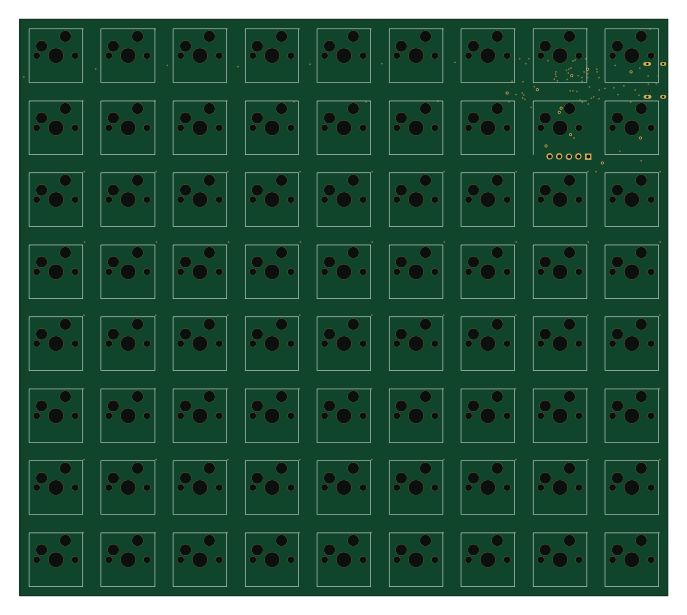 GD32
Big macro pad
obra
171.6 × 152.4 mm175 parts2LNo license3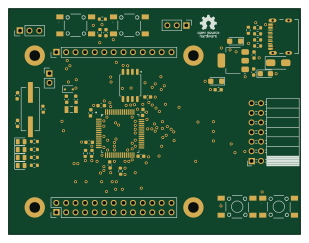 GD32
KiCad-GD32FxxxRx no-PHY
vanvught
77.2 × 59.7 mm48 parts2LMIT2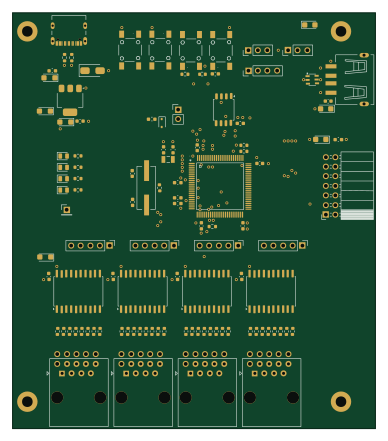 GD32
Kicad-GD32F470VG-Pixel-16
96 × 110.1 mm95 parts2LMIT1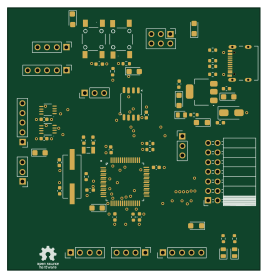 GD32
KiCad-GD32F427RE-LTC-SMPTE-no-PHY
66.6 × 69.3 mm52 parts2LMIT1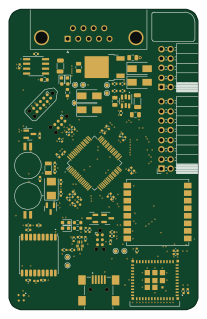 GD32
GD32-Devboard
ConnorRigby
50 × 79.5 mm82 parts4LNo license0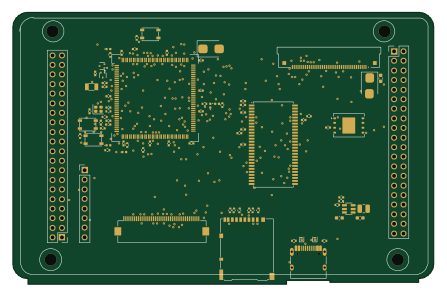 GD32
GD32F450-devboard
AYUSH-pro-grammer
111.5 × 72 mm81 parts4LNo license0 GD32
Tofncan
kaizensparc
20 × 20 mm37 parts4LMIT0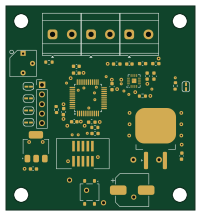 GD32
Squeaker2
JennyDigital
50 × 54 mm31 parts4LNo license0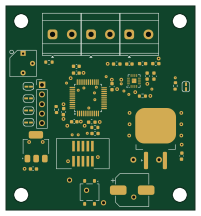 GD32
GD32WavePlayer RTOS
50 × 54 mm31 parts4LNo license0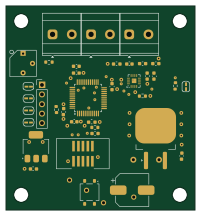 GD32
GD32WavePlayer
50 × 54 mm31 parts4LNo license0
Open source GD32 boards at a glance
The gallery holds 11 open source GD32 boards from 11 GitHub repositories; a typical one measures about 58.3 × 64.5 mm and carries around 52 components.
60% use four copper layers or more, and 36% carry an open source license.
The most starred is Aixun t3a rev by c0d3z3r0.
Parts most used on GD32 boards
What GD32 boards are built for
Open source GD32 boards: common questions
Where can I find open source GD32 boards?
This page lists 11, each read from its KiCad files on GitHub: board size, layers, the full parts list and a render of the PCB, with links to the original repository.
What parts are most common on GD32 boards?
The AMS1117-3.3, GD32, GT-USB-7010ASV, L7805 and LD1117S33TR_SOT223 appear in the most repositories here.
How big is a typical GD32 board?
The median is 58.3 × 64.5 mm, and 40% are two-layer designs.
What is the most popular open source GD32 board?
By GitHub stars, Aixun t3a rev by c0d3z3r0, with 54 stars.
Can I simulate one of these GD32 boards before building it?
Yes. HardLabs turns a board's netlist and BOM into a working simulation, so you can boot and test firmware against it with no hardware on your desk.