
321 open source boards using the RaspberryPi_Pico
Real designs built with the RaspberryPi_Pico, from public GitHub projects: a quick way to see how others power, decouple and connect it. Each board comes with its KiCad files, full parts list and a render — and you can simulate its firmware on HardLabs.
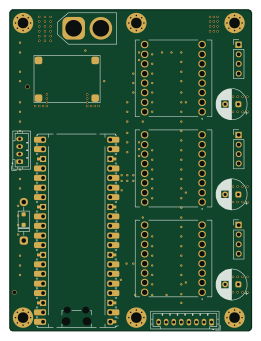 RP2040/RP2350
ControlBoard v1
0x23
64 × 85 mm21 parts2LMIT1.9k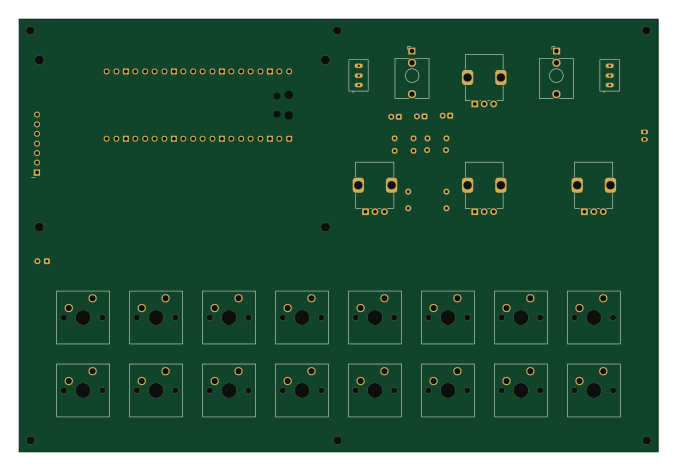 RP2040/RP2350
Acid Synth
lonesoulsurfer
169 × 114.5 mm33 parts2LNo license120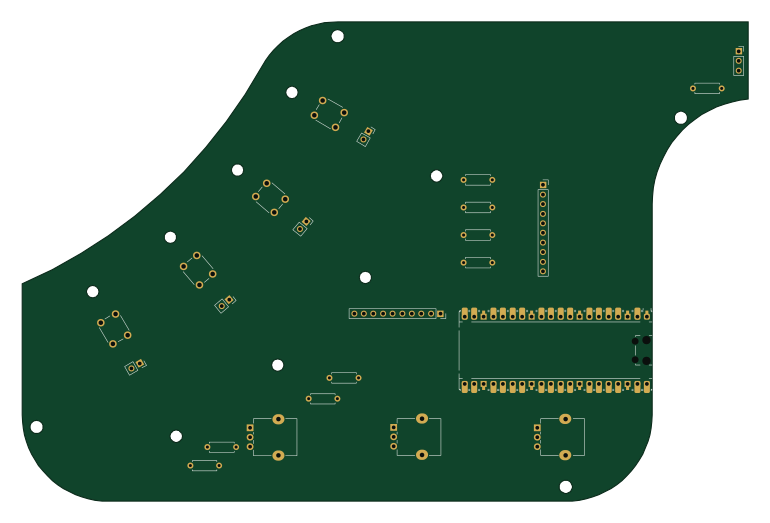 RP2040/RP2350
Stradex1
Bylin-code
192.1 × 126.9 mm24 parts4LNo license101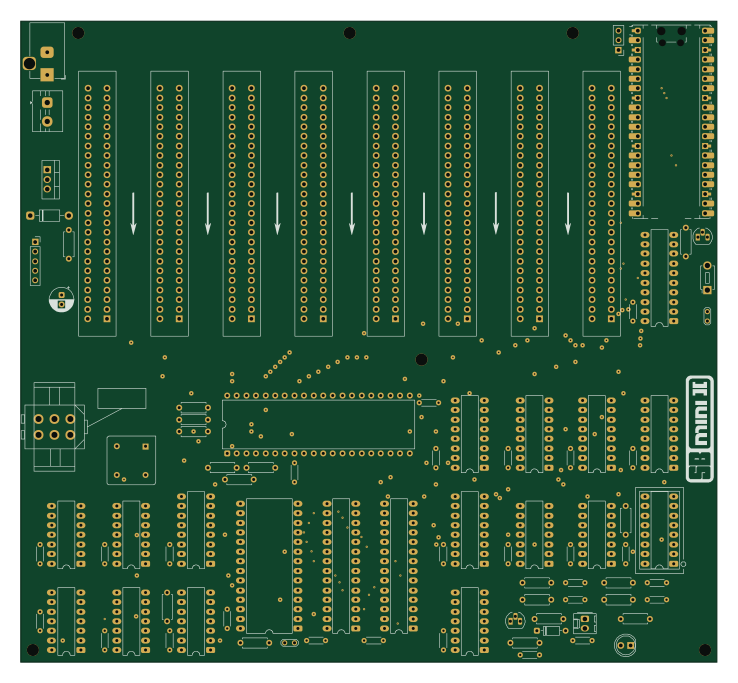 RP2040/RP2350
SB-mini-II
simonboak
184.2 × 169.5 mm91 parts4LMIT74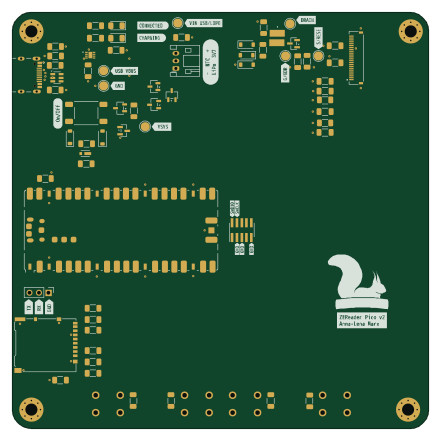 RP2040/RP2350
ZEReader
Allegra42
110 × 110 mm65 parts2LCERN-OHL-S-2.067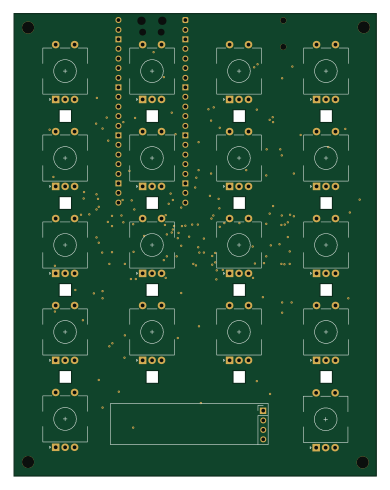 RP2040/RP2350
Twisty-2-MIDIController
rheslip
95.8 × 122.3 mm62 parts2LNo license59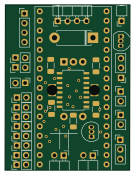 RP2040/RP2350
ThrottleBlaster
scrapcomputing
33.1 × 43.8 mm34 parts2LGPL-2.052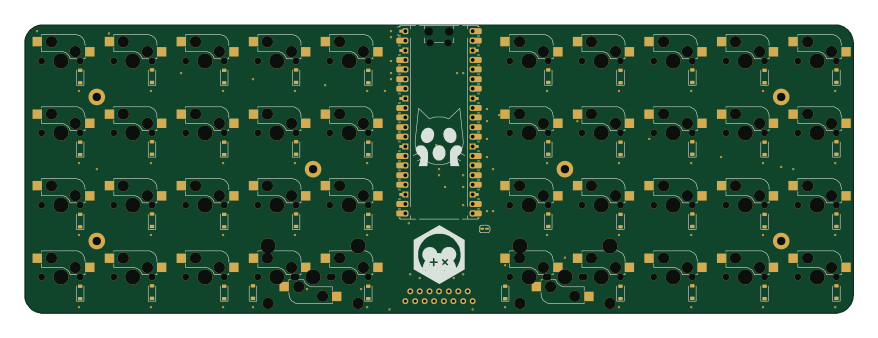 RP2040/RP2350
Loongcat40
ChrisChrisLoLo
219.1 × 76.2 mm86 parts2LGPL-3.040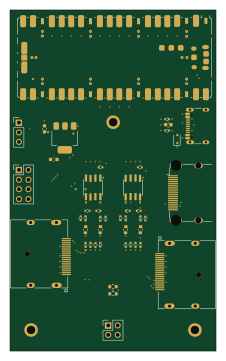 RP2040/RP2350
Hardwareddc aux mitm
TeaRex-coder
54.3 × 90 mm45 parts4LBSD-3-Clause34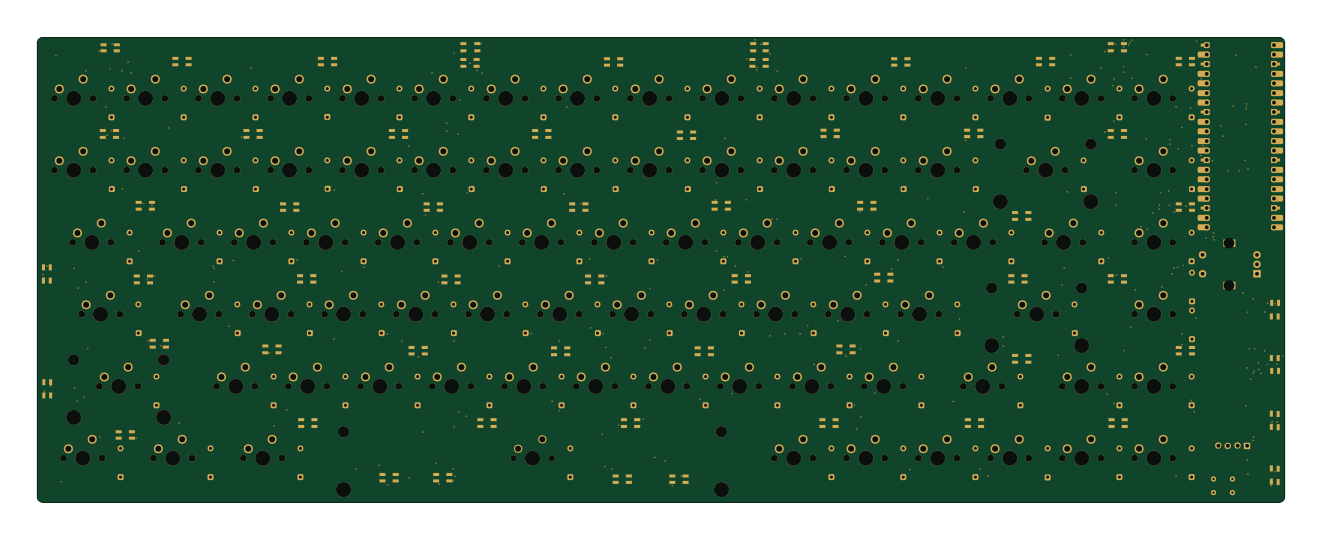 RP2040/RP2350
Riptide
SharKingStudios
330 × 123 mm250 parts2LMIT18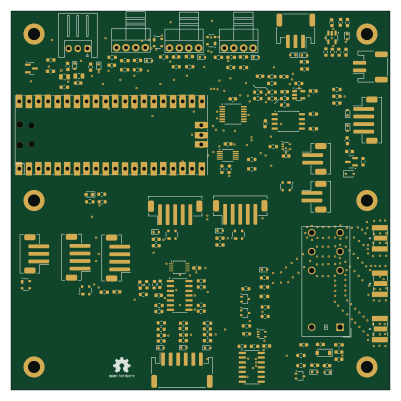 RP2040/RP2350
HF PA Radio Interface
M0LTE
100 × 100 mm180 parts2LNo license15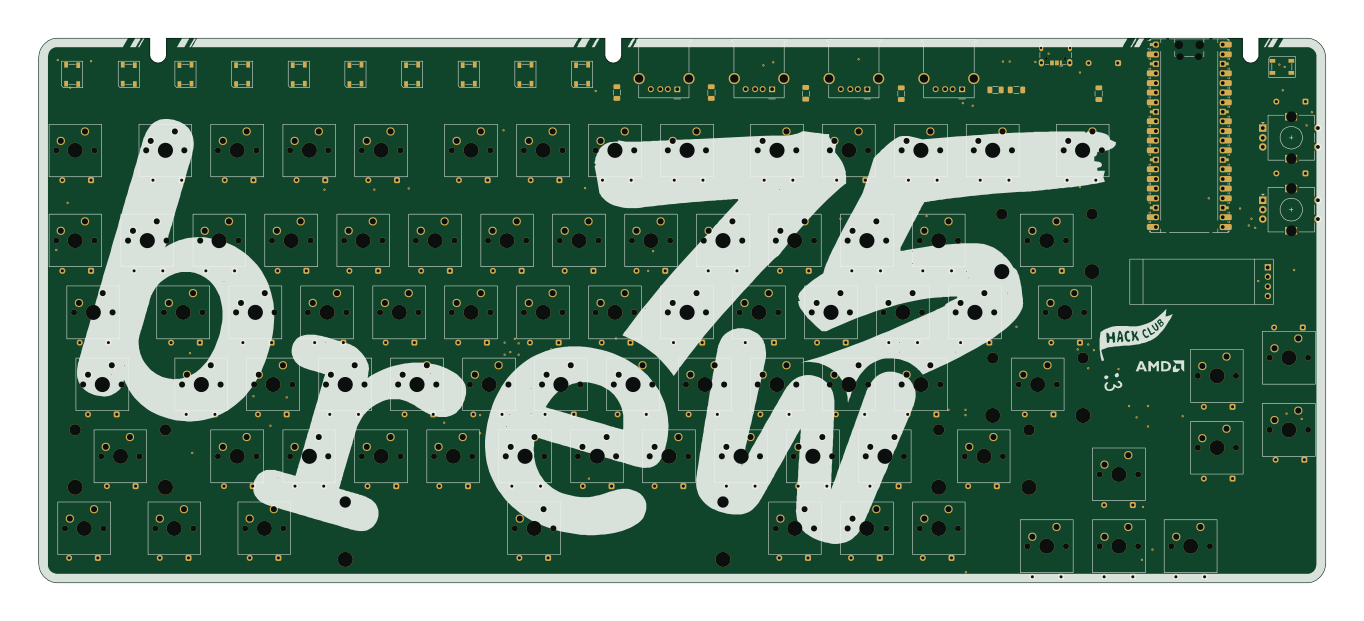 RP2040/RP2350
Brew keeb
geg-tech
340.5 × 144 mm206 parts2LNo license14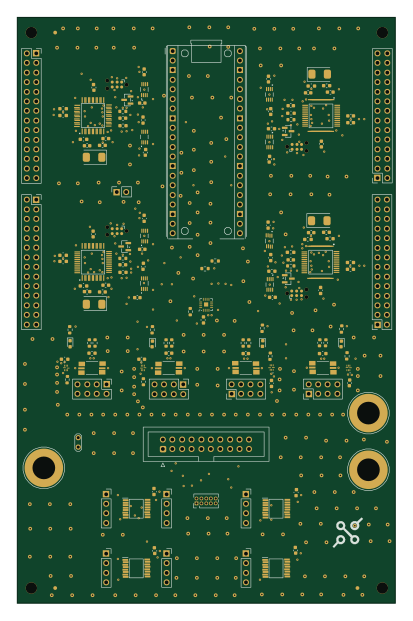 RP2040/RP2350
Dut hub hw
Netlist-Studio
100 × 155 mm147 parts4LCERN-OHL-S-2.011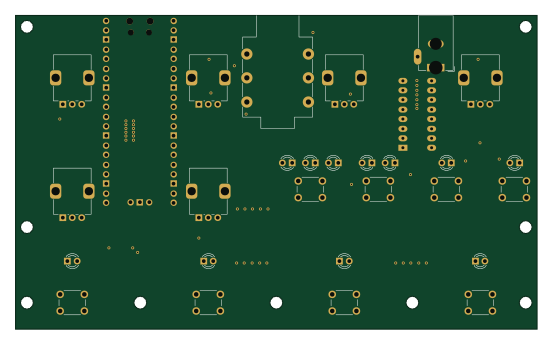 RP2040/RP2350
Dubsiren rp2040
sdrum01
138 × 83 mm81 parts2LNo license11- schematic only · 9 partsRP2040/RP2350
Bionix
Araadh3111
9 partsNo license10 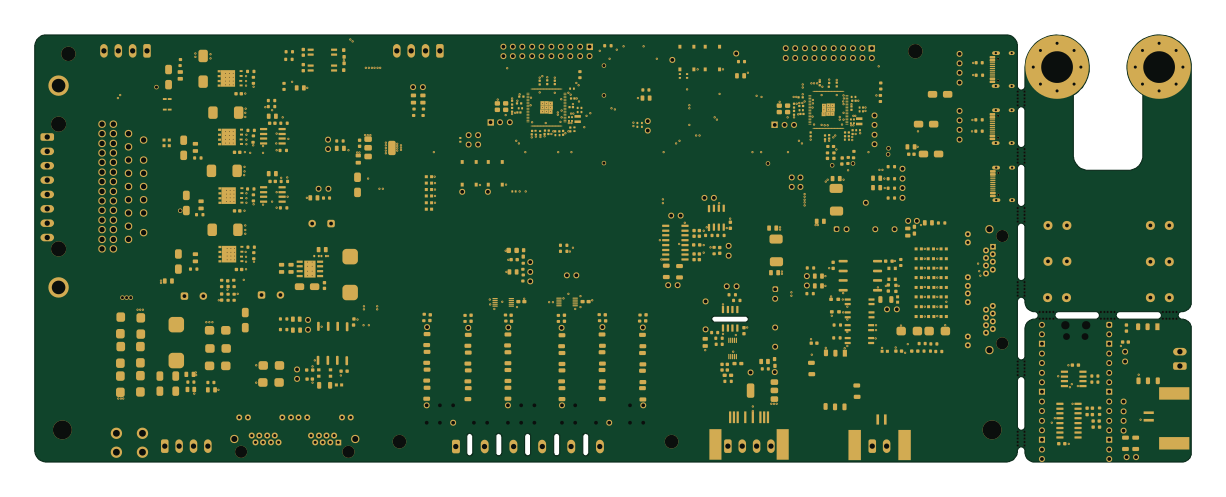 RP2040/RP2350
CellKeeper-BMS
clowrey
306 × 113 mm423 parts4LGPL-3.09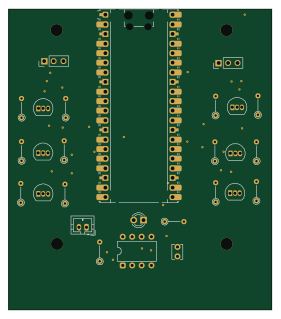 RP2040/RP2350
FIS-Display
Supermagnum
69.6 × 79.5 mm27 parts2LNo license9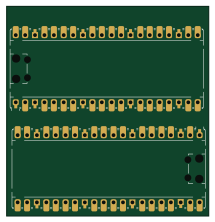 RP2040/RP2350
Raspberry Pi Pico connection board for UVC
hijimasa
53.5 × 55.5 mm2 parts2LMIT7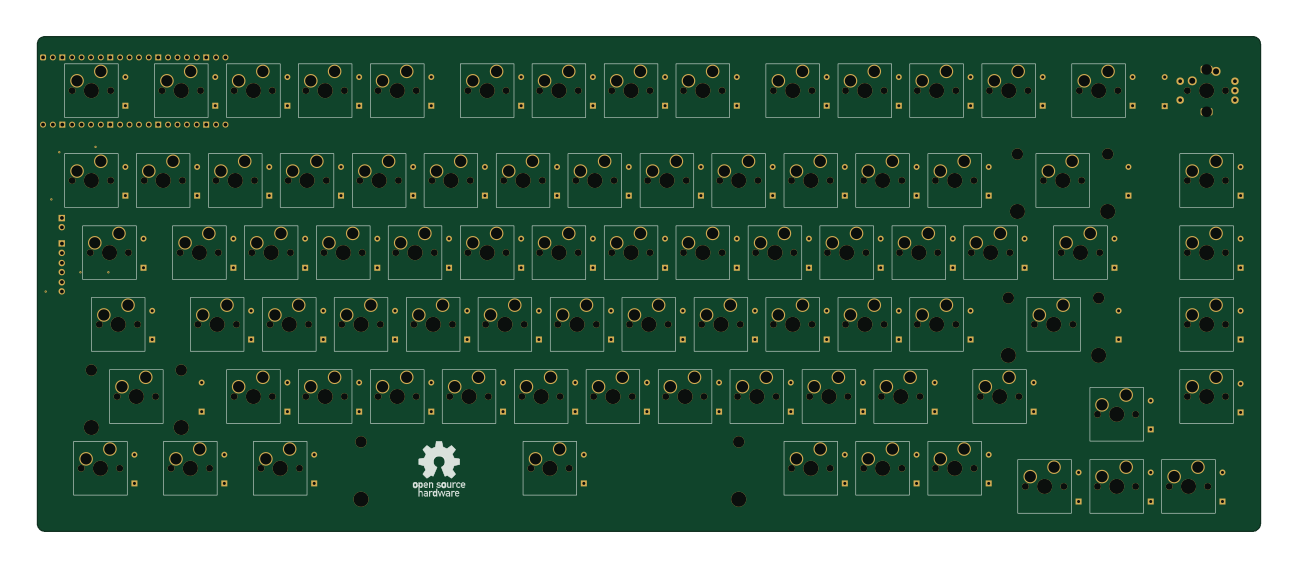 RP2040/RP2350
AnnovaX75
arnav-kr
323.9 × 131 mm169 parts2LAGPL-3.06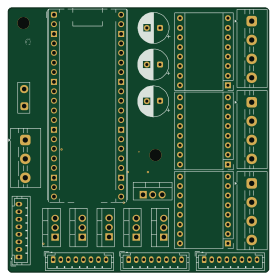 RP2040/RP2350
Supp board
RedBigz
69 × 70 mm21 parts4LNo license6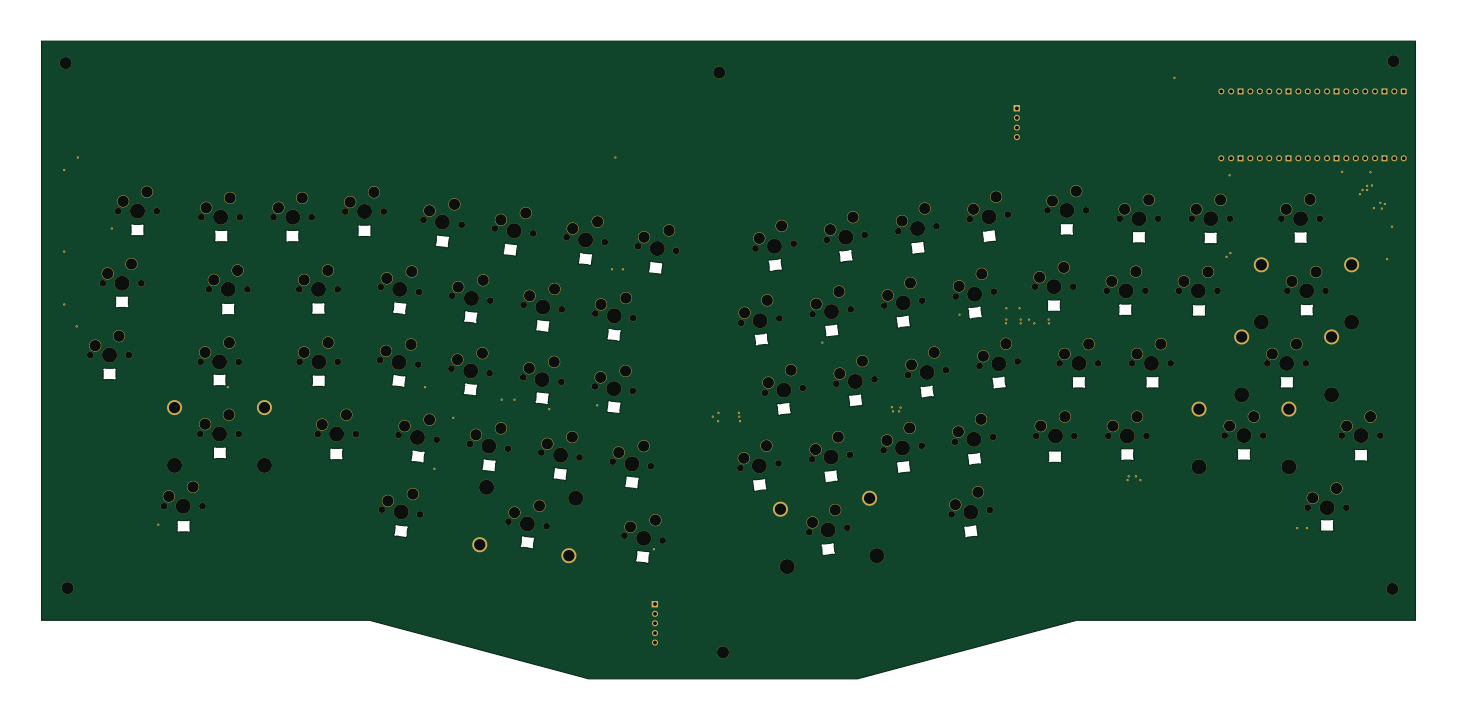 RP2040/RP2350
Rookie-V1-
Creepy-yoke
363.7 × 168.8 mm218 parts2LMIT5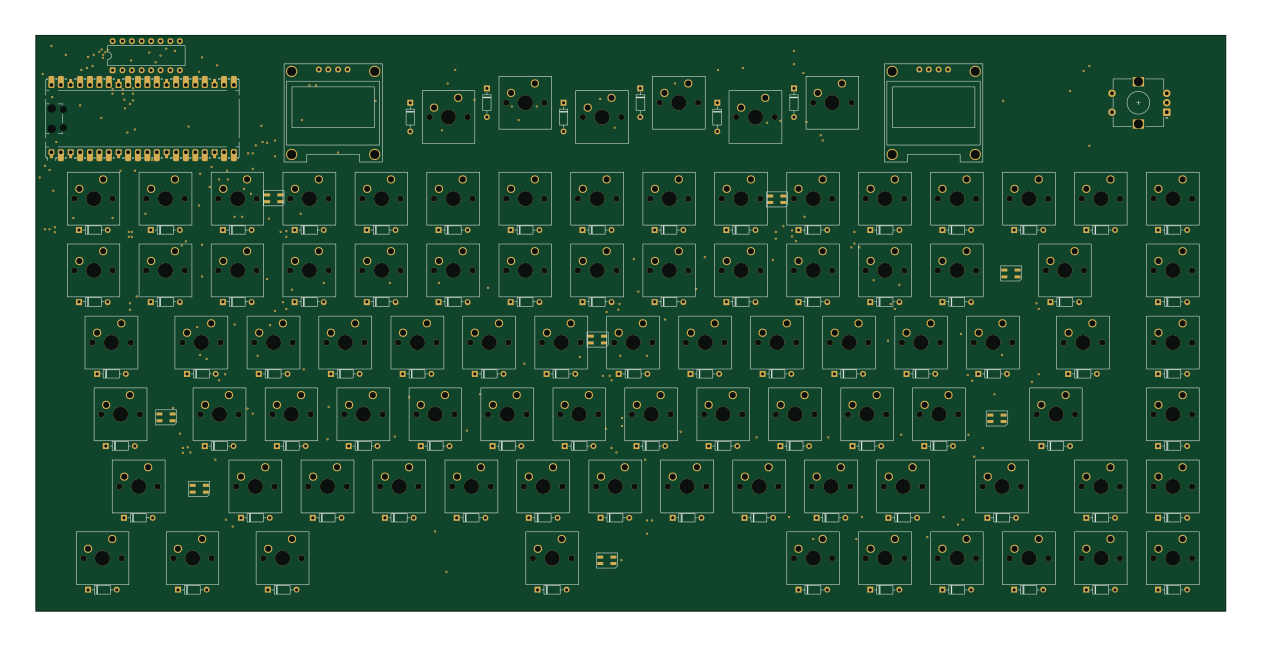 RP2040/RP2350
SnakeBoard
Nadoooor
315 × 152.4 mm193 parts2LMIT5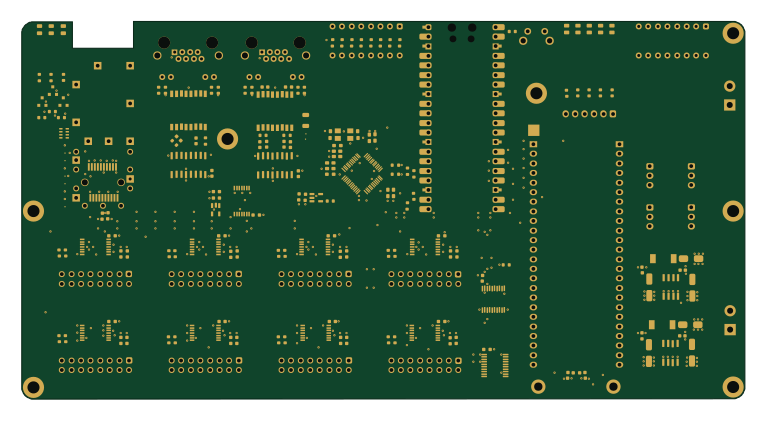 RP2040/RP2350
HyperNet Mainboard
TheStaticTurtle
191.5 × 100 mm175 parts2LMIT5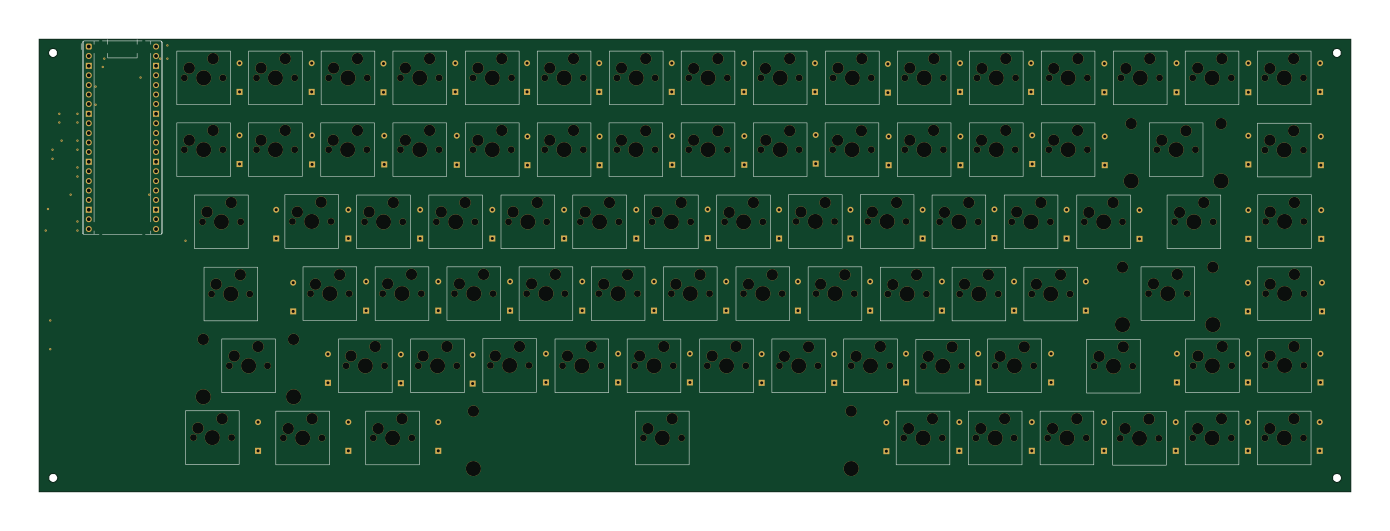 RP2040/RP2350
Keyboard
ayaangrover
347.1 × 119.7 mm169 parts2LNo license5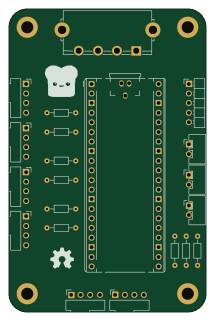 RP2040/RP2350
RP-Pico-Fan-Controller
mietzen
52 × 80 mm20 parts2LMIT5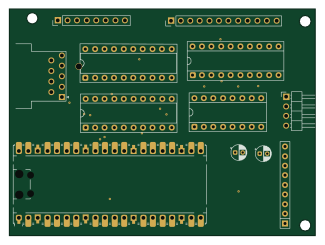 RP2040/RP2350
Pico-Scanned-Keyboard-Matrix-Emulator
stephen-usher
81 × 60 mm17 parts2LCC0-1.05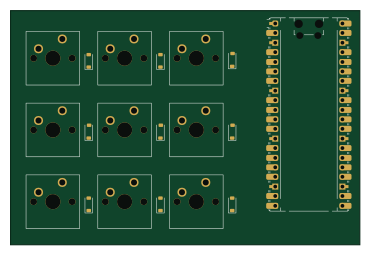 RP2040/RP2350
Keyboard pico
NoamanKhalil
92.5 × 62 mm19 parts2LCC-BY-NC-4.04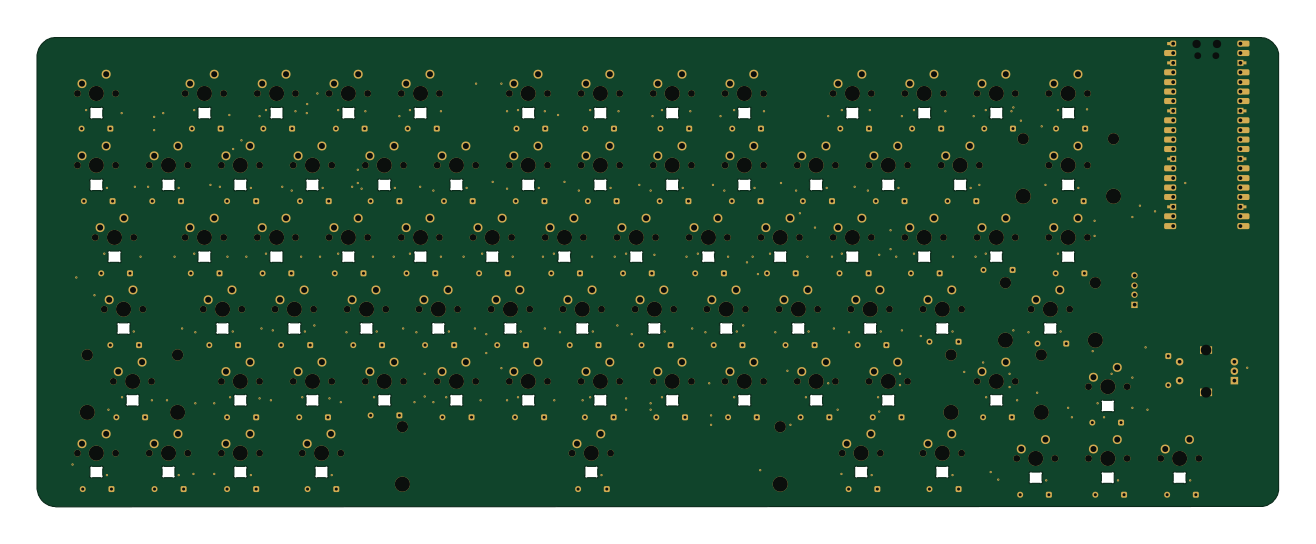 RP2040/RP2350
Beagle
euvalennn
328.6 × 124.2 mm235 parts2LNo license3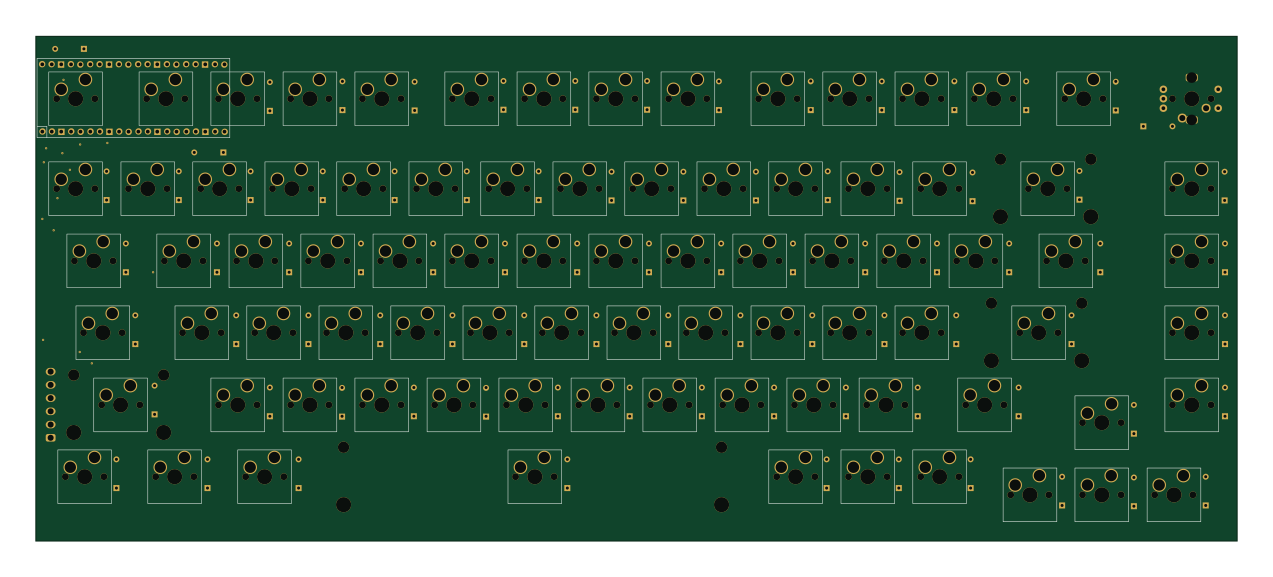 RP2040/RP2350
Seed75
ikrishagarwal
317.8 × 133.5 mm168 parts2LAGPL-3.03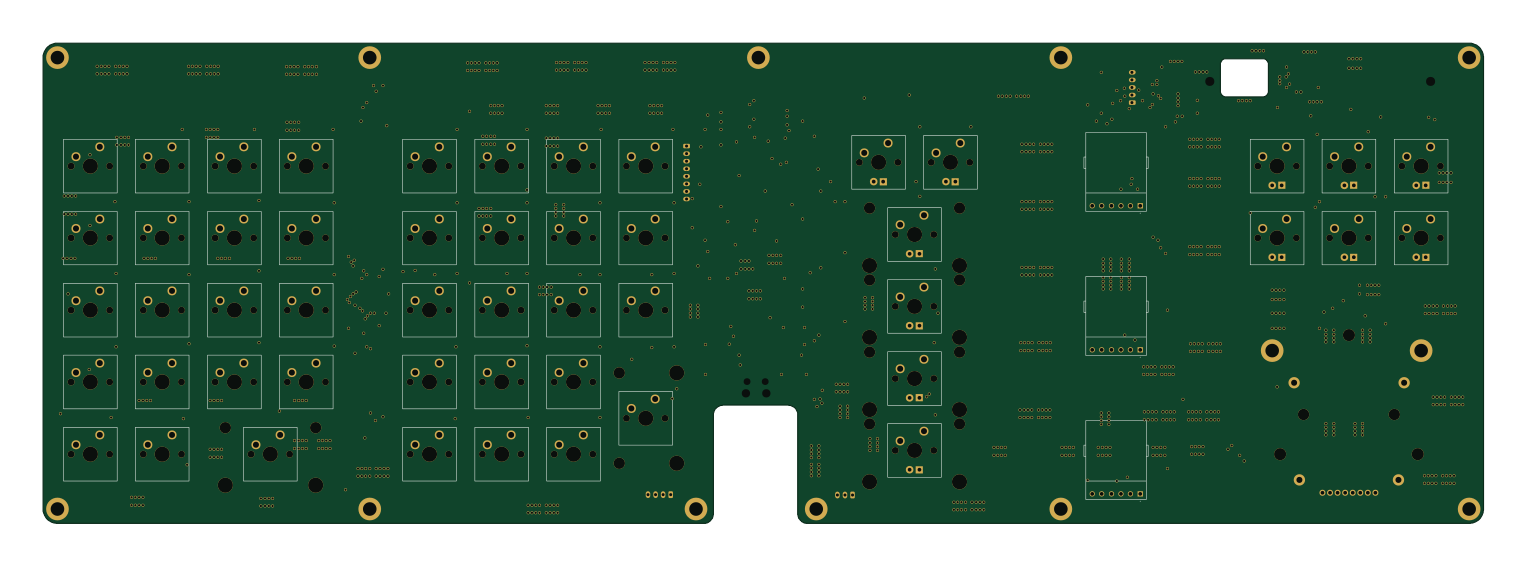 RP2040/RP2350
Cnc hmi
tangentaudio
381 × 127 mm160 parts2LNo license3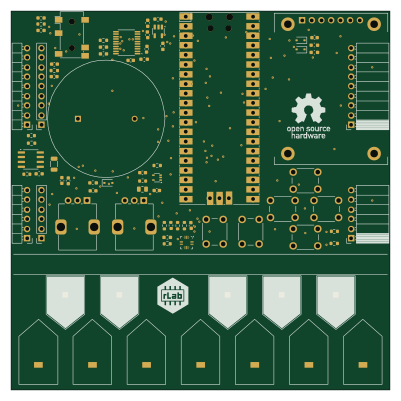 RP2040/RP2350
Project athena
reading-hackspace
100 × 100 mm77 parts2LNo license3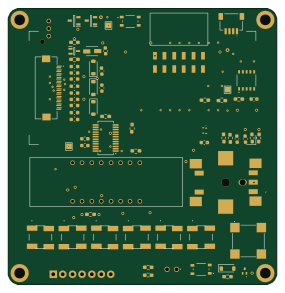 RP2040/RP2350
Alarm
bbokser
71 × 73 mm64 parts2LMIT3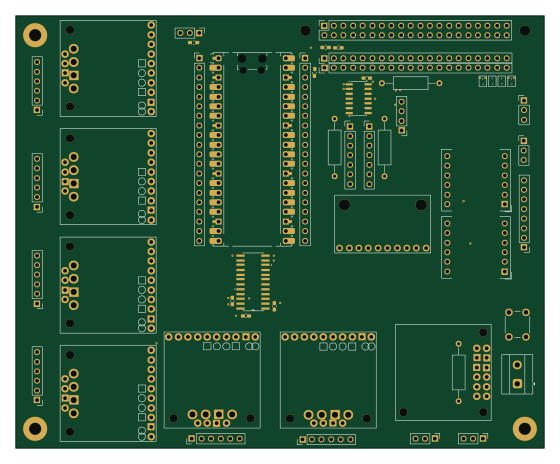 RP2040/RP2350
Hardware-Team-2025-2026
Nikhil-42
139.7 × 114.3 mm47 parts4LNo license3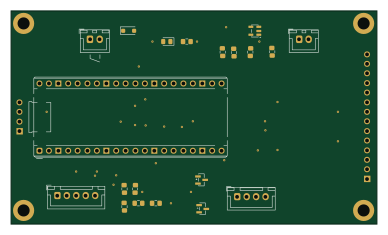 RP2040/RP2350
RP2040 OOK48 LCD
g4eml
96.8 × 56.4 mm22 parts2LGPL-3.03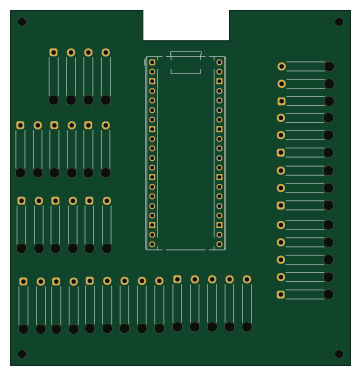 RP2040/RP2350
Rota Pi
AmmarSyamil
90 × 94 mm16 parts2LNo license3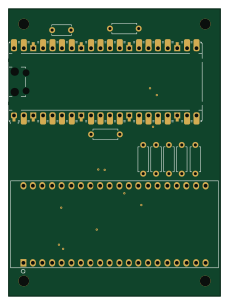 RP2040/RP2350
Tang tiny gpu
fpt
56 × 76 mm10 parts2LSHL-2.13
How designs wire the RaspberryPi_Pico
Read from the KiCad layouts of 284 open source designs, one per repository: what each pin of the RaspberryPi_Pico connects to, and the resistors, capacitors and other passives placed on it.
- The 3V3_EN pin is left unconnected on 263 of 284 designs (3.3V on 13, a signal on 7).
- The ADC_VREF pin is left unconnected on 262 of 284 designs (3.3V on 6, a signal on 16).
- The RUN pin is left unconnected on 252 of 284 designs (a signal on 31).
- The GPIO28_ADC2 pin is left unconnected on 192 of 284 designs (a signal on 92).
| Pin | Connected to | Parts on the pin |
|---|---|---|
| GNDpin 3, 8, 13, 18, 23, 28, 38 | Connected to: GND 84% | — |
| RUNpin 30 | Connected to: Not connected 89% | — |
| AGNDpin 33 | Connected to: Not connected 62% · GND 35% | — |
| GPIO28_ADC2pin 34 | Connected to: Not connected 68% · a signal 32% | — |
| ADC_VREFpin 35 | Connected to: Not connected 92% | — |
| 3V3_ENpin 37 | Connected to: Not connected 93% | — |
| VSYSpin 39 | Connected to: Not connected 67% · 5V 23% | — |
27 more pins vary from design to design. Connections count pins, parts count designs; values in brackets are how many parts had that value. Designs read include ControlBoard v1 by 0x23, Acid Synth by lonesoulsurfer, Lights by QuinnFreedman and Stradex1 by Bylin-code.
The RaspberryPi_Pico in open source designs
The gallery holds 321 open source boards using the RaspberryPi_Pico from 296 GitHub repositories; a typical one measures about 154.8 × 100.5 mm and carries around 69 components.
89% are two-layer designs, the rest use four layers or more, and 33% carry an open source license.
The most starred is ControlBoard v1 by 0x23.
Parts used alongside the RaspberryPi_Pico
Microcontrollers on boards using the RaspberryPi_Pico
What boards using the RaspberryPi_Pico are built for
RaspberryPi_Pico: common questions
Where can I find a RaspberryPi_Pico reference design?
Each of the 321 boards on this page is a real design using the RaspberryPi_Pico. Open one to see how it is wired up, with the full BOM, a render of the layout and links to its KiCad files.
How is the RaspberryPi_Pico 3V3_EN pin connected?
The 3V3_EN pin is left unconnected on 263 of 284 designs (3.3V on 13, a signal on 7). Counted from the KiCad layouts of 284 open source designs using the RaspberryPi_Pico.
How is the RaspberryPi_Pico ADC_VREF pin connected?
The ADC_VREF pin is left unconnected on 262 of 284 designs (3.3V on 6, a signal on 16). Counted from the KiCad layouts of 284 open source designs using the RaspberryPi_Pico.
How is the RaspberryPi_Pico RUN pin connected?
The RUN pin is left unconnected on 252 of 284 designs (a signal on 31). Counted from the KiCad layouts of 284 open source designs using the RaspberryPi_Pico.
What parts are used alongside the RaspberryPi_Pico?
The ER_OLEDM0.91_1x-I2C, 74HC595, AMS1117-3.3, 74AHCT125 and LM7805_TO220 appear in the most repositories here.
Which microcontrollers do boards using the RaspberryPi_Pico use?
Most are built on RP2040/RP2350 (321).
How big is a typical board using the RaspberryPi_Pico?
The median is 154.8 × 100.5 mm, and 89% are two-layer designs.
What is the most popular open source board using the RaspberryPi_Pico?
By GitHub stars, ControlBoard v1 by 0x23, with 1,850 stars.
Can I simulate one of these boards using the RaspberryPi_Pico before building it?
Yes. HardLabs turns a board's netlist and BOM into a working simulation, so you can boot and test firmware against it with no hardware on your desk.