
316 open source boards using the TP4056
Real designs built with the TP4056, from public GitHub projects: a quick way to see how others power, decouple and connect it. Each board comes with its KiCad files, full parts list and a render — and you can simulate its firmware on HardLabs.
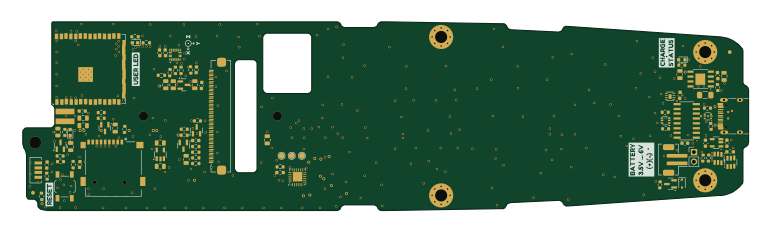 ESP32
Omote
OMOTE-Community
192.4 × 50 mm135 parts2LGPL-3.0153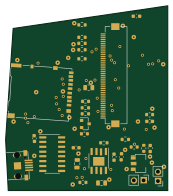 ESP32
Esppdp
Spritetm
43 × 49 mm55 parts4LNo license139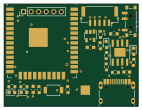 ESP32
Wifiaudio tx hardware
BearLaboratory
35.4 × 27 mm29 parts2LGPL-3.0110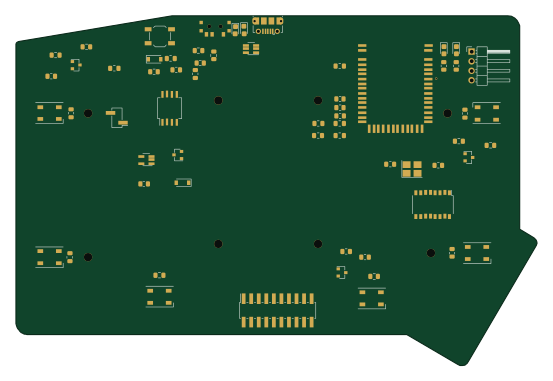
ErgoTravel
jpconstantineau
137.9 × 92.7 mm63 parts2LBSD-3-Clause100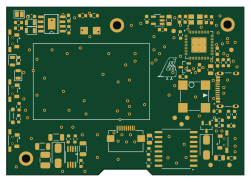 ESP32
DRM Watch v3
drfailov
62.7 × 44.5 mm68 parts2LGPL-3.091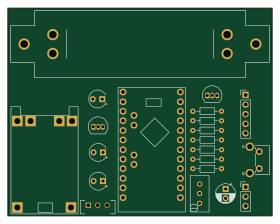 AVR/Arduino
Arduino aprs tracker
billygr
70 × 55 mm21 parts2LNo license75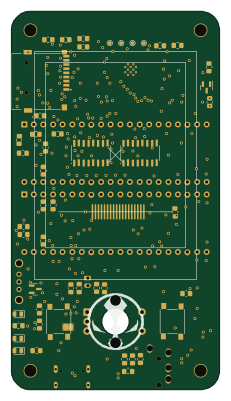 ESP32
ESP32AY-revD2
djspawnbrest
55 × 100 mm127 parts2LGPL-3.059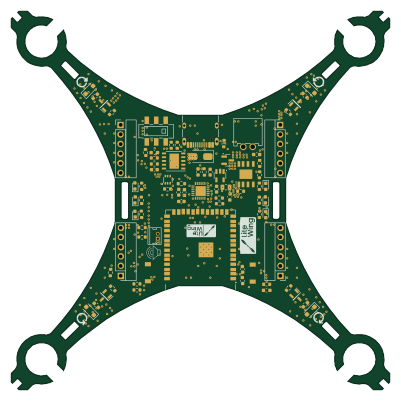 ESP32
LiteWingV2.5C
jobitjoseph
100 × 100 mm76 parts2LCC-BY-NC-4.054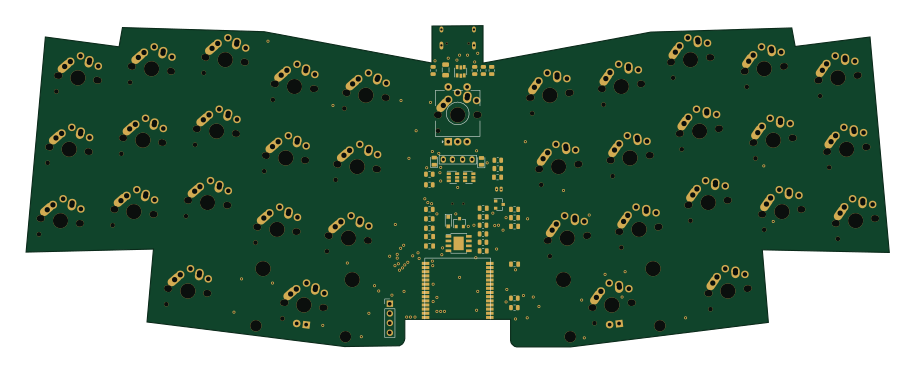
Le chiff ble
MangoIV
228.4 × 85 mm114 parts2LGPL-3.052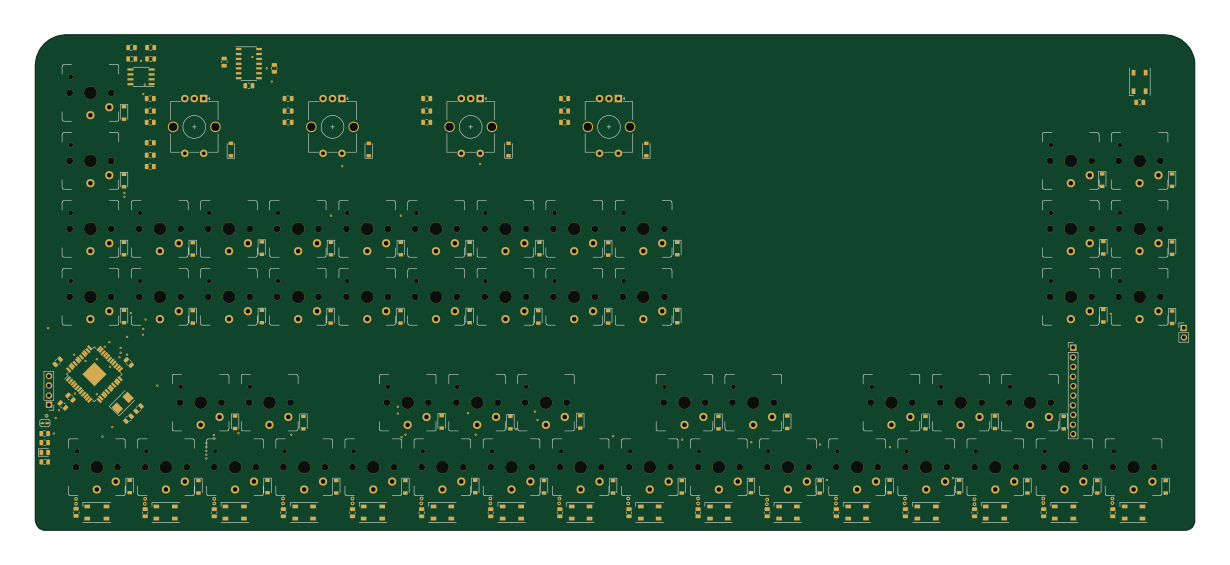 AVR/Arduino
OTTOtact
cester-ino
307 × 131.2 mm224 parts2LGPL-3.049- schematic only · 80 partsAVR/Arduino
ATS-20
Emmemad
80 partsNo license43  ESP32
Tiny slime
gorbit99
40 × 40 mm12 parts2LMIT41 ESP32
Sonatino
luminationlabs
65 × 30 mm117 parts4LCERN-OHL-P-2.039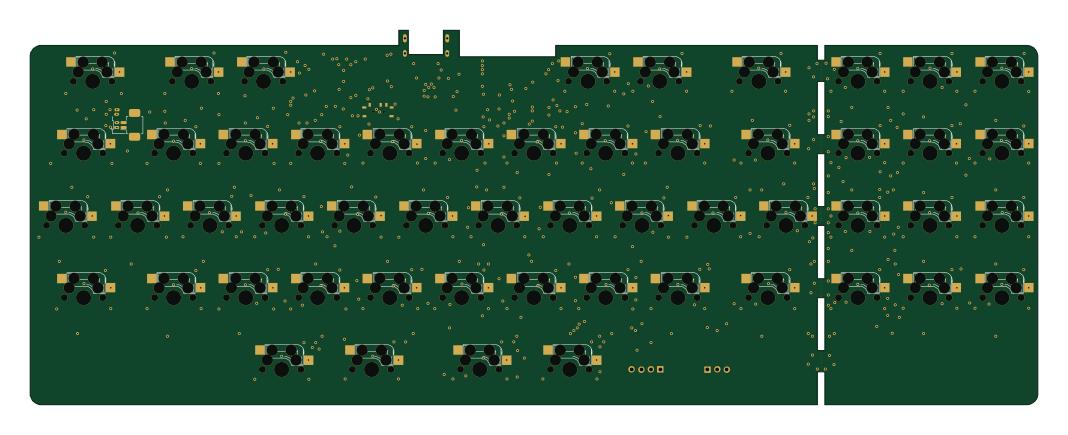
KlackerBS
weteor
266.5 × 99 mm149 parts2LCERN-OHL-P-2.028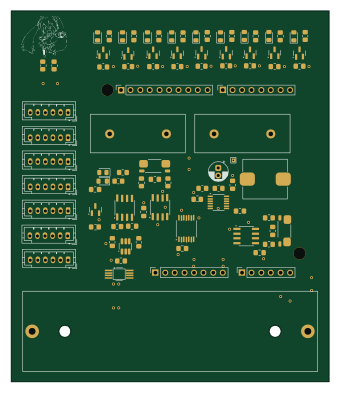
Joule Chief
fishPointer
84 × 98 mm90 parts2LMIT25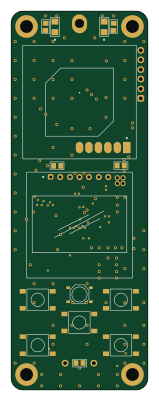 STM32
Eleph
FeruzTopalov
36 × 100 mm55 parts2LGPL-3.024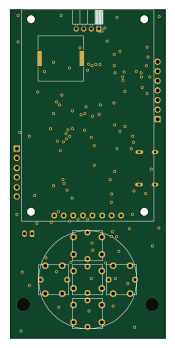 ESP32
Dif pressure meter
ardiloot
41 × 87 mm66 parts2LMIT23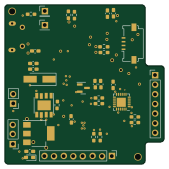
ESP32C3 Watch
k-ying
42 × 42 mm53 parts2LNo license23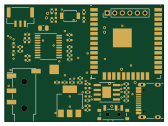 ESP32
Wifiaudio rx hardware
42 × 30.8 mm52 parts2LGPL-3.020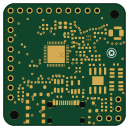 ESP32
Tuxmini v03
tux-friend
32 × 32 mm78 parts2LGPL-3.018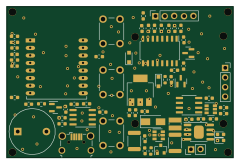 ESP8266
Forcegauge
szbeni
60 × 40 mm69 parts2LGPL-3.018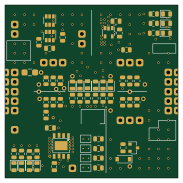
Lipo stamp proto
jamesmunns
45.7 × 45.7 mm94 parts4LNo license17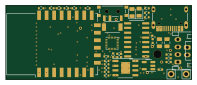 ESP8266
FineMotion-5
Kamilake
49.3 × 19.7 mm40 parts2LCERN-OHL-P-2.016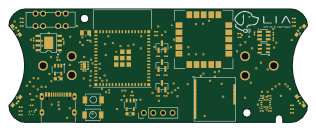 ESP32
LIA
JGAguado
79 × 30 mm66 parts2LCC-BY-NC-4.015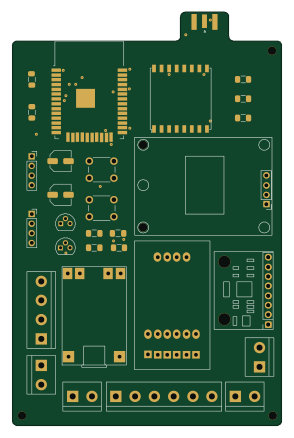 ESP32
Lora node esp32 smd GPS
Christophe45
71.1 × 109.2 mm32 parts2LNo license14
Badge Bugcon 2025
ElectronicCats
3.8 × 3.7 mm160 parts2LNo license9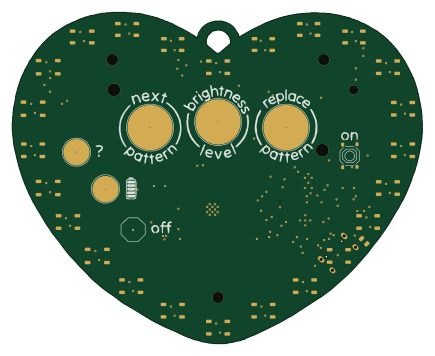 ESP32
Blinky badge light
rowr111
108.6 × 87.8 mm105 parts4LMIT9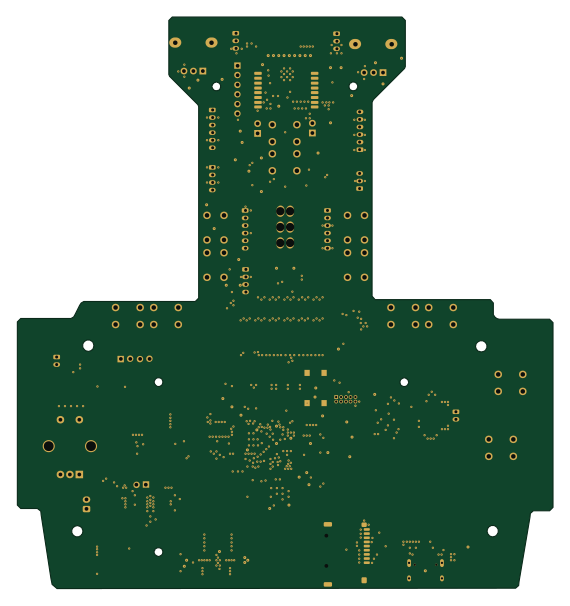 ESP32
RadioNoob
EIectron
141.8 × 151.4 mm181 parts2LNo license8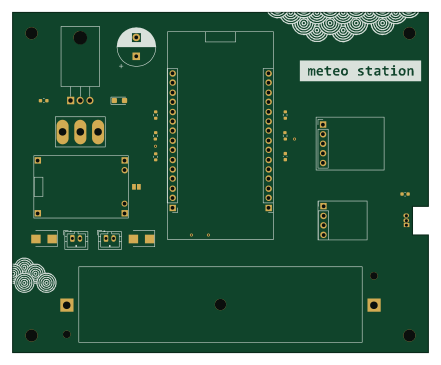 ESP32
Meteo station
alicjamusial
110 × 90 mm23 parts2LCC-BY-SA-4.08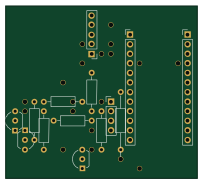
Arduino gps tracker
megasaturnv
50.8 × 45.7 mm16 parts2LGPL-3.08 AVR/Arduino
Board attiny2313a
SamantazFox
20.1 × 20 mm15 parts2LBSD-3-Clause8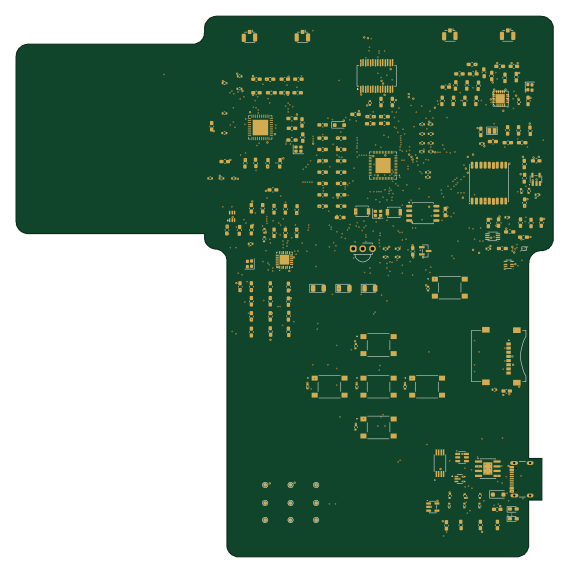 ESP32
Black-Flipper
Broccoliux
142.1 × 143 mm206 parts4LNo license7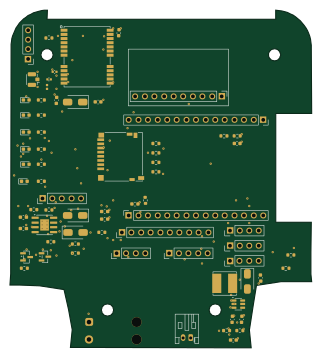
Kicad sailframes b1
sailframes
79.8 × 89.3 mm71 parts2LApache-2.07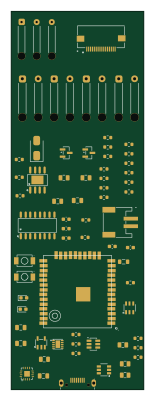 ESP32
WalkieTalkie
GuzziFlipFlops
35 × 100 mm66 parts2LMIT7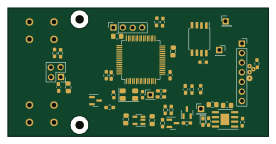 STM32
Thermal camera
fedetft
69 × 34 mm50 parts2LNo license7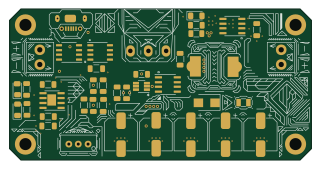
BatteryBoost
stasiselectronics
80 × 40 mm40 parts2LCERN-OHL-S-2.07
How designs wire the TP4056
Read from the KiCad layouts of 212 open source designs, one per repository: what each pin of the TP4056 connects to, and the resistors, capacitors and other passives placed on it.
- The PROG pin has a resistor to GND on 154 of 211 designs, most often 1.2 kΩ (then 2 kΩ).
- The TEMP pin is tied to GND on 149 of 212 designs (not connected on 24, 5V on 11, a signal on 28).
- The BAT pin has a decoupling capacitor on 118 of 208 designs, most often 10 µF (then 100 nF).
- The CHRG pin has a series resistor on 100 of 184 designs, most often 1 kΩ (then 10 kΩ).
| Pin | Connected to | Parts on the pin |
|---|---|---|
| TEMPpin 1 | Connected to: GND 70% | — |
| PROGpin 2 | Connected to: Signal 87% |
|
| GNDpin 3 | Connected to: GND 80% · a signal 15% | — |
| VCCpin 4 | Connected to: VBUS 49% · a signal 44% |
|
| BATpin 5 | Connected to: BATT 57% · a signal 41% |
|
| STDBYpin 6 | Connected to: Signal 73% · not connected 19% |
|
| CHRGpin 7 | Connected to: Signal 89% |
|
| EPpin 9 | Connected to: GND 64% · not connected 27% | — |
1 more pin varies from design to design. Connections count pins, parts count designs; values in brackets are how many parts had that value. Designs read include Omote by OMOTE-Community, Esppdp by Spritetm, Wifiaudio tx hardware by BearLaboratory and EByte E73 by jpconstantineau.
The TP4056 in open source designs
The gallery holds 316 open source boards using the TP4056 from 234 GitHub repositories; a typical one measures about 70 × 58.3 mm and carries around 63 components.
77% are two-layer designs, the rest use four layers or more, and 34% carry an open source license.
The most starred is Omote by OMOTE-Community.
Parts used alongside the TP4056
Microcontrollers on boards using the TP4056
What boards using the TP4056 are built for
TP4056: common questions
Where can I find a TP4056 reference design?
Each of the 316 boards on this page is a real design using the TP4056. Open one to see how it is wired up, with the full BOM, a render of the layout and links to its KiCad files.
What resistor goes on the TP4056 PROG pin?
The PROG pin has a resistor to GND on 154 of 211 designs, most often 1.2 kΩ (then 2 kΩ). Counted from the KiCad layouts of 212 open source designs using the TP4056.
How is the TP4056 TEMP pin connected?
The TEMP pin is tied to GND on 149 of 212 designs (not connected on 24, 5V on 11, a signal on 28). Counted from the KiCad layouts of 212 open source designs using the TP4056.
What decoupling capacitors do designs use on the TP4056 BAT pin?
The BAT pin has a decoupling capacitor on 118 of 208 designs, most often 10 µF (then 100 nF). Counted from the KiCad layouts of 212 open source designs using the TP4056.
What parts are used alongside the TP4056?
The DW01A, MT3608, AP2112K-3.3, AMS1117-3.3 and MPU-6050 appear in the most repositories here.
Which microcontrollers do boards using the TP4056 use?
Most are built on ESP32 (164), STM32 (25), AVR/Arduino (24) and RP2040/RP2350 (11).
How big is a typical board using the TP4056?
The median is 70 × 58.3 mm, and 77% are two-layer designs.
What is the most popular open source board using the TP4056?
By GitHub stars, Omote by OMOTE-Community, with 153 stars.
Can I simulate one of these boards using the TP4056 before building it?
Yes. HardLabs turns a board's netlist and BOM into a working simulation, so you can boot and test firmware against it with no hardware on your desk.