
11 open source boards using the BQ25792RQMR
Real designs built with the BQ25792RQMR, from public GitHub projects: a quick way to see how others power, decouple and connect it. Each board comes with its KiCad files, full parts list and a render — and you can simulate its firmware on HardLabs.
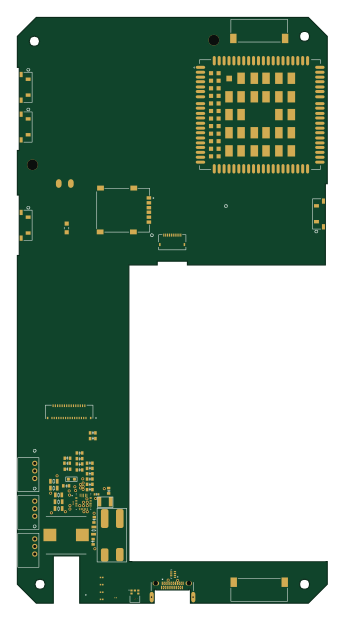 Raspberry Pi
SPIRIT
SPIRIT-org
82 × 155 mm130 parts6LCERN-OHL-S-2.01.3k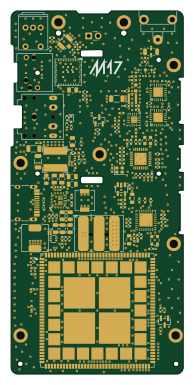 AVR/Arduino
LinHT
M17-Project
45.5 × 96 mm202 parts6LCC-BY-NC-4.0218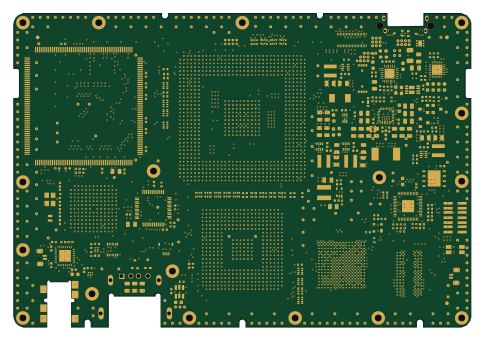 RP2040/RP2350
PS2 AIO Mainboard
tschicki
121 × 83 mm568 parts6LMIT202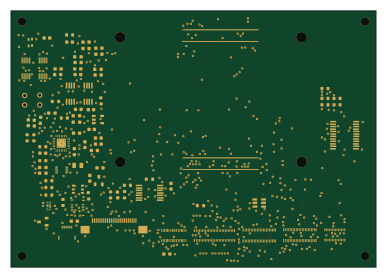 ESP32
Slate113-mk1
xeno3dev
96.7 × 67.8 mm609 parts8LCC-BY-NC-4.02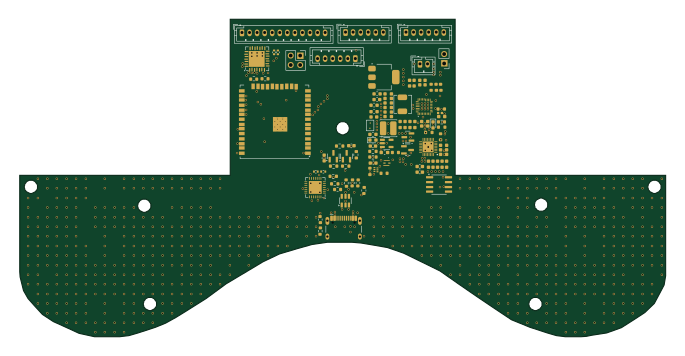 ESP32
Pilot 6 axis
X-Lemon-X
171 × 83.9 mm125 parts2LMIT2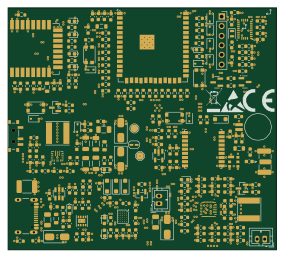 ESP32
UWB Module ESP IDF
victorstoica114
71 × 64 mm248 parts4LNo license1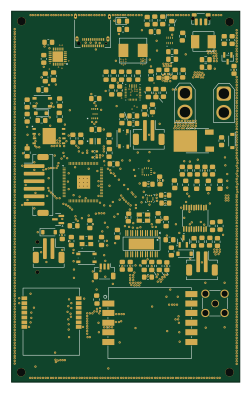 RP2040/RP2350
Drone
WiktorKociuba
60.4 × 98.3 mm201 parts6LNo license0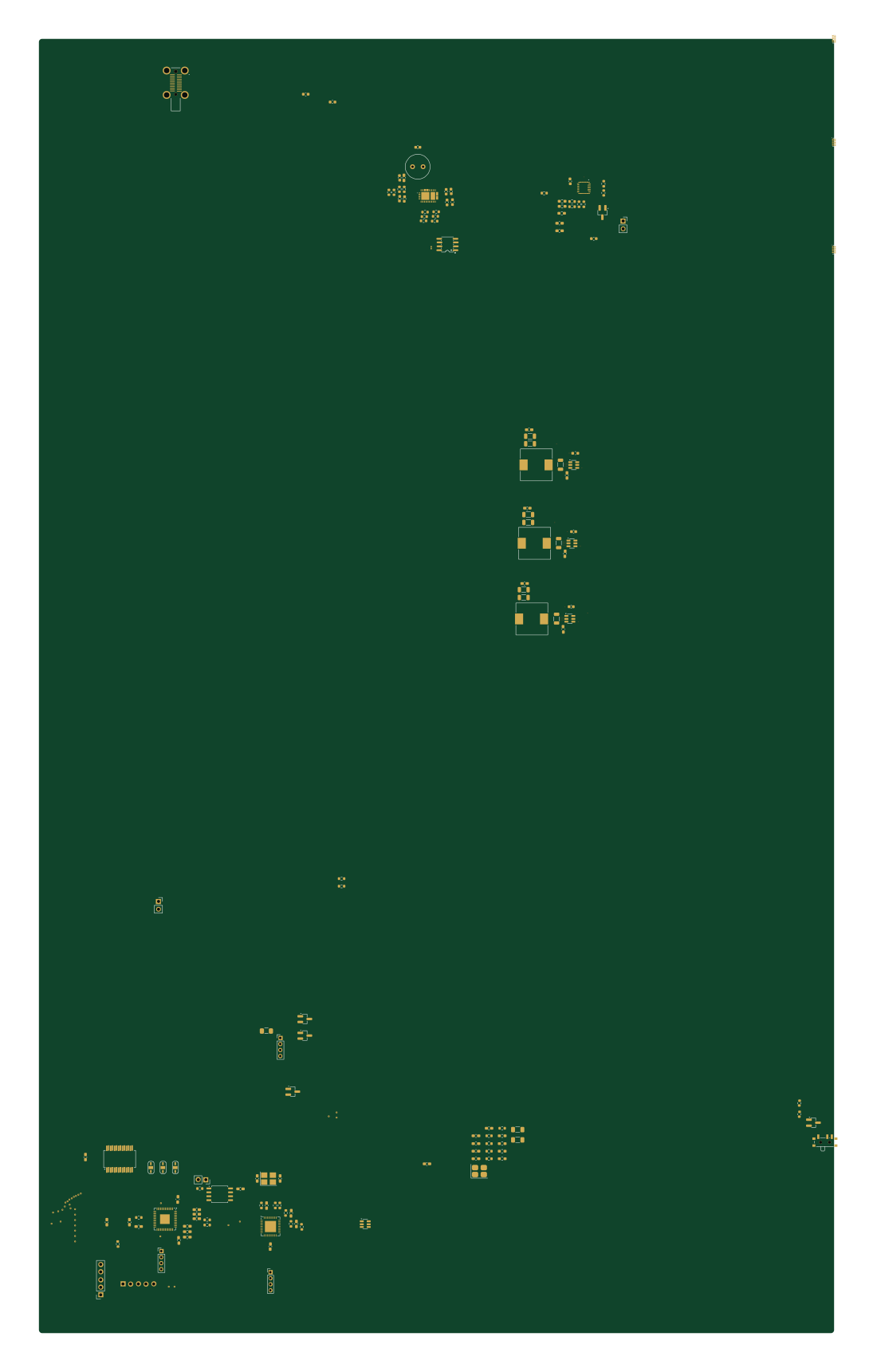 RP2040/RP2350
X1-palmrest to keyboard
wozniak-works
263.9 × 429.3 mm177 parts2LNo license0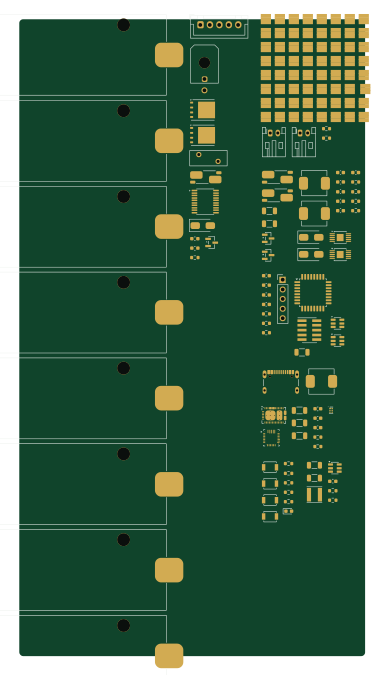 STM32
Red light panel
Lucas-Poulos
91.5 × 168.5 mm153 parts2LCERN-OHL-P-2.00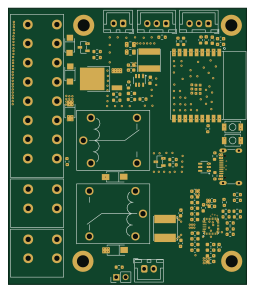 ESP32
Embedded projects
dashonigkuchen
63 × 73.2 mm85 parts6LMIT0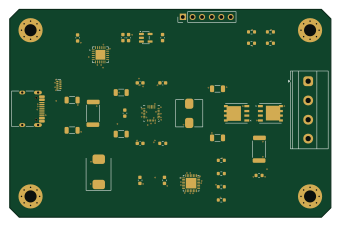
-Smart-Multi-Cell-BMS-USB-C-Power-Delivery-Hub-2S-3S-45W-65W-
8aChristian
85 × 55 mm38 parts4LMIT0
How designs wire the BQ25792RQMR
Read from the KiCad layouts of 10 open source designs, one per repository: what each pin of the BQ25792RQMR connects to, and the resistors, capacitors and other passives placed on it.
- The BTST1 pin has a series capacitor on 9 of 10 designs, most often 47 nF.
- The REGN pin has a series resistor on 9 of 10 designs, most often 5.23 kΩ (then 127 kΩ).
- The REGN pin has a capacitor to GND on 9 of 10 designs, most often 4.7 µF (then 10 µF).
- The BTST2 pin has a series capacitor on 9 of 10 designs, most often 47 nF.
| Pin | Connected to | Parts on the pin |
|---|---|---|
| VBUSpin 2 | Connected to: VBUS 60% · a signal 40% |
|
| VBUS_3pin 3 | Connected to: VBUS 60% · a signal 20% |
|
| BTST1pin 4 | Connected to: Signal 100% |
|
| REGNpin 5 | Connected to: Signal 100% |
|
| D+pin 6 | Connected to: Not connected 70% · a signal 30% | — |
| D-pin 7 | Connected to: Not connected 60% · a signal 30% | — |
| VAC2pin 8 | Connected to: VBUS 50% · a signal 40% |
|
| VAC1pin 9 | Connected to: VBUS 50% · a signal 40% |
|
| ACDRV2pin 10 | Connected to: GND 80% | — |
| ACDRV1pin 11 | Connected to: GND 80% | — |
| SCLpin 14 | Connected to: The microcontroller 30% |
|
| SDApin 15 | Connected to: The microcontroller 30% |
|
| TSpin 16 | Connected to: A connector 60% |
|
| ILIM_HIZpin 17 | Connected to: Signal 100% |
|
| BATPpin 18 | Connected to: Signal 80% |
|
| BTST2pin 19 | Connected to: Signal 100% |
|
| PROGpin 20 | Connected to: Signal 100% |
|
| INTpin 21 | Connected to: Signal 80% |
|
| BATpin 22 | Connected to: VBAT 70% · a signal 20% |
|
| BAT_23pin 23 | Connected to: VBAT 80% · a signal 20% |
|
| SDRVpin 24 | Connected to: Signal 100% |
|
| SYSpin 25 | Connected to: Signal 60% · VSYS 40% |
|
| SW2pin 26 | Connected to: Signal 90% |
|
| GNDpin 27 | Connected to: GND 100% | — |
| SW1pin 28 | Connected to: Signal 90% |
|
| PMIDpin 29 | Connected to: Signal 90% |
|
| VAC1_2pin 31 | Connected to: 5V 67% · a signal 33% |
|
| TS_2pin 32 | Connected to: A connector 67% |
|
| SDRV_2pin 33 | Connected to: Signal 100% |
|
4 more pins vary from design to design. Connections count pins, parts count designs; values in brackets are how many parts had that value. Designs read include SPIRIT by SPIRIT-org, LinHT by M17-Project, PS2 AIO Mainboard by tschicki and Pilot 6 axis by X-Lemon-X.
The BQ25792RQMR in open source designs
The gallery holds 11 open source boards using the BQ25792RQMR from 11 GitHub repositories; a typical one measures about 85 × 83.9 mm and carries around 177 components.
73% use four copper layers or more, and 55% carry an open source license.
The most starred is SPIRIT by SPIRIT-org.
Parts used alongside the BQ25792RQMR
Microcontrollers on boards using the BQ25792RQMR
What boards using the BQ25792RQMR are built for
BQ25792RQMR: common questions
Where can I find a BQ25792RQMR reference design?
Each of the 11 boards on this page is a real design using the BQ25792RQMR. Open one to see how it is wired up, with the full BOM, a render of the layout and links to its KiCad files.
How is the BQ25792RQMR BTST1 pin connected?
The BTST1 pin has a series capacitor on 9 of 10 designs, most often 47 nF. Counted from the KiCad layouts of 10 open source designs using the BQ25792RQMR.
What resistor goes on the BQ25792RQMR REGN pin?
The REGN pin has a series resistor on 9 of 10 designs, most often 5.23 kΩ (then 127 kΩ). Counted from the KiCad layouts of 10 open source designs using the BQ25792RQMR.
How is the BQ25792RQMR BTST2 pin connected?
The BTST2 pin has a series capacitor on 9 of 10 designs, most often 47 nF. Counted from the KiCad layouts of 10 open source designs using the BQ25792RQMR.
What parts are used alongside the BQ25792RQMR?
The STUSB4500QTR, AP2112K-3.3TRG1, RP2040, TPS25751DREFR and USBLC6-2SC6 appear in the most repositories here.
Which microcontrollers do boards using the BQ25792RQMR use?
Most are built on ESP32 (4), RP2040/RP2350 (3), AVR/Arduino (1) and Raspberry Pi (1).
How big is a typical board using the BQ25792RQMR?
The median is 85 × 83.9 mm, and 27% are two-layer designs.
What is the most popular open source board using the BQ25792RQMR?
By GitHub stars, SPIRIT by SPIRIT-org, with 1,310 stars.
Can I simulate one of these boards using the BQ25792RQMR before building it?
Yes. HardLabs turns a board's netlist and BOM into a working simulation, so you can boot and test firmware against it with no hardware on your desk.