
15 open source boards using the SY6280
Real designs built with the SY6280, from public GitHub projects: a quick way to see how others power, decouple and connect it. Each board comes with its KiCad files, full parts list and a render — and you can simulate its firmware on HardLabs.
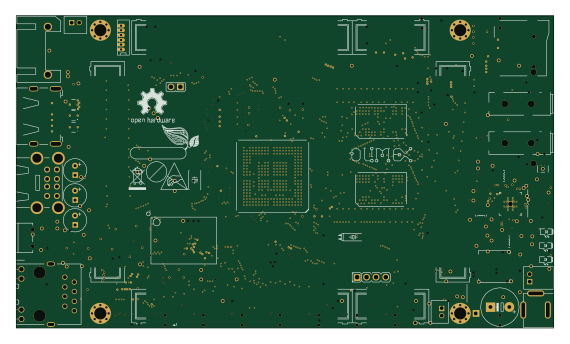
A10-A20-OLINUXINO-MICRO-4GB Rev D
lachlanA
142.2 × 82.6 mm557 partsGPL-2.0429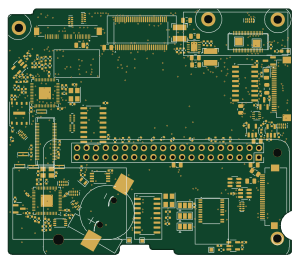 RP2040/RP2350
Vaio re
CRImier
75 × 65 mm274 parts4LGPL-3.0254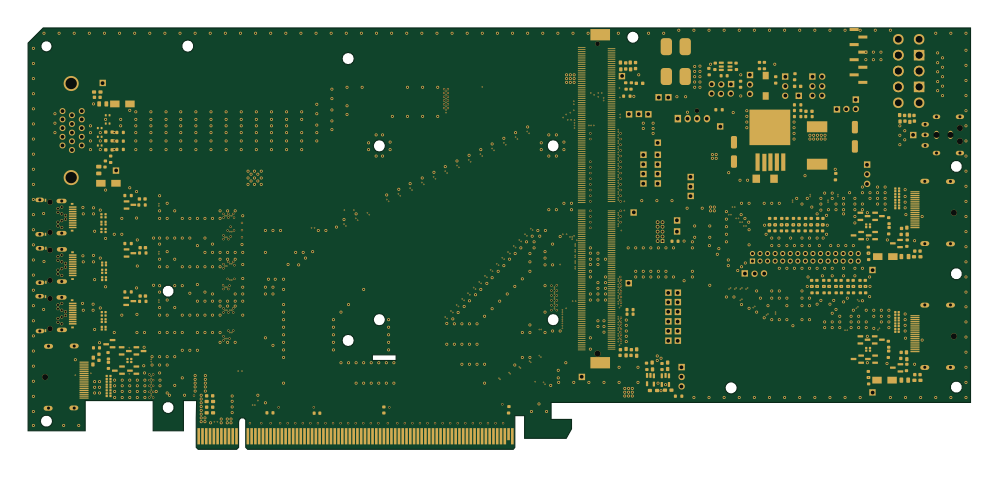
Mxm immobilizer
a-little-wifi
249.4 × 111.5 mm413 parts6LNo license74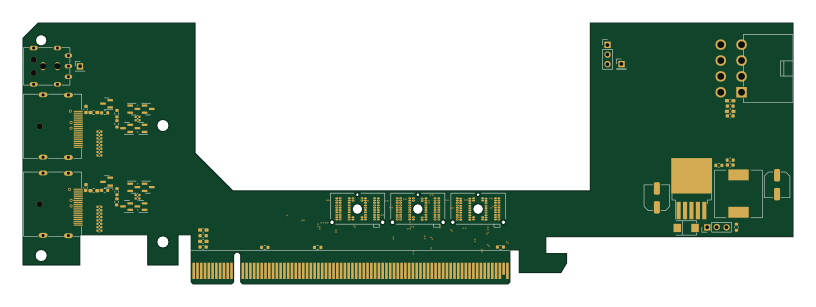
Dgff immobilizer
203.7 × 69 mm159 parts6LNo license11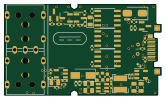
Frmw dcin
41.5 × 24 mm59 parts4LNo license3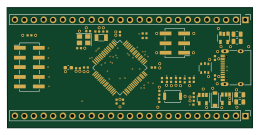 STM32
Stm32f412rxt stamp
Crate3D
64.8 × 31.7 mm46 parts4LGPL-3.03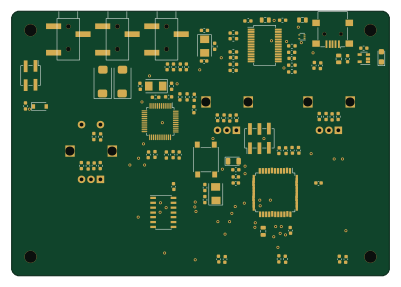 AVR/Arduino
GiantKnob
mathisschmieder
100 × 70 mm105 parts2LNo license2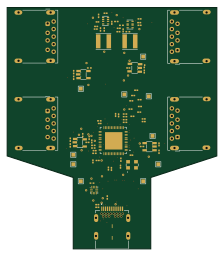
Industrial-USB3-Hub-USB5744
shyver
55.5 × 64 mm86 parts4LMIT1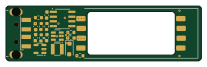
LED-LIGHT-USB
TheBadZhang
51.8 × 14.6 mm22 parts2LNo license0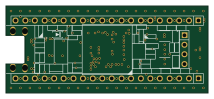 STM32
BluePill F4
rogerclarkmelbourne
53.3 × 22.9 mm72 partsNo license51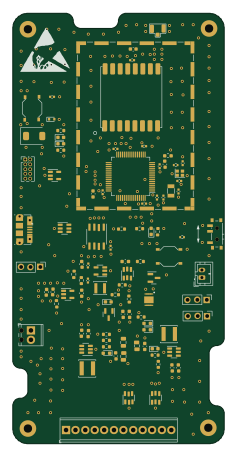 STM32
LoST 9632 Board
collins-emasi
56 × 114 mm97 parts4LNo license1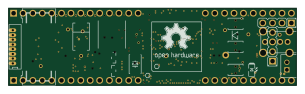
IMX233-OLinuXino-NANO Rev B
76.2 × 20.3 mm125 partsGPL-2.0429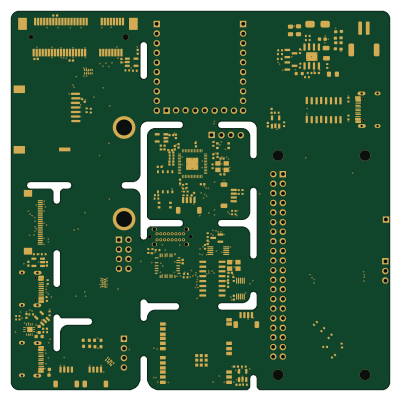 RP2040/RP2350
Zpn devboard
100 × 100 mm160 parts4LGPL-3.0254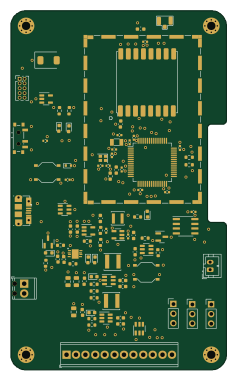 STM32
NPK Board x RFM96
57 × 95 mm96 parts4LNo license1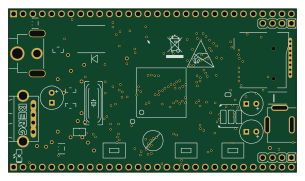
IMX233-OLinuXino-Micro Rev D
76.2 × 43.2 mm123 partsGPL-2.0429
How designs wire the SY6280
Read from the KiCad layouts of 11 open source designs, one per repository: what each pin of the SY6280 connects to, and the resistors, capacitors and other passives placed on it.
- The ISET pin has a resistor to GND on 11 of 11 designs, most often 10 kΩ (then 3.4 kΩ).
- The OUT pin is tied to 5V on 9 of 11 designs (a signal on 2).
- The IN pin is tied to 5V on 9 of 11 designs (a signal on 2).
| Pin | Connected to | Parts on the pin |
|---|---|---|
| OUTpin 1 | Connected to: 5V 82% · a signal 18% | — |
| GNDpin 2 | Connected to: GND 100% | — |
| ISETpin 3 | Connected to: Signal 100% |
|
| INpin 5 | Connected to: 5V 82% · a signal 18% | — |
1 more pin varies from design to design. Connections count pins, parts count designs; values in brackets are how many parts had that value. Designs read include A10-A20-OLINUXINO-MICRO-4GB Rev D by lachlanA, Vaio re by CRImier, Mxm immobilizer by a-little-wifi and BluePill F4 by rogerclarkmelbourne.
The SY6280 in open source designs
The gallery holds 15 open source boards using the SY6280 from 11 GitHub repositories; a typical one measures about 75 × 65 mm and carries around 105 components.
82% use four copper layers or more, and 47% carry an open source license.
The most starred is A10-A20-OLINUXINO-MICRO-4GB Rev D by lachlanA.
Parts used alongside the SY6280
Microcontrollers on boards using the SY6280
What boards using the SY6280 are built for
SY6280: common questions
Where can I find a SY6280 reference design?
Each of the 15 boards on this page is a real design using the SY6280. Open one to see how it is wired up, with the full BOM, a render of the layout and links to its KiCad files.
What resistor goes on the SY6280 ISET pin?
The ISET pin has a resistor to GND on 11 of 11 designs, most often 10 kΩ (then 3.4 kΩ). Counted from the KiCad layouts of 11 open source designs using the SY6280.
How is the SY6280 OUT pin connected?
The OUT pin is tied to 5V on 9 of 11 designs (a signal on 2). Counted from the KiCad layouts of 11 open source designs using the SY6280.
How is the SY6280 IN pin connected?
The IN pin is tied to 5V on 9 of 11 designs (a signal on 2). Counted from the KiCad layouts of 11 open source designs using the SY6280.
What parts are used alongside the SY6280?
The 74LVC1G373, AP2112K-3.3 and LM2596S-5 appear in the most repositories here.
Which microcontrollers do boards using the SY6280 use?
Most are built on STM32 (4), RP2040/RP2350 (2) and AVR/Arduino (1).
How big is a typical board using the SY6280?
The median is 75 × 65 mm, and 18% are two-layer designs.
What is the most popular open source board using the SY6280?
By GitHub stars, A10-A20-OLINUXINO-MICRO-4GB Rev D by lachlanA, with 429 stars.
Can I simulate one of these boards using the SY6280 before building it?
Yes. HardLabs turns a board's netlist and BOM into a working simulation, so you can boot and test firmware against it with no hardware on your desk.