
15 open source boards using the TPS3431SDRBR
Real designs built with the TPS3431SDRBR, from public GitHub projects: a quick way to see how others power, decouple and connect it. Each board comes with its KiCad files, full parts list and a render — and you can simulate its firmware on HardLabs.
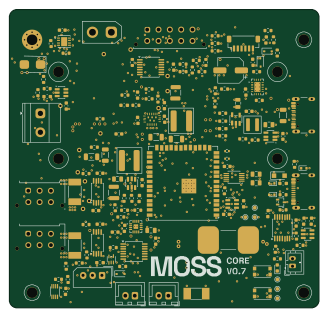 ESP32
Moss
metrox-eth
82 × 79 mm208 parts4LApache-2.0116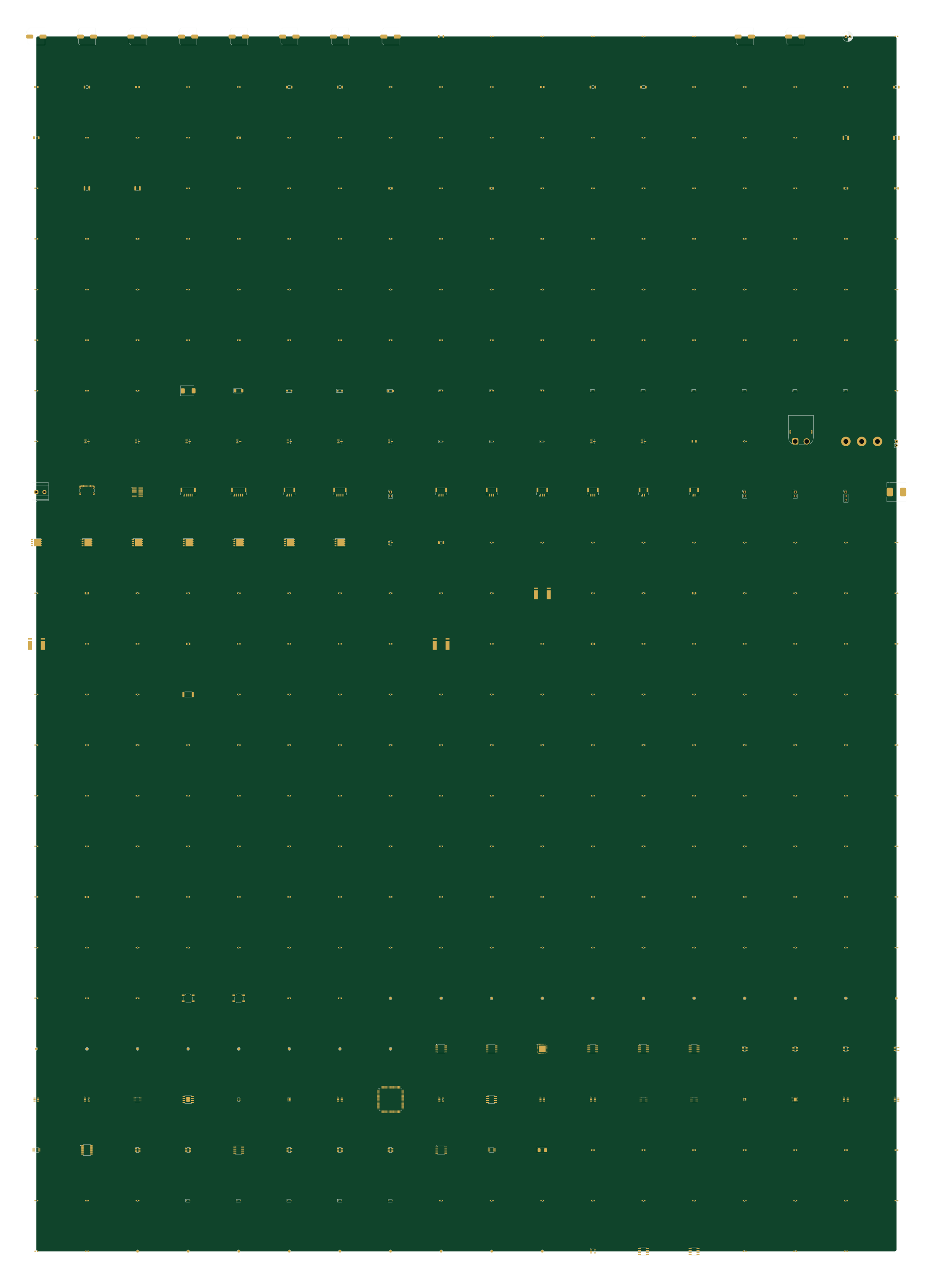 STM32
Bldc esc
EwoudVV
544 × 768 mm421 parts4LNo license1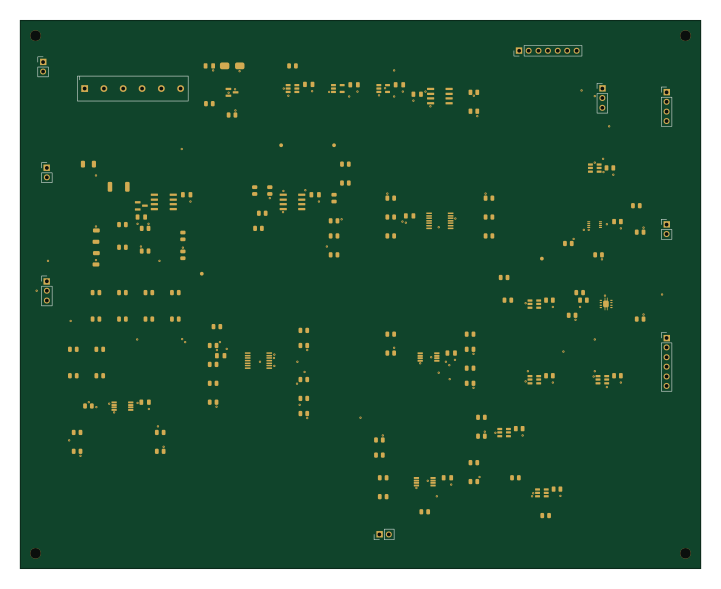
Channel Monitor C1
AnishLanka
180 × 145 mm137 parts2LNo license1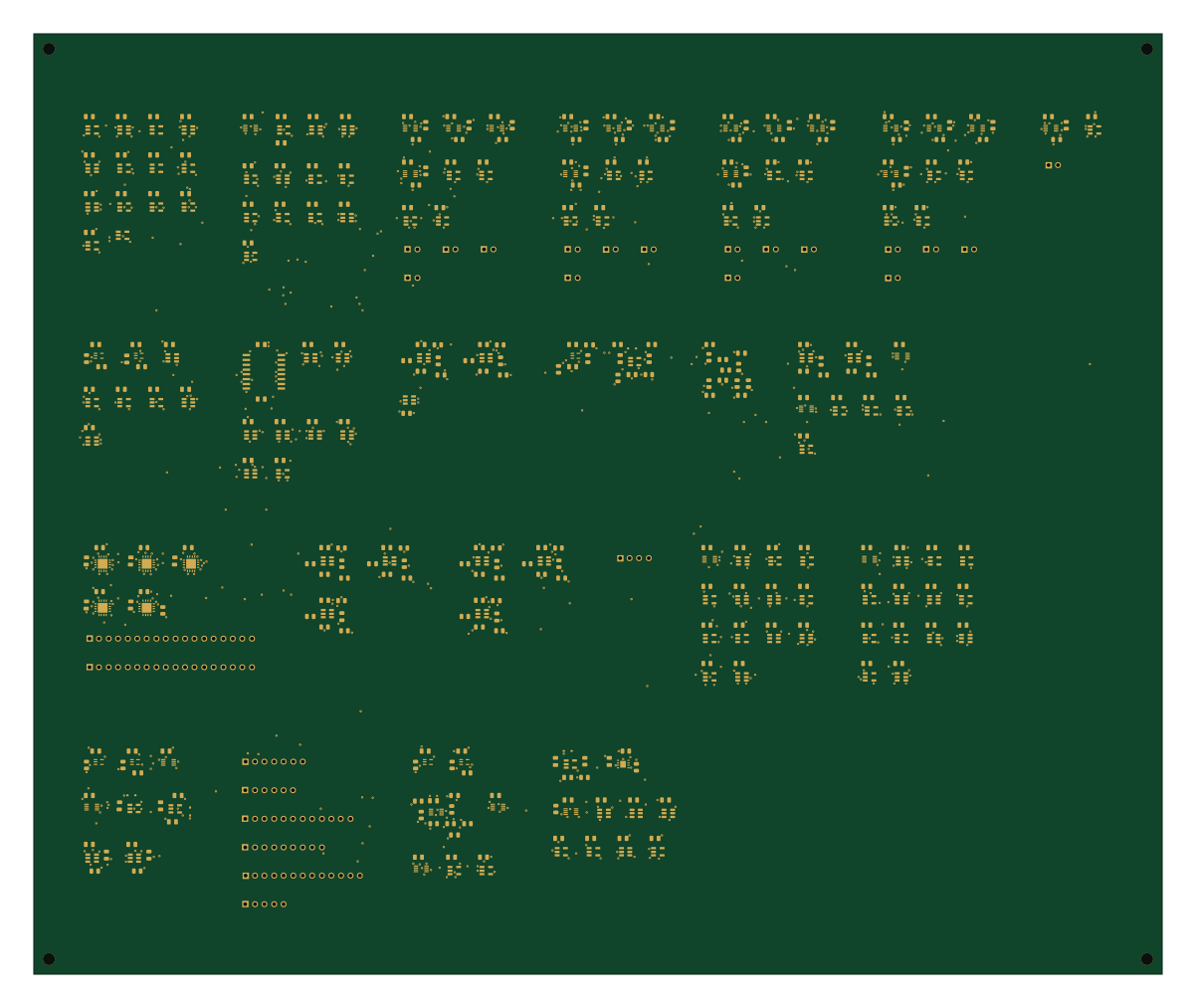
Project ATO / Supervision
pratham-cloud-ctrl
300 × 250 mm479 parts4LCustom license0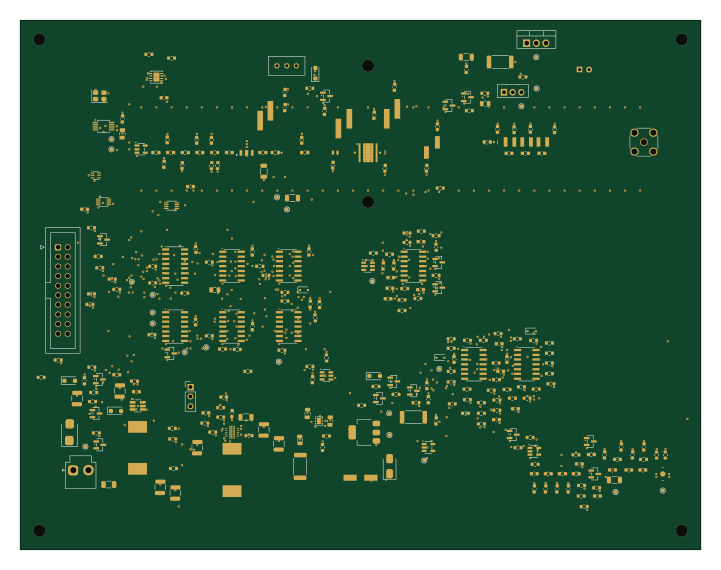
After
DD1SB
180 × 140 mm287 parts2LMIT0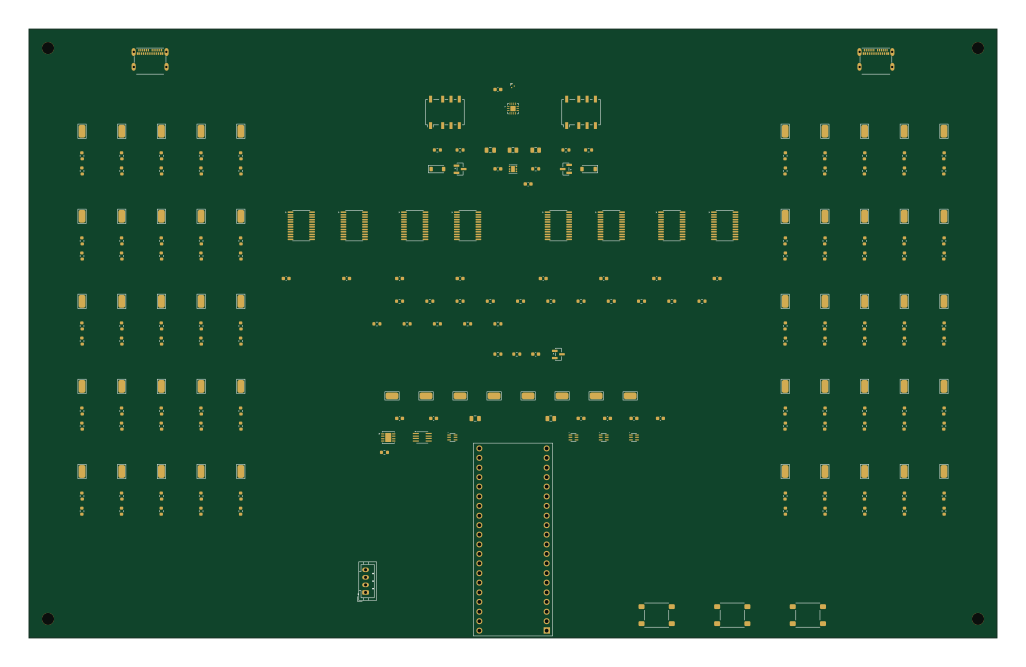 RP2040/RP2350
Usb c cable analyzer
rwjblue
256 × 161 mm236 parts4LNo license0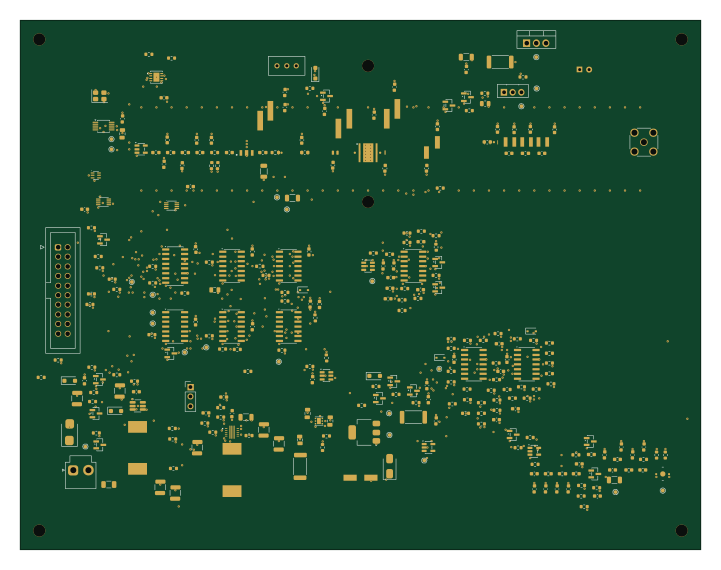
Before
180 × 140 mm287 parts2LMIT0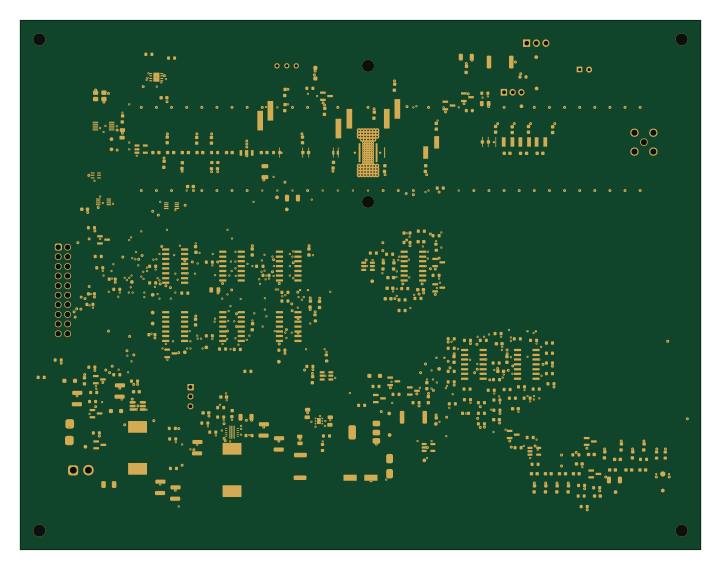
Dfm-2oz
180 × 140 mm287 parts2LMIT0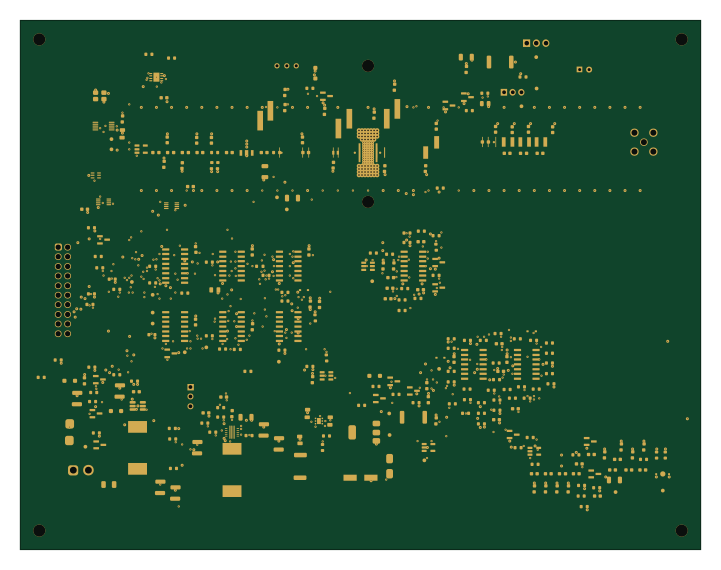
Dfm special finish
180 × 140 mm287 parts2LMIT0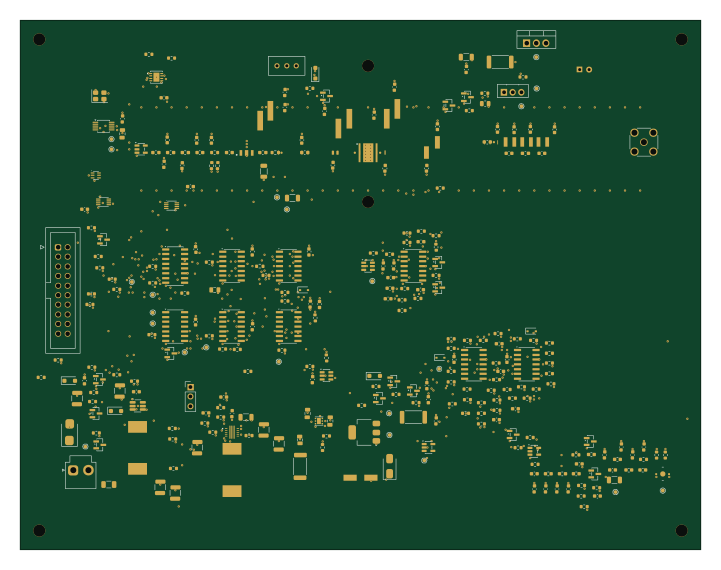
E2-native
180 × 140 mm287 parts2LMIT0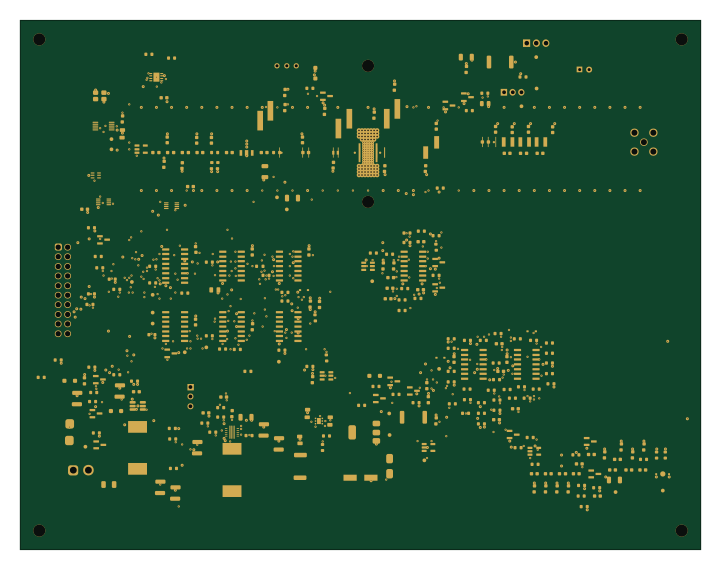
E4-native
180 × 140 mm287 parts2LMIT0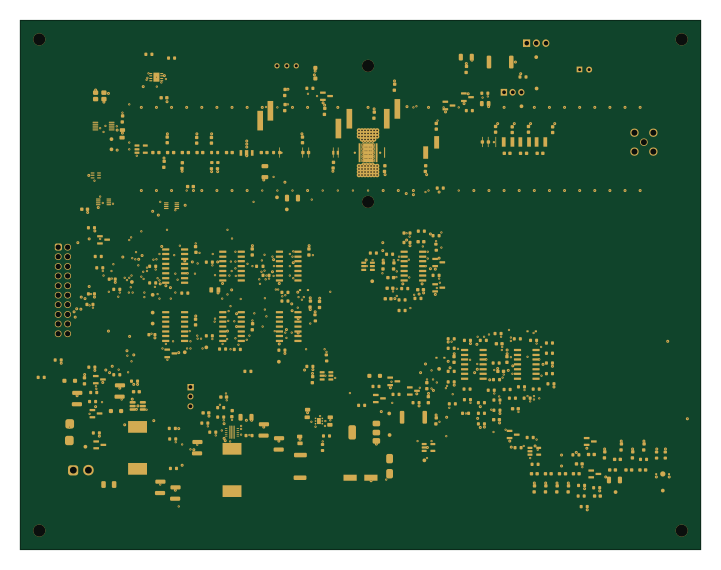
E4R1-baseline
180 × 140 mm287 parts2LMIT0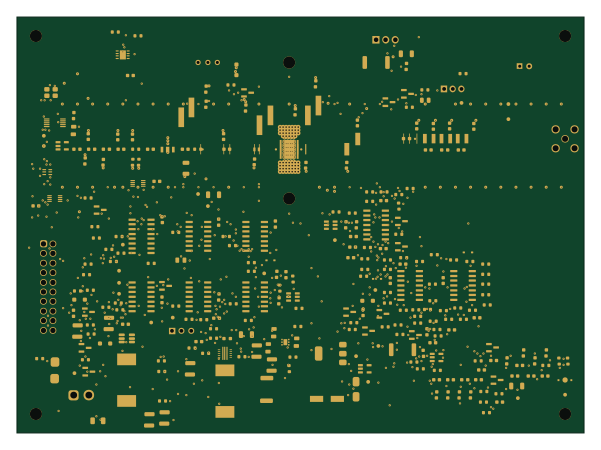
RF2M
150 × 110 mm287 parts2LMIT0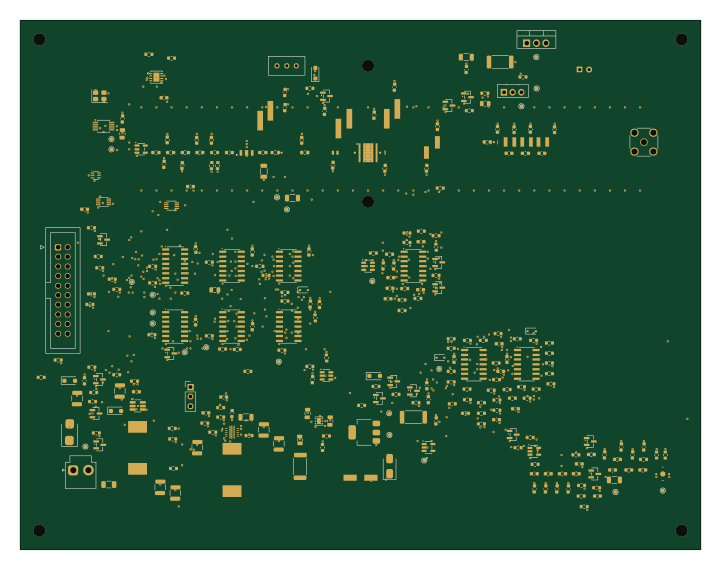
Sliver only
180 × 140 mm287 parts2LMIT0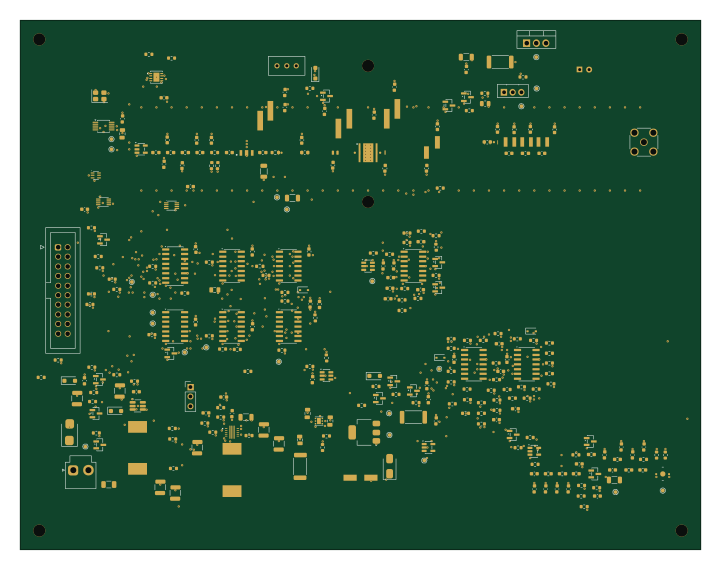
Strict before
180 × 140 mm287 parts2LMIT0
How designs wire the TPS3431SDRBR
Read from the KiCad layouts of 6 open source designs, one per repository: what each pin of the TPS3431SDRBR connects to, and the resistors, capacitors and other passives placed on it.
- The SET1_5 pin has a series resistor on 4 of 6 designs, most often 10 kΩ (then 100 Ω).
- The ~WDO_7 pin has a series resistor on 4 of 6 designs, most often 10 kΩ (then 0 Ω).
- The VDD_1 pin has a decoupling capacitor on 3 of 6 designs, most often 100 nF.
- The CWD_2 pin has a series resistor on 3 of 6 designs, most often 10 kΩ.
| Pin | Connected to | Parts on the pin |
|---|---|---|
| VDD_1pin 1 | Connected to: 3.3V 50% · a signal 50% |
|
| CWD_2pin 2 | Connected to: Signal 83% · not connected 17% |
|
| GND_4pin 4 | Connected to: GND 67% · a signal 33% |
|
| SET1_5pin 5 | Connected to: Signal 83% · 3.3V 17% |
|
| WDI_6pin 6 | Connected to: A connector 50%, the microcontroller 33% |
|
| ~WDO_7pin 7 | Connected to: Signal 100% |
|
| ENOUT_8pin 8 | Connected to: Signal 67% · not connected 33% |
|
| EP_9pin 9 | Connected to: GND 67% · a signal 33% |
|
1 more pin varies from design to design. Connections count pins, parts count designs; values in brackets are how many parts had that value. Designs read include Moss by metrox-eth, Channel Monitor C1 by AnishLanka, Bldc esc by EwoudVV and After by DD1SB.
The TPS3431SDRBR in open source designs
The gallery holds 15 open source boards using the TPS3431SDRBR from 6 GitHub repositories; a typical one measures about 180 × 140 mm and carries around 287 components.
73% are two-layer designs, the rest use four layers or more, and 73% carry an open source license.
The most starred is Moss by metrox-eth.
Parts used alongside the TPS3431SDRBR
Microcontrollers on boards using the TPS3431SDRBR
What boards using the TPS3431SDRBR are built for
TPS3431SDRBR: common questions
Where can I find a TPS3431SDRBR reference design?
Each of the 15 boards on this page is a real design using the TPS3431SDRBR. Open one to see how it is wired up, with the full BOM, a render of the layout and links to its KiCad files.
What resistor goes on the TPS3431SDRBR SET1_5 pin?
The SET1_5 pin has a series resistor on 4 of 6 designs, most often 10 kΩ (then 100 Ω). Counted from the KiCad layouts of 6 open source designs using the TPS3431SDRBR.
What resistor goes on the TPS3431SDRBR ~WDO_7 pin?
The ~WDO_7 pin has a series resistor on 4 of 6 designs, most often 10 kΩ (then 0 Ω). Counted from the KiCad layouts of 6 open source designs using the TPS3431SDRBR.
What decoupling capacitors do designs use on the TPS3431SDRBR VDD_1 pin?
The VDD_1 pin has a decoupling capacitor on 3 of 6 designs, most often 100 nF. Counted from the KiCad layouts of 6 open source designs using the TPS3431SDRBR.
What parts are used alongside the TPS3431SDRBR?
The SN74LVC1G17DBVR, INA180A1IDBVR, SN74LVC1G08DBVR, SN74LVC1G11DBVR and SN74LVC1G74DCUR appear in the most repositories here.
Which microcontrollers do boards using the TPS3431SDRBR use?
Most are built on ESP32 (1), RP2040/RP2350 (1) and STM32 (1).
How big is a typical board using the TPS3431SDRBR?
The median is 180 × 140 mm, and 73% are two-layer designs.
What is the most popular open source board using the TPS3431SDRBR?
By GitHub stars, Moss by metrox-eth, with 116 stars.
Can I simulate one of these boards using the TPS3431SDRBR before building it?
Yes. HardLabs turns a board's netlist and BOM into a working simulation, so you can boot and test firmware against it with no hardware on your desk.