
33 open source boards using the ATmega32U4-M
Real designs built with the ATmega32U4-M, from public GitHub projects: a quick way to see how others power, decouple and connect it. Each board comes with its KiCad files, full parts list and a render — and you can simulate its firmware on HardLabs.
 AVR/Arduino
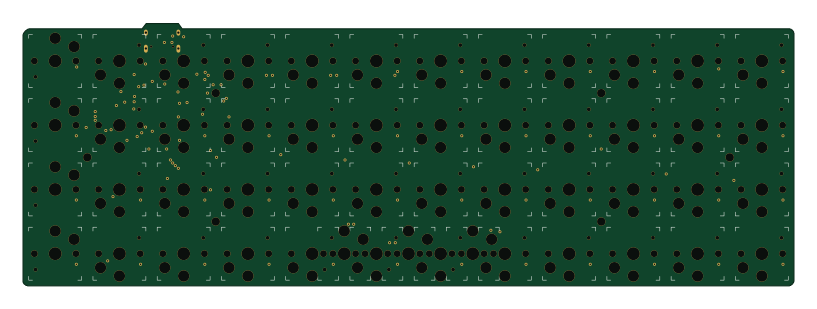
Dogema48 cfx
ChrisChrisLoLo
204 × 69.4 mm117 parts2LGPL-3.0112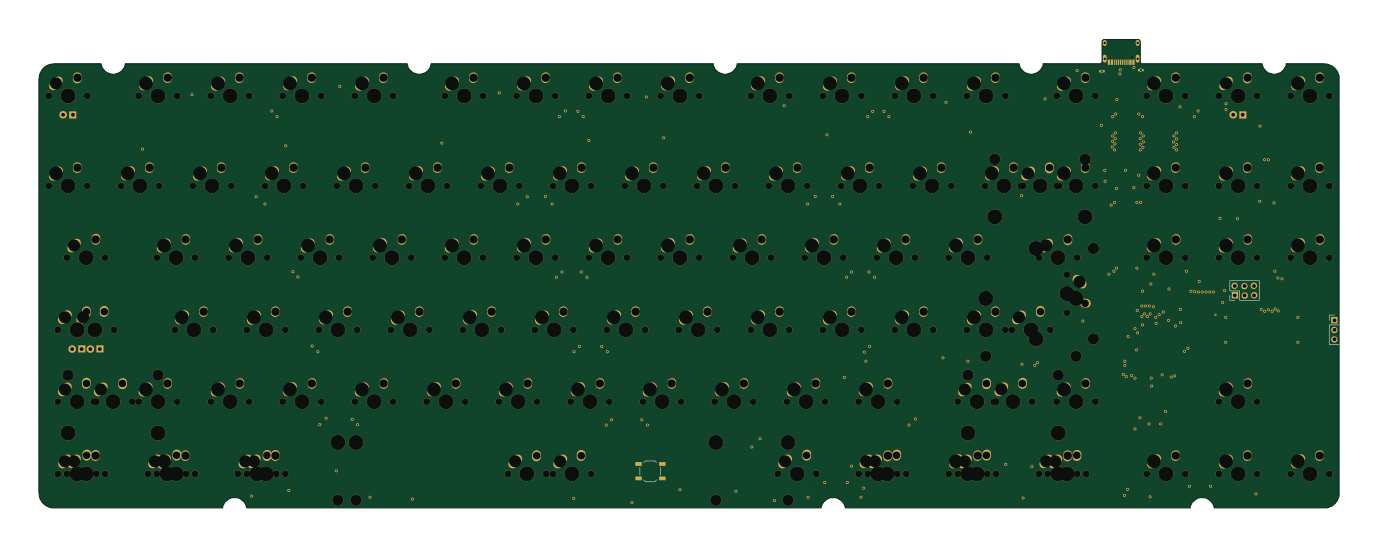 AVR/Arduino
OpenTKL
ojthetiny
344 × 124 mm175 parts2LGPL-3.0103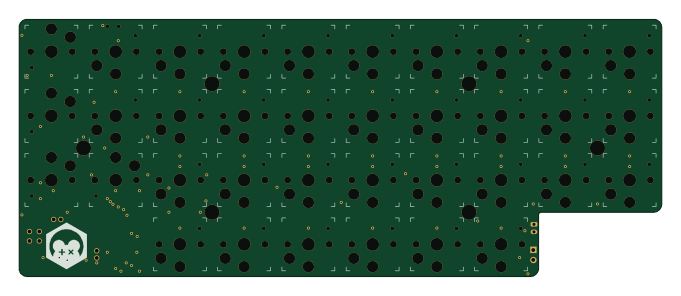 Nordic nRF
Bancouver40 cfx
170 × 68 mm77 parts2LGPL-3.040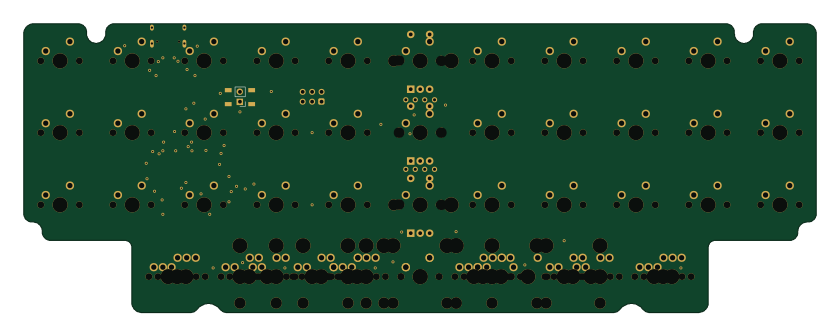 AVR/Arduino
Vault35 ortho
galvy0
209.7 × 76.4 mm131 parts2LUnlicense33 AVR/Arduino
Dynamis
bbrfkr
9.1 × 18.3 mm198 parts2LMIT24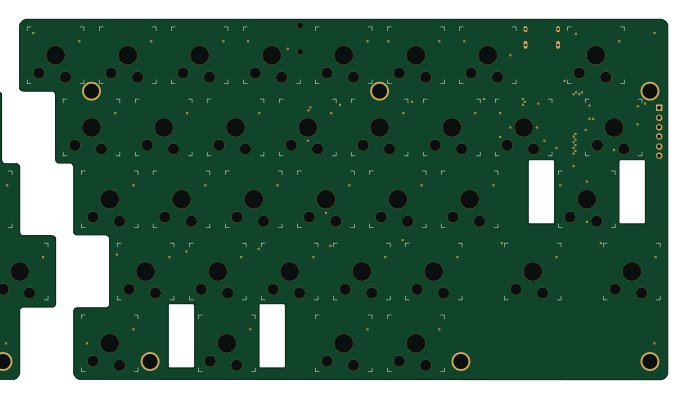 AVR/Arduino
Mfk60
niw
171.5 × 95.3 mm162 parts2LMIT11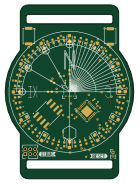 AVR/Arduino
Hourglass reva
geschmit
34 × 45.9 mm93 parts4LApache-2.04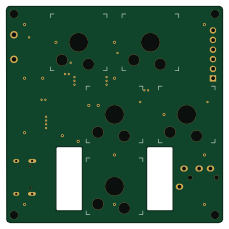 AVR/Arduino
Mfk5
57.2 × 57.2 mm22 parts2LMIT4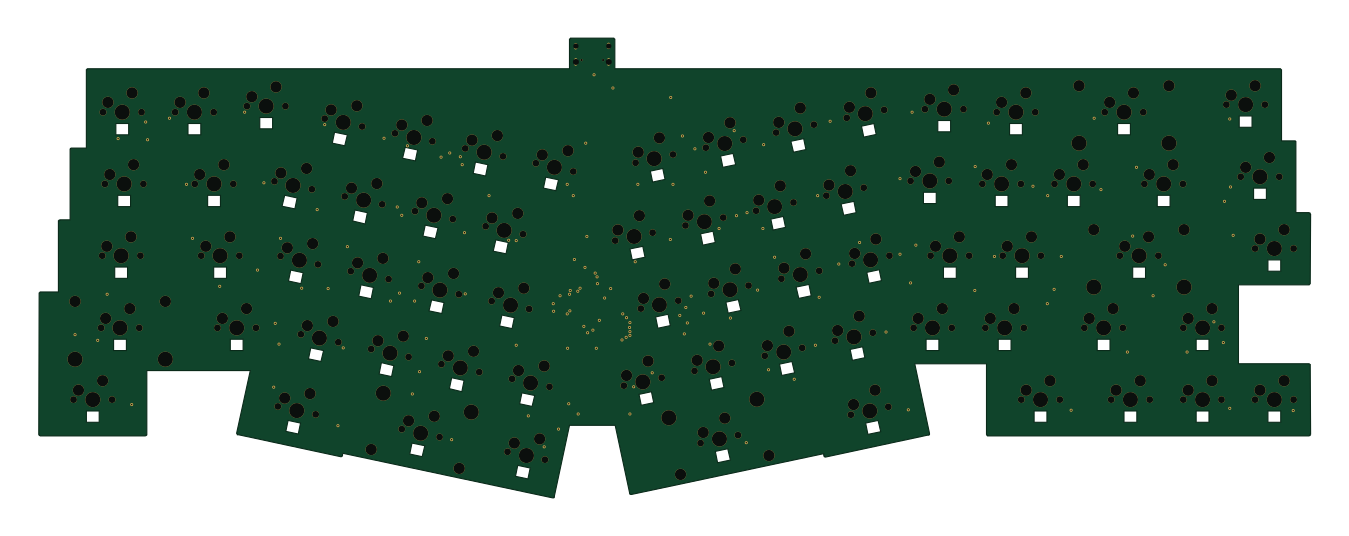 AVR/Arduino
Skeleton68
skeletonkbd
336.6 × 121.7 mm224 parts2LMIT3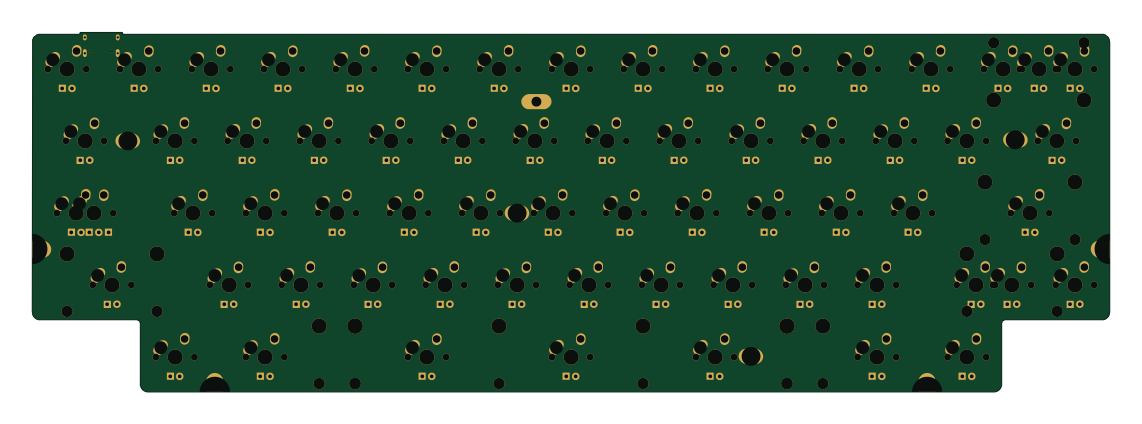 AVR/Arduino
Viper
isol33t
285 × 95.1 mm290 parts2LMIT1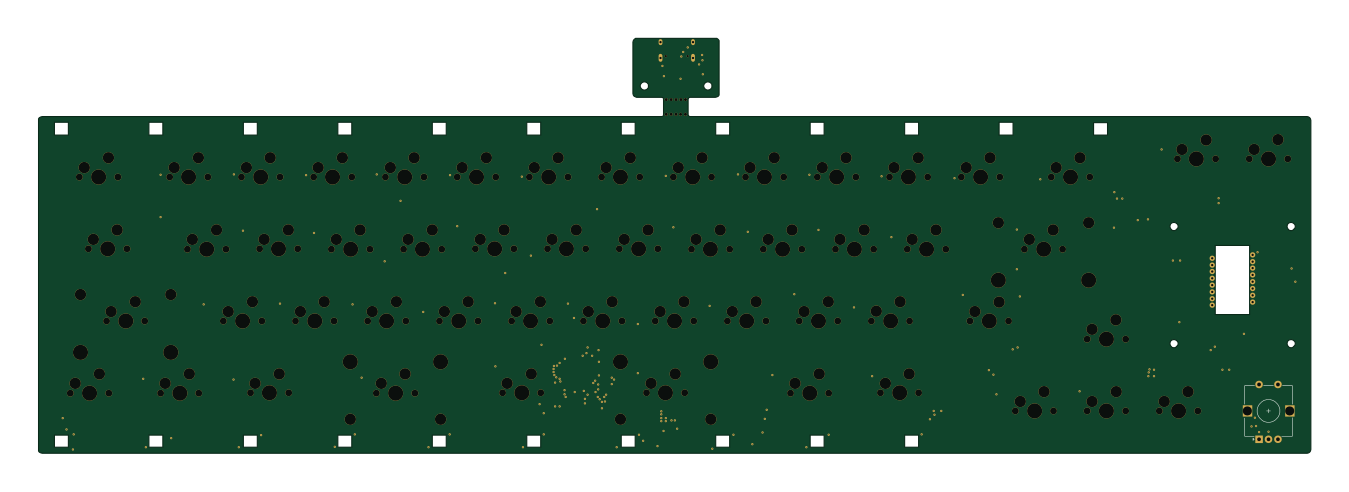 AVR/Arduino
Laser keyboard
336.8 × 109.9 mm177 parts2LNo license1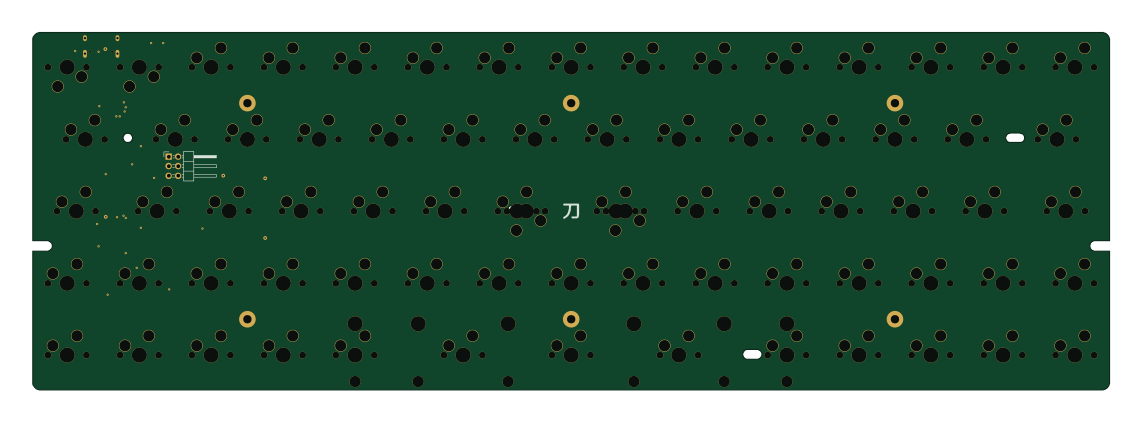 AVR/Arduino
Katana60-pro
rominronin
285 × 94.6 mm165 parts2LMIT1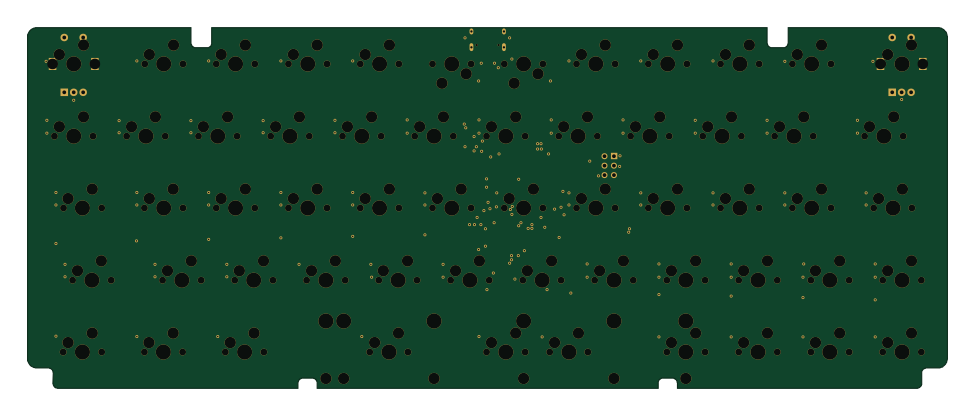 AVR/Arduino
The PETER keyboard
calvin-mcd
243.3 × 95.4 mm141 parts2LGPL-3.01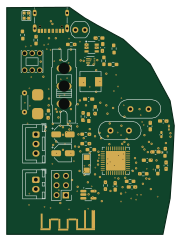 AVR/Arduino
VoidLens-DIY-VR-Headset-V2
scattercat-123
44.4 × 60.3 mm79 parts2LNo license1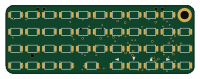 AVR/Arduino
Miniboard
siderakb
50 × 18 mm72 parts4LMIT1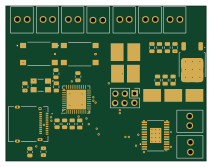 AVR/Arduino
E-C-Subteam-Bucknell-Baja
ACherniske
53 × 40.9 mm40 parts2LMIT1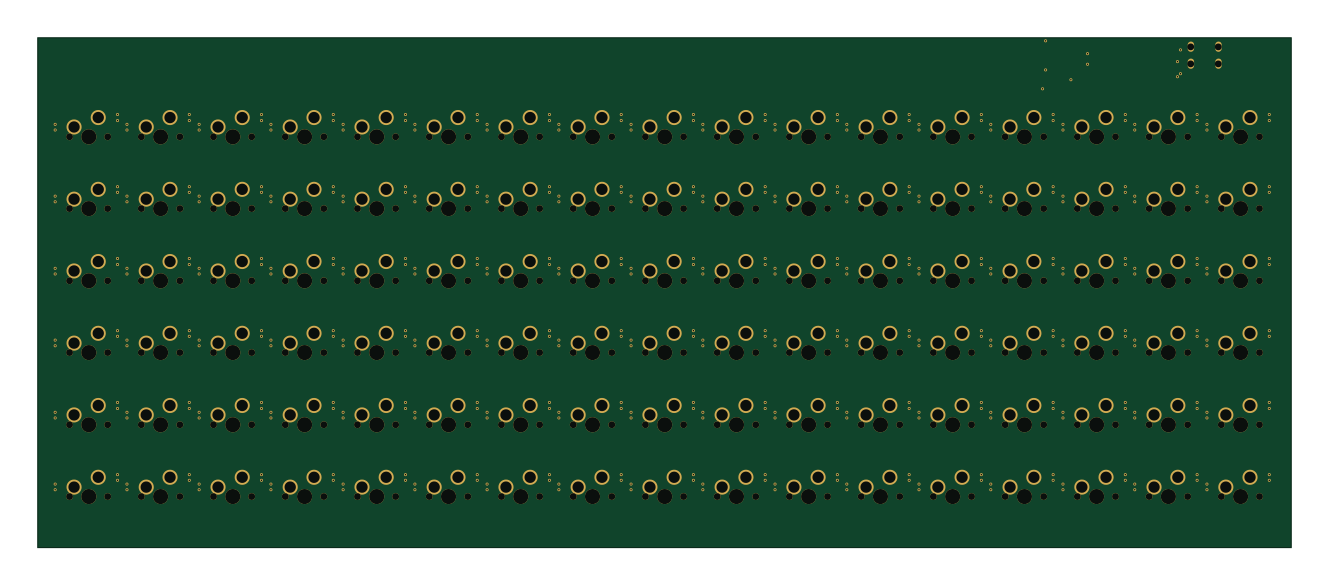 AVR/Arduino
102ortho
theyugin
331.8 × 134.9 mm220 parts2LNo license0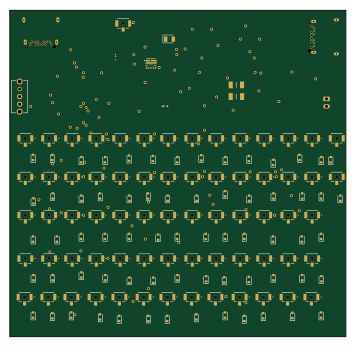 AVR/Arduino
RPi-Minikeyboard
AbleArcher88
88.9 × 86.4 mm179 parts2LNo license0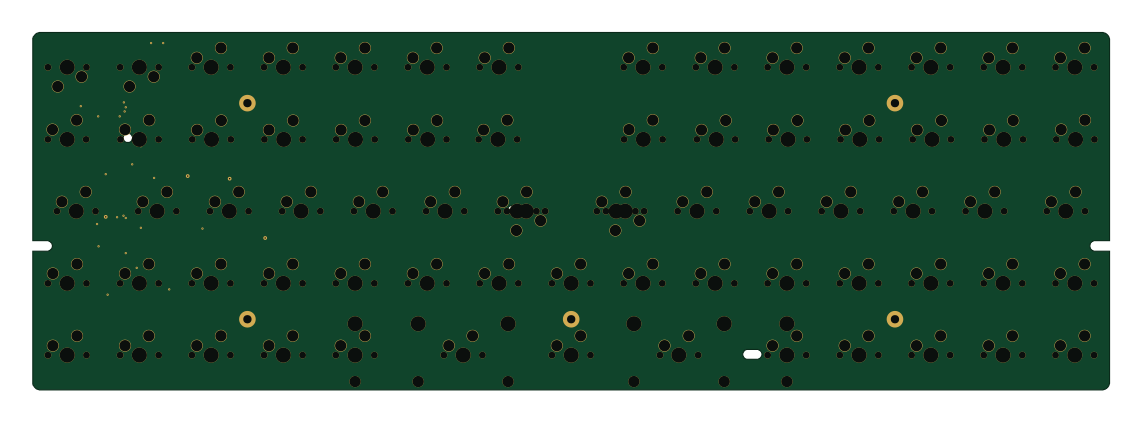 AVR/Arduino
Shinogi60-pro
PShivers
285 × 94.6 mm158 parts2LMIT0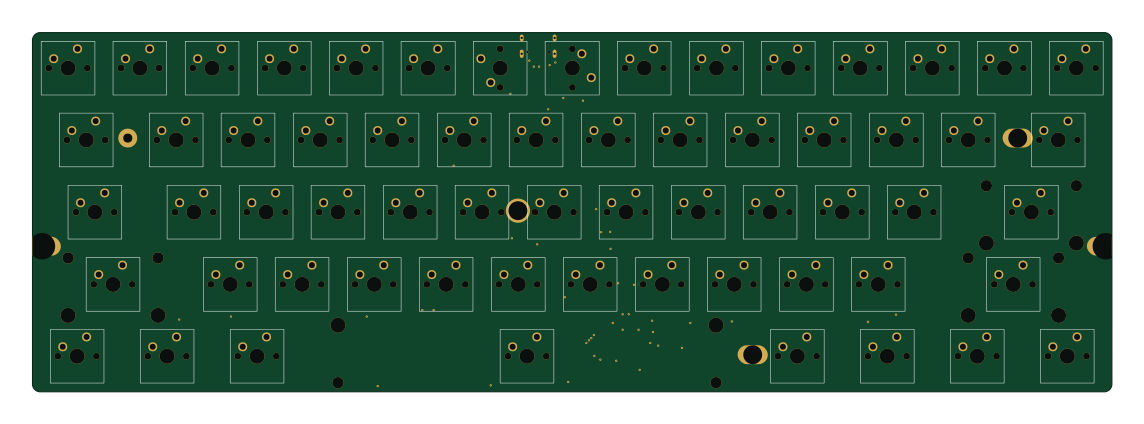 AVR/Arduino
Rakennus60
rakennus
285.5 × 95 mm144 parts2LNo license0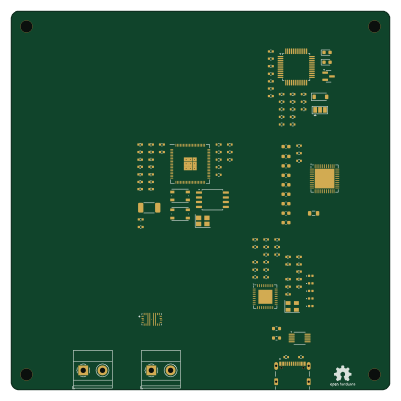 RP2040/RP2350
UMMTJ Mainboard
vamatis
100 × 100 mm142 parts4LNo license0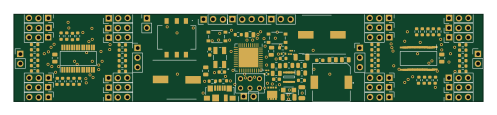 AVR/Arduino
Octobot
Deivid-Negoita
124 × 23 mm120 parts4LMIT0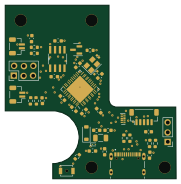 AVR/Arduino
ThrottleControllerMainRev
asfarley
45.3 × 46 mm43 parts2LNo license0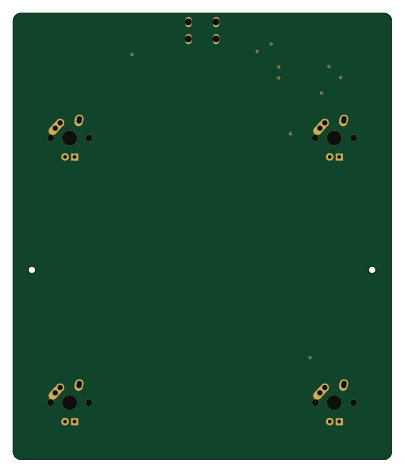 AVR/Arduino
Big-Keys
brandonHaipas
100 × 118 mm24 parts2LMIT0 AVR/Arduino
Baduino
Lopfi
30 × 17.2 mm18 parts2LMIT0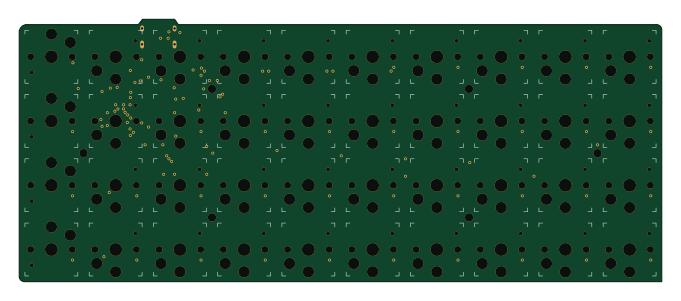 AVR/Arduino
Bancouver40 cfx
170 × 69.4 mm98 parts2LGPL-3.0112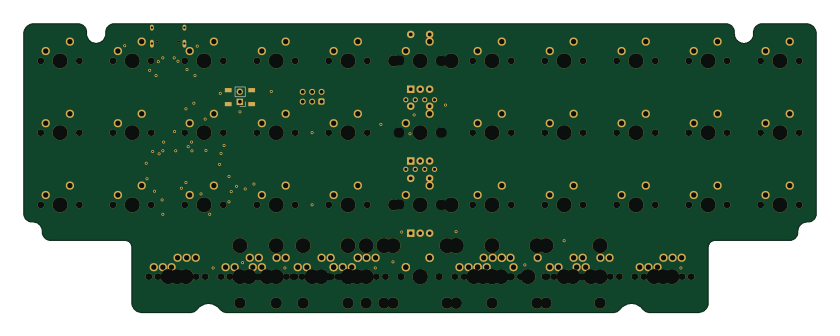 AVR/Arduino
Vault35 ortho rounded
209.7 × 76.4 mm131 parts2LUnlicense33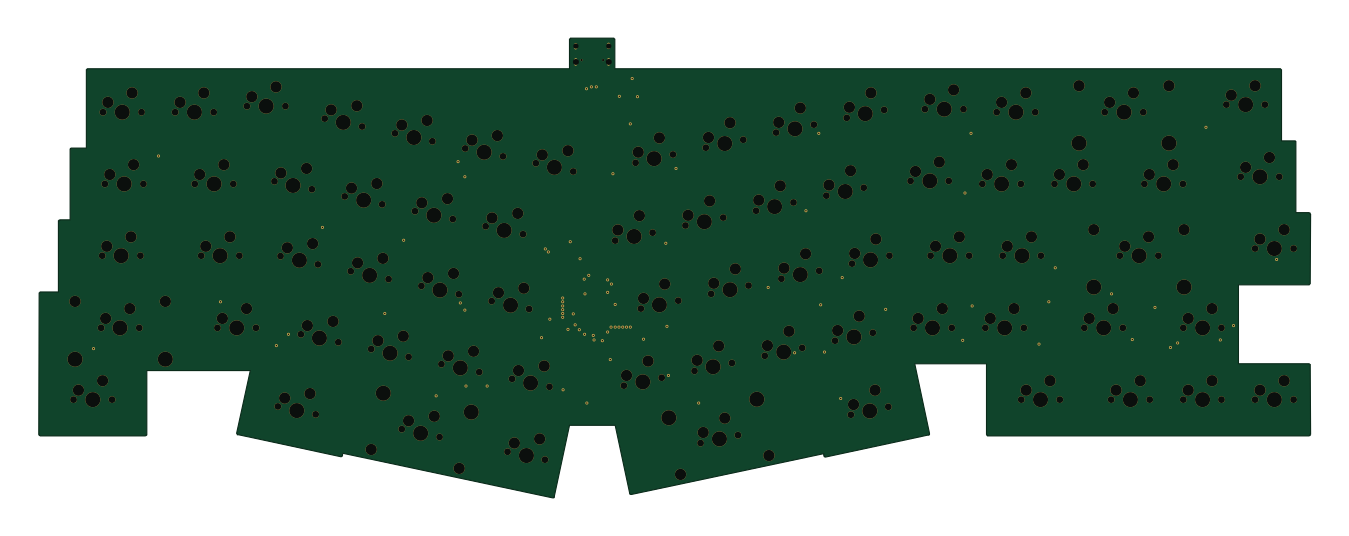 AVR/Arduino
Skeleton68 underglow
336.6 × 121.7 mm170 parts2LMIT3- schematic only · 45 partsAVR/Arduino
Macropad
hujohn1
45 parts2LNo license0 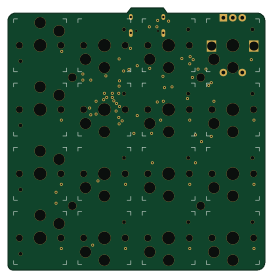 AVR/Arduino
Kowgary16 cfx
68 × 69.4 mm51 parts2LGPL-3.0112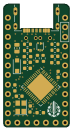 AVR/Arduino
Goldfish v2
Salicylic-acid3
17.4 × 32.6 mm26 parts2LMIT51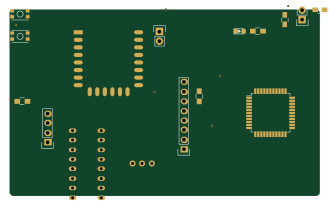 ESP8266
Badge dc24-with lcd
dodgymike
82.2 × 49.4 mm31 parts2LNo license0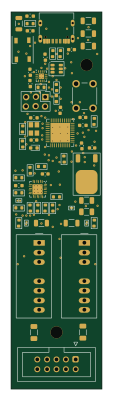 AVR/Arduino
USB C PD PSU
niektb
24 × 100 mm65 parts2LCC-BY-SA-4.034
How designs wire the ATmega32U4-M
Read from the KiCad layouts of 27 open source designs, one per repository: what each pin of the ATmega32U4-M connects to, and the resistors, capacitors and other passives placed on it.
- The D- pin has a series resistor on 26 of 27 designs, most often 22 Ω (then 27 Ω).
- The D+ pin has a series resistor on 26 of 27 designs, most often 22 Ω (then 27 Ω).
- The UCAP pin has a capacitor to GND on 25 of 27 designs, most often 1 µF (then 100 nF).
- The XTAL2 pin has a crystal on 25 of 27 designs, most often 16 MHz (then 8 MHz).
| Pin | Connected to | Parts on the pin |
|---|---|---|
| UVCCpin 2 | Connected to: 5V 85% |
|
| D-pin 3 | Connected to: Signal 100% |
|
| D+pin 4 | Connected to: Signal 100% |
|
| UGNDpin 5 | Connected to: GND 93% | — |
| UCAPpin 6 | Connected to: Signal 100% |
|
| VBUSpin 7 | Connected to: 5V 81% |
|
| RESETpin 13 | Connected to: A connector 41% |
|
| VCCpin 14, 34 | Connected to: 5V 91% |
|
| GNDpin 15, 23, 35, 43, 45 | Connected to: GND 95% | — |
| XTAL2pin 16 | Connected to: Signal 96% |
|
| XTAL1pin 17 | Connected to: Signal 96% |
|
| AVCCpin 24, 44 | Connected to: 5V 92% |
|
| HWB/PE2pin 33 | Connected to: Signal 65% · not connected 19% · GND 15% |
|
| AREFpin 42 | Connected to: Not connected 77% · a signal 23% | — |
25 more pins vary from design to design. Connections count pins, parts count designs; values in brackets are how many parts had that value. Designs read include Bancouver40 cfx by ChrisChrisLoLo, OpenTKL by ojthetiny, Goldfish v2 by Salicylic-acid3 and Bancouver40 cfx by ChrisChrisLoLo.
The ATmega32U4-M in open source designs
The gallery holds 33 open source boards using the ATmega32U4-M from 29 GitHub repositories; a typical one measures about 147 × 76.3 mm and carries around 120 components.
88% are two-layer designs, the rest use four layers or more, and 73% carry an open source license.
The most starred is Dogema48 cfx by ChrisChrisLoLo.
Parts used alongside the ATmega32U4-M
Microcontrollers on boards using the ATmega32U4-M
What boards using the ATmega32U4-M are built for
ATmega32U4-M: common questions
Where can I find a ATmega32U4-M reference design?
Each of the 33 boards on this page is a real design using the ATmega32U4-M. Open one to see how it is wired up, with the full BOM, a render of the layout and links to its KiCad files.
What resistor goes on the ATmega32U4-M D- pin?
The D- pin has a series resistor on 26 of 27 designs, most often 22 Ω (then 27 Ω). Counted from the KiCad layouts of 27 open source designs using the ATmega32U4-M.
What resistor goes on the ATmega32U4-M D+ pin?
The D+ pin has a series resistor on 26 of 27 designs, most often 22 Ω (then 27 Ω). Counted from the KiCad layouts of 27 open source designs using the ATmega32U4-M.
How is the ATmega32U4-M UCAP pin connected?
The UCAP pin has a capacitor to GND on 25 of 27 designs, most often 1 µF (then 100 nF). Counted from the KiCad layouts of 27 open source designs using the ATmega32U4-M.
What parts are used alongside the ATmega32U4-M?
The 74HC595, PMW3360DM-T2QU, SRV05-4, TPS73601DBV and USBLC6-2SC6 appear in the most repositories here.
Which microcontrollers do boards using the ATmega32U4-M use?
Most are built on AVR/Arduino (30), ESP8266 (1), Nordic nRF (1) and RP2040/RP2350 (1).
How big is a typical board using the ATmega32U4-M?
The median is 147 × 76.3 mm, and 88% are two-layer designs.
What is the most popular open source board using the ATmega32U4-M?
By GitHub stars, Dogema48 cfx by ChrisChrisLoLo, with 112 stars.
Can I simulate one of these boards using the ATmega32U4-M before building it?
Yes. HardLabs turns a board's netlist and BOM into a working simulation, so you can boot and test firmware against it with no hardware on your desk.