
12 open source boards using the BQ21040DBVR
Real designs built with the BQ21040DBVR, from public GitHub projects: a quick way to see how others power, decouple and connect it. Each board comes with its KiCad files, full parts list and a render — and you can simulate its firmware on HardLabs.
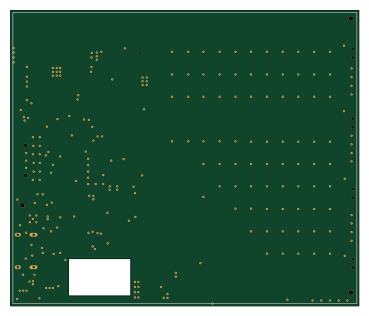 ESP32
Paperd ink rev4
paperdink
92.1 × 78.1 mm89 parts2LCC-BY-SA-4.09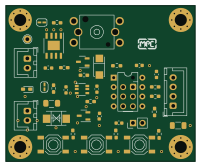 AVR/Arduino
EasyLight
ModischFabrications
50.2 × 41.3 mm41 parts2LCERN-OHL-S-2.08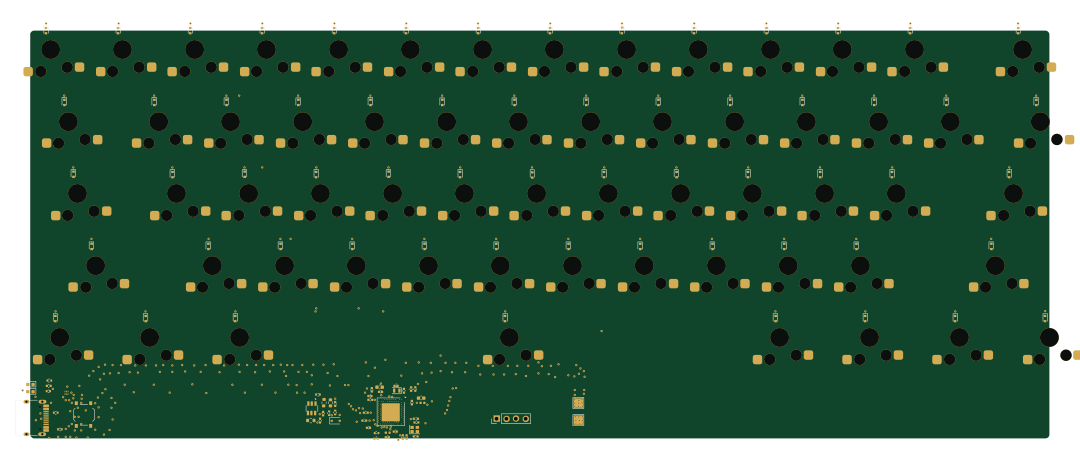 Nordic nRF
XD-keyboard
samdoes-stuff
269.7 × 107.9 mm172 parts2LNo license1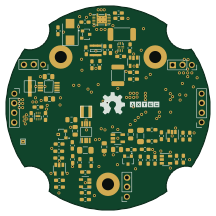
PCB B
dragondgold
54 × 54 mm75 parts2LGPL-3.01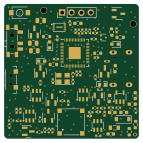 RP2040/RP2350
Docimeter
georges-mars
35.7 × 35.7 mm133 parts4LNo license0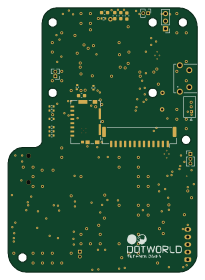 ESP32
Music system
mkno04
50 × 70 mm109 parts2LNo license0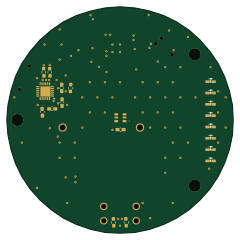 Silicon Labs
Schalldruckpegelmessgerät
Froster2406
60 × 60 mm41 parts2LNo license0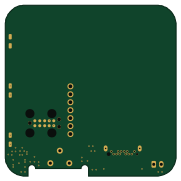 PIC
Salt Booklamp
tedfernau
45.1 × 45.1 mm23 parts4LNo license0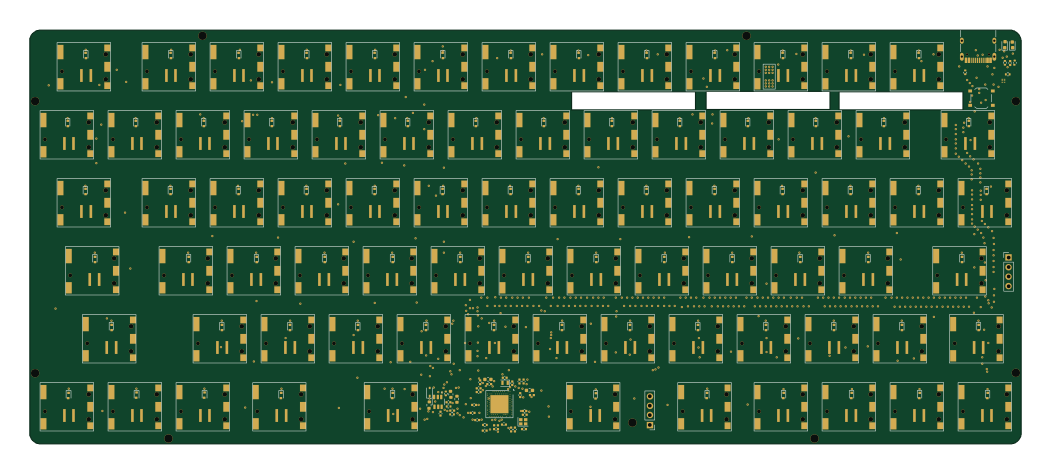 Nordic nRF
Keyboard
byrantech
262.5 × 109.6 mm206 parts2LMIT4.3k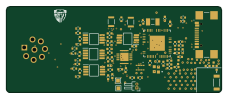 ESP32
WSG 2.0
BlueJayRacing
56.8 × 22.7 mm86 parts4LNo license0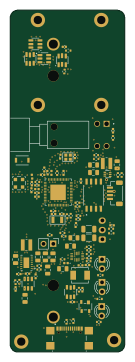 ESP32
Base station
Tinkerbug-Robotics
30.3 × 90.5 mm109 parts4LGPL-3.00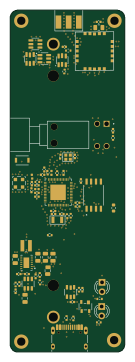 ESP32
Tinker base
30.3 × 90.5 mm76 parts4LGPL-3.00
How designs wire the BQ21040DBVR
Read from the KiCad layouts of 11 open source designs, one per repository: what each pin of the BQ21040DBVR connects to, and the resistors, capacitors and other passives placed on it.
- The ISET pin has a resistor to GND on 11 of 11 designs, most often 1.8 kΩ (then 2.7 kΩ).
- The TS pin has a resistor to GND on 10 of 11 designs, most often 10 kΩ (then 100 kΩ).
- The VIN pin has a decoupling capacitor on 10 of 11 designs, most often 1 µF (then 10 µF).
- The OUT pin is tied to BATT on 7 of 11 designs (a signal on 4).
| Pin | Connected to | Parts on the pin |
|---|---|---|
| TSpin 1 | Connected to: Signal 92% |
|
| OUTpin 2 | Connected to: BATT 64% · a signal 36% | — |
| ISETpin 4 | Connected to: Signal 100% |
|
| GNDpin 5 | Connected to: GND 92% | — |
| VINpin 6 | Connected to: VBUS 73% · a signal 27% |
|
1 more pin varies from design to design. Connections count pins, parts count designs; values in brackets are how many parts had that value. Designs read include Keyboard by byrantech, Paperd ink rev4 by paperdink, EasyLight PCB by ModischFabrications and PCB B by dragondgold.
The BQ21040DBVR in open source designs
The gallery holds 12 open source boards using the BQ21040DBVR from 11 GitHub repositories; a typical one measures about 52.1 × 65 mm and carries around 88 components.
58% are two-layer designs, the rest use four layers or more, and 50% carry an open source license.
The most starred is Keyboard by byrantech.
Parts used alongside the BQ21040DBVR
Microcontrollers on boards using the BQ21040DBVR
What boards using the BQ21040DBVR are built for
BQ21040DBVR: common questions
Where can I find a BQ21040DBVR reference design?
Each of the 12 boards on this page is a real design using the BQ21040DBVR. Open one to see how it is wired up, with the full BOM, a render of the layout and links to its KiCad files.
What resistor goes on the BQ21040DBVR ISET pin?
The ISET pin has a resistor to GND on 11 of 11 designs, most often 1.8 kΩ (then 2.7 kΩ). Counted from the KiCad layouts of 11 open source designs using the BQ21040DBVR.
What resistor goes on the BQ21040DBVR TS pin?
The TS pin has a resistor to GND on 10 of 11 designs, most often 10 kΩ (then 100 kΩ). Counted from the KiCad layouts of 11 open source designs using the BQ21040DBVR.
What decoupling capacitors do designs use on the BQ21040DBVR VIN pin?
The VIN pin has a decoupling capacitor on 10 of 11 designs, most often 1 µF (then 10 µF). Counted from the KiCad layouts of 11 open source designs using the BQ21040DBVR.
Which microcontrollers do boards using the BQ21040DBVR use?
Most are built on ESP32 (5), Nordic nRF (2), AVR/Arduino (1) and PIC (1).
How big is a typical board using the BQ21040DBVR?
The median is 52.1 × 65 mm, and 58% are two-layer designs.
What is the most popular open source board using the BQ21040DBVR?
By GitHub stars, Keyboard by byrantech, with 4,264 stars.
Can I simulate one of these boards using the BQ21040DBVR before building it?
Yes. HardLabs turns a board's netlist and BOM into a working simulation, so you can boot and test firmware against it with no hardware on your desk.