
35 open source boards using the nRF52840
Real designs built with the nRF52840, from public GitHub projects: a quick way to see how others power, decouple and connect it. Each board comes with its KiCad files, full parts list and a render — and you can simulate its firmware on HardLabs.
 Nordic nRF
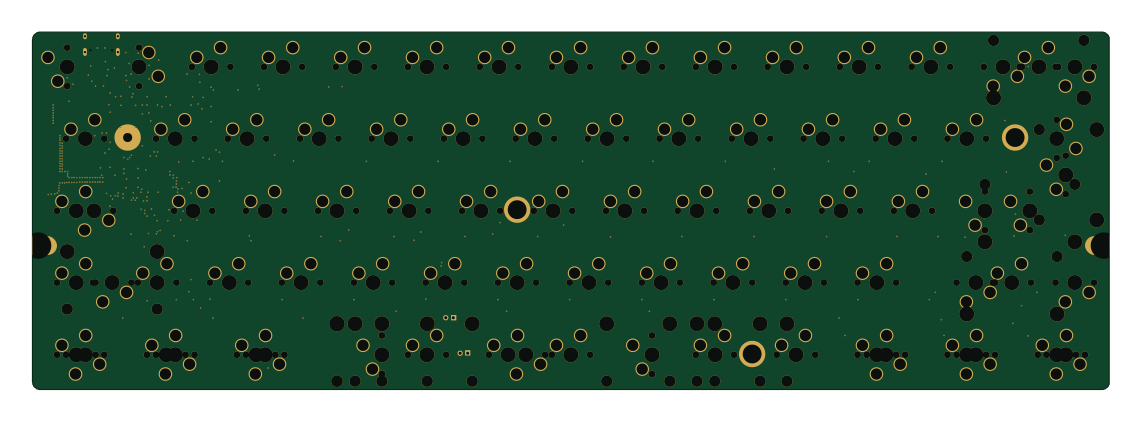
PH60
ph-design
285 × 94.6 mm204 parts2LCC-BY-NC-4.0162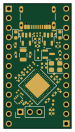 Nordic nRF
Nrf52840-promicro
sasodoma
17.8 × 33 mm55 parts2LNo license105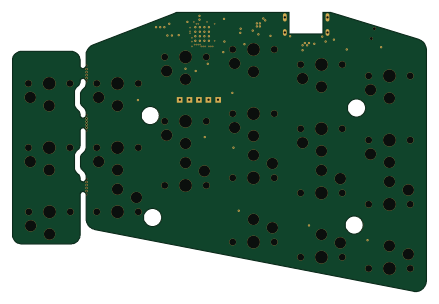 Nordic nRF
Borne keyboard
gibbz00
109.6 × 73.9 mm74 parts2LMPL-2.032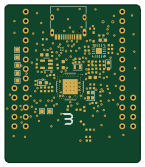 Nordic nRF
Byrandev
byrantech
35.9 × 41.8 mm55 parts2LMIT21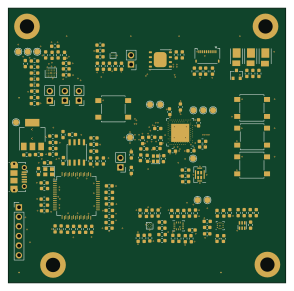 Nordic nRF
AWatch2-hw
jwise
73.4 × 72.7 mm157 parts4LNo license18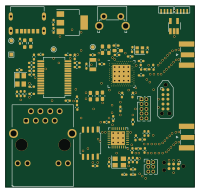 ESP32
HexGateway
gblach
50 × 48 mm83 parts2LNo license10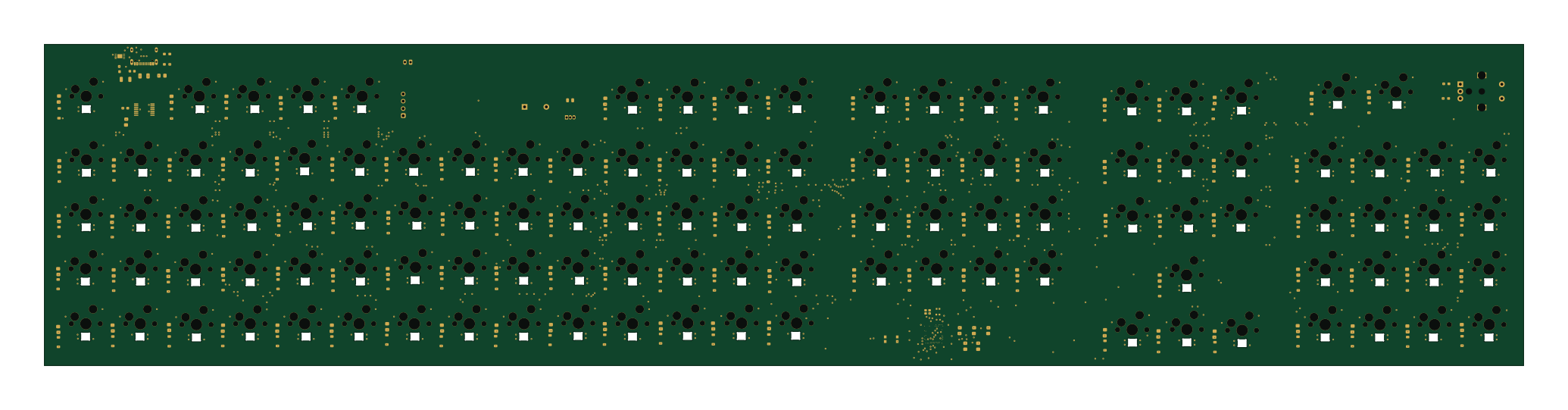 Nordic nRF
Apex
HashirX-ux
516.6 × 112.1 mm478 parts4LMIT2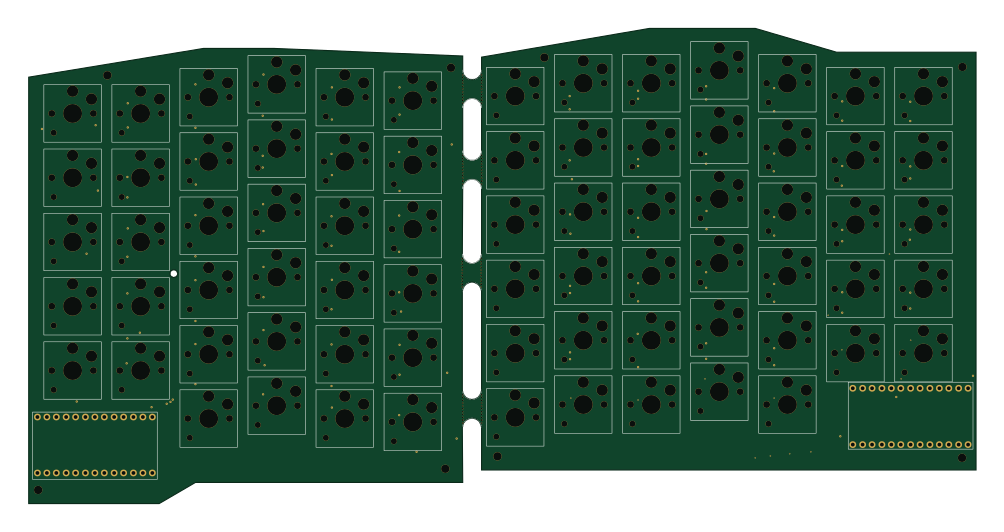 Nordic nRF
Splitkb
NoseFa
250.6 × 125.7 mm150 parts2LMIT2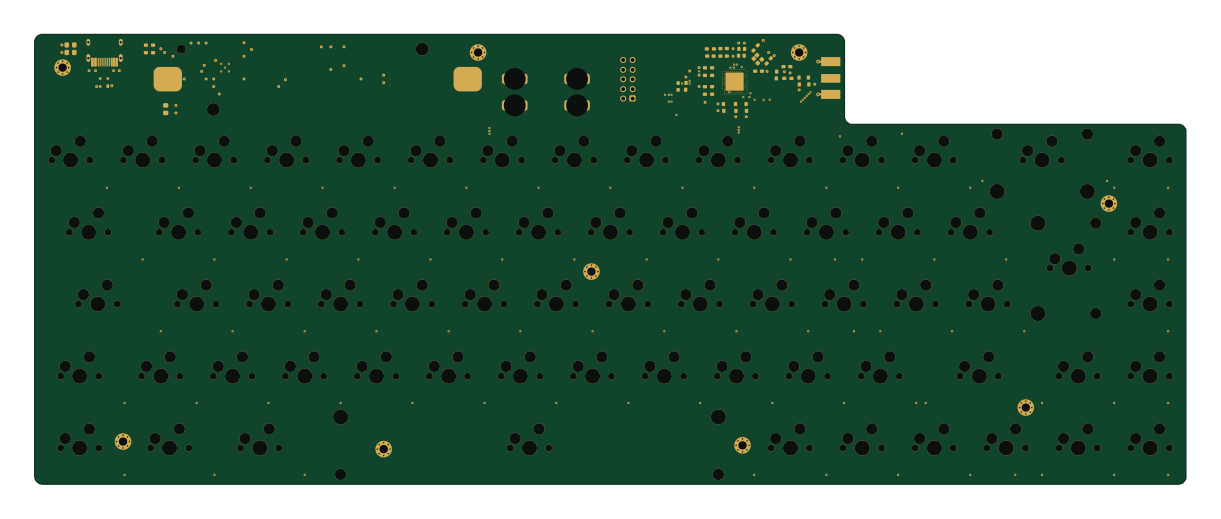 Nordic nRF
Keyboard
tritoke
304.8 × 119.1 mm199 parts4LNo license1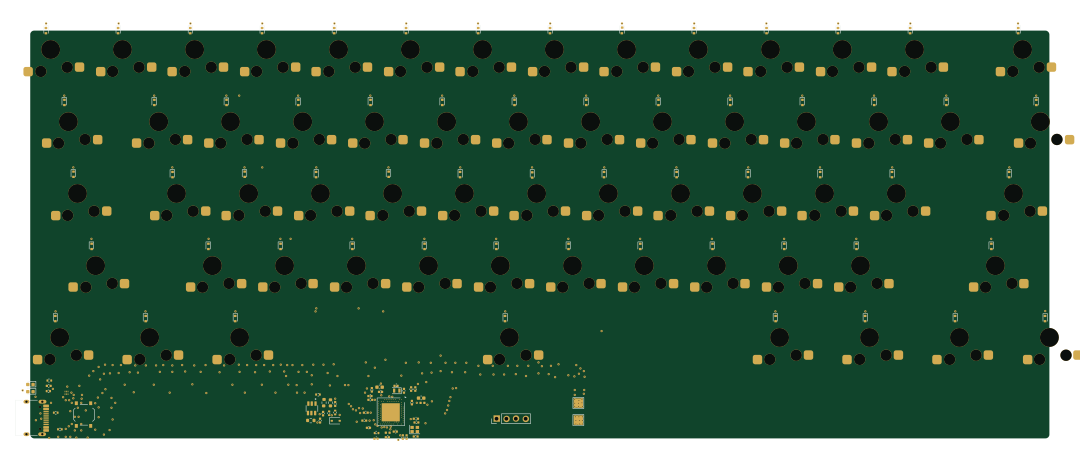 Nordic nRF
XD-keyboard
samdoes-stuff
269.7 × 107.9 mm172 parts2LNo license1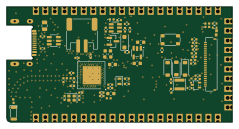 Nordic nRF
Nrf52840-microstamp xl
cheyao
59.7 × 30.5 mm71 parts4LCERN-OHL-P-2.01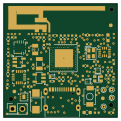 Nordic nRF
Vr trackers
1vers1on
30 × 30 mm61 parts4LNo license1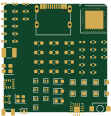 Nordic nRF
NRFBlueSlime-Tracker-HW
wb1016
27.3 × 28.6 mm61 parts4LMIT1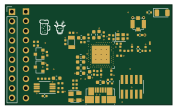 Nordic nRF
Brewce cooker hardware
ChristianHirsch
44.3 × 26.5 mm60 parts2LSHL-2.11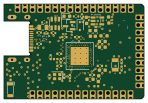 Nordic nRF
NRF52840-microstamp
37 × 25 mm45 parts4LNo license1- schematic only · 187 partsRP2040/RP2350
Fieldratchet
JacobFV
187 partsNo license1 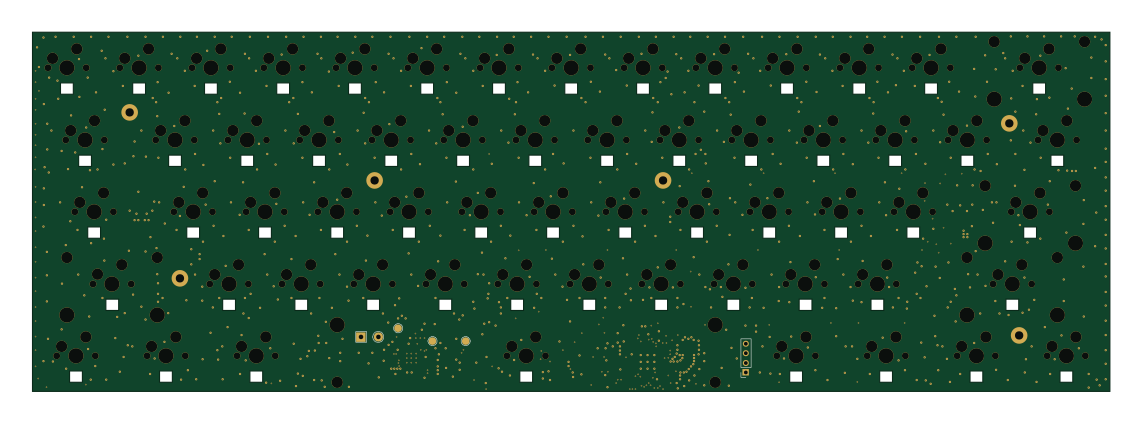 Nordic nRF
60WKeyboard
dac63701
285 × 95 mm296 parts4LNo license0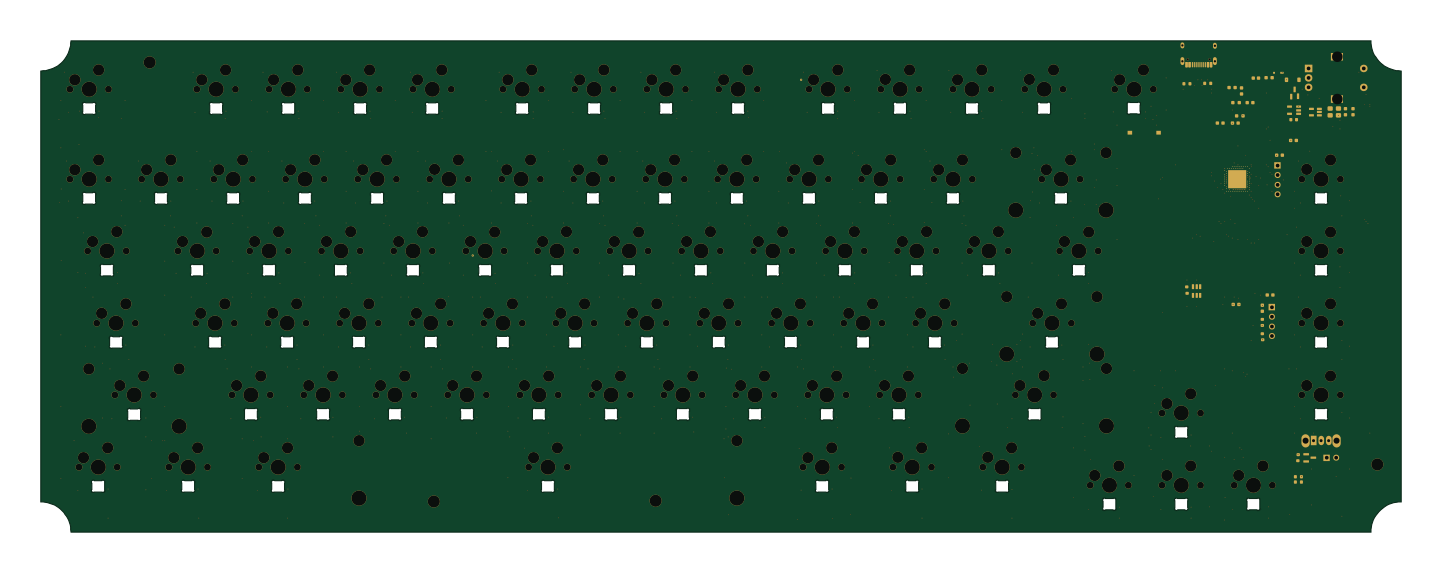 Nordic nRF
CHAOX-75
01HACKER01
360 × 130 mm289 parts2LNo license0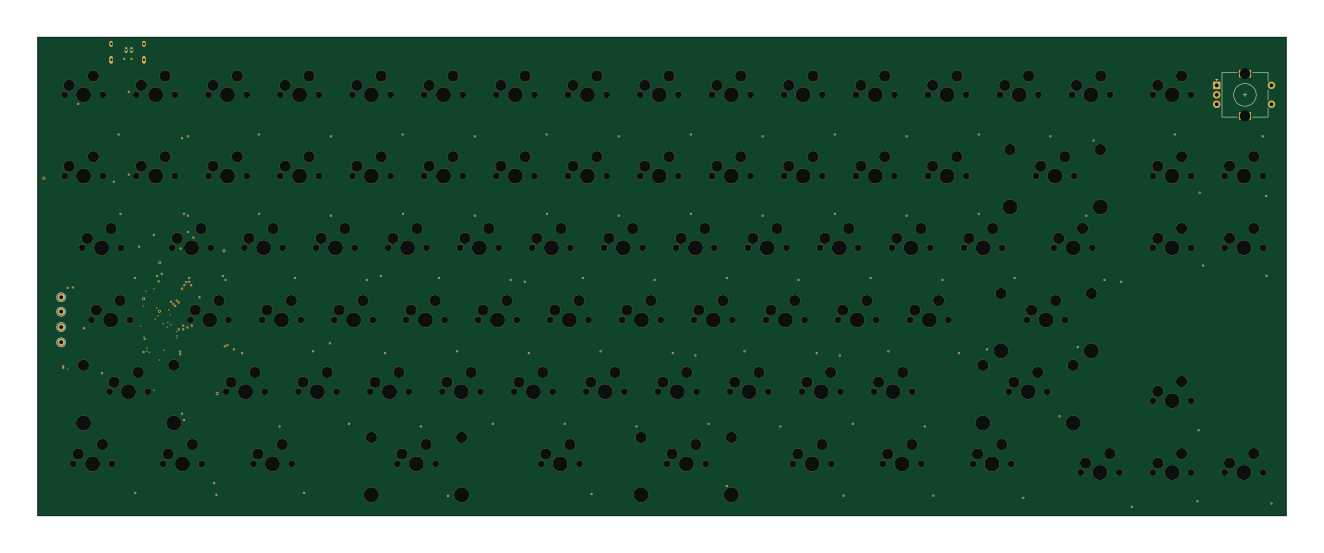 Nordic nRF
Cubitboard
cubit010
330.5 × 126.6 mm204 parts4LNo license0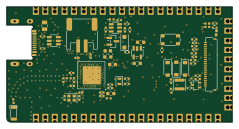 Nordic nRF
Nrf52840-stamp xl
cyao1234
59.7 × 30.5 mm71 parts4LCERN-OHL-P-2.00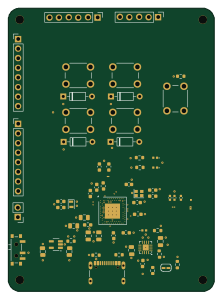 Nordic nRF
Nrf52840-devkit
samodostal
54.4 × 74.8 mm65 parts4LNo license0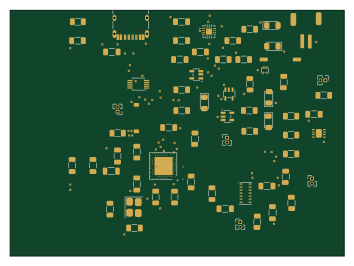 Nordic nRF
BabyMonitor
kparham0216
88.4 × 65 mm64 parts2LNo license0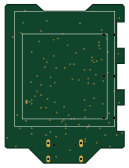 Nordic nRF
Hardware
edatki
31.5 × 42 mm60 parts2LNo license0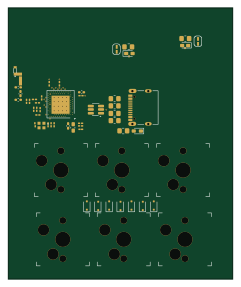 Nordic nRF
Macro devboard quarq
YingK8
59.4 × 71.7 mm56 parts2LNo license0 Nordic nRF
Smd smores
infopcgood
18 × 21.1 mm50 parts2LNo license0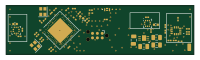 Nordic nRF
Smart-Arrow
artandtechspace
50 × 13 mm50 parts4LNo license0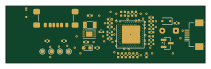 Nordic nRF
EyeReader
M7md0010
52.7 × 15 mm44 parts4LNo license0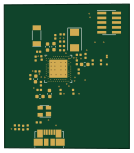 Nordic nRF
Sensor Board
tuw-cpsg
33.1 × 38.2 mm37 parts3LNo license0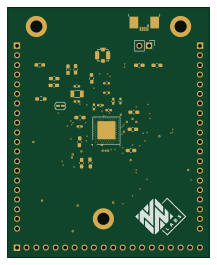 Nordic nRF
NN-nRF52840-CW308-target board
NozomiNetworks
53.3 × 66 mm30 parts4LCERN-OHL-S-2.00- schematic only · 187 partsRP2040/RP2350
Layla
amartyatatspandey
187 partsCustom license0 - schematic only · 61 partsNordic nRF
Smart pet tag
microvalu
61 partsNo license0 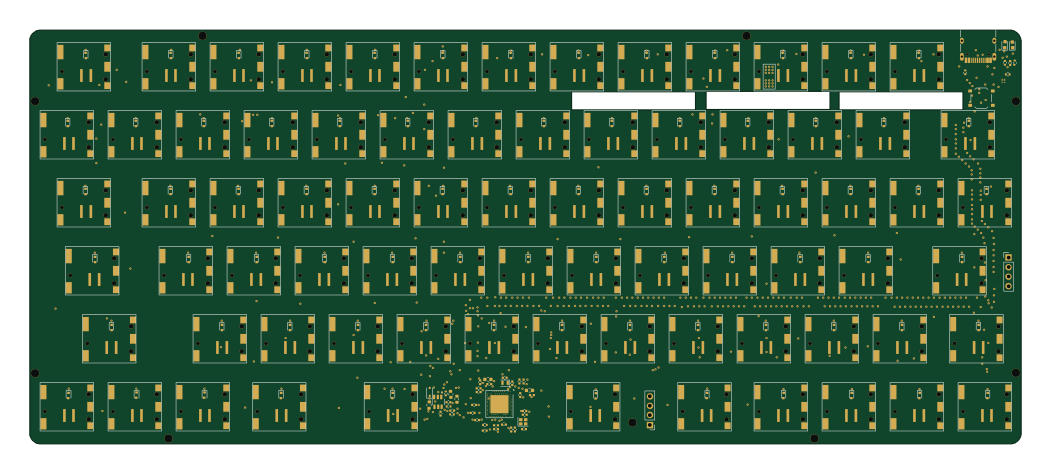 Nordic nRF
Keyboard
262.5 × 109.6 mm206 parts2LMIT4.3k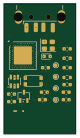 Nordic nRF
Dongle
19 × 34.5 mm20 parts2LNo license0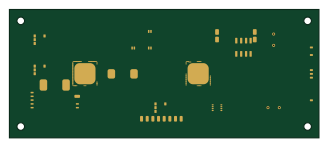 RP2040/RP2350
FiberPhantom — Covert Fiber Optic Network Tap & MITM Implant
jayis1
82 × 34 mm17 parts4LNo license3 Nordic nRF
Edge io ring fusion
gunnchOS3k
40 × 18 mm6 parts4LMIT0
How designs wire the nRF52840
Read from the KiCad layouts of 30 open source designs, one per repository: what each pin of the nRF52840 connects to, and the resistors, capacitors and other passives placed on it.
- The DEC4 pin has a capacitor to GND on 27 of 27 designs, most often 1 µF (then 47 nF).
- The DEC1 pin has a capacitor to GND on 27 of 27 designs, most often 100 nF.
- The ANT pin has a capacitor to GND on 27 of 27 designs, most often 8 e-13F (then 1 pF).
- The ANT pin has a inductor on 27 of 27 designs, most often 4.7 nH (then 3.9 nH).
| Pin | Connected to | Parts on the pin |
|---|---|---|
| DEC2pin A18 | Connected to: Not connected 74% · a signal 26% | — |
| VDDpin A22, AD14, AD23, B1, W1 | Connected to: 3.3V 86% |
|
| XC2pin A23 | Connected to: Signal 96% |
|
| DCCHpin AB2 | Connected to: Signal 52% · not connected 48% |
|
| DECUSBpin AC5 | Connected to: Signal 81% · not connected 19% |
|
| P0.16pin AC11 | Connected to: Not connected 64% · a signal 36% | — |
| P0.19pin AC15 | Connected to: Not connected 75% · a signal 25% | — |
| P0.21pin AC17 | Connected to: Not connected 82% · a signal 18% | — |
| P0.23pin AC19 | Connected to: Not connected 71% · a signal 29% | — |
| VBUSpin AD2 | Connected to: VBUS 75% |
|
| DCCpin B3 | Connected to: Signal 78% · not connected 22% |
|
| DEC4pin B5 | Connected to: Signal 100% |
|
| VSSpin B7, EP | Connected to: GND 100% | — |
| AIN6/P0.30pin B9 | Connected to: Not connected 85% | — |
| AIN4/P0.28pin B11 | Connected to: Not connected 89% | — |
| AIN1/P0.03pin B13 | Connected to: Not connected 75% · a signal 25% | — |
| P1.14pin B15 | Connected to: Not connected 93% | — |
| P1.12pin B17 | Connected to: Not connected 82% · a signal 18% | — |
| P1.11pin B19 | Connected to: Not connected 61% · a signal 39% | — |
| XC1pin B24 | Connected to: Signal 96% |
|
| DEC1pin C1 | Connected to: Signal 100% |
|
| XL1/P0.00pin D2 | Connected to: Signal 81% · not connected 19% |
|
| DEC3pin D23 | Connected to: Signal 96% |
|
| DEC6pin E24 | Connected to: Signal 96% |
|
| XL2/P0.01pin F2 | Connected to: Signal 81% · not connected 19% |
|
| VSS_PApin F23 | Connected to: GND 100% | — |
| P0.27pin H2 | Connected to: Not connected 82% · a signal 18% | — |
| ANTpin H23 | Connected to: Signal 100% |
|
| AIN3/P0.05pin K2 | Connected to: Not connected 81% · a signal 19% | — |
| TRACECLK/P0.07pin M2 | Connected to: Not connected 81% · a signal 19% | — |
| DEC5pin N24 | Connected to: Signal 89% |
|
| P1.08pin P2 | Connected to: Not connected 86% | — |
| P1.07pin P23 | Connected to: Not connected 79% · a signal 21% | — |
| TRACEDATA2/P0.11pin T2 | Connected to: Not connected 67% · a signal 33% | — |
| P1.05pin T23 | Connected to: Not connected 82% · a signal 18% | — |
| P1.03pin V23 | Connected to: Not connected 86% | — |
| VDDHpin Y2 | Connected to: 3.3V 89% |
|
| P1.01pin Y23 | Connected to: Not connected 64% · a signal 36% | — |
31 more pins vary from design to design. Connections count pins, parts count designs; values in brackets are how many parts had that value. Designs read include Keyboard by byrantech, PH60 by ph-design, Nrf52840-promicro by sasodoma and Borne keyboard by gibbz00.
The nRF52840 in open source designs
The gallery holds 35 open source boards using the nRF52840 from 34 GitHub repositories; a typical one measures about 56.9 × 45 mm and carries around 64 components.
53% use four copper layers or more, and 29% carry an open source license.
The most starred is Keyboard by byrantech.
Parts used alongside the nRF52840
Microcontrollers on boards using the nRF52840
What boards using the nRF52840 are built for
nRF52840: common questions
Where can I find a nRF52840 reference design?
Each of the 35 boards on this page is a real design using the nRF52840. Open one to see how it is wired up, with the full BOM, a render of the layout and links to its KiCad files.
How is the nRF52840 DEC4 pin connected?
The DEC4 pin has a capacitor to GND on 27 of 27 designs, most often 1 µF (then 47 nF). Counted from the KiCad layouts of 30 open source designs using the nRF52840.
How is the nRF52840 DEC1 pin connected?
The DEC1 pin has a capacitor to GND on 27 of 27 designs, most often 100 nF. Counted from the KiCad layouts of 30 open source designs using the nRF52840.
How is the nRF52840 ANT pin connected?
The ANT pin has a capacitor to GND on 27 of 27 designs, most often 8 e-13F (then 1 pF). Counted from the KiCad layouts of 30 open source designs using the nRF52840.
What parts are used alongside the nRF52840?
The BQ24075RGT, TP4057, ESDR0502NMUTAG, USBLC6-2SC6 and ADS131 adc appear in the most repositories here.
Which microcontrollers do boards using the nRF52840 use?
Most are built on Nordic nRF (31), RP2040/RP2350 (3) and ESP32 (1).
How big is a typical board using the nRF52840?
The median is 56.9 × 45 mm, and 47% are two-layer designs.
What is the most popular open source board using the nRF52840?
By GitHub stars, Keyboard by byrantech, with 4,264 stars.
Can I simulate one of these boards using the nRF52840 before building it?
Yes. HardLabs turns a board's netlist and BOM into a working simulation, so you can boot and test firmware against it with no hardware on your desk.