
12 open source boards using the ICM-42605
Real designs built with the ICM-42605, from public GitHub projects: a quick way to see how others power, decouple and connect it. Each board comes with its KiCad files, full parts list and a render — and you can simulate its firmware on HardLabs.
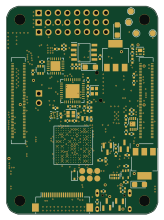 ESP32
CopterCat cm4
matveylapin
40 × 55 mm156 parts4LApache-2.03
Bluetera
ioteratech
18.1 × 18 mm39 parts4LMIT2- schematic only · 60 partsSTM32
Stm32-quadcopter fc
barrettbrody06
60 parts2LMIT1 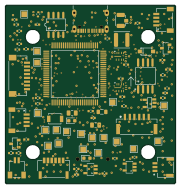 STM32
Iridium drone
kfilipekk
45 × 47.2 mm168 parts6LNo license0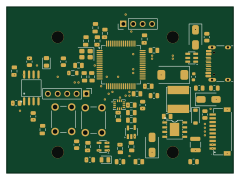 STM32
Drone PCB FC v2
Ethansuttor
60 × 44 mm61 parts4LNo license0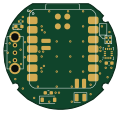 Nordic nRF
TakenTracker
issaimaru
30 × 28 mm18 parts2LApache-2.00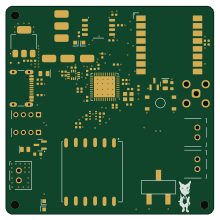 STM32
DroneController
FPV-Drone-STM32F411
55 × 55 mm65 parts4LNo license57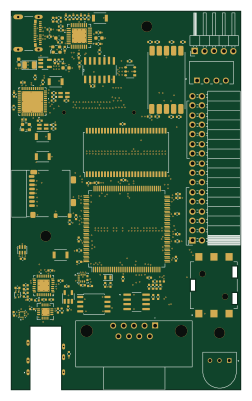 STM32
CpuAddOn
logisim-evolution
60.6 × 100 mm138 parts6LMIT18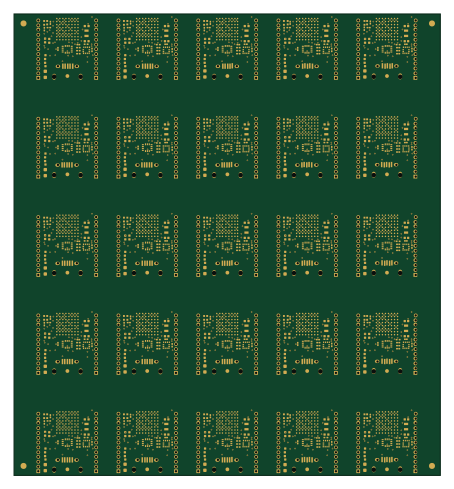
Panel
112.7 × 122 mm39 parts4LMIT2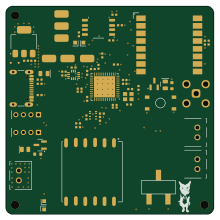 STM32
DroneController
IoT-App-Development-Company
55 × 55 mm65 parts4LNo license1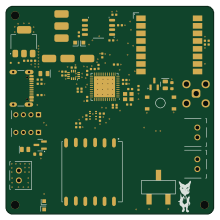 STM32
DroneController
Monacrylic
55 × 55 mm65 parts4LNo license2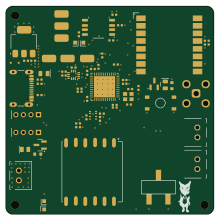 STM32
X drone controller
55 × 55 mm65 parts4LNo license2
How designs wire the ICM-42605
Read from the KiCad layouts of 9 open source designs, one per repository: what each pin of the ICM-42605 connects to, and the resistors, capacitors and other passives placed on it.
- The VDDIO pin has a decoupling capacitor on 9 of 9 designs, most often 100 nF (then 2.2 µF).
- The VDD pin has a decoupling capacitor on 9 of 9 designs, most often 100 nF (then 2.2 µF).
- The AP_CS pin has a pull-up to 3.3V on 4 of 9 designs, most often 5.1 kΩ (then 10 kΩ).
| Pin | Connected to | Parts on the pin |
|---|---|---|
| VDDIOpin 5 | Connected to: 3.3V 89% |
|
| GNDpin 6 | Connected to: GND 100% | — |
| VDDpin 8 | Connected to: 3.3V 89% |
|
| AP_CSpin 12 | Connected to: The microcontroller 89% |
|
6 more pins vary from design to design. Connections count pins, parts count designs; values in brackets are how many parts had that value. Designs read include DroneController by FPV-Drone-STM32F411, CpuAddOn by logisim-evolution, CopterCat cm4 by matveylapin and Bluetera by ioteratech.
The ICM-42605 in open source designs
The gallery holds 12 open source boards using the ICM-42605 from 10 GitHub repositories; a typical one measures about 55 × 55 mm and carries around 65 components.
83% use four copper layers or more, and 50% carry an open source license.
The most starred is DroneController by FPV-Drone-STM32F411.
Parts used alongside the ICM-42605
Microcontrollers on boards using the ICM-42605
What boards using the ICM-42605 are built for
ICM-42605: common questions
Where can I find a ICM-42605 reference design?
Each of the 12 boards on this page is a real design using the ICM-42605. Open one to see how it is wired up, with the full BOM, a render of the layout and links to its KiCad files.
What decoupling capacitors do designs use on the ICM-42605 VDDIO pin?
The VDDIO pin has a decoupling capacitor on 9 of 9 designs, most often 100 nF (then 2.2 µF). Counted from the KiCad layouts of 9 open source designs using the ICM-42605.
What decoupling capacitors do designs use on the ICM-42605 VDD pin?
The VDD pin has a decoupling capacitor on 9 of 9 designs, most often 100 nF (then 2.2 µF). Counted from the KiCad layouts of 9 open source designs using the ICM-42605.
What pull-up resistor is used on the ICM-42605 AP_CS pin?
The AP_CS pin has a pull-up to 3.3V on 4 of 9 designs, most often 5.1 kΩ (then 10 kΩ). Counted from the KiCad layouts of 9 open source designs using the ICM-42605.
What parts are used alongside the ICM-42605?
The BMP280, L86-M33, STM32F411CEU6, W25Q128JVSIQ and AP2112K-3.3 appear in the most repositories here.
Which microcontrollers do boards using the ICM-42605 use?
Most are built on STM32 (8), ESP32 (1) and Nordic nRF (1).
How big is a typical board using the ICM-42605?
The median is 55 × 55 mm, and 17% are two-layer designs.
What is the most popular open source board using the ICM-42605?
By GitHub stars, DroneController by FPV-Drone-STM32F411, with 57 stars.
Can I simulate one of these boards using the ICM-42605 before building it?
Yes. HardLabs turns a board's netlist and BOM into a working simulation, so you can boot and test firmware against it with no hardware on your desk.