
19 open source boards using the INA180A3
Real designs built with the INA180A3, from public GitHub projects: a quick way to see how others power, decouple and connect it. Each board comes with its KiCad files, full parts list and a render — and you can simulate its firmware on HardLabs.
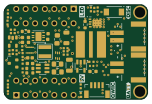
MistMaker-Battery-Kit
Dav1dyang
38 × 25.1 mm54 parts2LMIT26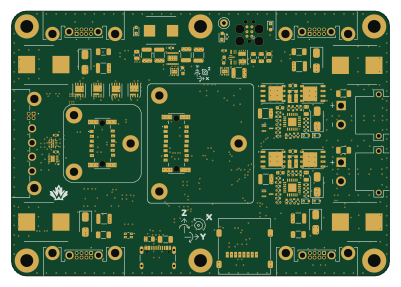 STM32
CanardBoard
waterloo-rocketry
100 × 70 mm244 parts6LGPL-3.015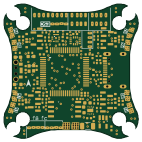 STM32
F8-fc h7 rev a
victorhook
35.5 × 35.5 mm105 parts4LNo license6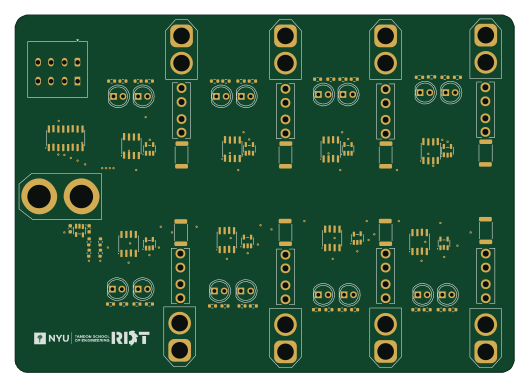
Current Sensing
nyu-rdt
132 × 94.5 mm98 parts2LNo license3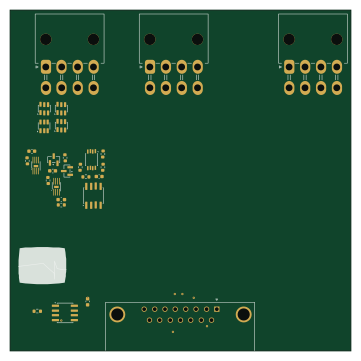
HackerDAQ Digital IO Card
multiplemonomials
90 × 90 mm251 parts2LNo license2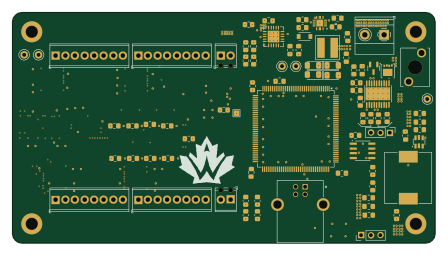 STM32
Input board
111.8 × 61 mm167 parts6LNo license0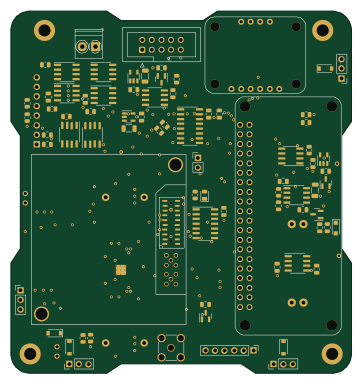 Raspberry Pi
Piridium bus
Alan-JH
90.2 × 95.9 mm156 parts4LCC-BY-NC-4.00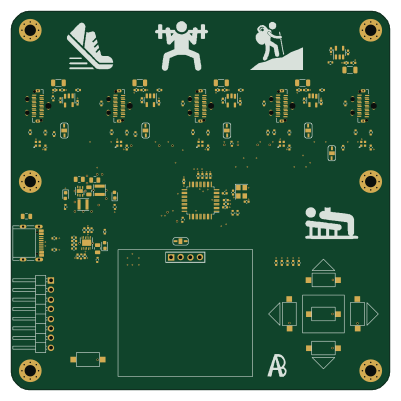 STM32
SilhouetteSync Charger V1
myles-parfeniuk
100 × 100 mm128 parts2LGPL-3.00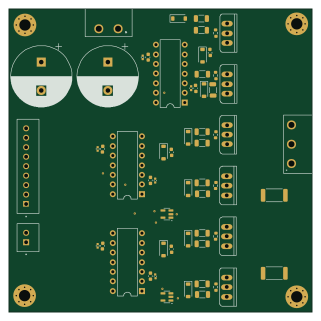
BLDC DRIVE V1.0
NabilHassan11
80 × 80 mm55 parts2LApache-2.00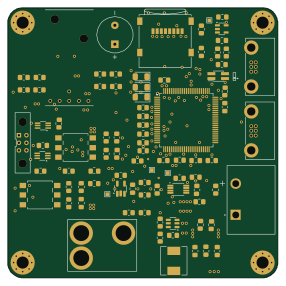 STM32
SRAD Altimeter
71.4 × 71.4 mm133 parts4LGPL-3.015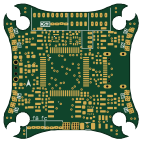 STM32
F8-fc rev a
35.5 × 35.5 mm105 parts4LNo license6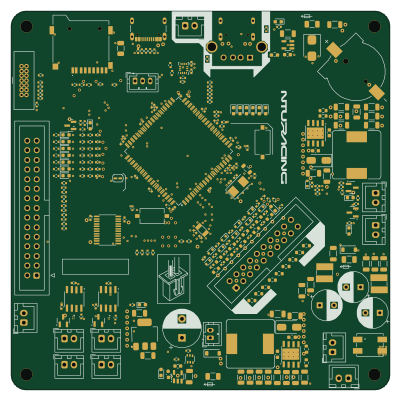 STM32
VCU
NTURacingTeam
100 × 100 mm304 parts4LNo license4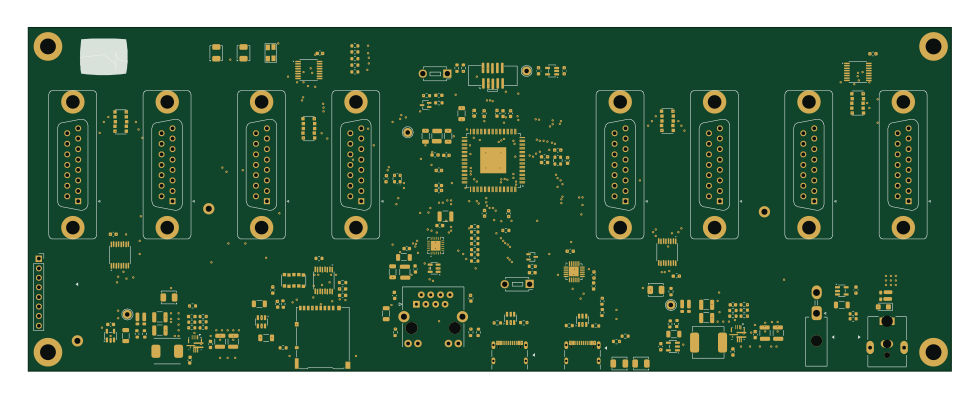
HackerDAQ Main Unit
244.5 × 91 mm177 parts4LNo license2
MistMaker-Seeed-Expansion-V0.1
17.8 × 21 mm17 parts2LMIT26- schematic only · 112 partsSTM32
Automedon
112 parts2LNo license0 
MistMaker-Seeed-Extension-V0.1
17.8 × 21 mm17 parts2LMIT26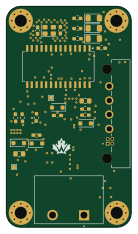 PIC
Rocket power board
33 × 58.4 mm79 parts4LGPL-3.015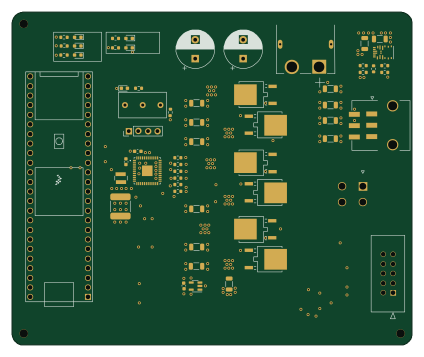 NXP
Motortester v2.0
RoboJackets
105.9 × 88.1 mm76 parts4LApache-2.032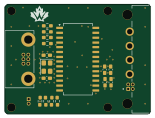 PIC
Camera interface CAN board
38.6 × 29 mm44 parts4LGPL-3.015
How designs wire the INA180A3
Read from the KiCad layouts of 11 open source designs, one per repository: what each pin of the INA180A3 connects to, and the resistors, capacitors and other passives placed on it.
- The V+ pin has a decoupling capacitor on 7 of 11 designs, most often 100 nF (then 10 µF).
- The GND pins have a series resistor on 6 of 11 designs, most often 10 kΩ (then 1 kΩ).
| Pin | Connected to | Parts on the pin |
|---|---|---|
| GNDpin 1, 2 | Connected to: Signal 55% · GND 45% |
|
| +pin 3 | Connected to: Signal 64% · 5V 36% |
|
| V+pin 5 | Connected to: 3.3V 75% · a signal 17% |
|
1 more pin varies from design to design. Connections count pins, parts count designs; values in brackets are how many parts had that value. Designs read include Motortester v2.0 by RoboJackets, MistMaker-Battery-Kit by Dav1dyang, SRAD Altimeter by waterloo-rocketry and F8-fc h7 rev a by victorhook.
The INA180A3 in open source designs
The gallery holds 19 open source boards using the INA180A3 from 11 GitHub repositories; a typical one measures about 85 × 70.7 mm and carries around 105 components.
58% use four copper layers or more, and 53% carry an open source license.
The most starred is Motortester v2.0 by RoboJackets.
Parts used alongside the INA180A3
Microcontrollers on boards using the INA180A3
What boards using the INA180A3 are built for
INA180A3: common questions
Where can I find a INA180A3 reference design?
Each of the 19 boards on this page is a real design using the INA180A3. Open one to see how it is wired up, with the full BOM, a render of the layout and links to its KiCad files.
What decoupling capacitors do designs use on the INA180A3 V+ pin?
The V+ pin has a decoupling capacitor on 7 of 11 designs, most often 100 nF (then 10 µF). Counted from the KiCad layouts of 11 open source designs using the INA180A3.
What resistor goes on the INA180A3 GND pin?
The GND pins have a series resistor on 6 of 11 designs, most often 10 kΩ (then 1 kΩ). Counted from the KiCad layouts of 11 open source designs using the INA180A3.
Which microcontrollers do boards using the INA180A3 use?
Most are built on STM32 (8), PIC (2), NXP (1) and Raspberry Pi (1).
How big is a typical board using the INA180A3?
The median is 85 × 70.7 mm, and 42% are two-layer designs.
What is the most popular open source board using the INA180A3?
By GitHub stars, Motortester v2.0 by RoboJackets, with 32 stars.
Can I simulate one of these boards using the INA180A3 before building it?
Yes. HardLabs turns a board's netlist and BOM into a working simulation, so you can boot and test firmware against it with no hardware on your desk.