
14 open source boards using the TPS54360DDA
Real designs built with the TPS54360DDA, from public GitHub projects: a quick way to see how others power, decouple and connect it. Each board comes with its KiCad files, full parts list and a render — and you can simulate its firmware on HardLabs.
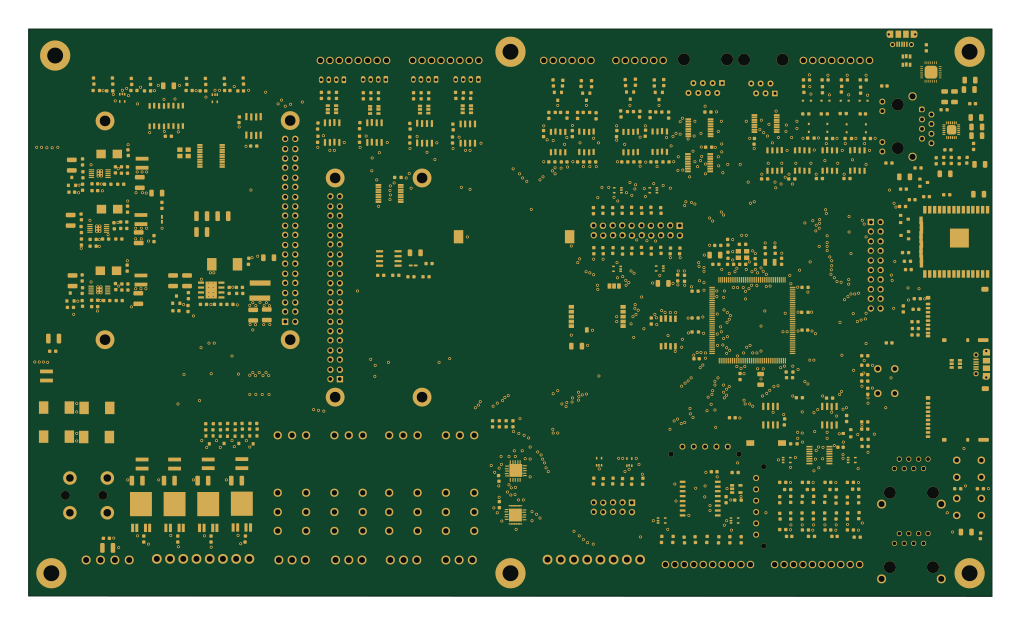 ESP32
Womo
muccc
254.9 × 150.1 mm532 parts4LGPL-3.084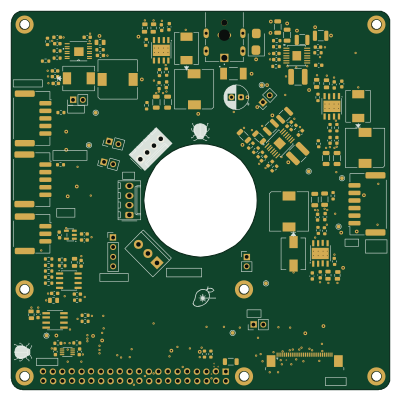
LaserBrain
Rivercraft911
100 × 100 mm143 parts4LNo license1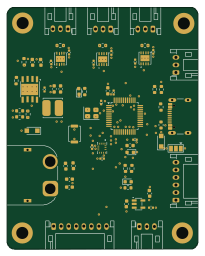 STM32
Tripod-Controller
GoTouchGra55
50.5 × 64 mm83 parts4LMIT1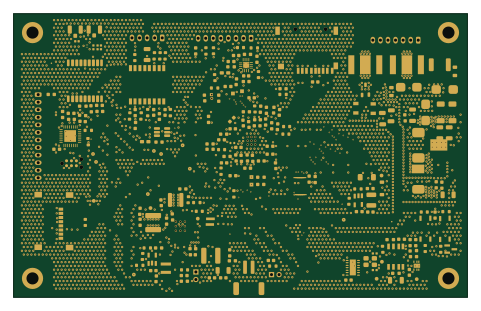 STM32
ControlPanelV3S
bartkepl
120 × 75 mm300 parts4LMIT0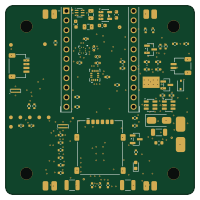 RP2040/RP2350
LFX FC R2
nguyencanhanh
50 × 50 mm113 parts4LMIT0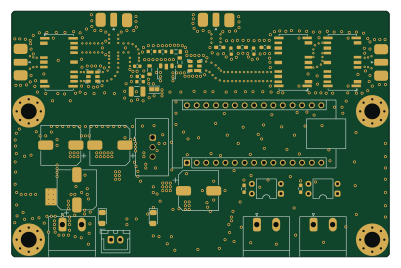 AVR/Arduino
STS1 GS TRX Switch
SpaceTeam
100 × 65 mm103 parts4LMIT0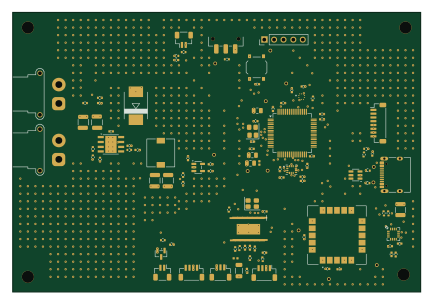 STM32
Stm32-flight controller
bassammorsy
108 × 74 mm100 parts4LMIT0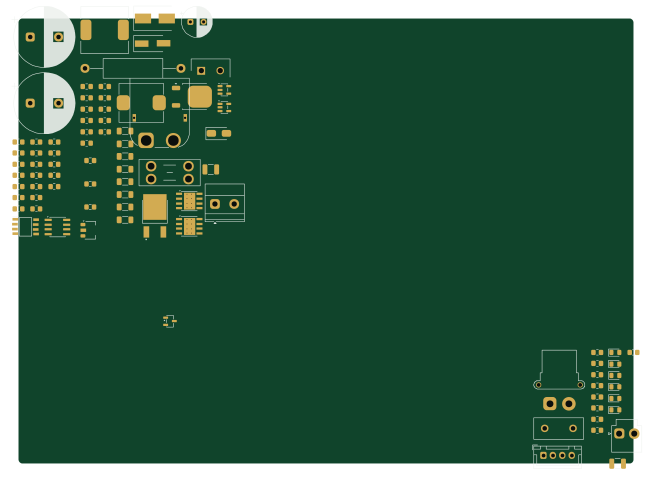
StepperMotorController
efebasol
162.8 × 117.8 mm85 parts2LNo license0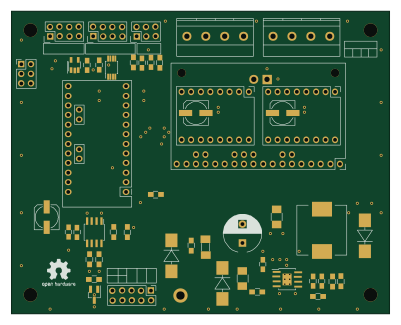 AVR/Arduino
Satnogs rotator controller
tt-laboratories
100 × 80 mm65 parts2LCERN-OHL-1.20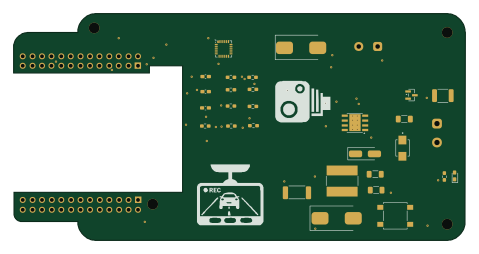
FutureSight CAR
birbh
119.5 × 60 mm33 parts2LNo license0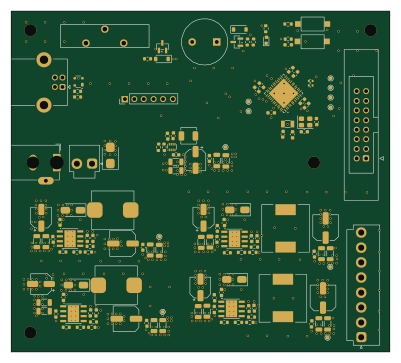 STM32
Control board
EERNINUO
100 × 90 mm134 parts4LGPL-3.036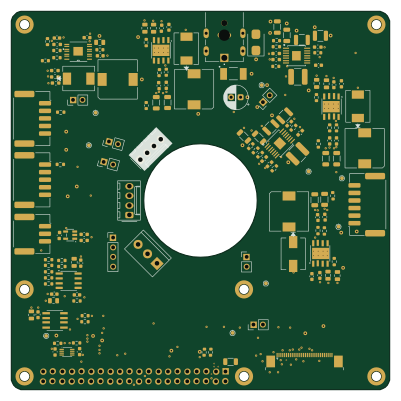
Pcb-AMY
100 × 100 mm143 parts4LNo license1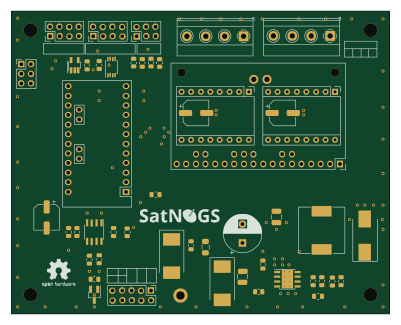 AVR/Arduino
SatNOGS Rotator Controller v2.4
AFS-pt
100 × 80 mm65 parts2LNo license15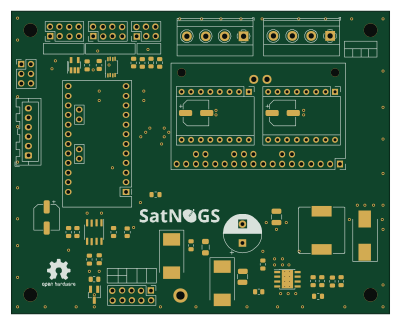 AVR/Arduino
SatNOGS Rotator Controller v2.4
parsa-novin
100 × 80 mm66 parts2LNo license2
How designs wire the TPS54360DDA
Read from the KiCad layouts of 13 open source designs, one per repository: what each pin of the TPS54360DDA connects to, and the resistors, capacitors and other passives placed on it.
- The BOOT_1 pin has a series capacitor on 13 of 13 designs, most often 100 nF.
- The RT/CLK_4 pin has a resistor to GND on 13 of 13 designs, most often 162 kΩ (then 221 kΩ).
- The FB_5 pin has a resistor to GND on 13 of 13 designs, most often 10.2 kΩ (then 10.5 kΩ).
- The SW_8 pin has a series capacitor on 13 of 13 designs, most often 100 nF.
| Pin | Connected to | Parts on the pin |
|---|---|---|
| BOOT_1pin 1 | Connected to: Signal 100% |
|
| VIN_2pin 2 | Connected to: BATT 62% · a signal 38% |
|
| EN_3pin 3 | Connected to: Not connected 46% · a signal 46% |
|
| RT/CLK_4pin 4 | Connected to: Signal 100% |
|
| FB_5pin 5 | Connected to: Signal 100% |
|
| COMP_6pin 6 | Connected to: Signal 100% |
|
| GND_7pin 7 | Connected to: GND 100% | — |
| SW_8pin 8 | Connected to: Signal 100% |
|
| GNDPAD_9pin 9 | Connected to: GND 100% | — |
Connections count pins, parts count designs; values in brackets are how many parts had that value. Designs read include Womo by muccc, Control board by EERNINUO, SatNOGS Rotator Controller v2.4 by AFS-pt and SatNOGS Rotator Controller v2.4 by parsa-novin.
The TPS54360DDA in open source designs
The gallery holds 14 open source boards using the TPS54360DDA from 13 GitHub repositories; a typical one measures about 100 × 80 mm and carries around 102 components.
64% use four copper layers or more, and 57% carry an open source license.
The most starred is Womo by muccc.
Parts used alongside the TPS54360DDA
Microcontrollers on boards using the TPS54360DDA
What boards using the TPS54360DDA are built for
TPS54360DDA: common questions
Where can I find a TPS54360DDA reference design?
Each of the 14 boards on this page is a real design using the TPS54360DDA. Open one to see how it is wired up, with the full BOM, a render of the layout and links to its KiCad files.
How is the TPS54360DDA BOOT_1 pin connected?
The BOOT_1 pin has a series capacitor on 13 of 13 designs, most often 100 nF. Counted from the KiCad layouts of 13 open source designs using the TPS54360DDA.
What resistor goes on the TPS54360DDA RT/CLK_4 pin?
The RT/CLK_4 pin has a resistor to GND on 13 of 13 designs, most often 162 kΩ (then 221 kΩ). Counted from the KiCad layouts of 13 open source designs using the TPS54360DDA.
What resistor goes on the TPS54360DDA FB_5 pin?
The FB_5 pin has a resistor to GND on 13 of 13 designs, most often 10.2 kΩ (then 10.5 kΩ). Counted from the KiCad layouts of 13 open source designs using the TPS54360DDA.
What parts are used alongside the TPS54360DDA?
The PCA9540B, Pololu_Dual_MC33926, SN65HVD485EDR, TC74 and USBLC6-2SC6 appear in the most repositories here.
Which microcontrollers do boards using the TPS54360DDA use?
Most are built on AVR/Arduino (4), STM32 (4), ESP32 (1) and RP2040/RP2350 (1).
How big is a typical board using the TPS54360DDA?
The median is 100 × 80 mm, and 36% are two-layer designs.
What is the most popular open source board using the TPS54360DDA?
By GitHub stars, Womo by muccc, with 84 stars.
Can I simulate one of these boards using the TPS54360DDA before building it?
Yes. HardLabs turns a board's netlist and BOM into a working simulation, so you can boot and test firmware against it with no hardware on your desk.