
15 open source boards using the KSZ9031RNXCA
Real designs built with the KSZ9031RNXCA, from public GitHub projects: a quick way to see how others power, decouple and connect it. Each board comes with its KiCad files, full parts list and a render — and you can simulate its firmware on HardLabs.
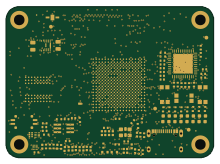
Ulx5m gs
intergalaktik
55 × 40 mm272 parts6LCustom license64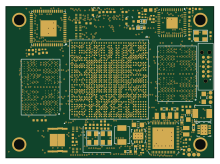 STM32
Arvsom
antmicro
55 × 40 mm427 parts6LApache-2.045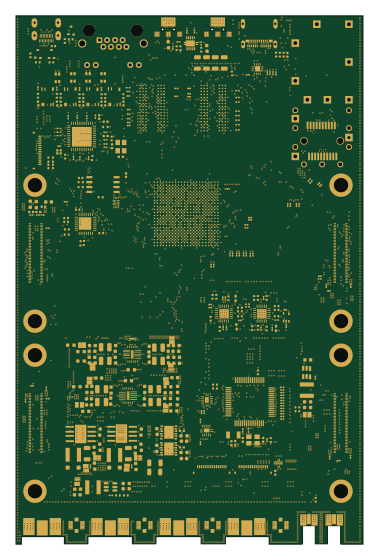 STM32
TRNXSDR-carrier
acruxcz
91.8 × 139.8 mm702 parts6LCERN-OHL-S-2.015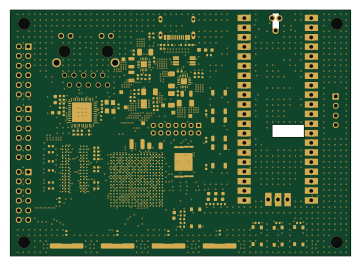 RP2040/RP2350
Digital board v1
es-ude
90 × 65 mm240 parts8LMIT4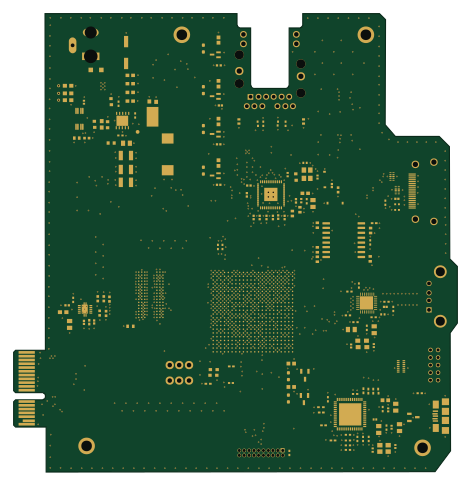 FPGA
Artix-7-FPGA-Dev-Board
LZajmi
117.3 × 121.3 mm360 parts8LCustom license3- schematic only · 192 partsFPGA
NetStream-Caravel
adulu-bang
192 partsApache-2.03 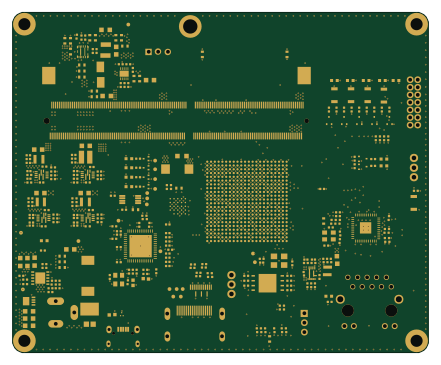 FPGA
Hardware for kintex
Singleboardcomputer
110 × 90 mm466 parts8LNo license1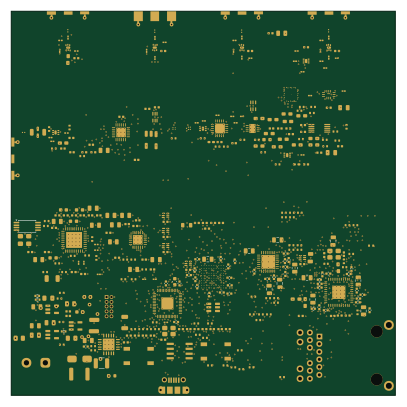 RP2040/RP2350
Code-SDR-V2
iamdarshg
101.6 × 101.6 mm373 parts4LNo license1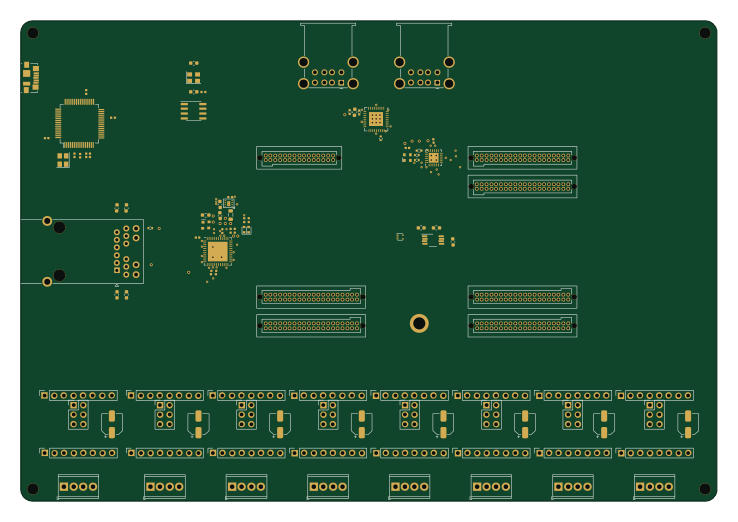
Replicookie
cmcquinn
184.2 × 127 mm173 parts6LCERN-OHL-S-2.01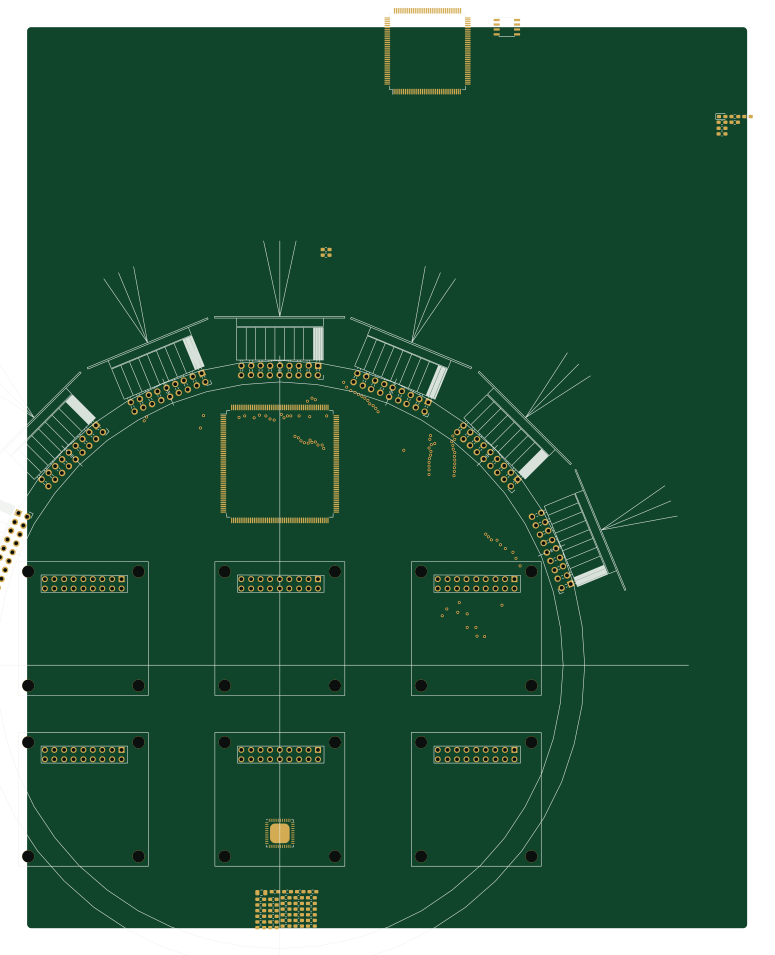 FPGA
Multi video streamer
tomverbeure
190.7 × 238.5 mm61 parts2LNo license1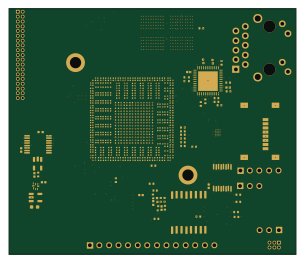
Agilex3 soc control card
johonkanen
76 × 65.1 mm264 parts8LMIT0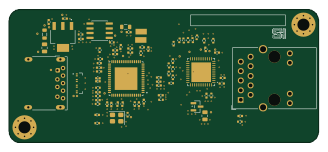
USB3 Ethernet Interface
AyushShuklaaa7
81.9 × 35.3 mm75 parts4LMIT0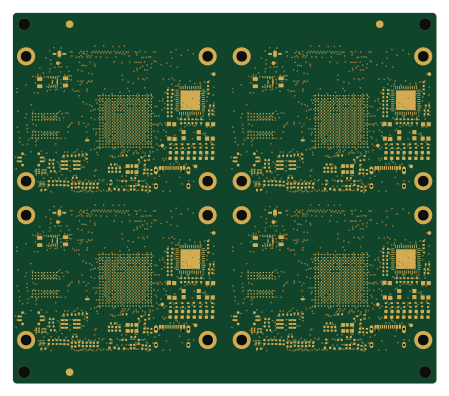
Ulx5m gs panel checked v002
112 × 98 mm272 parts6LCustom license64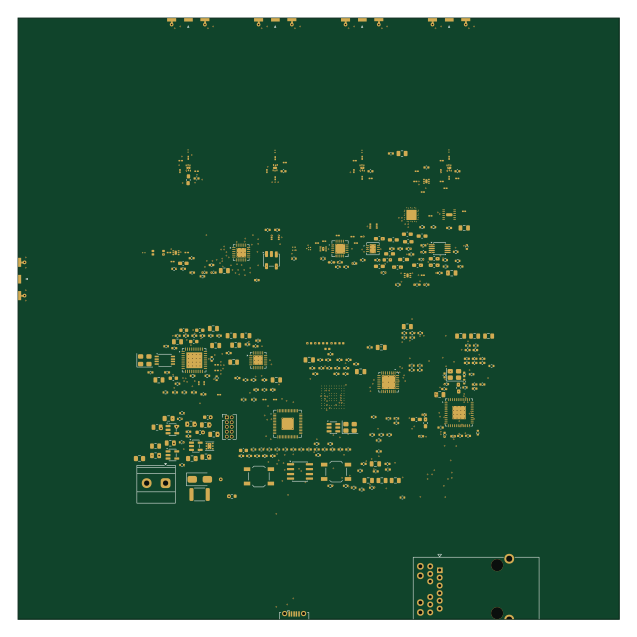 RP2040/RP2350
V2-candidate snapshot
159 × 159 mm344 parts4LNo license1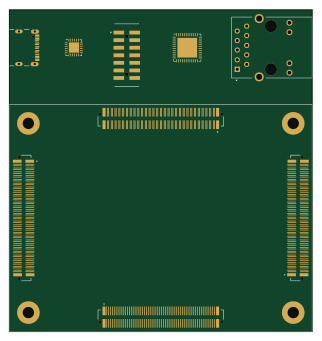
Alinx carrier
hdlguy
80 × 85 mm9 parts2LMIT3
How designs wire the KSZ9031RNXCA
Read from the KiCad layouts of 11 open source designs, one per repository: what each pin of the KSZ9031RNXCA connects to, and the resistors, capacitors and other passives placed on it.
- The AVDDH pins have a decoupling capacitor on 10 of 11 designs, most often 100 nF (then 10 µF).
- The AVDDL pins have a decoupling capacitor on 10 of 11 designs, most often 100 nF (then 10 µF).
- The ISET pin has a resistor to GND on 10 of 10 designs, most often 12.1 kΩ (then 12 kΩ).
- The DVDDL pins have a decoupling capacitor on 9 of 10 designs, most often 100 nF (then 10 nF).
| Pin | Connected to | Parts on the pin |
|---|---|---|
| AVDDHpin 1, 12 | Connected to: AVDDH 76% · a signal 24% |
|
| AVDDLpin 4, 9 | Connected to: AVDDL 81% · a signal 19% |
|
| NCpin 13, 47 | Connected to: Not connected 100% | — |
| DVDDLpin 14, 18, 23, 26, 30, 39 | Connected to: 1.2V 100% |
|
| LED2/PHYAD1pin 15 | Connected to: A connector 50% |
|
| DVDDHpin 16, 34, 40 | Connected to: 3.3V 100% |
|
| LED1/PHAD0/PME_N1pin 17 | Connected to: A connector 50% |
|
| GTX_CLKpin 24 | Connected to: The microcontroller 30% |
|
| RXD3/MODE3pin 27 | Connected to: The microcontroller 40% |
|
| RXD2/MODE2pin 28 | Connected to: The microcontroller 40% |
|
| VSSpin 29 | Connected to: GND 100% | — |
| RXD1/MODE1pin 31 | Connected to: The microcontroller 40% |
|
| RXD0/MODE0pin 32 | Connected to: The microcontroller 40% |
|
| RX_DV/CLK125_ENpin 33 | Connected to: The microcontroller 40% |
|
| RX_CLK/PHYAD2pin 35 | Connected to: The microcontroller 30% |
|
| MDIOpin 37 | Connected to: The microcontroller 40% |
|
| INT_N/PME_N2pin 38 | Connected to: The microcontroller 30% · not connected 20% |
|
| CLK125_NDO/LED_MODEpin 41 | Connected to: The microcontroller 30% |
|
| RESET_Npin 42 | Connected to: The microcontroller 20% · not connected 20% |
|
| LDO_Opin 43 | Connected to: Not connected 90% | — |
| AVDDL_PLLpin 44 | Connected to: AVDDL_PLL 80% · a signal 20% |
|
| XOpin 45 | Connected to: Signal 60% · not connected 40% |
|
| XIpin 46 | Connected to: Signal 90% |
|
| ISETpin 48 | Connected to: Signal 100% |
|
| PAD_GNDpin 49 | Connected to: GND 100% | — |
14 more pins vary from design to design. Connections count pins, parts count designs; values in brackets are how many parts had that value. Designs read include Ulx5m gs by intergalaktik, Arvsom by antmicro, TRNXSDR-carrier by acruxcz and Digital board v1 by es-ude.
The KSZ9031RNXCA in open source designs
The gallery holds 15 open source boards using the KSZ9031RNXCA from 13 GitHub repositories; a typical one measures about 96.7 × 94 mm and carries around 272 components.
86% use four copper layers or more, and 53% carry an open source license.
The most starred is Ulx5m gs by intergalaktik.
Parts used alongside the KSZ9031RNXCA
Microcontrollers on boards using the KSZ9031RNXCA
What boards using the KSZ9031RNXCA are built for
KSZ9031RNXCA: common questions
Where can I find a KSZ9031RNXCA reference design?
Each of the 15 boards on this page is a real design using the KSZ9031RNXCA. Open one to see how it is wired up, with the full BOM, a render of the layout and links to its KiCad files.
What decoupling capacitors do designs use on the KSZ9031RNXCA AVDDH pin?
The AVDDH pins have a decoupling capacitor on 10 of 11 designs, most often 100 nF (then 10 µF). Counted from the KiCad layouts of 11 open source designs using the KSZ9031RNXCA.
What decoupling capacitors do designs use on the KSZ9031RNXCA AVDDL pin?
The AVDDL pins have a decoupling capacitor on 10 of 11 designs, most often 100 nF (then 10 µF). Counted from the KiCad layouts of 11 open source designs using the KSZ9031RNXCA.
What resistor goes on the KSZ9031RNXCA ISET pin?
The ISET pin has a resistor to GND on 10 of 10 designs, most often 12.1 kΩ (then 12 kΩ). Counted from the KiCad layouts of 11 open source designs using the KSZ9031RNXCA.
What parts are used alongside the KSZ9031RNXCA?
The AS4C256M16D3, LM3881MME/NOPB and TPS51200DRCR appear in the most repositories here.
Which microcontrollers do boards using the KSZ9031RNXCA use?
Most are built on FPGA (4), RP2040/RP2350 (3) and STM32 (2).
How big is a typical board using the KSZ9031RNXCA?
The median is 96.7 × 94 mm, and 14% are two-layer designs.
What is the most popular open source board using the KSZ9031RNXCA?
By GitHub stars, Ulx5m gs by intergalaktik, with 64 stars.
Can I simulate one of these boards using the KSZ9031RNXCA before building it?
Yes. HardLabs turns a board's netlist and BOM into a working simulation, so you can boot and test firmware against it with no hardware on your desk.