
18 open source boards using the L7806
Real designs built with the L7806, from public GitHub projects: a quick way to see how others power, decouple and connect it. Each board comes with its KiCad files, full parts list and a render — and you can simulate its firmware on HardLabs.
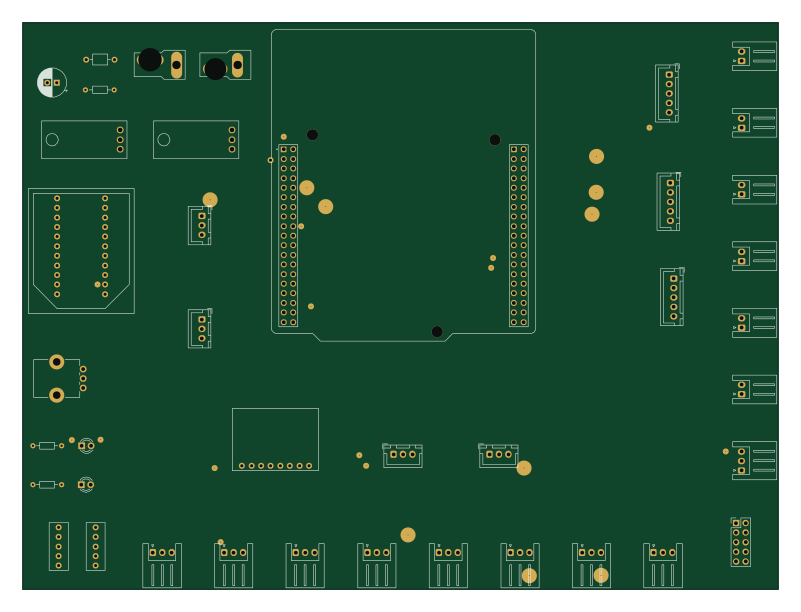
2022NHK Include
nalinally
200 × 150 mm40 parts2LNo license6- schematic only · 31 partsESP32
CatFlap HA
FauthD
31 partsGPL-3.04 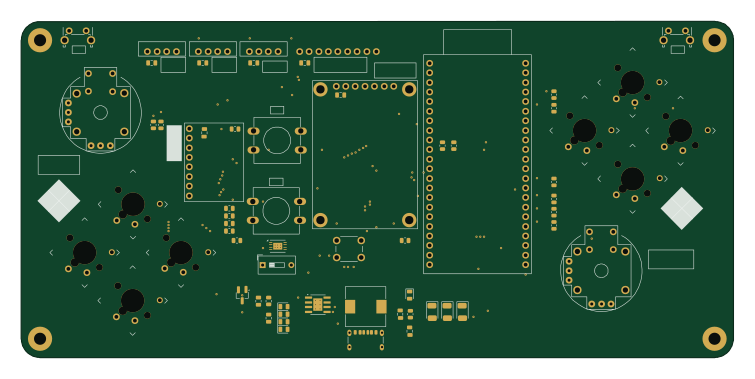 ESP32
Esp gamepad v2
Reiko0908
188.5 × 88.9 mm66 parts2LApache-2.02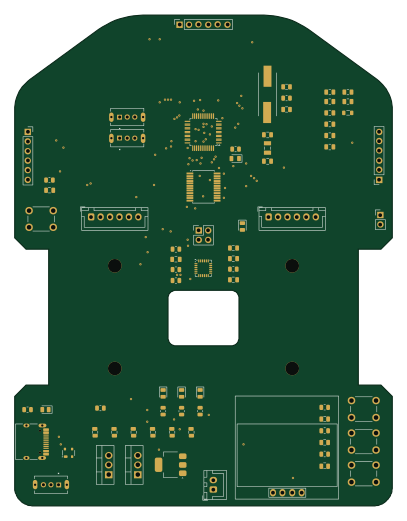 STM32
Micromouse v2
minindupasan
100 × 130 mm74 parts2LNo license1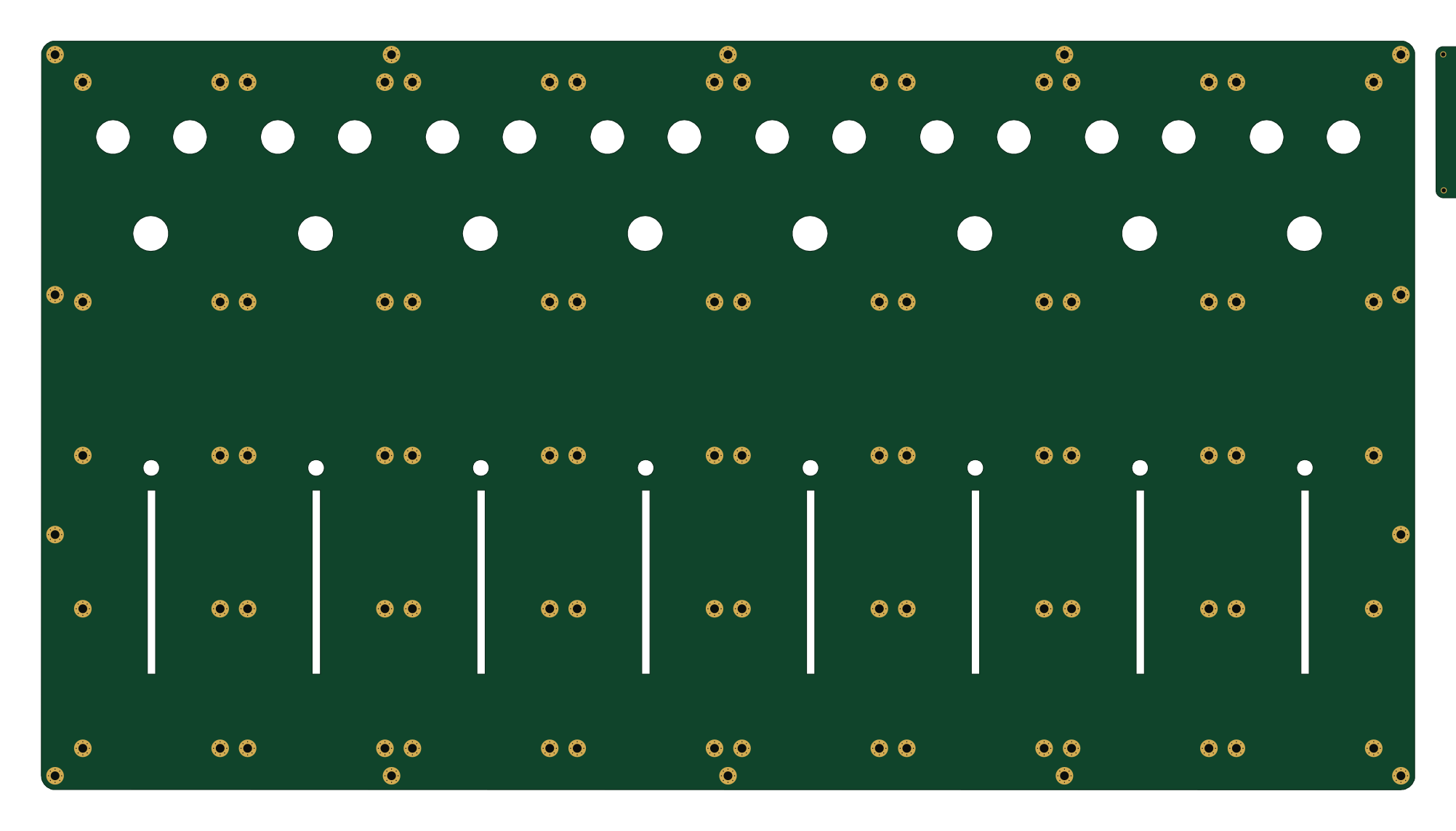
JL-rev1
acastles91
500 × 272.5 mm298 parts4LNo license0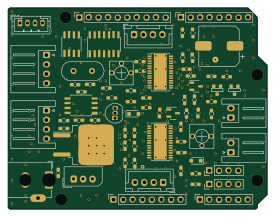
Golf-Robot-2024
ibuki-oono
68.6 × 53.3 mm75 parts2LNo license0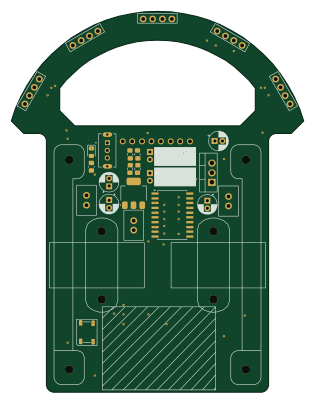 ESP32
Micromouse
77.4 × 100.8 mm49 parts2LApache-2.02
50-10000 MHz SMT LNA
RomiFC
35 × 35 mm19 parts4LNo license2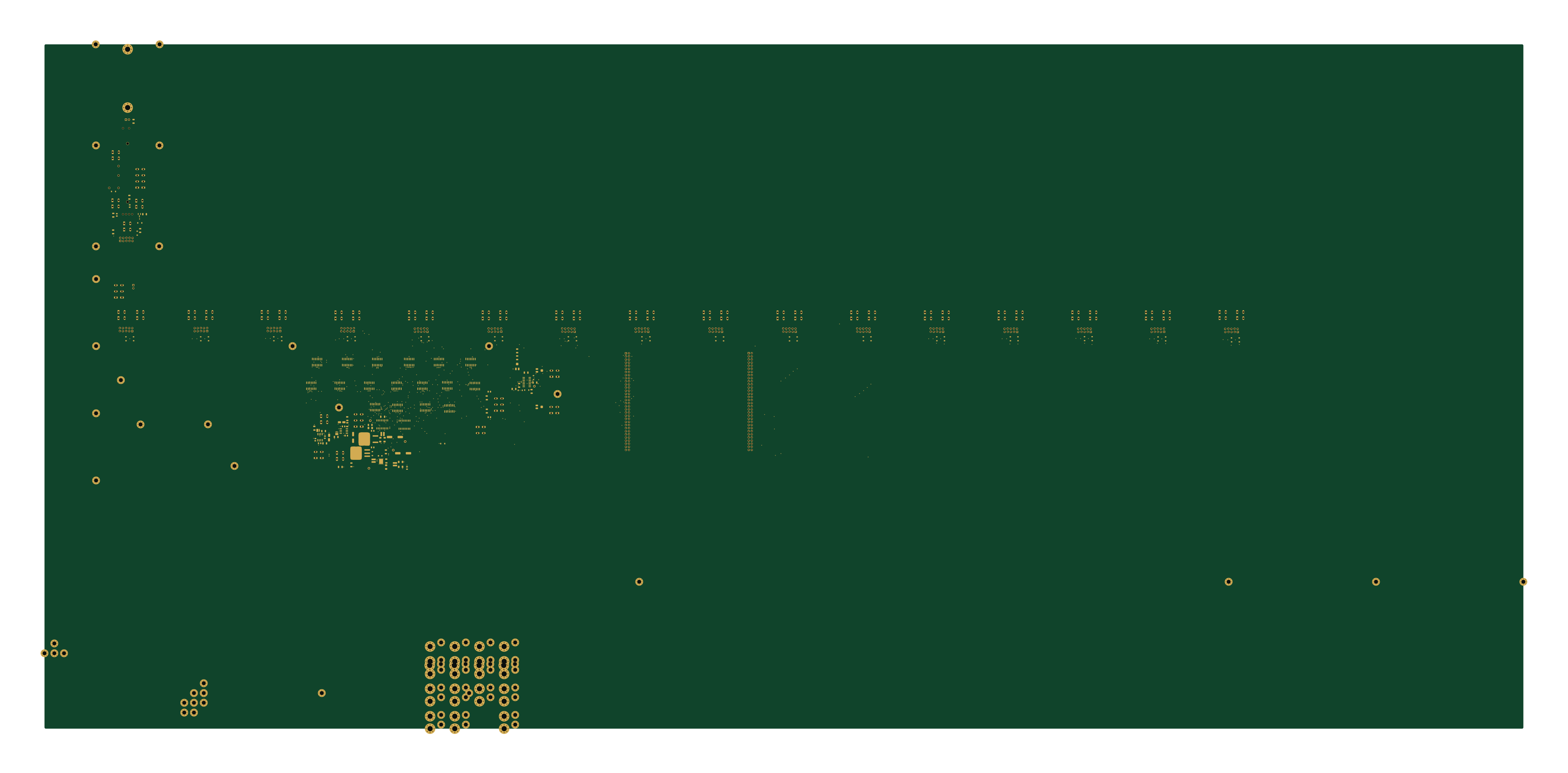
JL checkpoint
1204.3 × 557.2 mm223 parts4LNo license0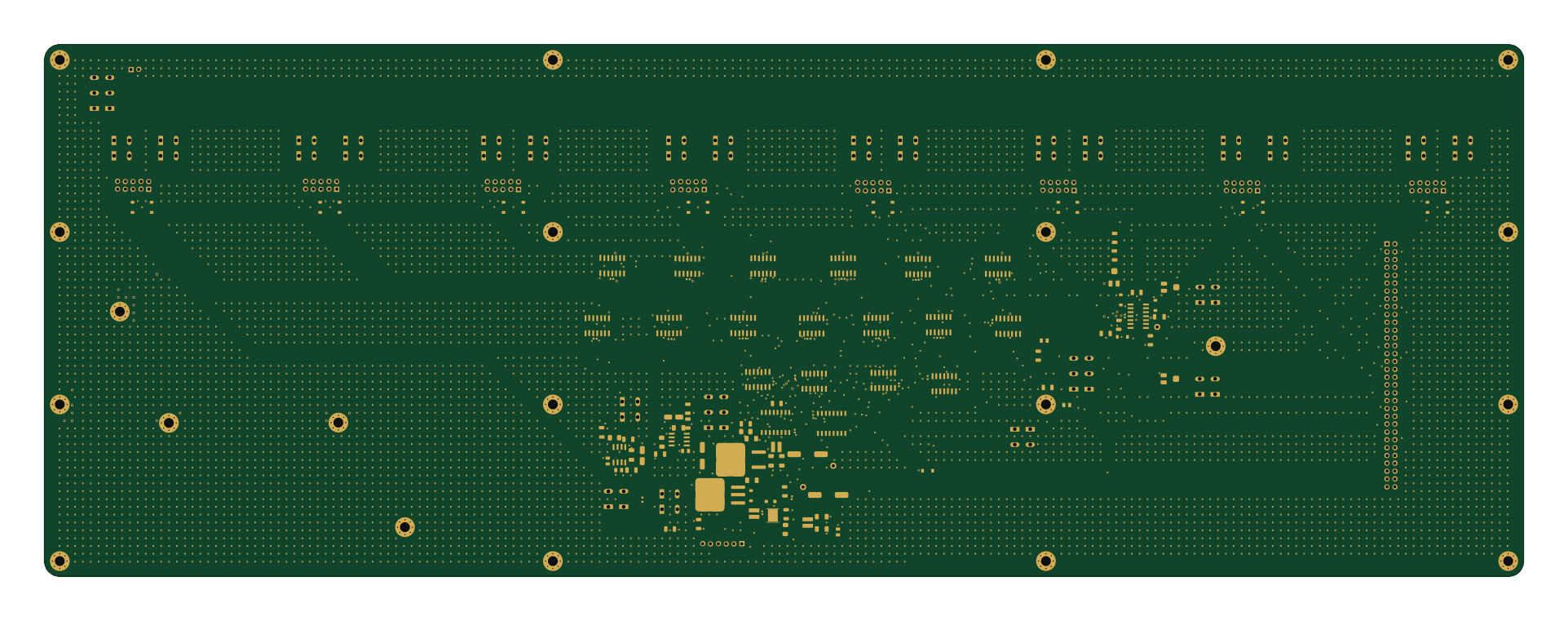
Main board rev1
480 × 172.5 mm145 parts4LNo license0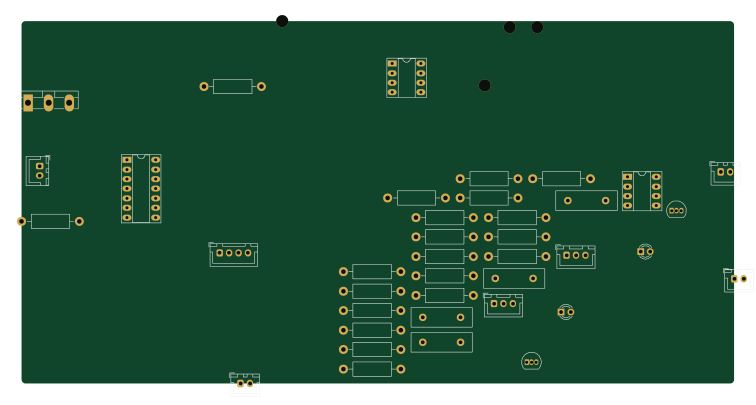 ESP32
Piezo amplifier
BeeHive-org
188.6 × 95.9 mm39 parts2LMIT13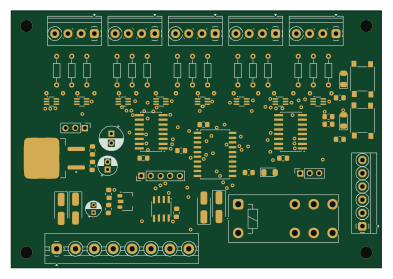 PIC
SMRRC SwitchAndSignal
DavidMFlynn
98 × 68 mm66 parts2LMIT1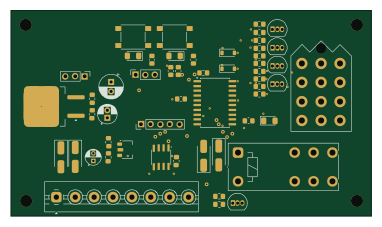 PIC
SMRRC Switch
95.4 × 54.4 mm53 parts2LMIT1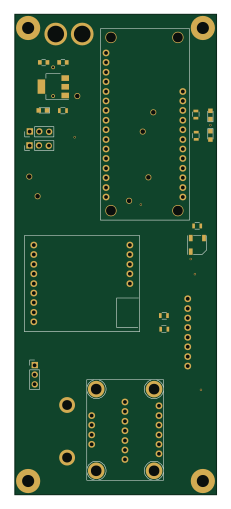
TheHub2
djmallek
53.3 × 127 mm29 parts2LNo license1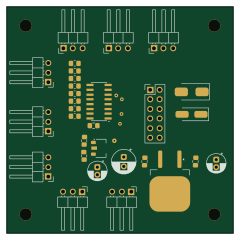
Seial Model Railroad Control
60 × 60 mm30 parts2LMIT1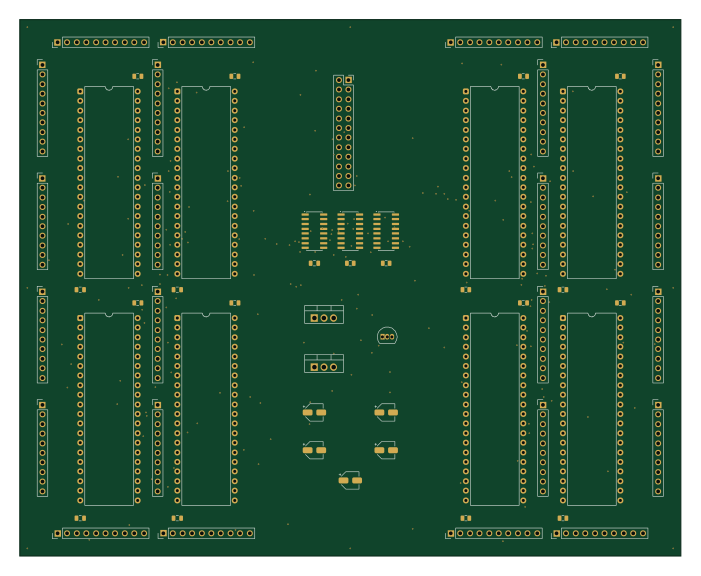
MusicBrain MATRIX - 8-stemmige audio patchmatrix
MarkWestbroek
175 × 142 mm63 parts4LMIT0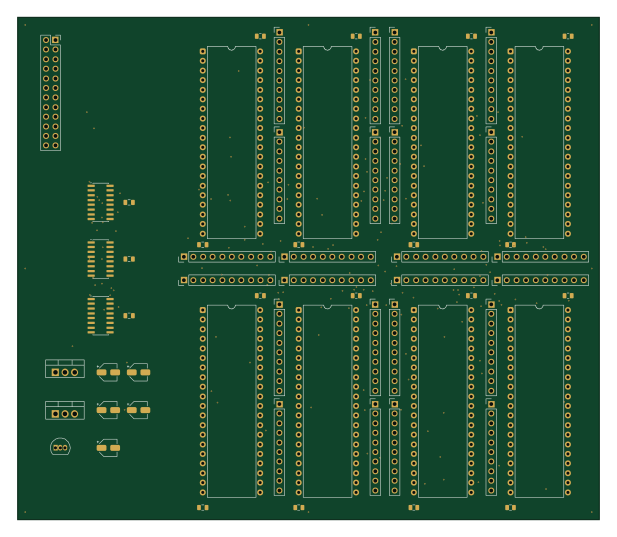
Musicbrain matrix c
154 × 133 mm63 parts4LMIT0
Solar charger circuit
AbhishekGM23
35 × 20 mm14 parts2LNo license0
How designs wire the L7806
Read from the KiCad layouts of 11 open source designs, one per repository: what each pin of the L7806 connects to, and the resistors, capacitors and other passives placed on it.
- The IN pin is tied to 12V on 7 of 11 designs (a signal on 4).
- The OUT pin is tied to 6V on 7 of 11 designs (a signal on 4).
| Pin | Connected to | Parts on the pin |
|---|---|---|
| INpin 1 | Connected to: 12V 64% · a signal 36% | — |
| GNDpin 2 | Connected to: GND 93% | — |
| OUTpin 3 | Connected to: 6V 64% · a signal 36% | — |
Connections count pins, parts count designs; values in brackets are how many parts had that value. Designs read include Piezo amplifier by BeeHive-org, 2022NHK Include by nalinally, Esp gamepad v2 by Reiko0908 and 50-10000 MHz SMT LNA by RomiFC.
The L7806 in open source designs
The gallery holds 18 open source boards using the L7806 from 12 GitHub repositories; a typical one measures about 100 × 100.8 mm and carries around 58 components.
65% are two-layer designs, the rest use four layers or more, and 50% carry an open source license.
The most starred is Piezo amplifier by BeeHive-org.
Parts used alongside the L7806
What boards using the L7806 are built for
L7806: common questions
Where can I find a L7806 reference design?
Each of the 18 boards on this page is a real design using the L7806. Open one to see how it is wired up, with the full BOM, a render of the layout and links to its KiCad files.
How is the L7806 IN pin connected?
The IN pin is tied to 12V on 7 of 11 designs (a signal on 4). Counted from the KiCad layouts of 11 open source designs using the L7806.
How is the L7806 OUT pin connected?
The OUT pin is tied to 6V on 7 of 11 designs (a signal on 4). Counted from the KiCad layouts of 11 open source designs using the L7806.
Which microcontrollers do boards using the L7806 use?
Most are built on ESP32 (4), PIC (2) and STM32 (1).
How big is a typical board using the L7806?
The median is 100 × 100.8 mm, and 65% are two-layer designs.
What is the most popular open source board using the L7806?
By GitHub stars, Piezo amplifier by BeeHive-org, with 13 stars.
Can I simulate one of these boards using the L7806 before building it?
Yes. HardLabs turns a board's netlist and BOM into a working simulation, so you can boot and test firmware against it with no hardware on your desk.