
20 open source boards using the LM75B
Real designs built with the LM75B, from public GitHub projects: a quick way to see how others power, decouple and connect it. Each board comes with its KiCad files, full parts list and a render — and you can simulate its firmware on HardLabs.
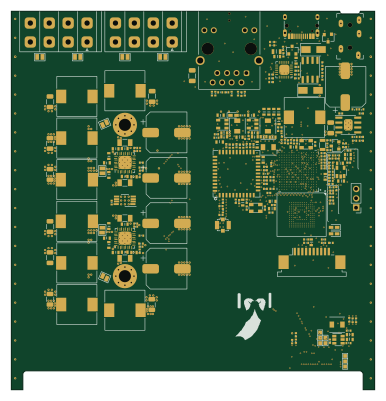
OtterCastAmp
Ottercast
96 × 100 mm250 parts4LMIT341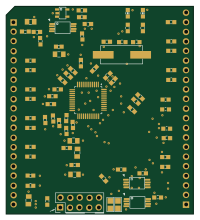 STM32
OSSI CM2
transistorgrab
49.5 × 54.9 mm80 parts4LMIT99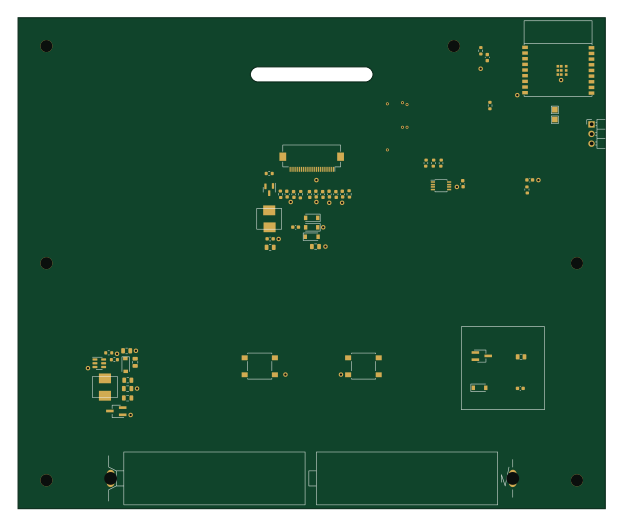 ESP32
Picframe colepd
Spritetm
155.5 × 130 mm52 parts2LNo license96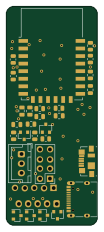 ESP8266
Weather station
mec-kon
24 × 57.8 mm73 parts2LGPL-3.03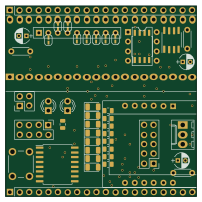
Bluepill sensor
kellerkindt
50.4 × 50.4 mm39 parts2LApache-2.03- schematic only · 42 partsESP32
IoT-project custom-PCB
sumitisme
42 partsNo license2 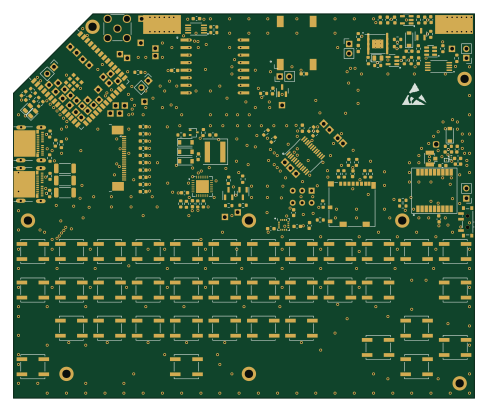 ESP32
ESP32 LORA Chat
jharvey
121.9 × 101.6 mm222 parts4LGPL-3.01
LM75A PROBE
galopago
5.5 × 35 mm5 parts2LMIT1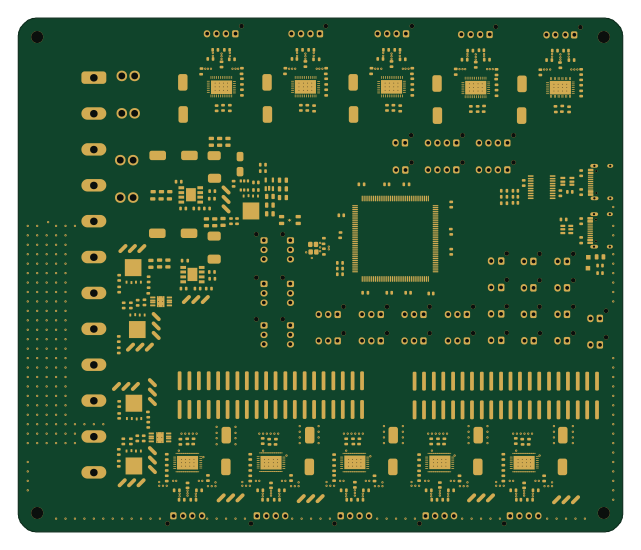 STM32
Serie
npgo22
160 × 136 mm512 parts6LNo license0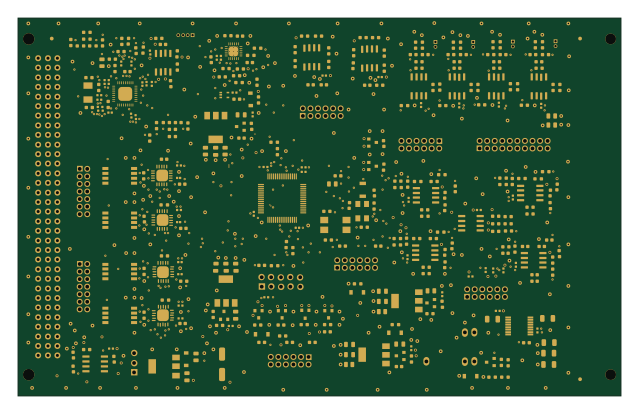 STM32
Kicad hiltop sensi board
devtank-ltd
159.6 × 100 mm354 parts4LNo license0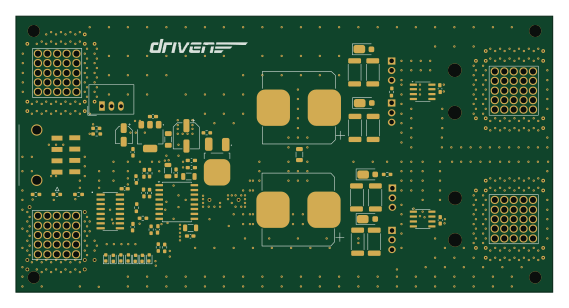
Half-Bridge-Motor-Controller
bradport02
142 × 73 mm82 parts4LNo license0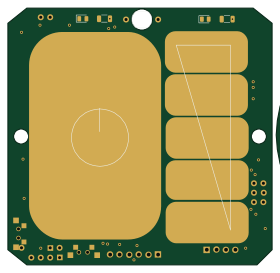 ESP32
Dimmer
MitryKz
70 × 68 mm51 parts2LNo license0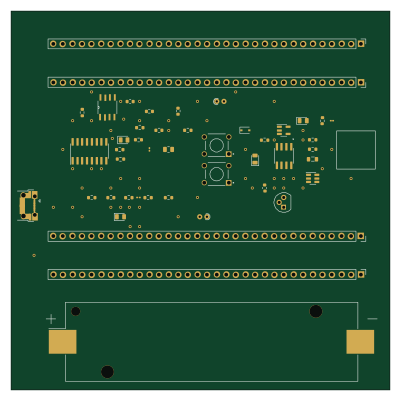
UCT-EEE3088F-Project
ShameeraC
100 × 100 mm46 parts2LNo license0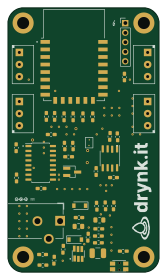 ESP8266
Drynkit
phlmn
40 × 70 mm42 parts2LNo license0 ESP32
Bussysteme und-Sensorik-ESP32-Projekt
SFMonsun
111.7 × 63.8 mm32 parts4LNo license0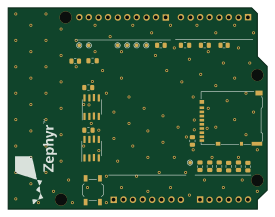
Zephyr ci shield
teslabs
68.6 × 53.3 mm23 parts2LMIT0
PowerSupply GUI
SohCahNoah
19 × 22 mm7 parts2LNo license0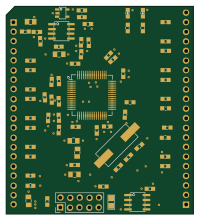
OSSI CM1
49.5 × 54.9 mm75 parts4LMIT99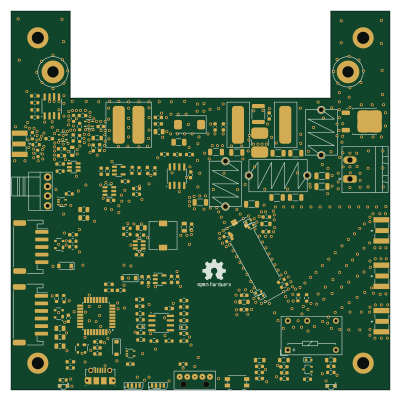 Microchip SAM
Pi TX 35W PA V2
M0LTE
100 × 100 mm161 parts4LNo license15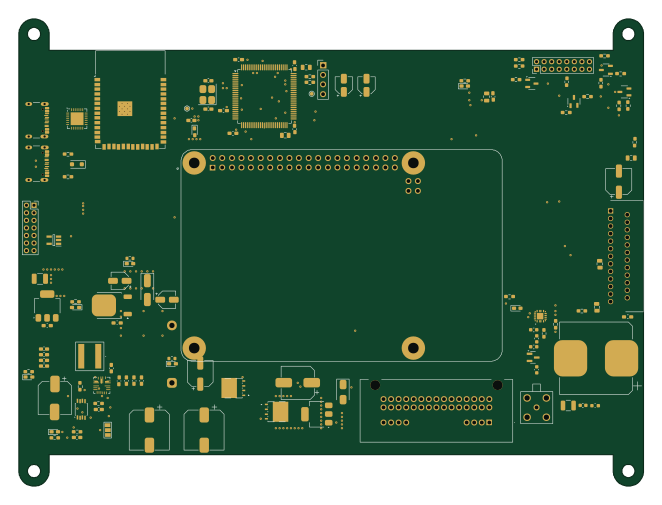 ESP32
RX8-7(STM CENTRE)
165.3 × 123.7 mm384 parts4LNo license0
How designs wire the LM75B
Read from the KiCad layouts of 18 open source designs, one per repository: what each pin of the LM75B connects to, and the resistors, capacitors and other passives placed on it.
- The SDA pin has a pull-up to 3.3V on 11 of 18 designs, most often 4.7 kΩ (then 10 kΩ).
- The SCL pin has a pull-up to 3.3V on 11 of 18 designs, most often 4.7 kΩ (then 10 kΩ).
- The A2 pin is tied to GND on 13 of 18 designs (a signal on 5).
- The +VS pin is tied to 3.3V on 13 of 18 designs (a signal on 5).
| Pin | Connected to | Parts on the pin |
|---|---|---|
| SDApin 1 | Connected to: A connector 39%, the microcontroller 33% |
|
| SCLpin 2 | Connected to: A connector 44%, the microcontroller 33% |
|
| GNDpin 4 | Connected to: GND 89% | — |
| A2pin 5 | Connected to: GND 72% · a signal 28% | — |
| A0pin 7 | Connected to: GND 61% · a signal 28% | — |
| +VSpin 8 | Connected to: 3.3V 72% · a signal 28% | — |
2 more pins vary from design to design. Connections count pins, parts count designs; values in brackets are how many parts had that value. Designs read include OtterCastAmp by Ottercast, OSSI CM1 by transistorgrab, Picframe colepd by Spritetm and Pi TX 35W PA V2 by M0LTE.
The LM75B in open source designs
The gallery holds 20 open source boards using the LM75B from 19 GitHub repositories; a typical one measures about 96 × 70 mm and carries around 63 components.
53% use four copper layers or more, and 40% carry an open source license.
The most starred is OtterCastAmp by Ottercast.
Parts used alongside the LM75B
Microcontrollers on boards using the LM75B
What boards using the LM75B are built for
LM75B: common questions
Where can I find a LM75B reference design?
Each of the 20 boards on this page is a real design using the LM75B. Open one to see how it is wired up, with the full BOM, a render of the layout and links to its KiCad files.
What pull-up resistor is used on the LM75B SDA pin?
The SDA pin has a pull-up to 3.3V on 11 of 18 designs, most often 4.7 kΩ (then 10 kΩ). Counted from the KiCad layouts of 18 open source designs using the LM75B.
What pull-up resistor is used on the LM75B SCL pin?
The SCL pin has a pull-up to 3.3V on 11 of 18 designs, most often 4.7 kΩ (then 10 kΩ). Counted from the KiCad layouts of 18 open source designs using the LM75B.
How is the LM75B A2 pin connected?
The A2 pin is tied to GND on 13 of 18 designs (a signal on 5). Counted from the KiCad layouts of 18 open source designs using the LM75B.
What parts are used alongside the LM75B?
The AMS1117-3.3, INA219AxD and USBLC6-2SC6 appear in the most repositories here.
Which microcontrollers do boards using the LM75B use?
Most are built on ESP32 (6), STM32 (3), ESP8266 (2) and Microchip SAM (1).
How big is a typical board using the LM75B?
The median is 96 × 70 mm, and 47% are two-layer designs.
What is the most popular open source board using the LM75B?
By GitHub stars, OtterCastAmp by Ottercast, with 341 stars.
Can I simulate one of these boards using the LM75B before building it?
Yes. HardLabs turns a board's netlist and BOM into a working simulation, so you can boot and test firmware against it with no hardware on your desk.