
16 open source boards using the TPS563201
Real designs built with the TPS563201, from public GitHub projects: a quick way to see how others power, decouple and connect it. Each board comes with its KiCad files, full parts list and a render — and you can simulate its firmware on HardLabs.
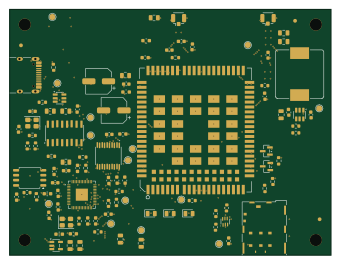 RP2040/RP2350
Koppar lte modem
Koppar-AI
85 × 65 mm95 parts4LCERN-OHL-P-2.039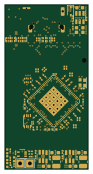
Asm2364
Stanlazy
22 × 43.5 mm106 parts4LGPL-3.07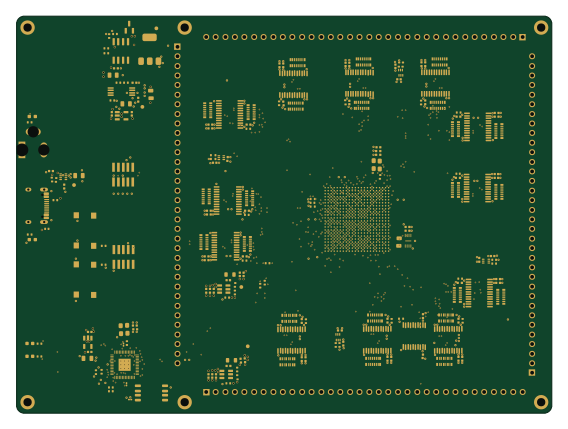 RP2040/RP2350
NuBoard IC Investigator
wickerwaka
141.7 × 105.1 mm375 parts6LNo license1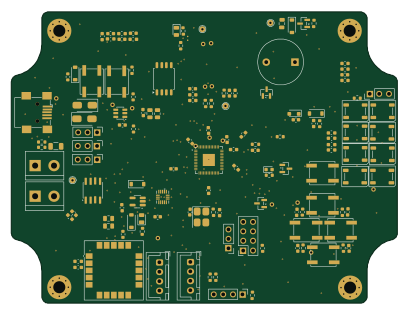 RP2040/RP2350
Ppse hardware
4137314
102.2 × 77.2 mm134 parts2LGPL-3.01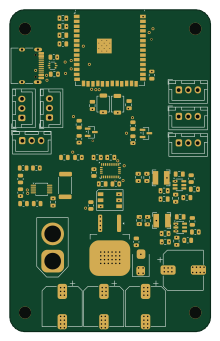 ESP32
MADHEX-v2
DEFOR111
53 × 85 mm75 parts4LNo license1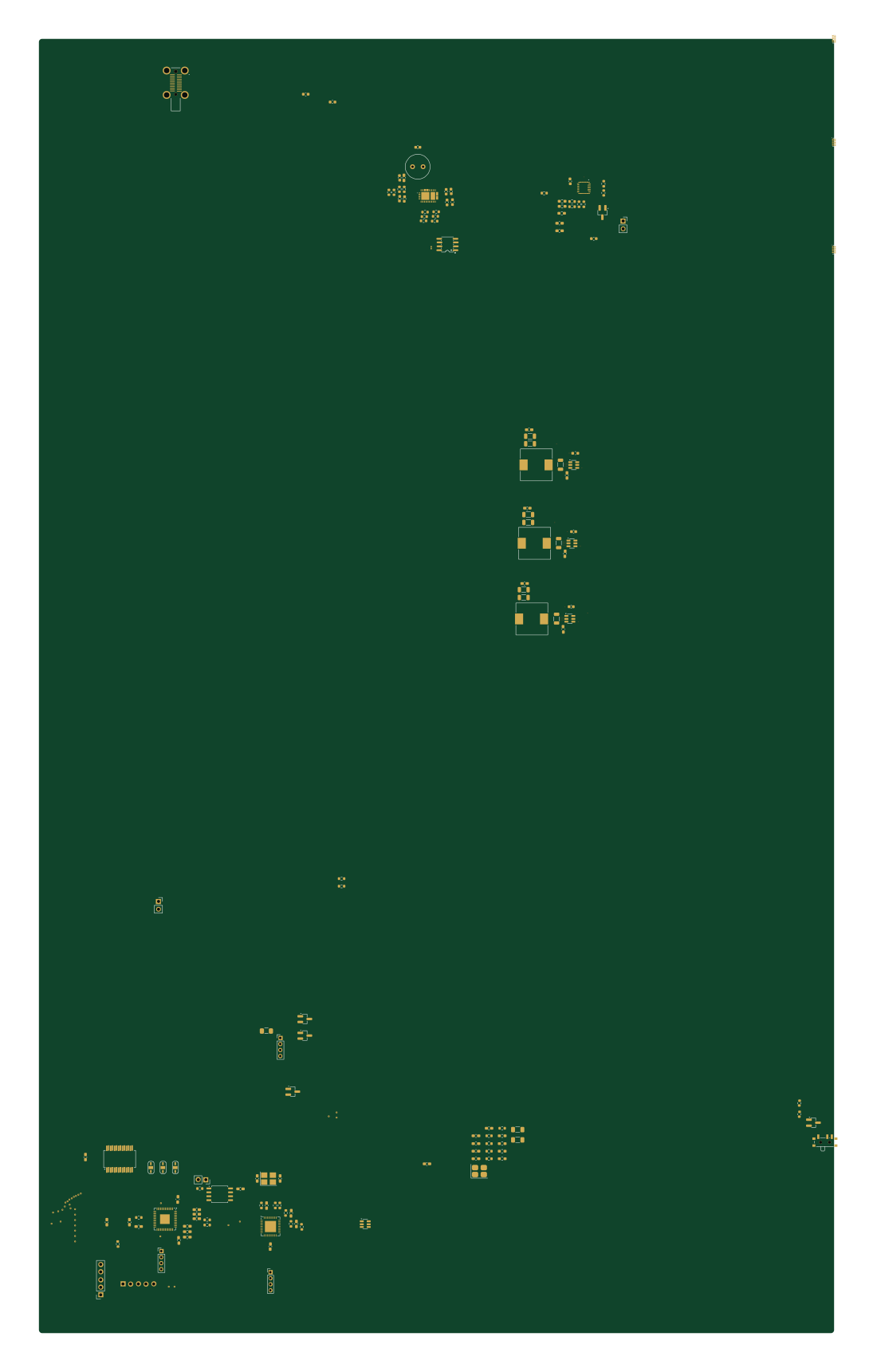 RP2040/RP2350
X1-palmrest to keyboard
wozniak-works
263.9 × 429.3 mm177 parts2LNo license0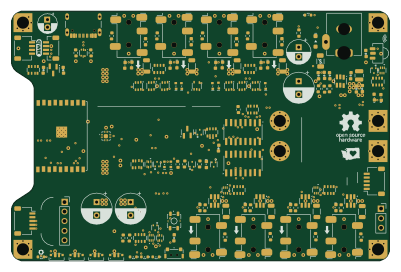 ESP32
Esp av
smkent
100 × 66 mm145 parts2LCC-BY-SA-4.00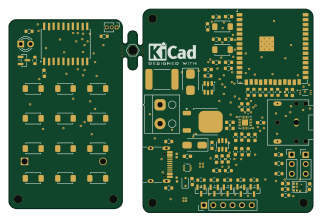 ESP32
Blynk
DynamicWhiteHat
80.5 × 53.9 mm100 parts2LNo license0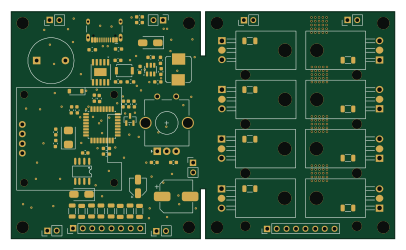 AVR/Arduino
Spot-Welder with-MCU
ANSHUMANDOCX
101.4 × 60 mm79 parts2LNo license0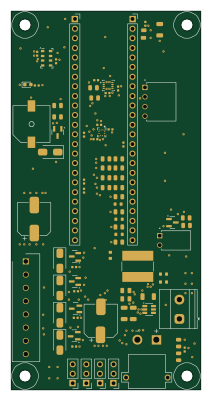
Project Prometheus
nguyjo
50 × 100 mm73 parts4LNo license0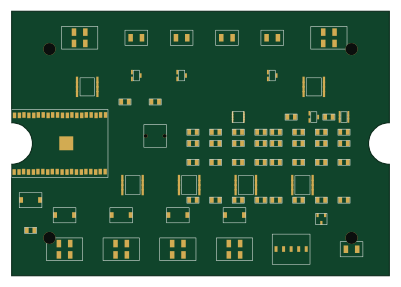 ESP32
Placa controlador lumen
HiroLifeCreative
100 × 70 mm45 parts2LNo license0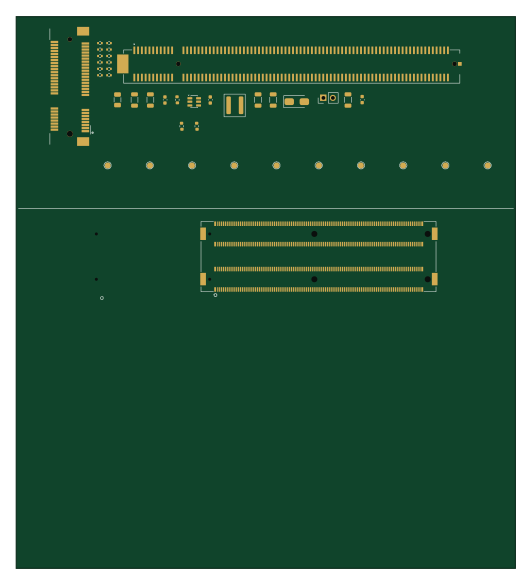
-wedge100bf comexpress interposer
atahabilder1
132.1 × 146.1 mm32 parts6LNo license0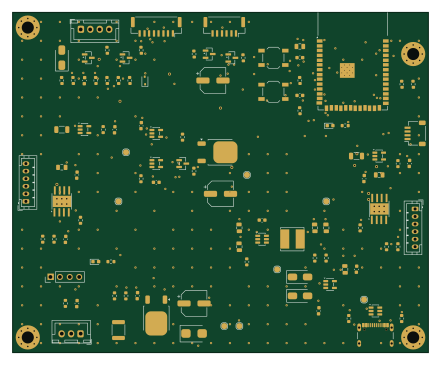 ESP32
Atlas agent ctrl
md-sazzad-eee
110 × 90 mm100 parts2LNo license0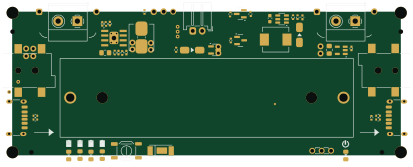
Ip5306-ups
103.1 × 38.1 mm55 parts2LCC-BY-SA-4.00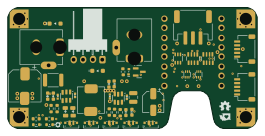 ESP32
Esp-3dp
66 × 32 mm53 parts2LCC-BY-SA-4.00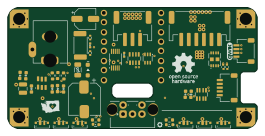 ESP32
Esp cwww
66 × 32 mm47 parts2LCC-BY-SA-4.00
How designs wire the TPS563201
Read from the KiCad layouts of 13 open source designs, one per repository: what each pin of the TPS563201 connects to, and the resistors, capacitors and other passives placed on it.
- The SW pin has a inductor on 13 of 13 designs, most often 3.3 µH (then 2.2 µH).
- The VFB pin has a resistor to GND on 13 of 13 designs, most often 10 kΩ (then 10.2 kΩ).
- The SW pin has a series capacitor on 12 of 13 designs, most often 100 nF.
- The VBST pin has a series capacitor on 12 of 13 designs, most often 100 nF.
| Pin | Connected to | Parts on the pin |
|---|---|---|
| GNDpin 1 | Connected to: GND 100% | — |
| SWpin 2 | Connected to: Signal 100% |
|
| VINpin 3 | Connected to: 12V 69% · a signal 31% |
|
| VFBpin 4 | Connected to: Signal 100% |
|
| ENpin 5 | Connected to: Signal 77% · 12V 23% |
|
| VBSTpin 6 | Connected to: Signal 100% |
|
Connections count pins, parts count designs; values in brackets are how many parts had that value. Designs read include Koppar lte modem by Koppar-AI, Asm2364 by Stanlazy, Ppse hardware by 4137314 and MADHEX-v2 by DEFOR111.
The TPS563201 in open source designs
The gallery holds 16 open source boards using the TPS563201 from 13 GitHub repositories; a typical one measures about 100 × 68 mm and carries around 87 components.
63% are two-layer designs, the rest use four layers or more, and 44% carry an open source license.
The most starred is Koppar lte modem by Koppar-AI.
Parts used alongside the TPS563201
Microcontrollers on boards using the TPS563201
What boards using the TPS563201 are built for
TPS563201: common questions
Where can I find a TPS563201 reference design?
Each of the 16 boards on this page is a real design using the TPS563201. Open one to see how it is wired up, with the full BOM, a render of the layout and links to its KiCad files.
How is the TPS563201 SW pin connected?
The SW pin has a inductor on 13 of 13 designs, most often 3.3 µH (then 2.2 µH). Counted from the KiCad layouts of 13 open source designs using the TPS563201.
What resistor goes on the TPS563201 VFB pin?
The VFB pin has a resistor to GND on 13 of 13 designs, most often 10 kΩ (then 10.2 kΩ). Counted from the KiCad layouts of 13 open source designs using the TPS563201.
How is the TPS563201 VBST pin connected?
The VBST pin has a series capacitor on 12 of 13 designs, most often 100 nF. Counted from the KiCad layouts of 13 open source designs using the TPS563201.
What parts are used alongside the TPS563201?
The RP2040, AP2112K-3.3, USBLC6-2P6, USBLC6-2SC6 and ESP32-S3-WROOM-1 appear in the most repositories here.
Which microcontrollers do boards using the TPS563201 use?
Most are built on ESP32 (7), RP2040/RP2350 (4) and AVR/Arduino (1).
How big is a typical board using the TPS563201?
The median is 100 × 68 mm, and 63% are two-layer designs.
What is the most popular open source board using the TPS563201?
By GitHub stars, Koppar lte modem by Koppar-AI, with 39 stars.
Can I simulate one of these boards using the TPS563201 before building it?
Yes. HardLabs turns a board's netlist and BOM into a working simulation, so you can boot and test firmware against it with no hardware on your desk.