
25 open source boards using the TPD4E02B04DQA
Real designs built with the TPD4E02B04DQA, from public GitHub projects: a quick way to see how others power, decouple and connect it. Each board comes with its KiCad files, full parts list and a render — and you can simulate its firmware on HardLabs.
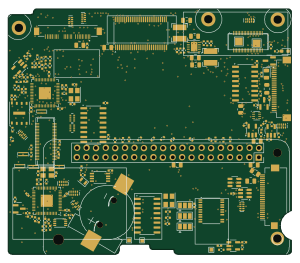 RP2040/RP2350
Vaio re
CRImier
75 × 65 mm274 parts4LGPL-3.0254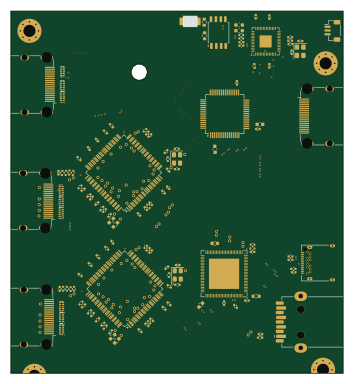 RP2040/RP2350
Fosdem dual capture
FOSDEM
87.9 × 95.8 mm211 parts4LNo license114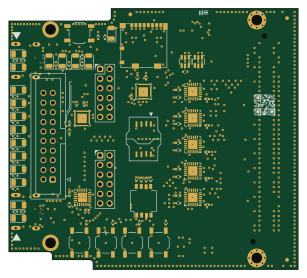
Fmc usb gpio spi jtag
chipsalliance
76.5 × 69 mm136 parts6LApache-2.019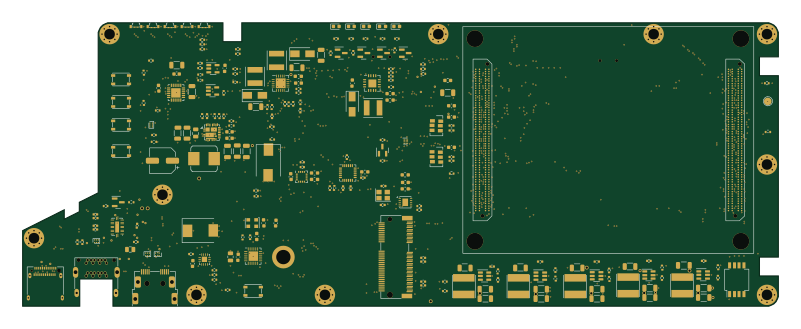
Meowality
gatecat
200 × 75 mm248 parts6LISC17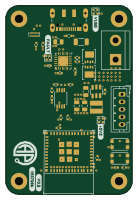 ESP32
Paperflux
albanpetit
33.5 × 50 mm43 parts4LNo license16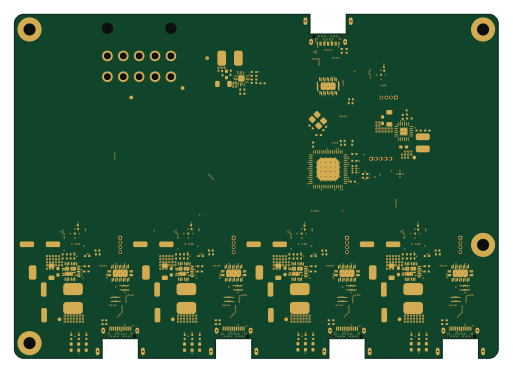
Mythra hub
bad-alloc-heavy-industries
128 × 91 mm238 parts6LBSD-3-Clause7
Asm2364
Stanlazy
22 × 43.5 mm106 parts4LGPL-3.07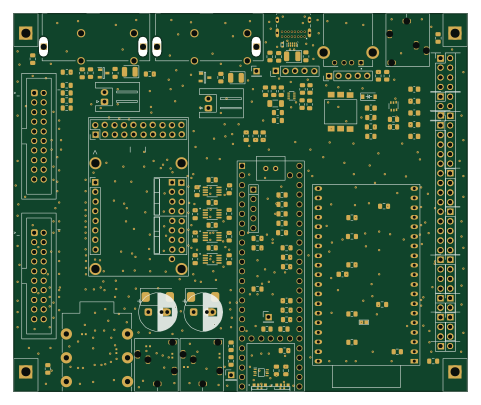 ESP32
T dsp desktop pro
t-dsp
120 × 100 mm135 parts8LCC-BY-NC-4.06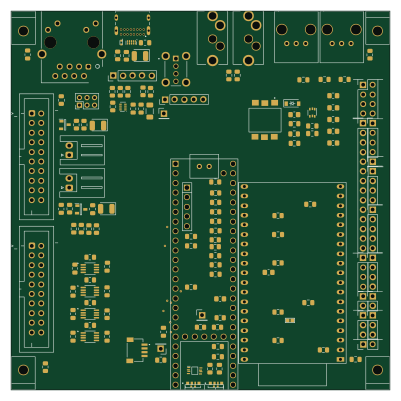 ESP32
T dsp core
100 × 100 mm131 parts4LCC-BY-NC-4.06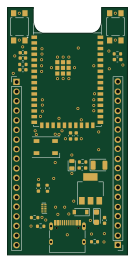 ESP32
ESP32S2 DevBoard
blagojenikolic91
31.8 × 65.4 mm29 parts2LNo license6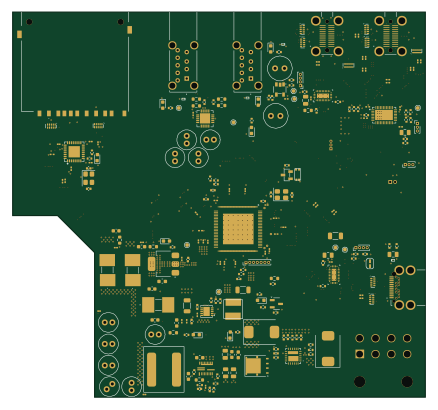
Internal-USB-Hub
wozniak-works
109.4 × 102 mm303 parts6LCERN-OHL-P-2.03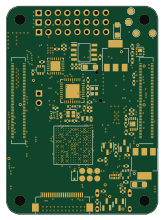 ESP32
CopterCat cm4
matveylapin
40 × 55 mm156 parts4LApache-2.03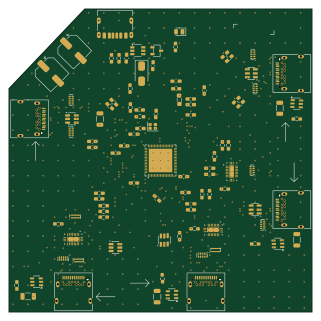
Konoha
aisuneko
80 × 80 mm97 parts4LCERN-OHL-S-2.01 ESP32
ZakladniElektronika
TVavrinec
100 × 100 mm378 parts4LNo license0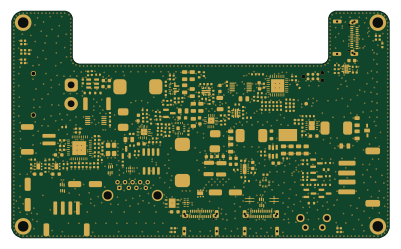 STM32
KigEyes
jrymk
100 × 60 mm256 parts4LCERN-OHL-S-2.00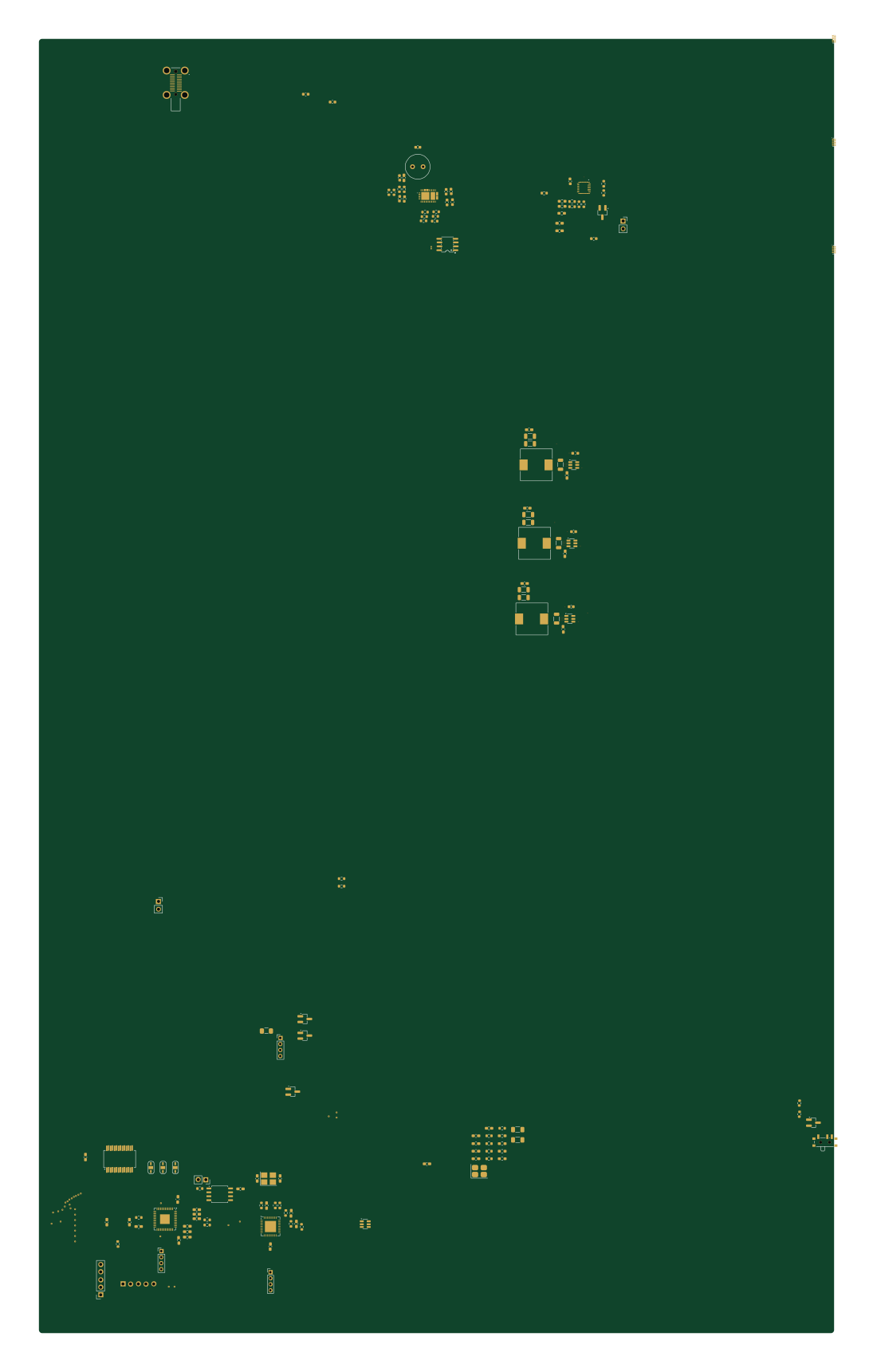 RP2040/RP2350
X1-palmrest to keyboard
263.9 × 429.3 mm177 parts2LNo license0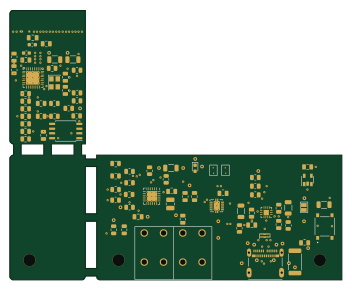 ESP8266
WeatherStation
aleksul
87.9 × 71.4 mm163 parts2LMIT0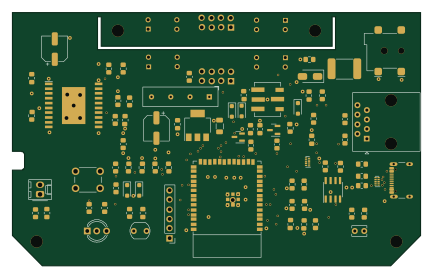 ESP32
Chicken door
pavelkejik
108.1 × 67 mm85 parts2LNo license0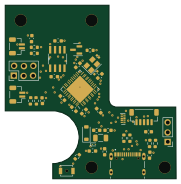 AVR/Arduino
ThrottleControllerMainRev
asfarley
45.3 × 46 mm43 parts2LNo license0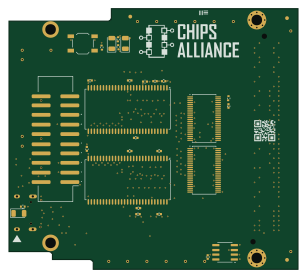
Fmc sdram
76.5 × 69 mm63 parts4LApache-2.019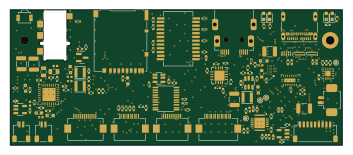
Nref ports one
cetola
88 × 35.9 mm146 parts4LNo license0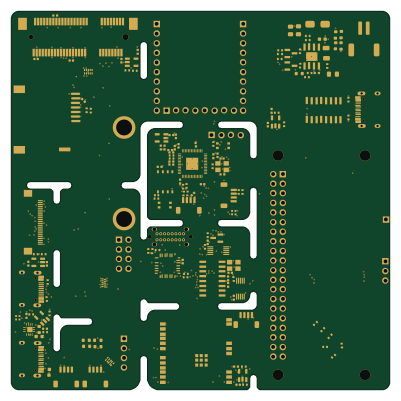 RP2040/RP2350
Zpn devboard
100 × 100 mm160 parts4LGPL-3.0254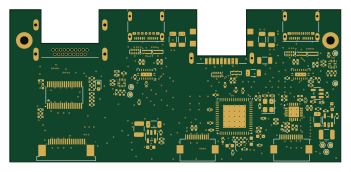
Nref ports two
87.5 × 40.2 mm137 parts4LNo license0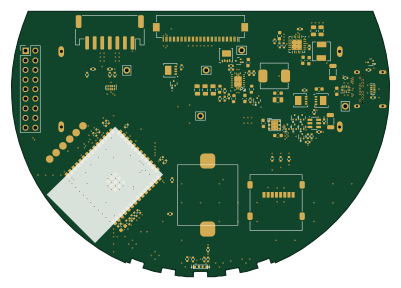 ESP32
HlavniDeska
100 × 70.2 mm123 parts4LNo license0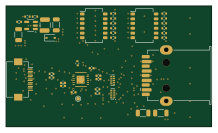
Nref usb3-redriver
54.5 × 32 mm40 parts4LNo license0
How designs wire the TPD4E02B04DQA
Read from the KiCad layouts of 20 open source designs, one per repository: what each pin of the TPD4E02B04DQA connects to, and the resistors, capacitors and other passives placed on it.
- The G pins is tied to GND on 100% of them.
| Pin | Connected to | Parts on the pin |
|---|---|---|
| Gpin 3, 8 | Connected to: GND 100% | — |
5 more pins vary from design to design. Connections count pins, parts count designs; values in brackets are how many parts had that value. Designs read include Vaio re by CRImier, Fosdem dual capture by FOSDEM, Fmc sdram by chipsalliance and Meowality by gatecat.
The TPD4E02B04DQA in open source designs
The gallery holds 25 open source boards using the TPD4E02B04DQA from 20 GitHub repositories; a typical one measures about 87.9 × 69 mm and carries around 137 components.
80% use four copper layers or more, and 48% carry an open source license.
The most starred is Vaio re by CRImier.
Parts used alongside the TPD4E02B04DQA
Microcontrollers on boards using the TPD4E02B04DQA
What boards using the TPD4E02B04DQA are built for
TPD4E02B04DQA: common questions
Where can I find a TPD4E02B04DQA reference design?
Each of the 25 boards on this page is a real design using the TPD4E02B04DQA. Open one to see how it is wired up, with the full BOM, a render of the layout and links to its KiCad files.
How is the TPD4E02B04DQA G pin connected?
The G pins is tied to GND on 100% of them. Counted from the KiCad layouts of 20 open source designs using the TPD4E02B04DQA.
What parts are used alongside the TPD4E02B04DQA?
The AMS1117-3.3, FUSB302BMPX, RP2040, W25Q128JVS and 24LC256 appear in the most repositories here.
Which microcontrollers do boards using the TPD4E02B04DQA use?
Most are built on ESP32 (8), RP2040/RP2350 (4), AVR/Arduino (1) and ESP8266 (1).
How big is a typical board using the TPD4E02B04DQA?
The median is 87.9 × 69 mm, and 20% are two-layer designs.
What is the most popular open source board using the TPD4E02B04DQA?
By GitHub stars, Vaio re by CRImier, with 254 stars.
Can I simulate one of these boards using the TPD4E02B04DQA before building it?
Yes. HardLabs turns a board's netlist and BOM into a working simulation, so you can boot and test firmware against it with no hardware on your desk.