
17 open source boards using the 8284
Real designs built with the 8284, from public GitHub projects: a quick way to see how others power, decouple and connect it. Each board comes with its KiCad files, full parts list and a render — and you can simulate its firmware on HardLabs.
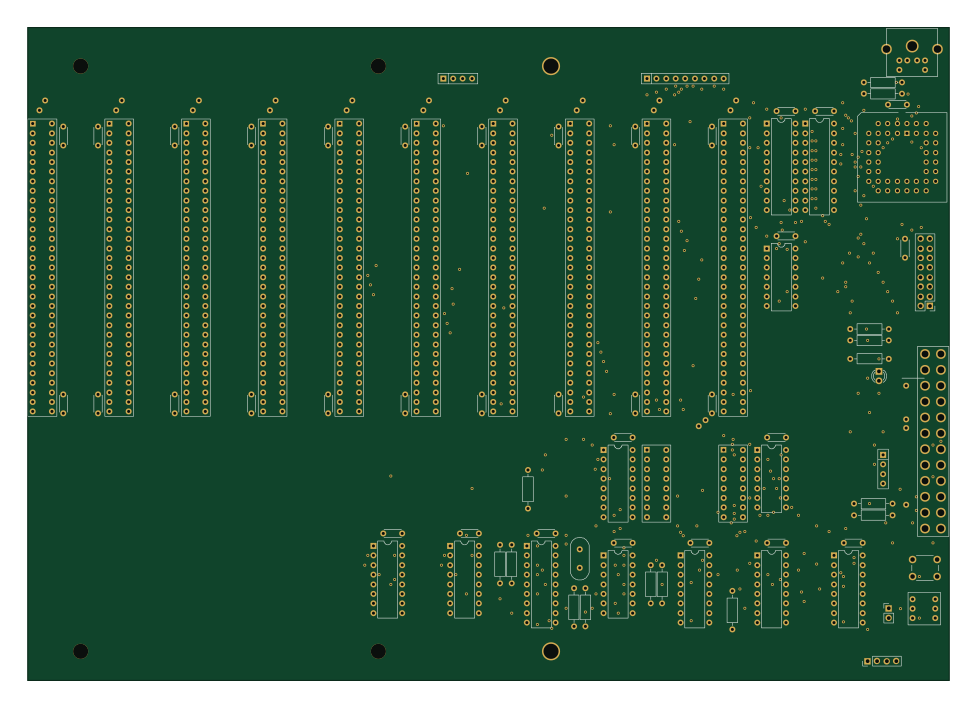
Multi
homebrew8088
243.8 × 172.7 mm85 parts2LGPL-3.0238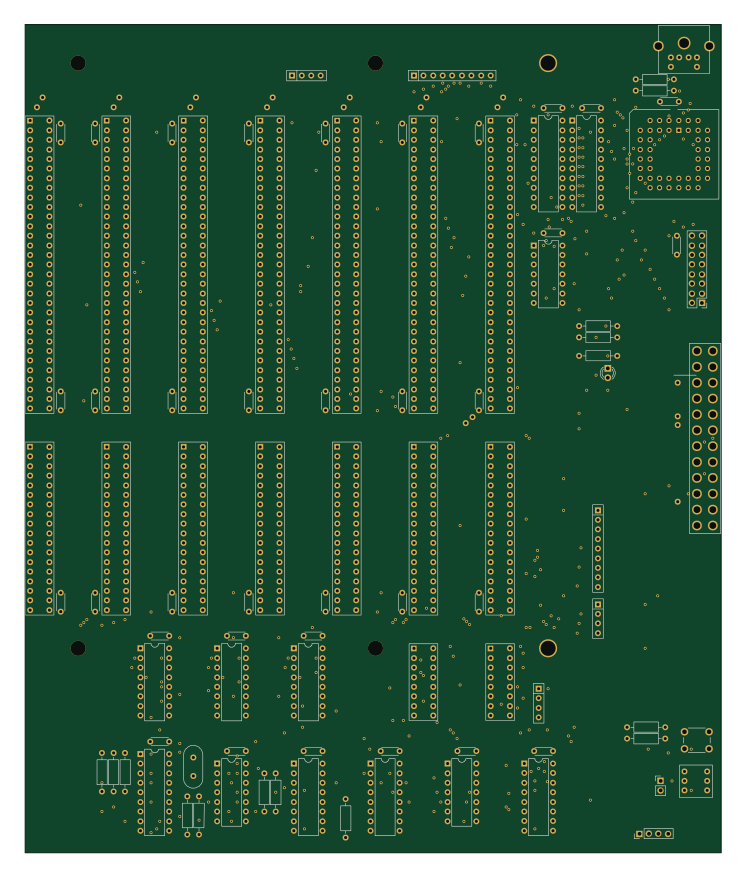
Multi
184.2 × 219.2 mm92 parts2LGPL-3.027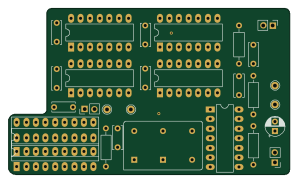
TurboXT Addon
hkzlab
74.3 × 43.8 mm28 parts2LCC-BY-NC-4.015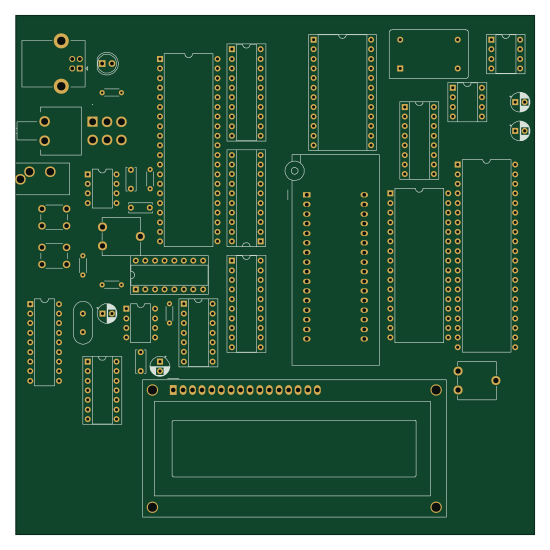
Civil25
raleighslack
137.2 × 137.2 mm40 parts2LApache-2.06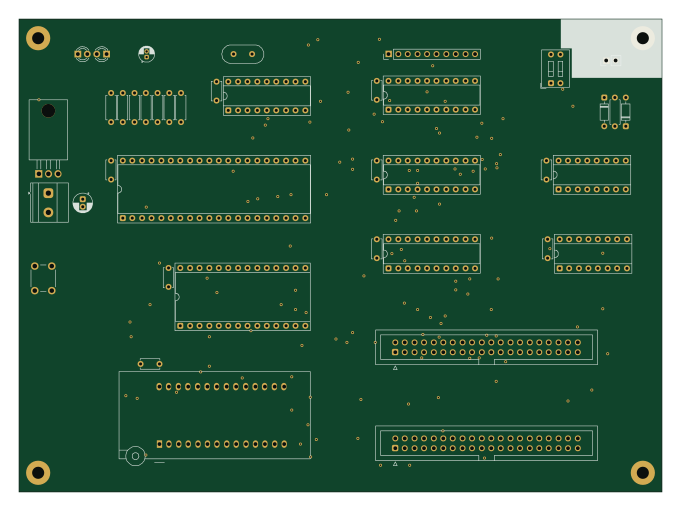
8088-mainboard
i-melnichenko
170 × 125 mm41 parts2LMIT5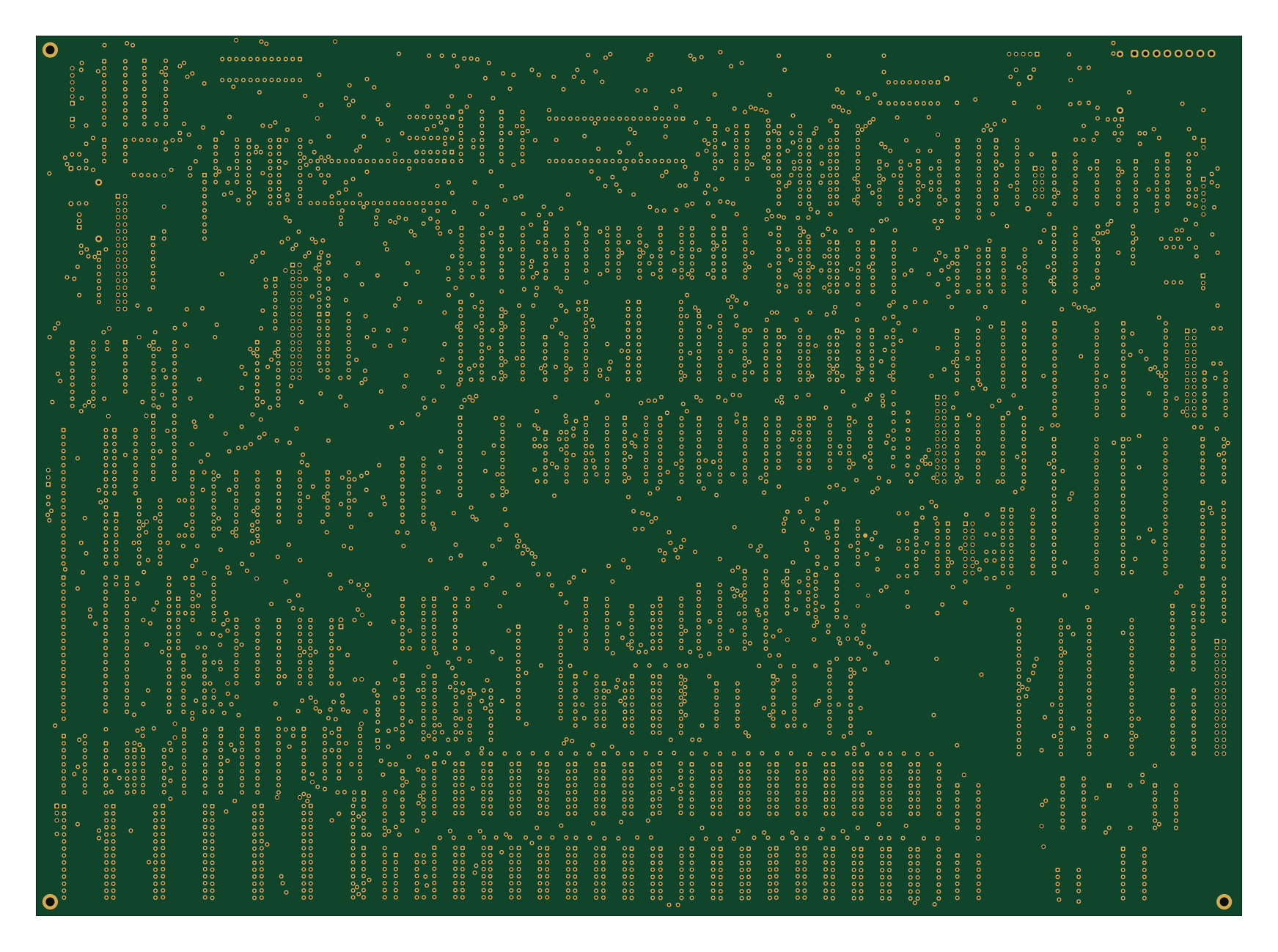
Chameleon schematics
Seequa-Computer-Preservation
435 × 317.5 mm361 parts2LNo license3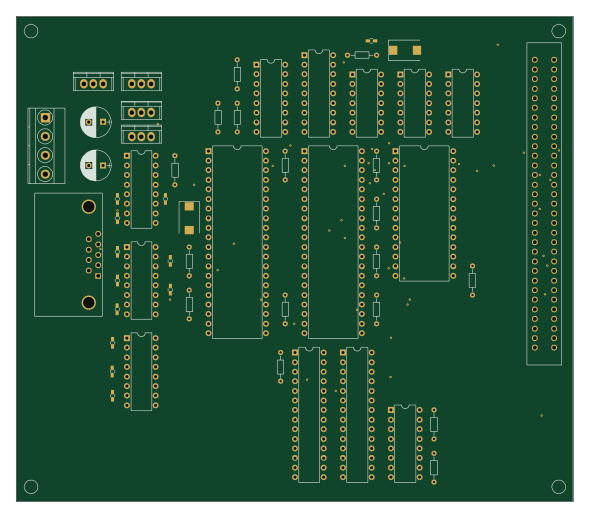
Tiny-8088
nkeck720
147.3 × 128.3 mm54 parts2LGPL-2.03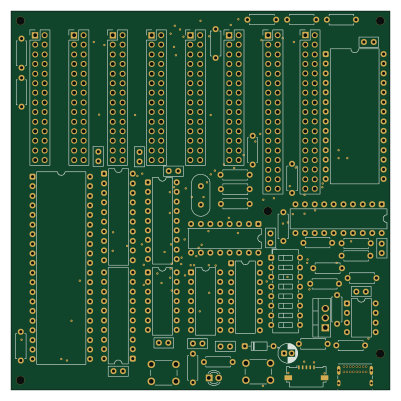
Intel 8088 Computer
oberrow
100 × 100 mm64 parts4LMIT1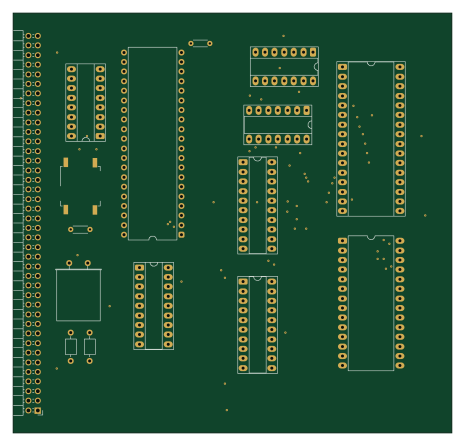
8088homebrew
nikitaG2011
116 × 111 mm16 parts4LNo license1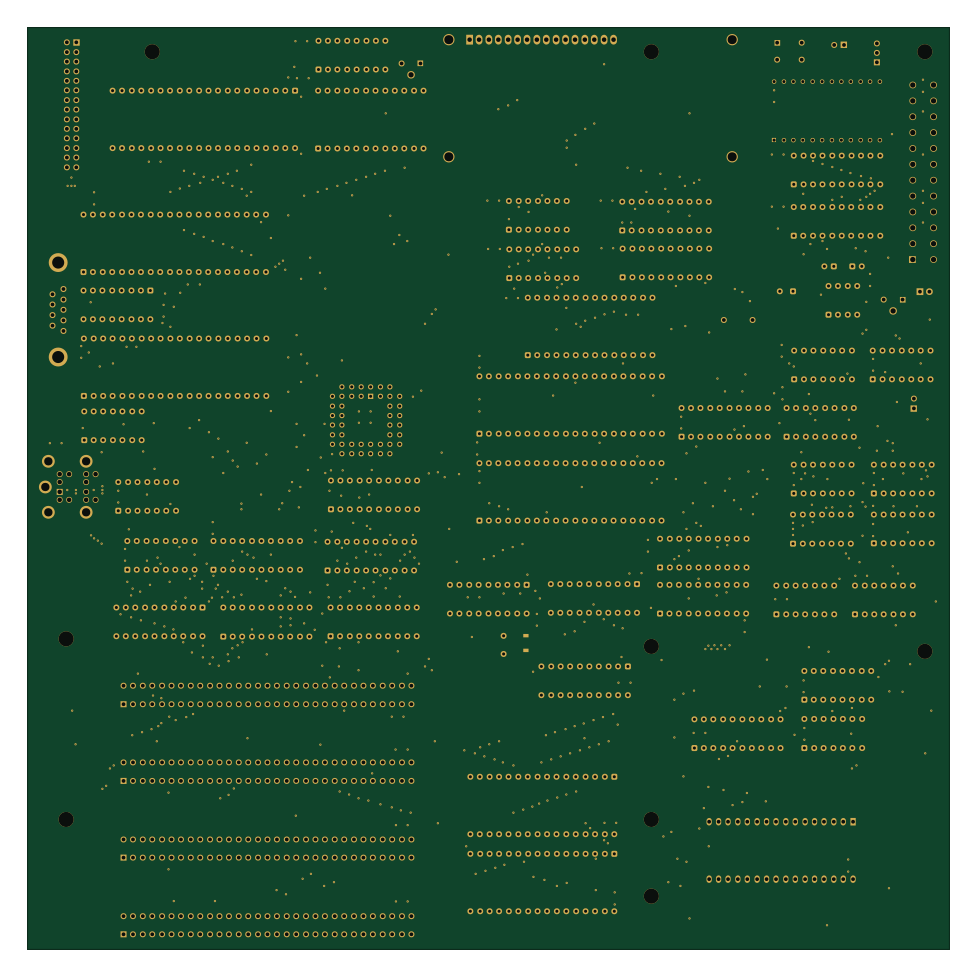
8088-MicroATX-Computer
CPTforever
244 × 244 mm184 parts6LNo license0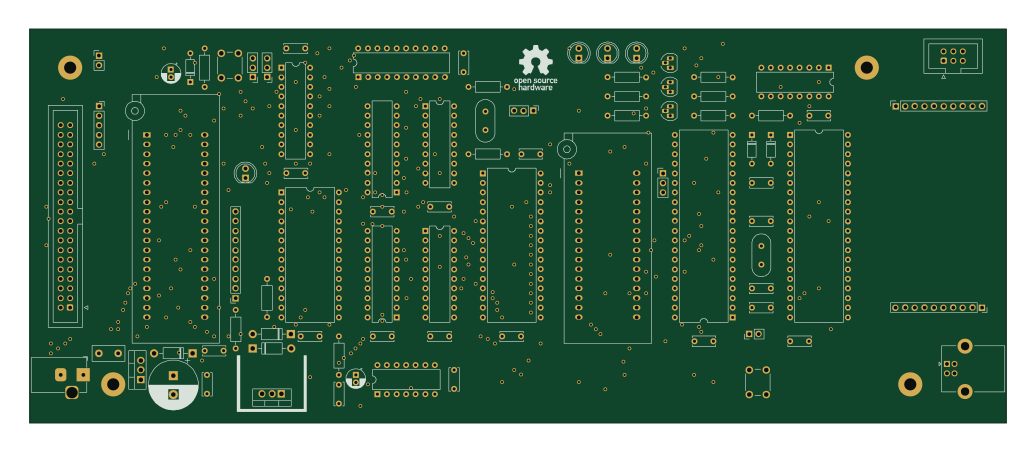
My pcxt
ppsilv
258.4 × 104.1 mm85 parts2LNo license0- schematic only · 164 parts
Xl-7-repro
computerguy096
164 partsGPL-3.00 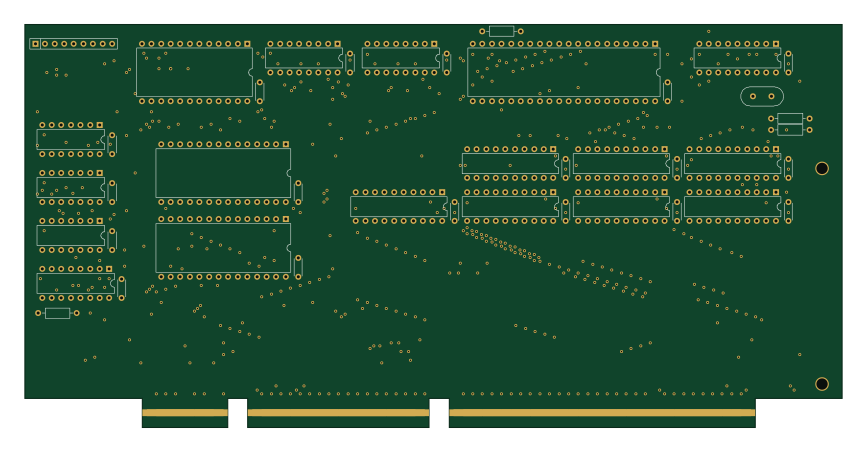
8086
216.4 × 106.7 mm42 parts2LGPL-3.027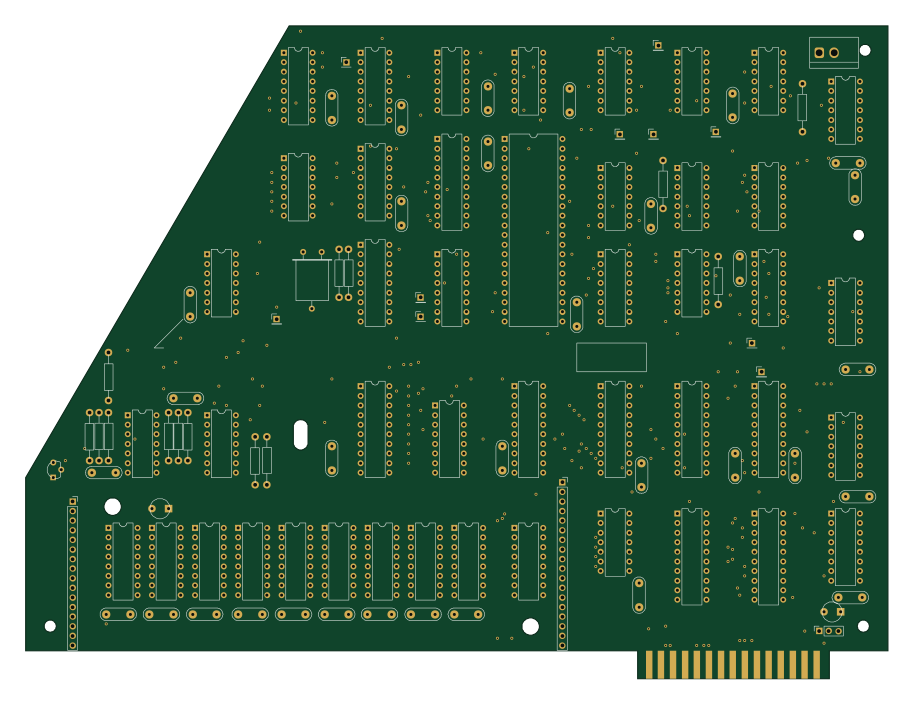
ADV-16 CPU
abzman
228.1 × 172.7 mm111 parts2LUnlicense4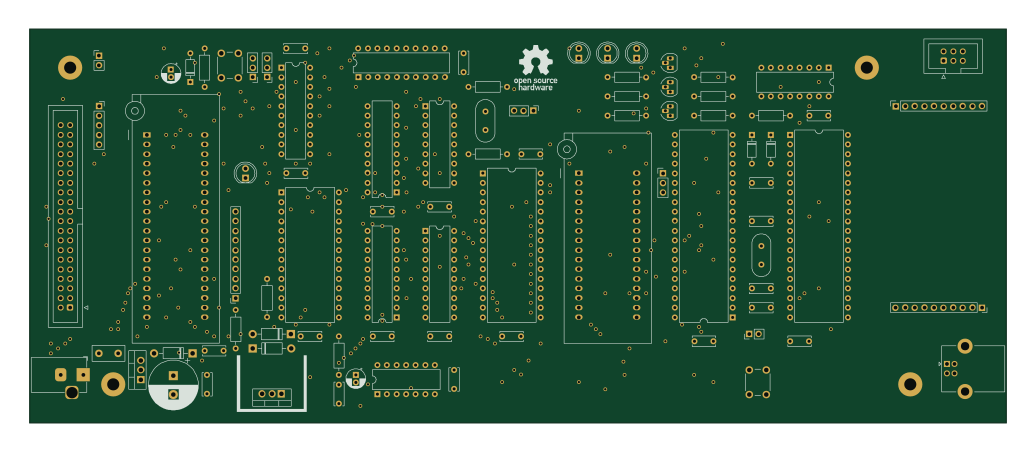 PIC
Tralala8088homebrew
258.4 × 104.1 mm85 parts2LNo license0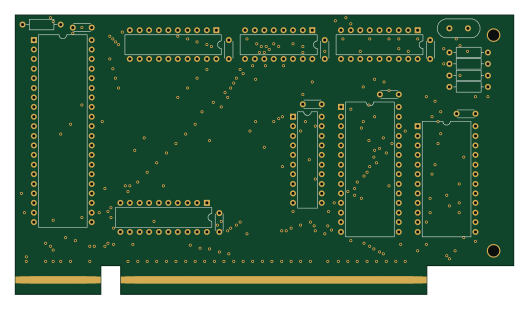
8088
132 × 73.9 mm22 parts2LGPL-3.0238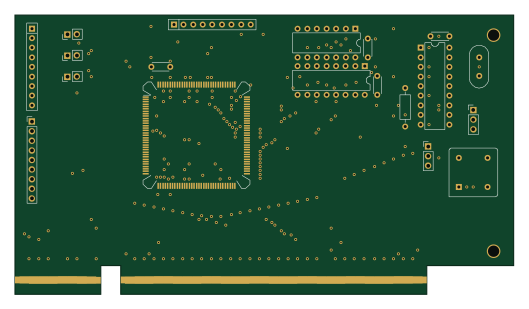
386EX
132 × 73.9 mm19 parts2LGPL-3.0238
How designs wire the 8284
Read from the KiCad layouts of 12 open source designs, one per repository: what each pin of the 8284 connects to, and the resistors, capacitors and other passives placed on it.
- The X2 pin has a crystal on 11 of 12 designs, most often 15 MHz (then 14.3182 MHz).
- The X1 pin has a crystal on 9 of 12 designs, most often 15 MHz (then 14.3182 MHz).
- The CSYNC pin is tied to GND on 10 of 12 designs.
- The PCLK pin is left unconnected on 9 of 12 designs (a signal on 3).
| Pin | Connected to | Parts on the pin |
|---|---|---|
| CSYNCpin 1 | Connected to: GND 83% | — |
| PCLKpin 2 | Connected to: Not connected 75% · a signal 25% | — |
| GNDpin 9 | Connected to: GND 100% | — |
| RESpin 11 | Connected to: A connector 50% |
|
| OSCpin 12 | Connected to: Not connected 67% · a signal 33% | — |
| F/Cpin 13 | Connected to: GND 75% · a signal 17% | — |
| ASYNCpin 15 | Connected to: GND 67% · not connected 25% | — |
| X2pin 16 | Connected to: Signal 100% |
|
| X1pin 17 | Connected to: Signal 100% |
|
| VCCpin 18 | Connected to: 5V 83% · a signal 17% |
|
8 more pins vary from design to design. Connections count pins, parts count designs; values in brackets are how many parts had that value. Designs read include 386EX by homebrew8088, 8086 by homebrew8088, TurboXT Addon by hkzlab and Civil25 by raleighslack.
The 8284 in open source designs
The gallery holds 17 open source boards using the 8284 from 13 GitHub repositories; a typical one measures about 177.1 × 118 mm and carries around 64 components.
81% are two-layer designs, the rest use four layers or more, and 65% carry an open source license.
The most starred is Multi by homebrew8088.
Parts used alongside the 8284
Microcontrollers on boards using the 8284
What boards using the 8284 are built for
8284: common questions
Where can I find a 8284 reference design?
Each of the 17 boards on this page is a real design using the 8284. Open one to see how it is wired up, with the full BOM, a render of the layout and links to its KiCad files.
How is the 8284 X2 pin connected?
The X2 pin has a crystal on 11 of 12 designs, most often 15 MHz (then 14.3182 MHz). Counted from the KiCad layouts of 12 open source designs using the 8284.
How is the 8284 X1 pin connected?
The X1 pin has a crystal on 9 of 12 designs, most often 15 MHz (then 14.3182 MHz). Counted from the KiCad layouts of 12 open source designs using the 8284.
How is the 8284 CSYNC pin connected?
The CSYNC pin is tied to GND on 10 of 12 designs. Counted from the KiCad layouts of 12 open source designs using the 8284.
What parts are used alongside the 8284?
The 74LS138, 74LS245, 74LS74, 74LS00 and 74LS04 appear in the most repositories here.
Which microcontrollers do boards using the 8284 use?
Most are built on PIC (1).
How big is a typical board using the 8284?
The median is 177.1 × 118 mm, and 81% are two-layer designs.
What is the most popular open source board using the 8284?
By GitHub stars, Multi by homebrew8088, with 238 stars.
Can I simulate one of these boards using the 8284 before building it?
Yes. HardLabs turns a board's netlist and BOM into a working simulation, so you can boot and test firmware against it with no hardware on your desk.