
13 open source boards using the TPS62130ARGTR
Real designs built with the TPS62130ARGTR, from public GitHub projects: a quick way to see how others power, decouple and connect it. Each board comes with its KiCad files, full parts list and a render — and you can simulate its firmware on HardLabs.
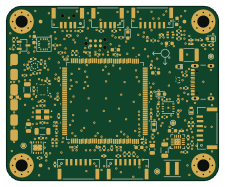 STM32
Shirley-FC-Dev-Board
Bare-Metal-Foundry
56 × 46 mm110 parts4LNo license31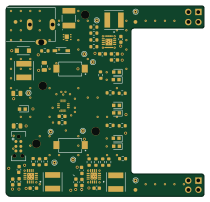 STM32
1016-Breadboard-Power-Supply
wilsondr9999
52.3 × 50.3 mm61 parts2LAGPL-3.014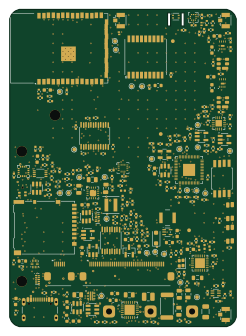 RP2040/RP2350
StratosCore
pantojinho
60 × 84 mm245 parts4LNo license1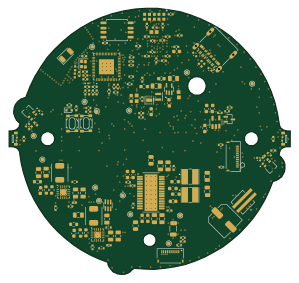 ESP32
Nest mini v2-voice
marceldale
74.5 × 70.6 mm231 parts4LCERN-OHL-S-2.01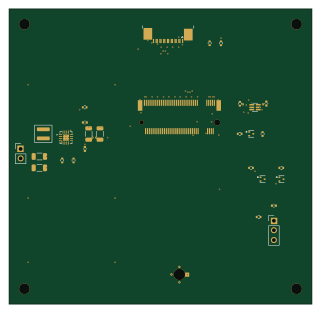
Fpga highspeed daq
searchyourmind
80 × 78 mm30 parts4LNo license1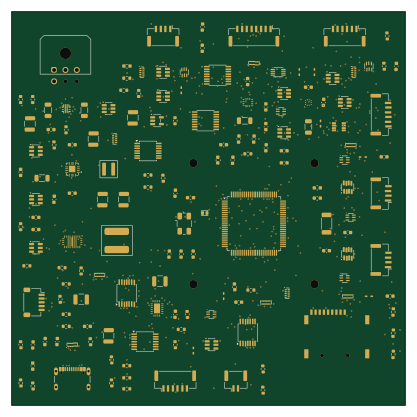 STM32
Flight-Controller-V1
desanv01
104 × 104 mm310 parts6LCustom license0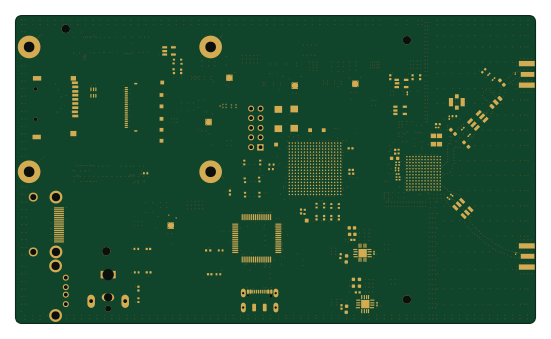 FPGA
PeriR
nihcoc
137.4 × 81.3 mm249 parts6LCustom license0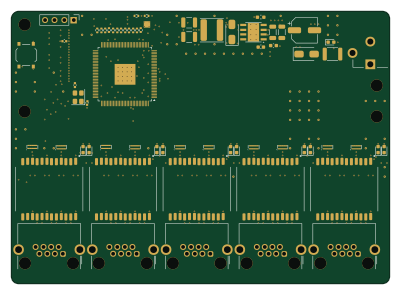
Rtl8367-switch
Deco025
100 × 72 mm219 parts4LCERN-OHL-S-2.00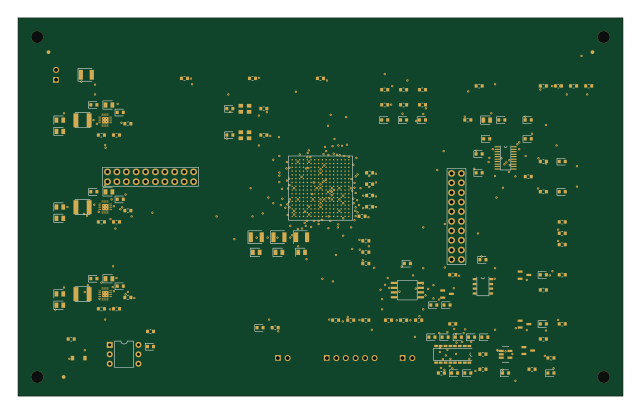 FPGA
Courant
KrasForge
160 × 100 mm180 parts6LMIT0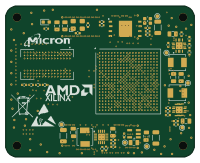 FPGA
ZYNQ-SoM
Nov4ou
50 × 40 mm136 parts6LCERN-OHL-P-2.00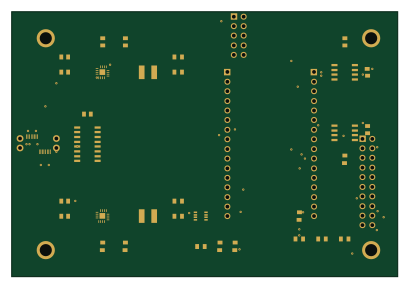
Tensorrail
skillsbuffcom
102 × 70 mm37 parts2LNo license0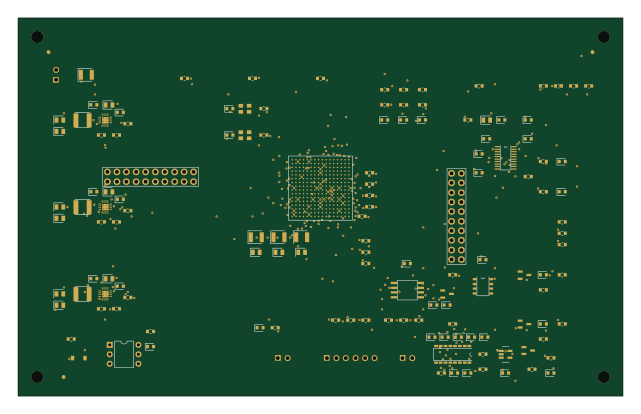 FPGA
Courant.before colored actual models 20260918T190457
160 × 100 mm180 parts6LMIT0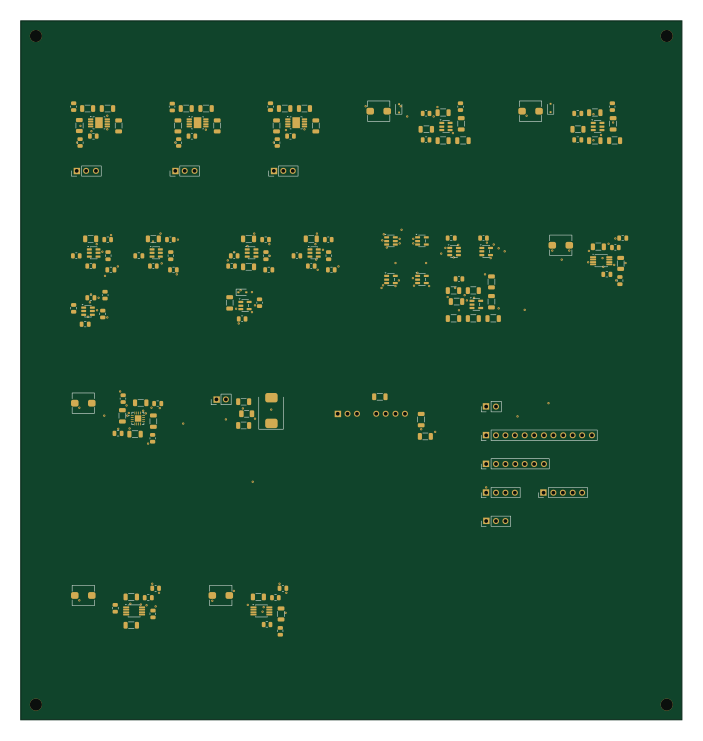
Project ATO / Power
pratham-cloud-ctrl
175 × 185 mm156 parts4LCustom license0
How designs wire the TPS62130ARGTR
Read from the KiCad layouts of 12 open source designs, one per repository: what each pin of the TPS62130ARGTR connects to, and the resistors, capacitors and other passives placed on it.
- The SW pins have a inductor on 11 of 12 designs, most often 2.2 µH (then 1 µH).
- The FB pin has a resistor to GND on 10 of 12 designs, most often 100 kΩ (then 10 kΩ).
- The SS/TR pin has a capacitor to GND on 10 of 12 designs, most often 3.3 nF (then 10 nF).
- The VIN pins have a decoupling capacitor on 10 of 12 designs, most often 10 µF (then 100 nF).
| Pin | Connected to | Parts on the pin |
|---|---|---|
| SWpin 1, 2, 3 | Connected to: Signal 83% · 1V 17% |
|
| PGpin 4 | Connected to: Signal 75% · 1V 17% |
|
| FBpin 5 | Connected to: Signal 92% |
|
| GNDpin 6, 15, 16, 17 | Connected to: GND 90% | — |
| DEFpin 8 | Connected to: GND 83% · a signal 17% | — |
| SS/TRpin 9 | Connected to: Signal 100% |
|
| VINpin 10, 11, 12 | Connected to: 5V 67% · a signal 31% |
|
| VOSpin 14 | Connected to: 3.3V 50% · a signal 42% |
|
2 more pins vary from design to design. Connections count pins, parts count designs; values in brackets are how many parts had that value. Designs read include Shirley-FC-Dev-Board by Bare-Metal-Foundry, 1016-Breadboard-Power-Supply by wilsondr9999, Nest mini v2-voice by marceldale and StratosCore by pantojinho.
The TPS62130ARGTR in open source designs
The gallery holds 13 open source boards using the TPS62130ARGTR from 12 GitHub repositories; a typical one measures about 100 × 78 mm and carries around 180 components.
85% use four copper layers or more, and 46% carry an open source license.
The most starred is Shirley-FC-Dev-Board by Bare-Metal-Foundry.
Parts used alongside the TPS62130ARGTR
Microcontrollers on boards using the TPS62130ARGTR
What boards using the TPS62130ARGTR are built for
TPS62130ARGTR: common questions
Where can I find a TPS62130ARGTR reference design?
Each of the 13 boards on this page is a real design using the TPS62130ARGTR. Open one to see how it is wired up, with the full BOM, a render of the layout and links to its KiCad files.
How is the TPS62130ARGTR SW pin connected?
The SW pins have a inductor on 11 of 12 designs, most often 2.2 µH (then 1 µH). Counted from the KiCad layouts of 12 open source designs using the TPS62130ARGTR.
What resistor goes on the TPS62130ARGTR FB pin?
The FB pin has a resistor to GND on 10 of 12 designs, most often 100 kΩ (then 10 kΩ). Counted from the KiCad layouts of 12 open source designs using the TPS62130ARGTR.
How is the TPS62130ARGTR SS/TR pin connected?
The SS/TR pin has a capacitor to GND on 10 of 12 designs, most often 3.3 nF (then 10 nF). Counted from the KiCad layouts of 12 open source designs using the TPS62130ARGTR.
What parts are used alongside the TPS62130ARGTR?
The W25Q128JVSIQ, BMP390, ICM-42688-P, LM66100DCKR and MMC5983MA appear in the most repositories here.
Which microcontrollers do boards using the TPS62130ARGTR use?
Most are built on FPGA (4), STM32 (3), ESP32 (1) and RP2040/RP2350 (1).
How big is a typical board using the TPS62130ARGTR?
The median is 100 × 78 mm, and 15% are two-layer designs.
What is the most popular open source board using the TPS62130ARGTR?
By GitHub stars, Shirley-FC-Dev-Board by Bare-Metal-Foundry, with 31 stars.
Can I simulate one of these boards using the TPS62130ARGTR before building it?
Yes. HardLabs turns a board's netlist and BOM into a working simulation, so you can boot and test firmware against it with no hardware on your desk.