
62 open source boards using the LM66100DCKR
Real designs built with the LM66100DCKR, from public GitHub projects: a quick way to see how others power, decouple and connect it. Each board comes with its KiCad files, full parts list and a render — and you can simulate its firmware on HardLabs.
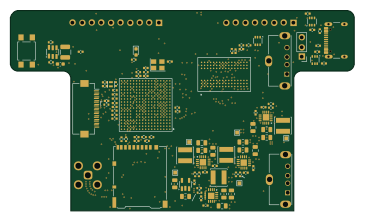
Flipper blackhat
o7-machinehum
91 × 53.1 mm167 parts4LCC-BY-NC-4.0292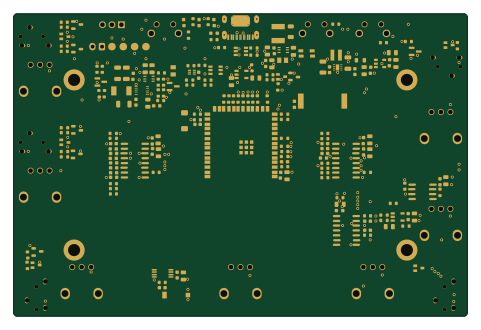 ESP32
Spikeling
OpenSourceNeuro
120 × 80 mm211 parts2LGPL-3.021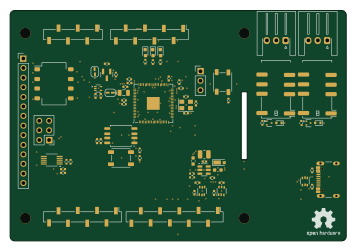 RP2040/RP2350
RTShield
89 × 61 mm87 parts4LCC-BY-NC-4.012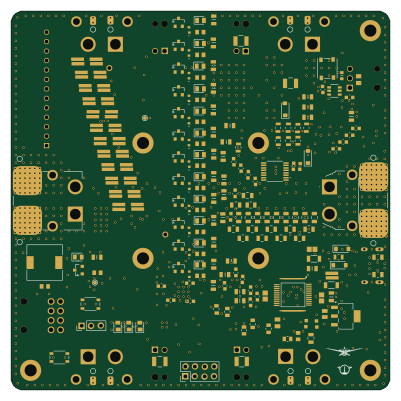 RP2040/RP2350
BMS
AerospaceNU
100 × 100 mm342 parts6LNo license4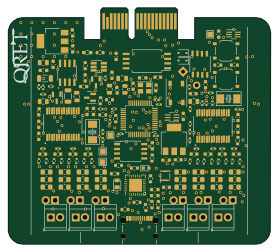 STM32
Sensors Module
Queens-Rocket-Engineering-Team
69.5 × 62.6 mm184 parts4LNo license3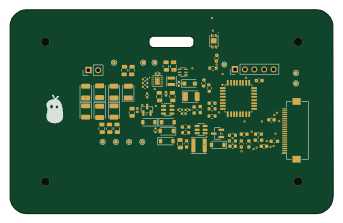 STM32
Namecard
soumame
85.6 × 54 mm73 parts2LMIT3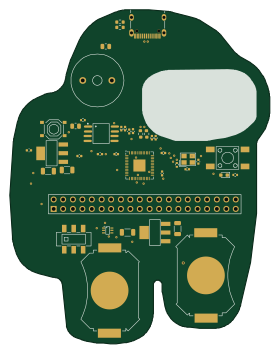 RP2040/RP2350
AmogusRP2040
alx-alexpark
68.8 × 88.4 mm42 parts2LNo license3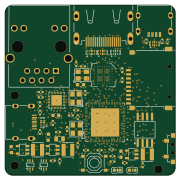 ESP32
OpenKVM
gigi74168
45 × 45 mm178 parts4LCustom license2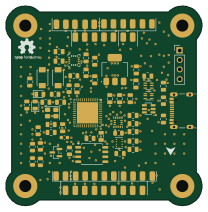 STM32
KHATAF-F411
xXsenseiXx
51.9 × 52.8 mm67 parts4LNo license2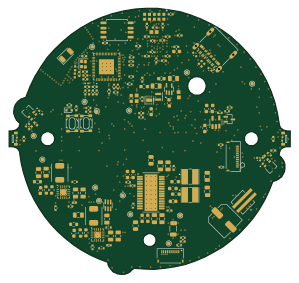 ESP32
Nest mini v2-voice
marceldale
74.5 × 70.6 mm231 parts4LCERN-OHL-S-2.01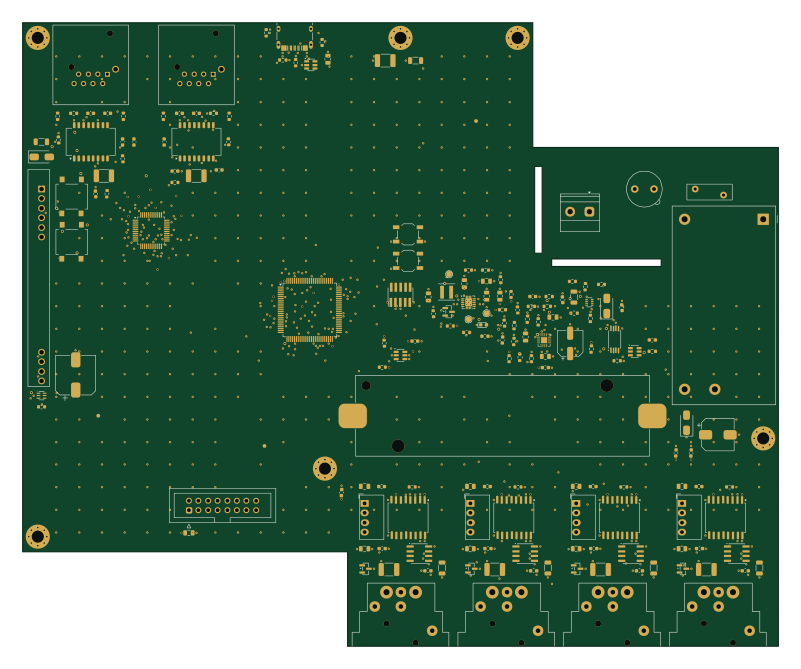 STM32
ArtNetNode Full
vili111111p
200 × 165 mm218 parts4LNo license1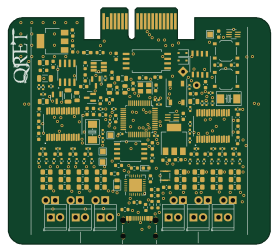 STM32
Av instrumentation
69.5 × 62.6 mm184 parts4LNo license1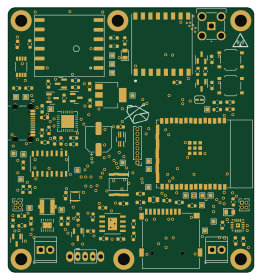 ESP32
Kuhglocke GS
65 × 70 mm115 parts2LNo license1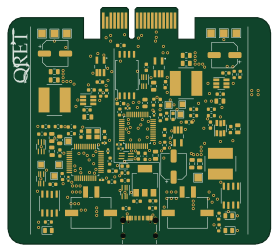 STM32
QRET 23-24 SRAD Power Module
69.5 × 62.6 mm112 parts4LNo license1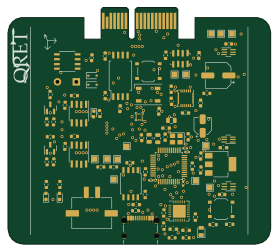 STM32
QRET 23-24 SRAD Altimeter Module
69.5 × 62.6 mm92 parts4LNo license1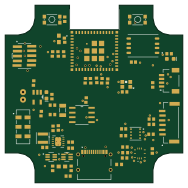 ESP32
KiCAD converted
sai-ydev
47 × 47 mm62 parts4LMIT1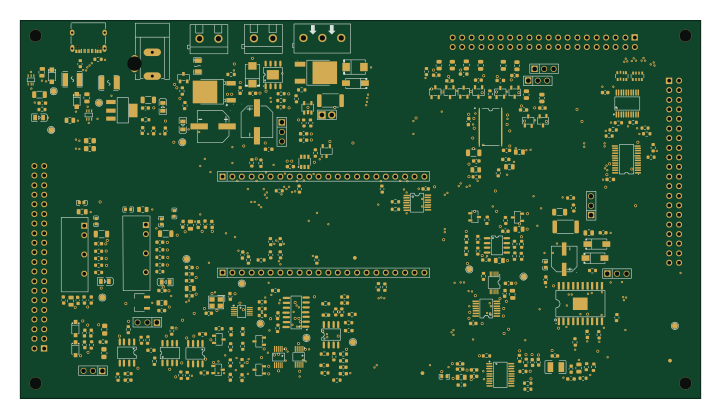
TIGP class board 2026 - main board
TIGP-Experimental-Methods
180 × 100 mm318 parts4LNo license0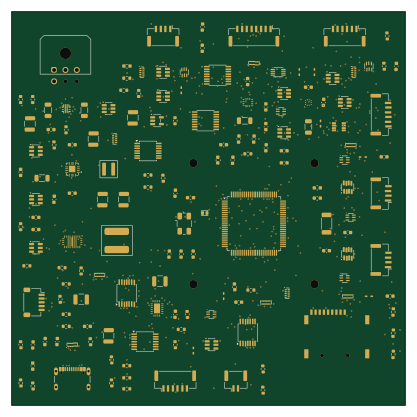 STM32
Flight-Controller-V1
desanv01
104 × 104 mm310 parts6LCustom license0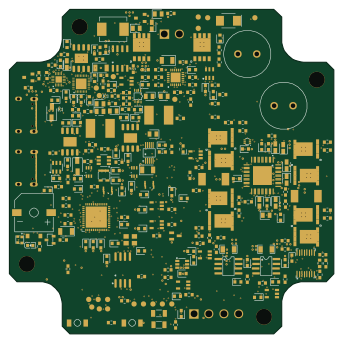 STM32
Pd1180-epr
techmannih
85.9 × 85.9 mm255 parts4LNo license0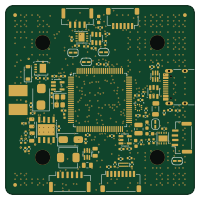 STM32
Fc h743
dvntekim
50 × 50 mm178 parts6LNo license0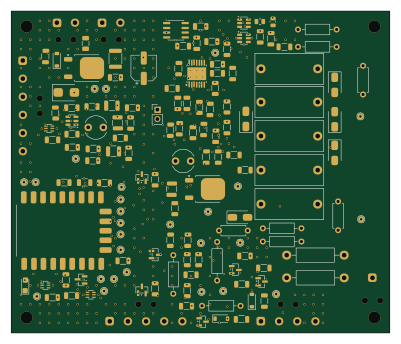 RP2040/RP2350
Universal nixie display
kuvychko
100 × 85 mm155 parts2LMIT0 ESP32
Dronekit pro
AbdulAzeez0001
36 × 36 mm119 parts4LNo license0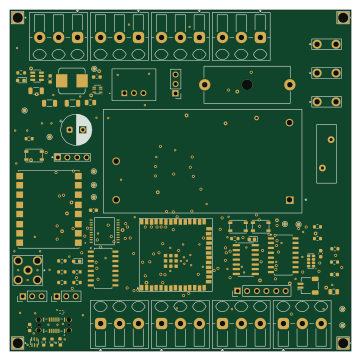 ESP32
ElevatorLift
Nickster44
90 × 90 mm113 parts4LNo license0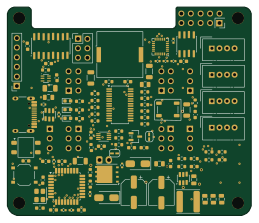 AVR/Arduino
Whisker
HeyPCB
64.6 × 55.2 mm112 parts4LCERN-OHL-S-2.00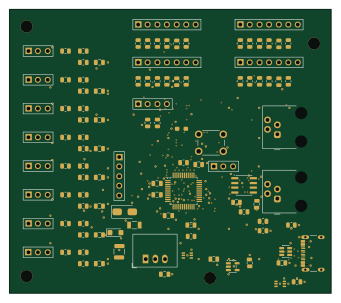 STM32
OpenSimGear generic STM32G0B1 module
opensimgear
85 × 75 mm107 parts4LCustom license0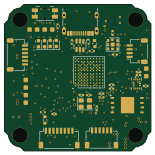 STM32
EuroFly
GigelBosket
38.6 × 38.6 mm99 parts4LCERN-OHL-P-2.00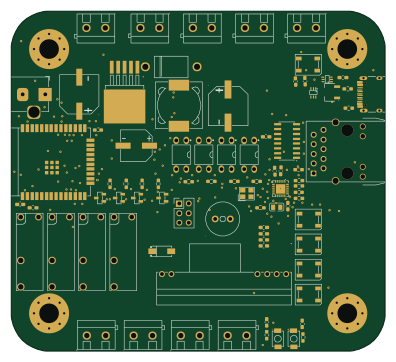 ESP32
Homey
jadam3k
99 × 90 mm95 parts2LNo license0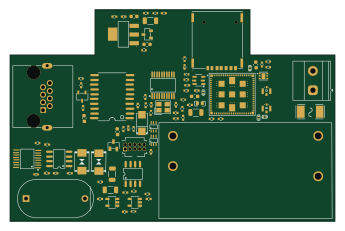 Nordic nRF
Nrf9151-modbus
mathijsmeulendijks
86 × 56 mm95 parts4LNo license0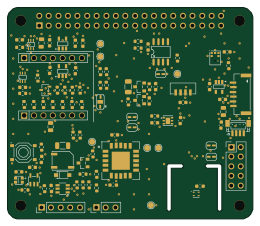
Sensor-HAT
Eniemooo
65 × 56 mm94 parts4LCC-BY-SA-4.00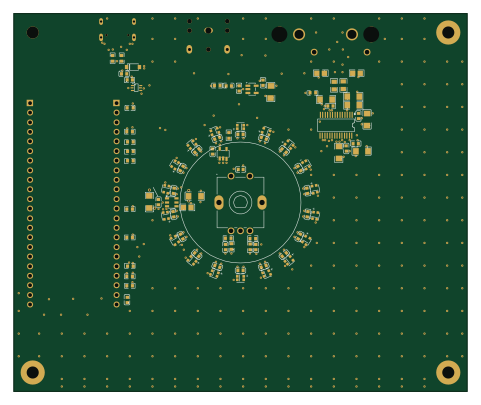
Nts player
beeb
120 × 100 mm94 parts4LApache-2.00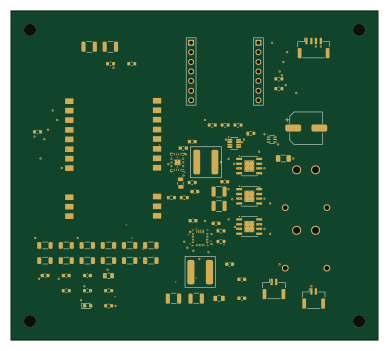 Nordic nRF
RoyalNode
jb66dmg52h-dotcom
97 × 87 mm71 parts4LNo license0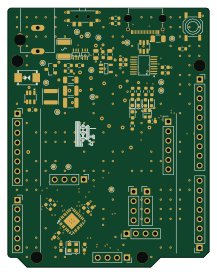 AVR/Arduino
Cave-Uno
Chicken-Fried
53.3 × 68.6 mm66 parts2LCERN-OHL-P-2.00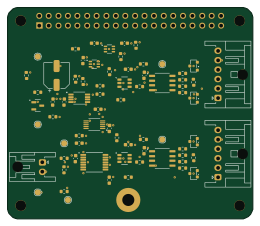
Assembly source
zcrawling
65 × 56 mm65 parts4LNo license0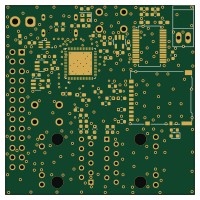
Avi Ethernet Test Board
CREATE-ROCKET
50 × 50 mm64 parts8LNo license0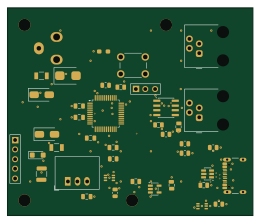 STM32
Device gateway
65 × 55 mm41 parts4LCustom license0- schematic only · 278 parts
Dc cv interface
jounih
278 partsMIT0
How designs wire the LM66100DCKR
Read from the KiCad layouts of 39 open source designs, one per repository: what each pin of the LM66100DCKR connects to, and the resistors, capacitors and other passives placed on it.
- The VIN pin has a capacitor to GND on 33 of 39 designs, most often 1 µF (then 100 nF).
- The VOUT pin has a decoupling capacitor on 23 of 39 designs, most often 100 nF (then 10 µF).
- The *CE pin is tied to 5V on 25 of 39 designs (GND on 6, a signal on 8).
| Pin | Connected to | Parts on the pin |
|---|---|---|
| VINpin 1 | Connected to: A connector 31% · 5V 41% |
|
| GNDpin 2 | Connected to: GND 100% | — |
| *CEpin 3 | Connected to: 5V 64% · GND 15% · a signal 21% | — |
| NCpin 4 | Connected to: Not connected 97% | — |
| VOUTpin 6 | Connected to: 5V 74% · a signal 26% |
|
1 more pin varies from design to design. Connections count pins, parts count designs; values in brackets are how many parts had that value. Designs read include Flipper blackhat by o7-machinehum, Spikeling by OpenSourceNeuro, RTShield by o7-machinehum and Lichee-Jack EXT. Board by KaliAssistant.
The LM66100DCKR in open source designs
The gallery holds 62 open source boards using the LM66100DCKR from 42 GitHub repositories; a typical one measures about 69.5 × 62.6 mm and carries around 95 components.
77% use four copper layers or more, and 21% carry an open source license.
The most starred is Flipper blackhat by o7-machinehum.
Parts used alongside the LM66100DCKR
Microcontrollers on boards using the LM66100DCKR
What boards using the LM66100DCKR are built for
LM66100DCKR: common questions
Where can I find a LM66100DCKR reference design?
Each of the 62 boards on this page is a real design using the LM66100DCKR. Open one to see how it is wired up, with the full BOM, a render of the layout and links to its KiCad files.
How is the LM66100DCKR VIN pin connected?
The VIN pin has a capacitor to GND on 33 of 39 designs, most often 1 µF (then 100 nF). Counted from the KiCad layouts of 39 open source designs using the LM66100DCKR.
What decoupling capacitors do designs use on the LM66100DCKR VOUT pin?
The VOUT pin has a decoupling capacitor on 23 of 39 designs, most often 100 nF (then 10 µF). Counted from the KiCad layouts of 39 open source designs using the LM66100DCKR.
How is the LM66100DCKR *CE pin connected?
The *CE pin is tied to 5V on 25 of 39 designs (GND on 6, a signal on 8). Counted from the KiCad layouts of 39 open source designs using the LM66100DCKR.
What parts are used alongside the LM66100DCKR?
The AMS1117-3.3, USBLC6-2SC6, ISO1042BDWVR, CP2102N-Axx-xQFN28 and STM32F103CBT6 appear in the most repositories here.
Which microcontrollers do boards using the LM66100DCKR use?
Most are built on STM32 (26), ESP32 (13), RP2040/RP2350 (4) and AVR/Arduino (2).
How big is a typical board using the LM66100DCKR?
The median is 69.5 × 62.6 mm, and 23% are two-layer designs.
What is the most popular open source board using the LM66100DCKR?
By GitHub stars, Flipper blackhat by o7-machinehum, with 292 stars.
Can I simulate one of these boards using the LM66100DCKR before building it?
Yes. HardLabs turns a board's netlist and BOM into a working simulation, so you can boot and test firmware against it with no hardware on your desk.