
22 open source boards using the TPS62933
Real designs built with the TPS62933, from public GitHub projects: a quick way to see how others power, decouple and connect it. Each board comes with its KiCad files, full parts list and a render — and you can simulate its firmware on HardLabs.
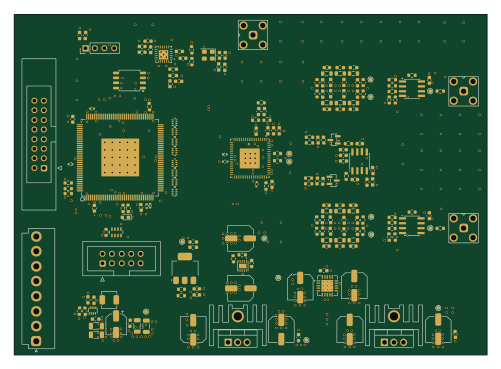 FPGA
Analog board
EERNINUO
125 × 90 mm281 parts4LGPL-3.036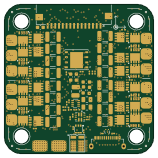 ESP32
P4eregrine
anticitizn
39.5 × 39.5 mm314 parts6LNo license15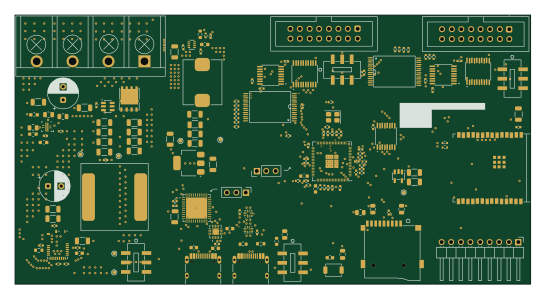 RP2040/RP2350
Mainboard
mincrmatt12
136.3 × 71.1 mm160 parts4LMIT11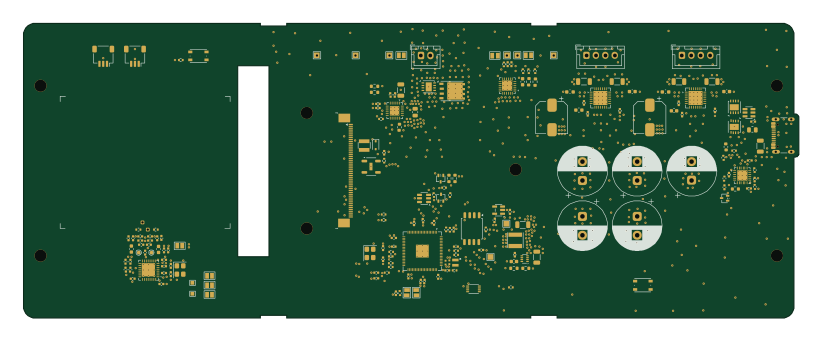 RP2040/RP2350
Hardware
seedhammer
205.3 × 78 mm172 parts4LUnlicense9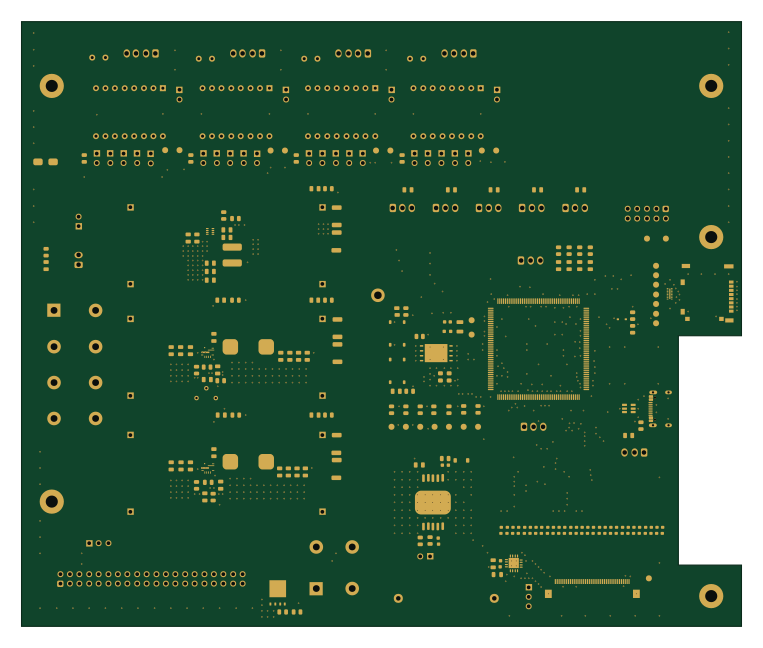 STM32
Topiary-TrimBot
griffinross2
190.5 × 160 mm251 parts4LGPL-3.02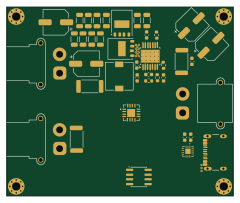 STM32
Mini pd psu
ManhTi3012
60 × 50 mm66 parts2LMIT2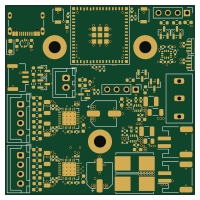 ESP32
Balancing cam
NEOgHacking
50 × 50 mm116 parts4LNo license1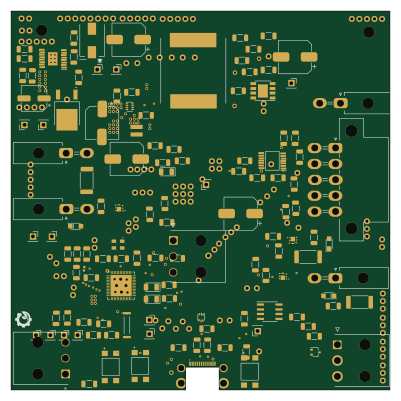 ESP32
Schematic main2
HydrogreenPollub
100 × 100 mm216 parts2LMIT0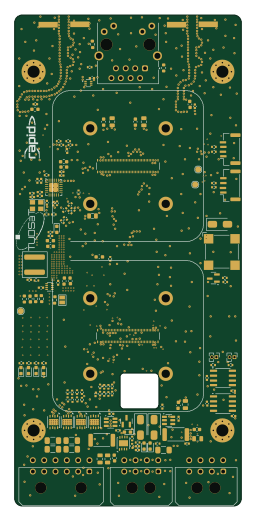
Stigma mission board hysteresis
tudsat-rocket
60 × 130 mm170 parts4LNo license0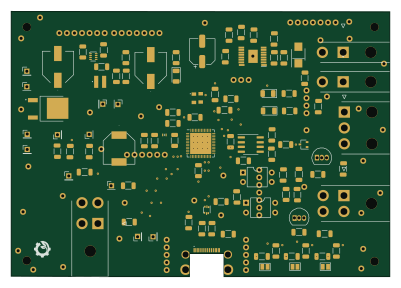 ESP32
MCU
100.1 × 70.1 mm101 parts2LMIT0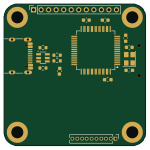 STM32
V1.1.3
XeroxUAV
37.5 × 37.5 mm78 parts2LNo license0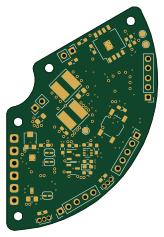 STM32
APS Motherboard
TheStelmach
40 × 59.2 mm76 parts4LGPL-3.00 ESP32
PCB-Files
Pebblin
5 × 11.2 mm68 parts2LNo license0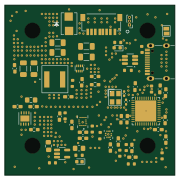
Electronics
QuadFlyController
45 × 45 mm60 parts4LMIT0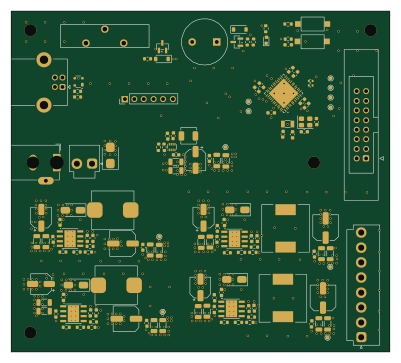 STM32
Control board
100 × 90 mm134 parts4LGPL-3.036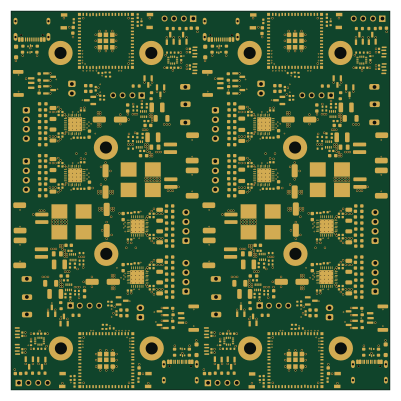 ESP32
Balancing cam panel
100 × 100 mm116 parts4LNo license1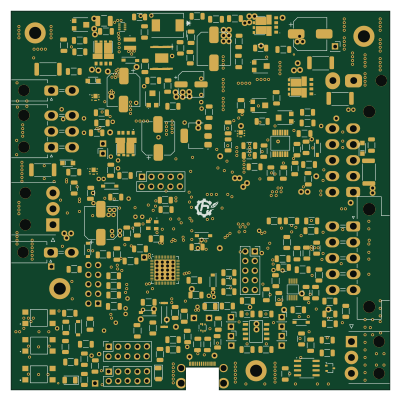 ESP32
FCCU-v2-schematic
100 × 100 mm213 parts2LMIT0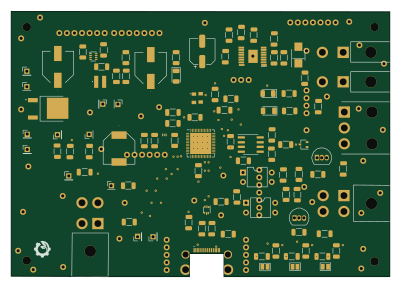 ESP32
Pcb schematic main MCU
100.1 × 70.1 mm101 parts2LMIT0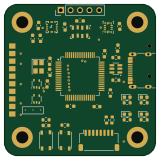 STM32
V1.1.8
40 × 40 mm75 parts2LNo license0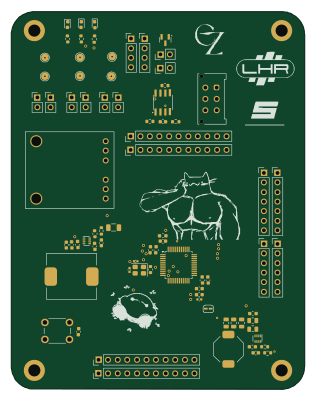 STM32
STMF373CCT6 Onboarding
LHRIC
77.7 × 100 mm76 parts4LNo license2- schematic only · 110 partsESP32
Schematic main
110 partsMIT0 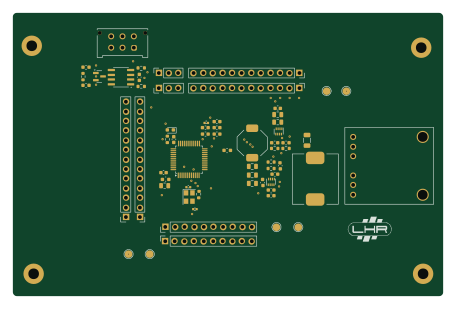 STM32
TCM STM32F302C8T6 - Breakout Board
113.8 × 74.9 mm58 parts2LNo license2
How designs wire the TPS62933
Read from the KiCad layouts of 15 open source designs, one per repository: what each pin of the TPS62933 connects to, and the resistors, capacitors and other passives placed on it.
- The SW pin has a inductor on 15 of 15 designs, most often 4.7 µH (then 2.2 µH).
- The SS pin has a capacitor to GND on 15 of 15 designs, most often 33 nF (then 100 nF).
- The VIN pin has a decoupling capacitor on 14 of 15 designs, most often 10 µF (then 100 nF).
- The SW pin has a series capacitor on 14 of 15 designs, most often 100 nF.
| Pin | Connected to | Parts on the pin |
|---|---|---|
| RTpin 1 | Connected to: Not connected 67% · a signal 33% | — |
| ENpin 2 | Connected to: Not connected 67% · a signal 27% | — |
| VINpin 3 | Connected to: 12V 60% · a signal 40% |
|
| GNDpin 4 | Connected to: GND 100% | — |
| SWpin 5 | Connected to: Signal 100% |
|
| BSTpin 6 | Connected to: Signal 100% |
|
| SSpin 7 | Connected to: Signal 100% |
|
| FBpin 8 | Connected to: Signal 100% |
|
Connections count pins, parts count designs; values in brackets are how many parts had that value. Designs read include Analog board by EERNINUO, P4eregrine by anticitizn, Mainboard by mincrmatt12 and Hardware by seedhammer.
The TPS62933 in open source designs
The gallery holds 22 open source boards using the TPS62933 from 15 GitHub repositories; a typical one measures about 100 × 71.1 mm and carries around 113 components.
57% use four copper layers or more, and 59% carry an open source license.
The most starred is Analog board by EERNINUO.
Parts used alongside the TPS62933
Microcontrollers on boards using the TPS62933
What boards using the TPS62933 are built for
TPS62933: common questions
Where can I find a TPS62933 reference design?
Each of the 22 boards on this page is a real design using the TPS62933. Open one to see how it is wired up, with the full BOM, a render of the layout and links to its KiCad files.
How is the TPS62933 SW pin connected?
The SW pin has a inductor on 15 of 15 designs, most often 4.7 µH (then 2.2 µH). Counted from the KiCad layouts of 15 open source designs using the TPS62933.
How is the TPS62933 SS pin connected?
The SS pin has a capacitor to GND on 15 of 15 designs, most often 33 nF (then 100 nF). Counted from the KiCad layouts of 15 open source designs using the TPS62933.
What decoupling capacitors do designs use on the TPS62933 VIN pin?
The VIN pin has a decoupling capacitor on 14 of 15 designs, most often 10 µF (then 100 nF). Counted from the KiCad layouts of 15 open source designs using the TPS62933.
What parts are used alongside the TPS62933?
The USBLC6-2P6, ESP32-S3FN8, LM76202QPWPRQ1, LSM6DS3 and SN65HVD232 appear in the most repositories here.
Which microcontrollers do boards using the TPS62933 use?
Most are built on ESP32 (9), STM32 (8), RP2040/RP2350 (2) and FPGA (1).
How big is a typical board using the TPS62933?
The median is 100 × 71.1 mm, and 43% are two-layer designs.
What is the most popular open source board using the TPS62933?
By GitHub stars, Analog board by EERNINUO, with 36 stars.
Can I simulate one of these boards using the TPS62933 before building it?
Yes. HardLabs turns a board's netlist and BOM into a working simulation, so you can boot and test firmware against it with no hardware on your desk.