
31 open source boards using the ESP32-S3FN8
Real designs built with the ESP32-S3FN8, from public GitHub projects: a quick way to see how others power, decouple and connect it. Each board comes with its KiCad files, full parts list and a render — and you can simulate its firmware on HardLabs.
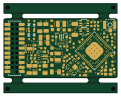 ESP32
NIMRS-21Pin-Decoder
CDFER
30 × 23.5 mm68 parts4LNo license20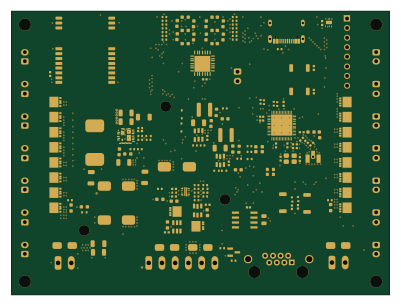 ESP32
Open Shot Clock Display
DLaxV-Community-Projects-Hub
100 × 75 mm196 parts2LCERN-OHL-P-2.05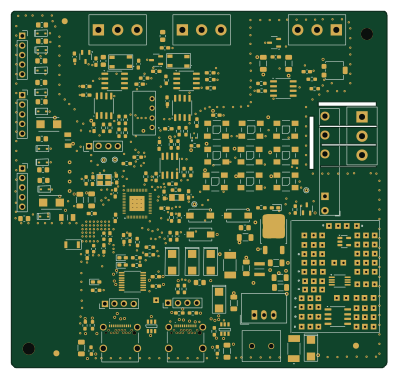 ESP32
ESP32indEVB
gmarocco
99.2 × 94.2 mm194 parts4LNo license4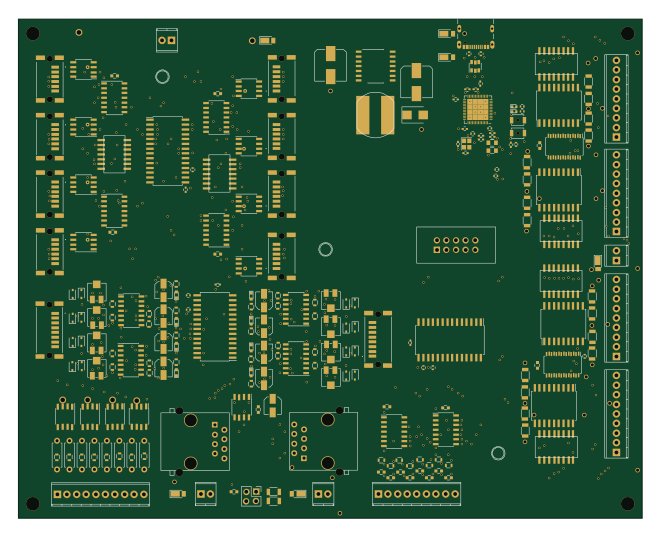 ESP32
ESP32-S3-MegaMultiFunction
RobertPHeller
165.1 × 132.1 mm238 parts2LCC-BY-4.03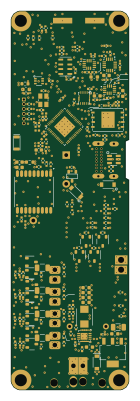 ESP32
PTR mega hardware
PTR-projects
31 × 100 mm203 parts4LMIT3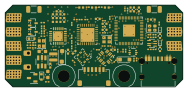 ESP32
Rotini-Hardware
AlfredoSystems
47 × 21.6 mm105 parts4LMIT3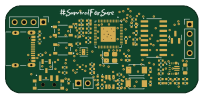 ESP32
The-Surevival
Rishaan2202
51 × 23 mm72 parts2LNo license3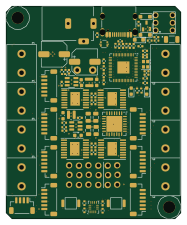 ESP32
NoU3
46 × 56 mm113 parts4LNo license1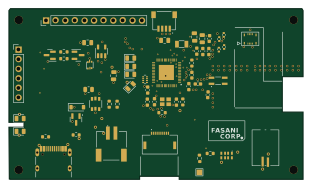 ESP32
S3 SHARP LCD Controller
martinberlin
77.9 × 45.2 mm60 parts4LMIT1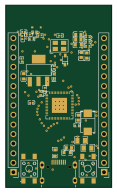 ESP32
Penguin32
amnotpopichu
28 × 48.3 mm40 parts2LMPL-2.01- schematic only · 5 partsESP32
Smart glasses ai
yashanandingole12-gif
5 partsNo license1  ESP32
Compact-S1-placement
ddasdkimo
160 × 110 mm694 parts2LNo license0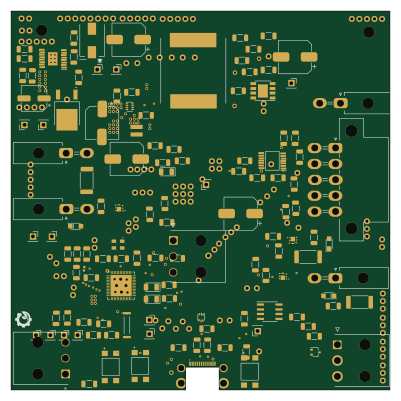 ESP32
Schematic main2
HydrogreenPollub
100 × 100 mm216 parts2LMIT0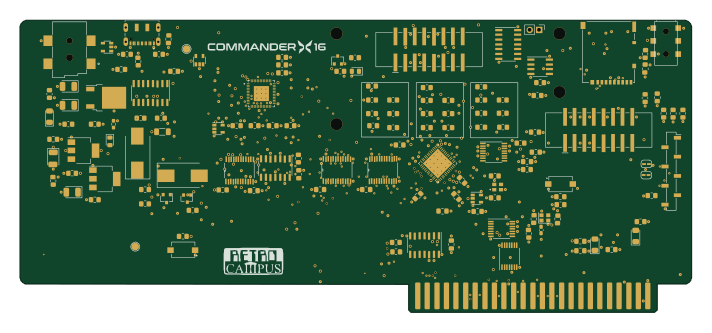 ESP32
VERA MODULE A2
gianlucarenzi
177.8 × 77.3 mm181 parts2LGPL-3.00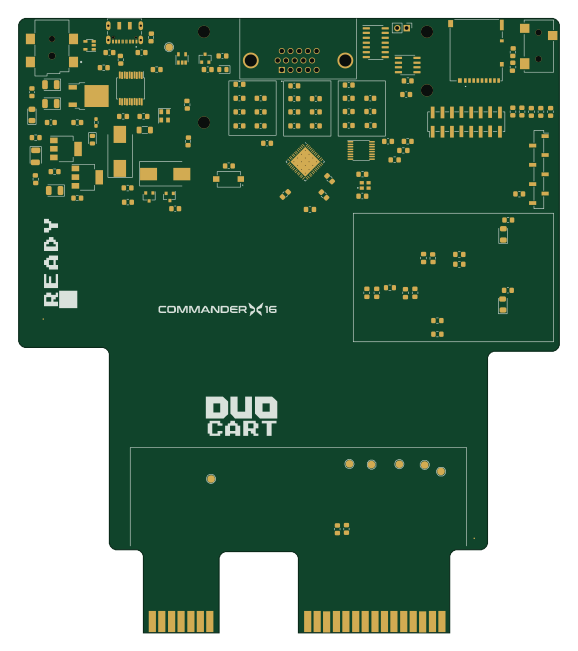 ESP32
Vera-Module-RBL-XE
143 × 162.5 mm175 parts2LGPL-3.00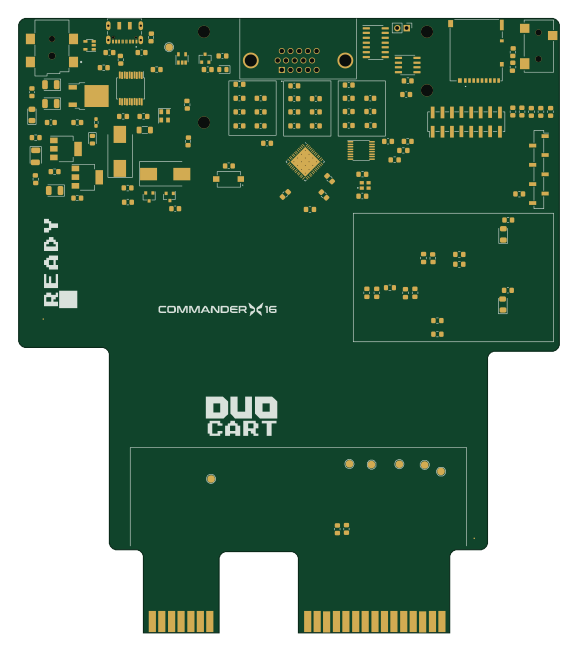 ESP32
Vera-Module-RBL-C64
143 × 162.5 mm175 parts2LGPL-3.00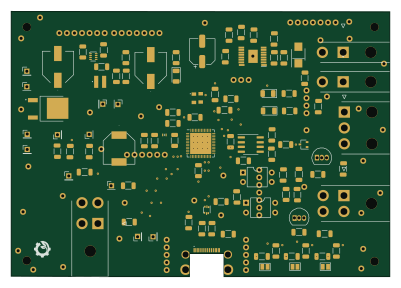 ESP32
MCU
100.1 × 70.1 mm101 parts2LMIT0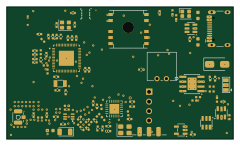 ESP32
SquirrelCore
SupperSimonMiku
60 × 35 mm92 parts4LMIT0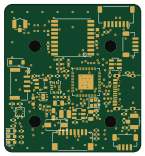 ESP32
Tar team1-hardware
pranavs41
36 × 39 mm83 parts4LNo license0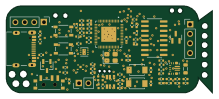 ESP32
Survive
PrinceYadav78
54.7 × 23 mm72 parts4LMIT0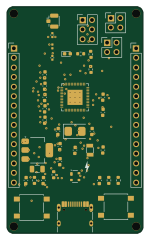 ESP32
Raiden s01
RaidenTechnology
36 × 60 mm42 parts4LCERN-OHL-P-2.00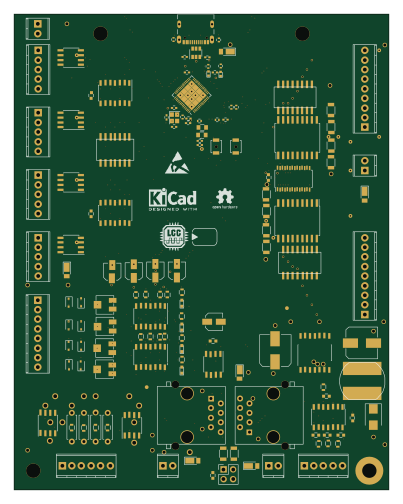 ESP32
ESP32-S3-MultiFunction
99.1 × 125.7 mm141 parts2LCC-BY-4.03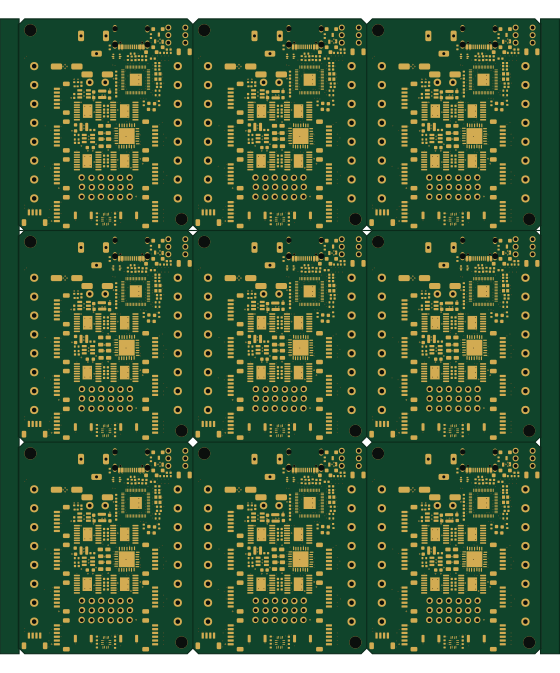 ESP32
NoU3-Panelized
138 × 168 mm113 parts4LNo license1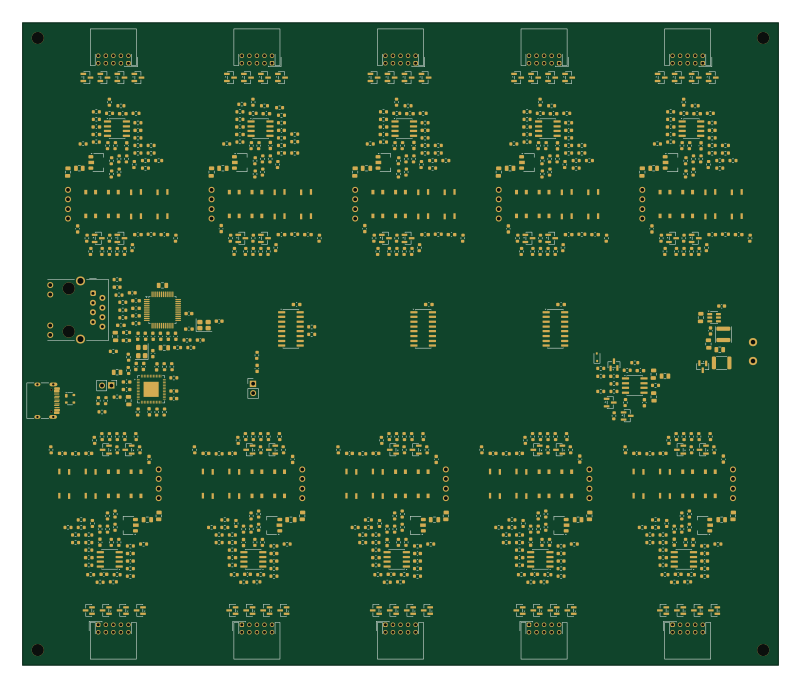 ESP32
Layout-S2-review
200 × 170 mm694 parts2LNo license0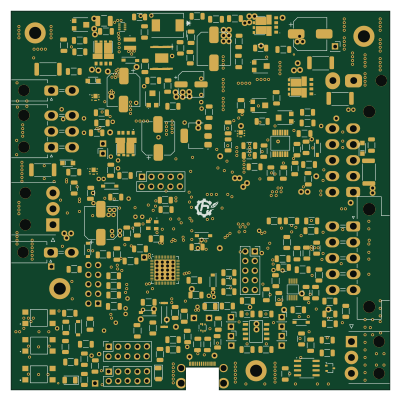 ESP32
FCCU-v2-schematic
100 × 100 mm213 parts2LMIT0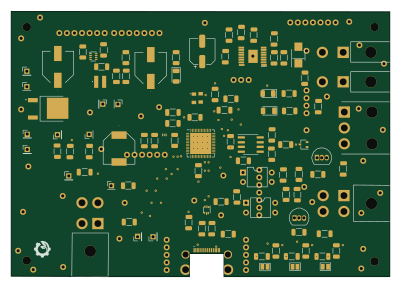 ESP32
Pcb schematic main MCU
100.1 × 70.1 mm101 parts2LMIT0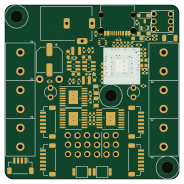 ESP32
NoU3-Lite
46 × 46 mm87 parts4LNo license1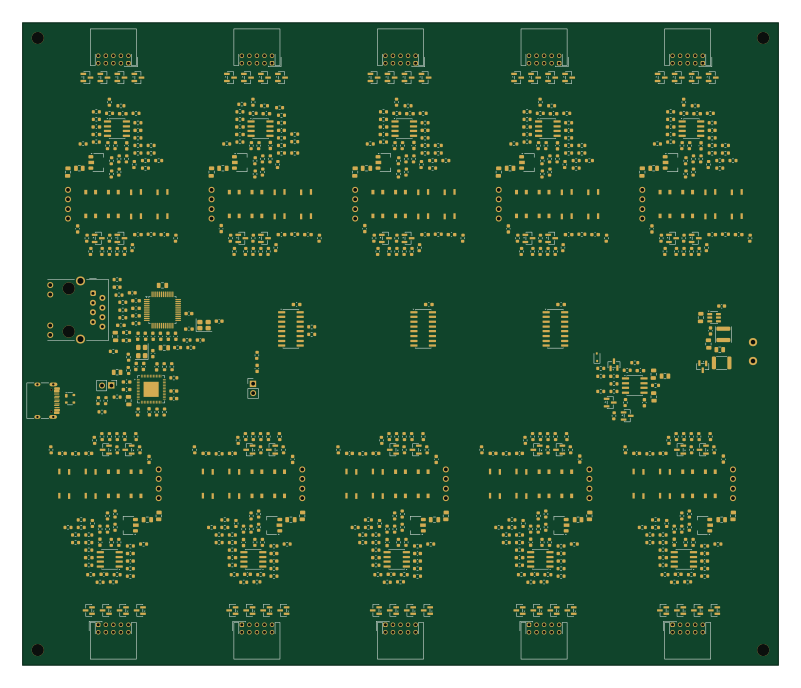 ESP32
Routing-R0
200 × 170 mm694 parts2LNo license0- schematic only · 110 partsESP32
Schematic main
110 partsMIT0 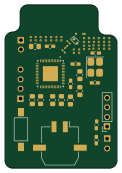 ESP32
ESP32C3
rajeev2705
29.6 × 43.2 mm59 parts4LNo license0 RP2040/RP2350
PMK Dongle S3 HW00
PumaFPV
10.4 × 15.4 mm26 parts4LMIT4
How designs wire the ESP32-S3FN8
Read from the KiCad layouts of 22 open source designs, one per repository: what each pin of the ESP32-S3FN8 connects to, and the resistors, capacitors and other passives placed on it.
- The CHIP_PU pin has a pull-up to 3.3V on 19 of 22 designs, most often 10 kΩ (then 100 kΩ).
- The CHIP_PU pin has a capacitor to GND on 18 of 22 designs, most often 1 µF (then 100 nF).
- The XTAL_N pin has a capacitor to GND on 17 of 22 designs, most often 12 pF (then 20 pF).
- The SPIWP pin is left unconnected on 20 of 22 designs (a signal on 2).
| Pin | Connected to | Parts on the pin |
|---|---|---|
| LNA_INpin 1 | Connected to: Signal 64% · not connected 36% |
|
| VDD3P3pin 2, 3 | Connected to: 3.3V 64% · a signal 36% |
|
| CHIP_PUpin 4 | Connected to: Signal 100% |
|
| GPIO0pin 5 | Connected to: Signal 100% |
|
| VDD3P3_RTCpin 20 | Connected to: 3.3V 86% |
|
| GPIO19pin 25 | Connected to: USBLC6-2P6 23% |
|
| GPIO20pin 26 | Connected to: USBLC6-2P6 23% |
|
| SPICS1pin 28 | Connected to: Not connected 82% · a signal 18% | — |
| VDD_SPIpin 29 | Connected to: Signal 45% · 3.3V 41% |
|
| SPIHDpin 30 | Connected to: Not connected 86% | — |
| SPIWPpin 31 | Connected to: Not connected 91% | — |
| SPICS0pin 32 | Connected to: Not connected 91% | — |
| SPICLKpin 33 | Connected to: Not connected 91% | — |
| SPIQpin 34 | Connected to: Not connected 91% | — |
| SPIDpin 35 | Connected to: Not connected 82% · a signal 18% | — |
| SPICLK_Ppin 37 | Connected to: Not connected 64% · a signal 36% | — |
| VDD3P3_CPUpin 46 | Connected to: 3.3V 86% |
|
| U0TXDpin 49 | Connected to: Signal 86% |
|
| XTAL_Npin 53 | Connected to: Signal 95% |
|
| XTAL_Ppin 54 | Connected to: Signal 95% |
|
| VDDApin 55, 56 | Connected to: 3.3V 86% |
|
| GNDpin 57 | Connected to: GND 91% | — |
33 more pins vary from design to design. Connections count pins, parts count designs; values in brackets are how many parts had that value. Designs read include NIMRS-21Pin-Decoder by CDFER, Open Shot Clock Display by DLaxV-Community-Projects-Hub, ESP32indEVB by gmarocco and PMK Dongle S3 HW00 by PumaFPV.
The ESP32-S3FN8 in open source designs
The gallery holds 31 open source boards using the ESP32-S3FN8 from 23 GitHub repositories; a typical one measures about 99.1 × 70.1 mm and carries around 110 components.
52% are two-layer designs, the rest use four layers or more, and 61% carry an open source license.
The most starred is NIMRS-21Pin-Decoder by CDFER.
Parts used alongside the ESP32-S3FN8
Microcontrollers on boards using the ESP32-S3FN8
What boards using the ESP32-S3FN8 are built for
ESP32-S3FN8: common questions
Where can I find a ESP32-S3FN8 reference design?
Each of the 31 boards on this page is a real design using the ESP32-S3FN8. Open one to see how it is wired up, with the full BOM, a render of the layout and links to its KiCad files.
What pull-up resistor is used on the ESP32-S3FN8 CHIP_PU pin?
The CHIP_PU pin has a pull-up to 3.3V on 19 of 22 designs, most often 10 kΩ (then 100 kΩ). Counted from the KiCad layouts of 22 open source designs using the ESP32-S3FN8.
How is the ESP32-S3FN8 XTAL_N pin connected?
The XTAL_N pin has a capacitor to GND on 17 of 22 designs, most often 12 pF (then 20 pF). Counted from the KiCad layouts of 22 open source designs using the ESP32-S3FN8.
How is the ESP32-S3FN8 SPIWP pin connected?
The SPIWP pin is left unconnected on 20 of 22 designs (a signal on 2). Counted from the KiCad layouts of 22 open source designs using the ESP32-S3FN8.
What parts are used alongside the ESP32-S3FN8?
The USBLC6-2P6, USBLC6-2SC6, AMS1117-3.3, 74LVC4245APW_118 and AMS1117-1.2 appear in the most repositories here.
Which microcontrollers do boards using the ESP32-S3FN8 use?
Most are built on ESP32 (30) and RP2040/RP2350 (1).
How big is a typical board using the ESP32-S3FN8?
The median is 99.1 × 70.1 mm, and 52% are two-layer designs.
What is the most popular open source board using the ESP32-S3FN8?
By GitHub stars, NIMRS-21Pin-Decoder by CDFER, with 20 stars.
Can I simulate one of these boards using the ESP32-S3FN8 before building it?
Yes. HardLabs turns a board's netlist and BOM into a working simulation, so you can boot and test firmware against it with no hardware on your desk.