
54 open source boards using the LSM6DS3
Real designs built with the LSM6DS3, from public GitHub projects: a quick way to see how others power, decouple and connect it. Each board comes with its KiCad files, full parts list and a render — and you can simulate its firmware on HardLabs.
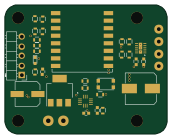 ESP8266
Espway
espway
43 × 34.3 mm33 parts2LLGPL-3.0122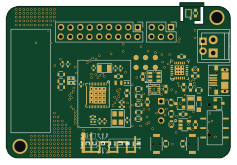 Nordic nRF
Bluey
electronut
59.2 × 40 mm72 parts2LCC-BY-4.096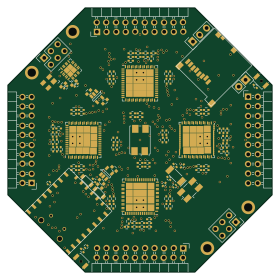 ESP8266
FreeEEG32
neuroidss
69.8 × 69.8 mm213 parts4LAGPL-3.039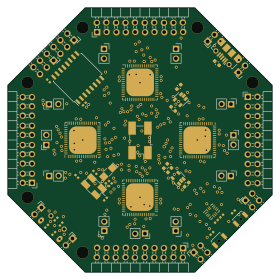 STM32
FreeEEG32-alpha1.5
70 × 70 mm192 parts4LAGPL-3.024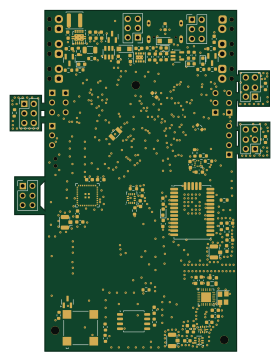 NXP
Horizon
Horizon-Avionics
68.8 × 90.3 mm168 parts4LNo license17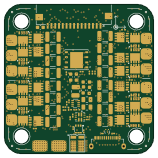 ESP32
P4eregrine
anticitizn
39.5 × 39.5 mm314 parts6LNo license15 ESP32
PCB CANNONBALL
user-will
25.6 × 23.6 mm58 parts4LNo license14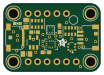
LIS3MDL + LSM6DS3 rev A
HydroVinci-PULV
25.4 × 17.8 mm22 parts2LGPL-3.011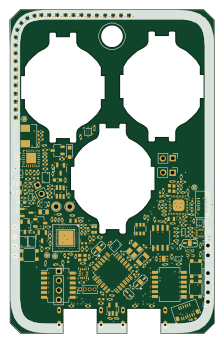 Nordic nRF
Revolutetestboard
tongtongwang86
54 × 85.7 mm254 parts4LCC-BY-NC-4.05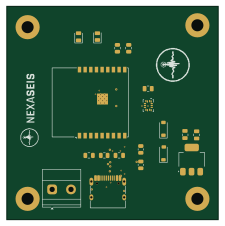 ESP32
NexaSeis
Domiko7
56 × 56.5 mm19 parts2LAGPL-3.04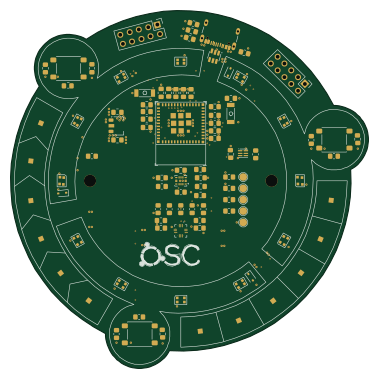 ESP32
OSCD Demo
tmjnijssen
94.6 × 94.6 mm76 parts4LCERN-OHL-P-2.03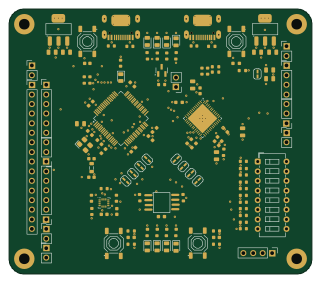 STM32
ICEBrainstorm
jdekanter077
80 × 70 mm103 parts4LGPL-3.02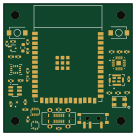 ESP32
Main board tft
atomic14
34 × 34 mm44 parts2LNo license2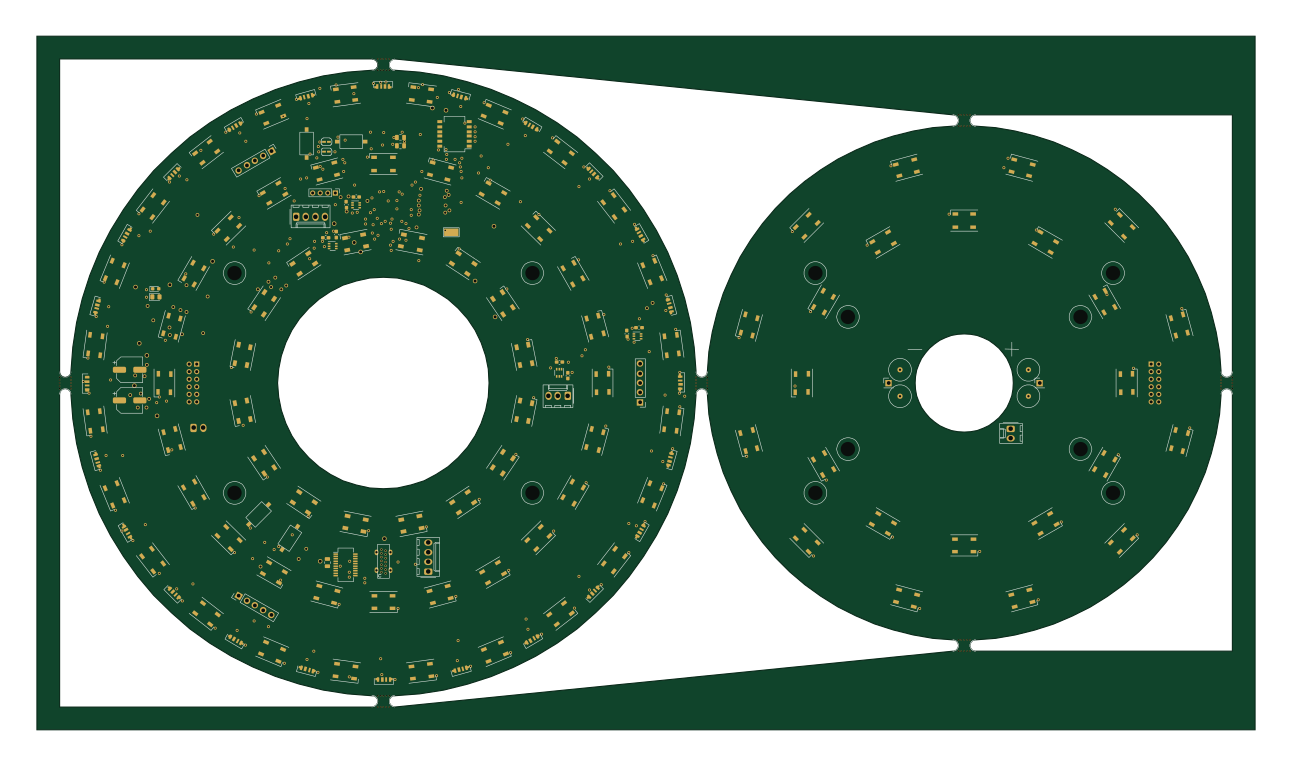 ESP32
Dancing forest
sequoia-hope
322.5 × 183.5 mm216 parts4LCustom license1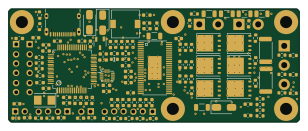 STM32
Ebike controller pcb compact
PetteriAimonen
77 × 30 mm143 parts4LNo license1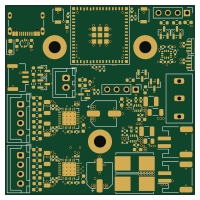 ESP32
Balancing cam
NEOgHacking
50 × 50 mm116 parts4LNo license1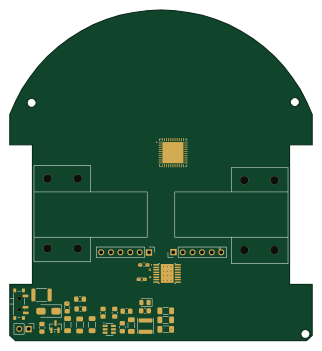 STM32
AratMicro
vorlaxen-labs
80 × 87.6 mm102 parts4LMIT1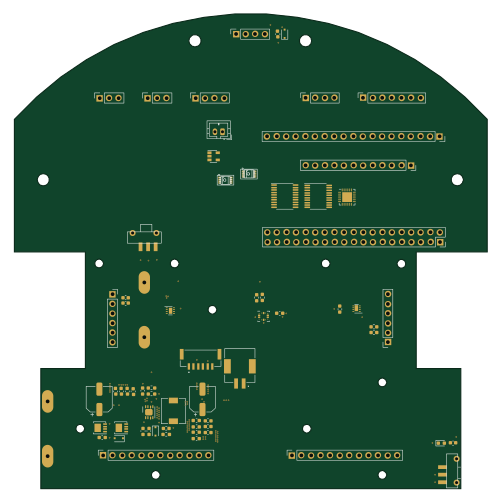 Microchip SAM
Romi unified board advanced
WPIRoboticsEngineering
125.1 × 125.7 mm91 parts4LNo license1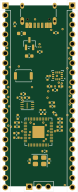 RP2040/RP2350
NorthernStudios-Custom-RP2040-Dev-Board with-Gyro
uzzambutt
17.8 × 48 mm40 parts6LNo license1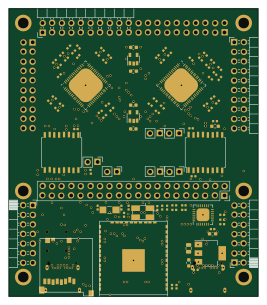 ESP32
FreeEEG32-alpha2
66 × 76.2 mm202 parts4LAGPL-3.00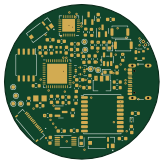 RP2040/RP2350
MedSafe
VarunAPatil
41 × 41 mm113 parts4LNo license0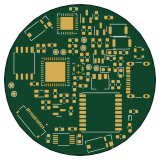 RP2040/RP2350
Smart watch
Paarth-Shirsat
40 × 40 mm109 parts4LNo license0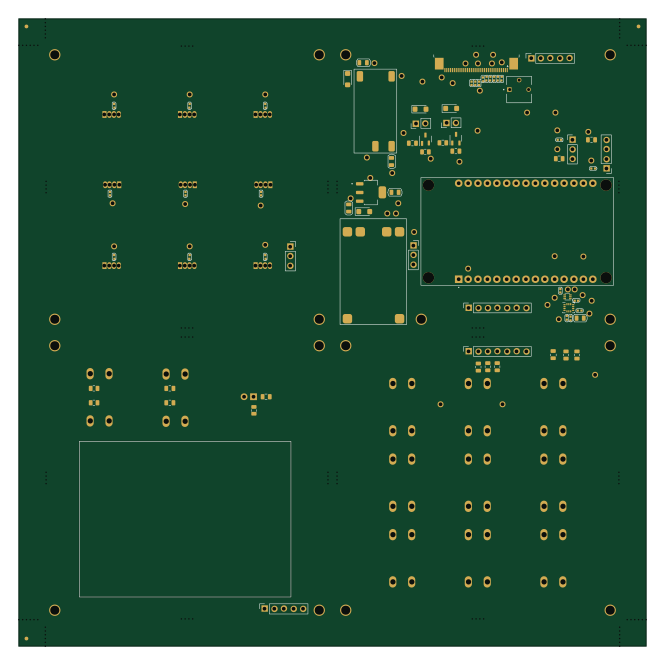 ESP32
Strange games — копия
kruglovvs
166 × 166 mm92 parts2LNo license0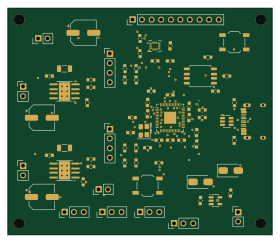 RP2040/RP2350
Robot controller
mohan-bee
70 × 60 mm75 parts2LNo license0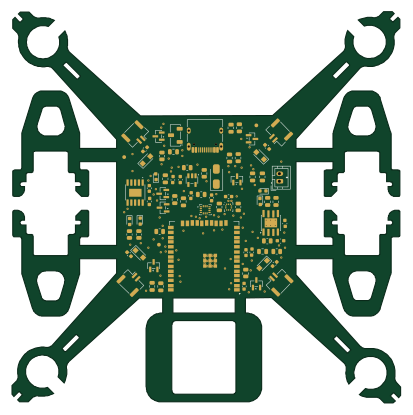 ESP32
Drone ESP32
Asaf66
102.9 × 103.7 mm73 parts2LNo license0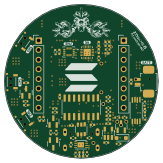 ESP32
SkyRizz-ESPSOL
SkyRizzAI
40.6 × 40.6 mm70 parts2LCERN-OHL-S-2.00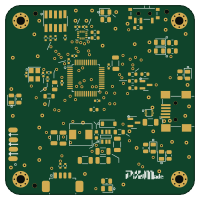 STM32
Kp ledsuit
plugz
50 × 50 mm70 parts4LNo license0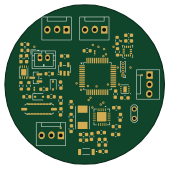 STM32
Microbot
Rishabh416
42.3 × 42.3 mm68 parts2LNo license0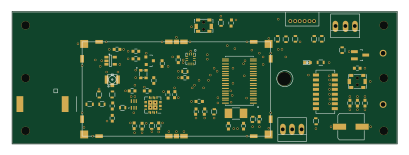 TI MSP430/CC
Antenna node
vbnbharath
102 × 35 mm65 parts4LNo license0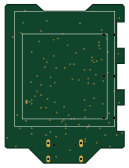 Nordic nRF
Hardware
edatki
31.5 × 42 mm60 parts2LNo license0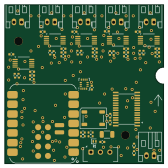 ESP32
BlueBuzzah-Hardware
BlueBuzzah
42 × 42 mm59 parts2LMIT0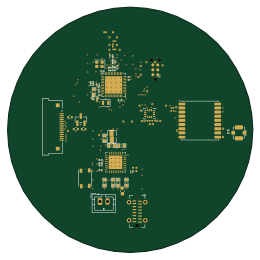 Nordic nRF
BLE Gauge
N4TH4NB
65 × 65 mm55 parts4LNo license0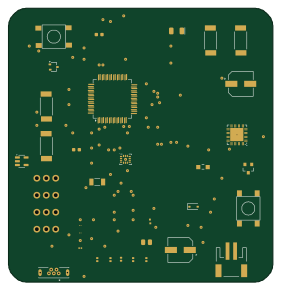 STM32
Flight-Controller-Design-2025
sthabisoslushaba
70 × 72.5 mm35 parts2LNo license0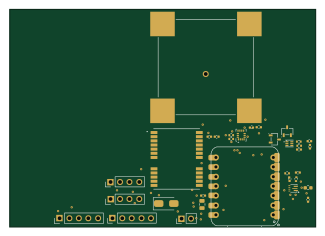 RP2040/RP2350
GYACSPEED
GodOfStrategy
81 × 57.7 mm33 parts2LNo license0 Nordic nRF
IoT putting analysis
JensenK17
22 × 22 mm24 parts2LNo license0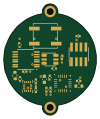 STM32
GyroLed2
smariel
24.5 × 29.4 mm22 parts2LCERN-OHL-W-2.00
How designs wire the LSM6DS3
Read from the KiCad layouts of 43 open source designs, one per repository: what each pin of the LSM6DS3 connects to, and the resistors, capacitors and other passives placed on it.
- The VDD pin has a decoupling capacitor on 37 of 42 designs, most often 100 nF (then 1 µF).
- The VDDIO pin has a decoupling capacitor on 36 of 43 designs, most often 100 nF (then 1 µF).
- The INT2 pin is left unconnected on 30 of 42 designs (a signal on 11).
- The SDA pin has a pull-up to 3.3V on 23 of 42 designs, most often 10 kΩ (then 4.7 kΩ).
| Pin | Connected to | Parts on the pin |
|---|---|---|
| SCXpin 3 | Connected to: GND 60% · not connected 23% | — |
| VDDIOpin 5 | Connected to: 3.3V 91% |
|
| GNDpin 6, 7 | Connected to: GND 91% | — |
| VDDpin 8 | Connected to: 3.3V 86% |
|
| INT2pin 9 | Connected to: Not connected 71% · a signal 26% | — |
| NCpin 10, 11 | Connected to: Not connected 99% | — |
| CSpin 12 | Connected to: The microcontroller 24% · 3.3V 36% |
|
| SCLpin 13 | Connected to: The microcontroller 76%, a connector 26% |
|
| SDApin 14 | Connected to: The microcontroller 79%, a connector 26% |
|
3 more pins vary from design to design. Connections count pins, parts count designs; values in brackets are how many parts had that value. Designs read include Espway by espway, Bluey by electronut, FreeEEG32 by neuroidss and FreeEEG32-alpha1.5 by neuroidss.
The LSM6DS3 in open source designs
The gallery holds 54 open source boards using the LSM6DS3 from 45 GitHub repositories; a typical one measures about 65 × 50 mm and carries around 70 components.
51% are two-layer designs, the rest use four layers or more, and 31% carry an open source license.
The most starred is Espway by espway.
Parts used alongside the LSM6DS3
Microcontrollers on boards using the LSM6DS3
What boards using the LSM6DS3 are built for
LSM6DS3: common questions
Where can I find a LSM6DS3 reference design?
Each of the 54 boards on this page is a real design using the LSM6DS3. Open one to see how it is wired up, with the full BOM, a render of the layout and links to its KiCad files.
What decoupling capacitors do designs use on the LSM6DS3 VDD pin?
The VDD pin has a decoupling capacitor on 37 of 42 designs, most often 100 nF (then 1 µF). Counted from the KiCad layouts of 43 open source designs using the LSM6DS3.
What decoupling capacitors do designs use on the LSM6DS3 VDDIO pin?
The VDDIO pin has a decoupling capacitor on 36 of 43 designs, most often 100 nF (then 1 µF). Counted from the KiCad layouts of 43 open source designs using the LSM6DS3.
How is the LSM6DS3 INT2 pin connected?
The INT2 pin is left unconnected on 30 of 42 designs (a signal on 11). Counted from the KiCad layouts of 43 open source designs using the LSM6DS3.
What parts are used alongside the LSM6DS3?
The AP2112K-3.3, 473521001, ADR4525, ADUM1402BRWZ and AMS1117-3.3 appear in the most repositories here.
Which microcontrollers do boards using the LSM6DS3 use?
Most are built on ESP32 (18), STM32 (13), RP2040/RP2350 (7) and Nordic nRF (5).
How big is a typical board using the LSM6DS3?
The median is 65 × 50 mm, and 51% are two-layer designs.
What is the most popular open source board using the LSM6DS3?
By GitHub stars, Espway by espway, with 122 stars.
Can I simulate one of these boards using the LSM6DS3 before building it?
Yes. HardLabs turns a board's netlist and BOM into a working simulation, so you can boot and test firmware against it with no hardware on your desk.