
26 open source boards using the TXS0102DCU
Real designs built with the TXS0102DCU, from public GitHub projects: a quick way to see how others power, decouple and connect it. Each board comes with its KiCad files, full parts list and a render — and you can simulate its firmware on HardLabs.
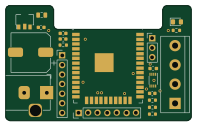 ESP32
WLED All in one ESP32 Controller
Hasenpups
49.3 × 30.5 mm21 parts2LCC-BY-NC-4.019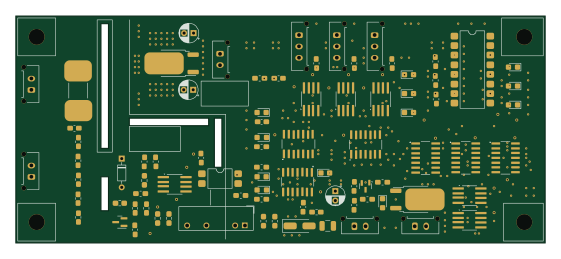 ESP32
TSAL G V4 2
HKUST-Red-Bird-Racing-EVRT
140 × 60 mm117 parts2LNo license3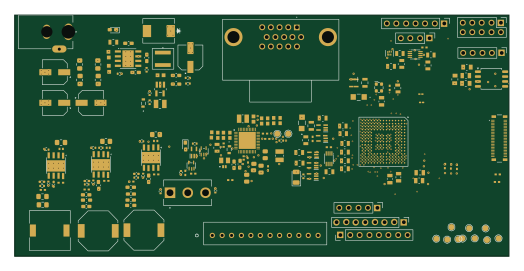 NXP
Mainboard
annegautham
130.9 × 63.9 mm227 parts10LNo license2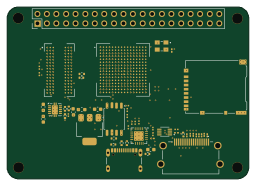 FPGA
Minty-FPGA
techn1-cal
64 × 45.5 mm115 parts6LNo license2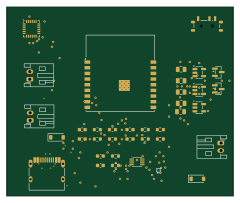 ESP32
ACPI
Snt8
60 × 50 mm37 parts2LNo license2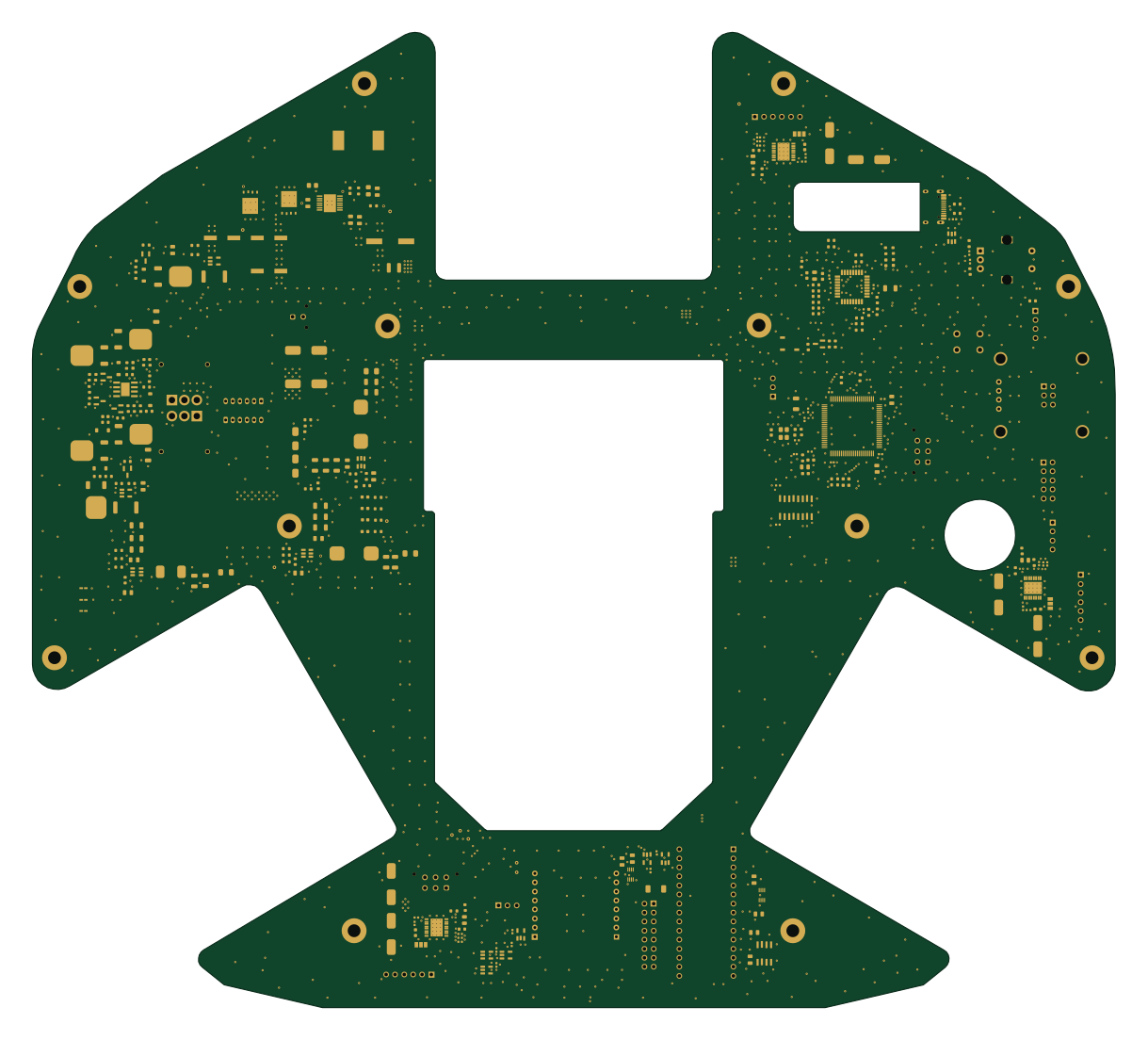 STM32
Robotont electronics mainboard
robotont
304.3 × 274 mm407 parts2LNo license1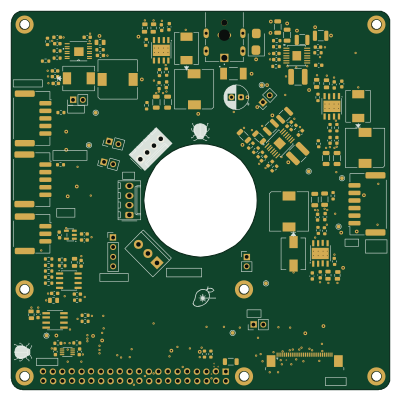
LaserBrain
Rivercraft911
100 × 100 mm143 parts4LNo license1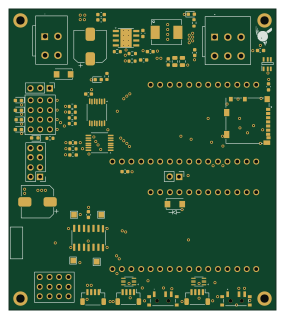
M4 CAN Feather Carrier v6
2468shrm
70.5 × 79.5 mm61 parts4LNo license1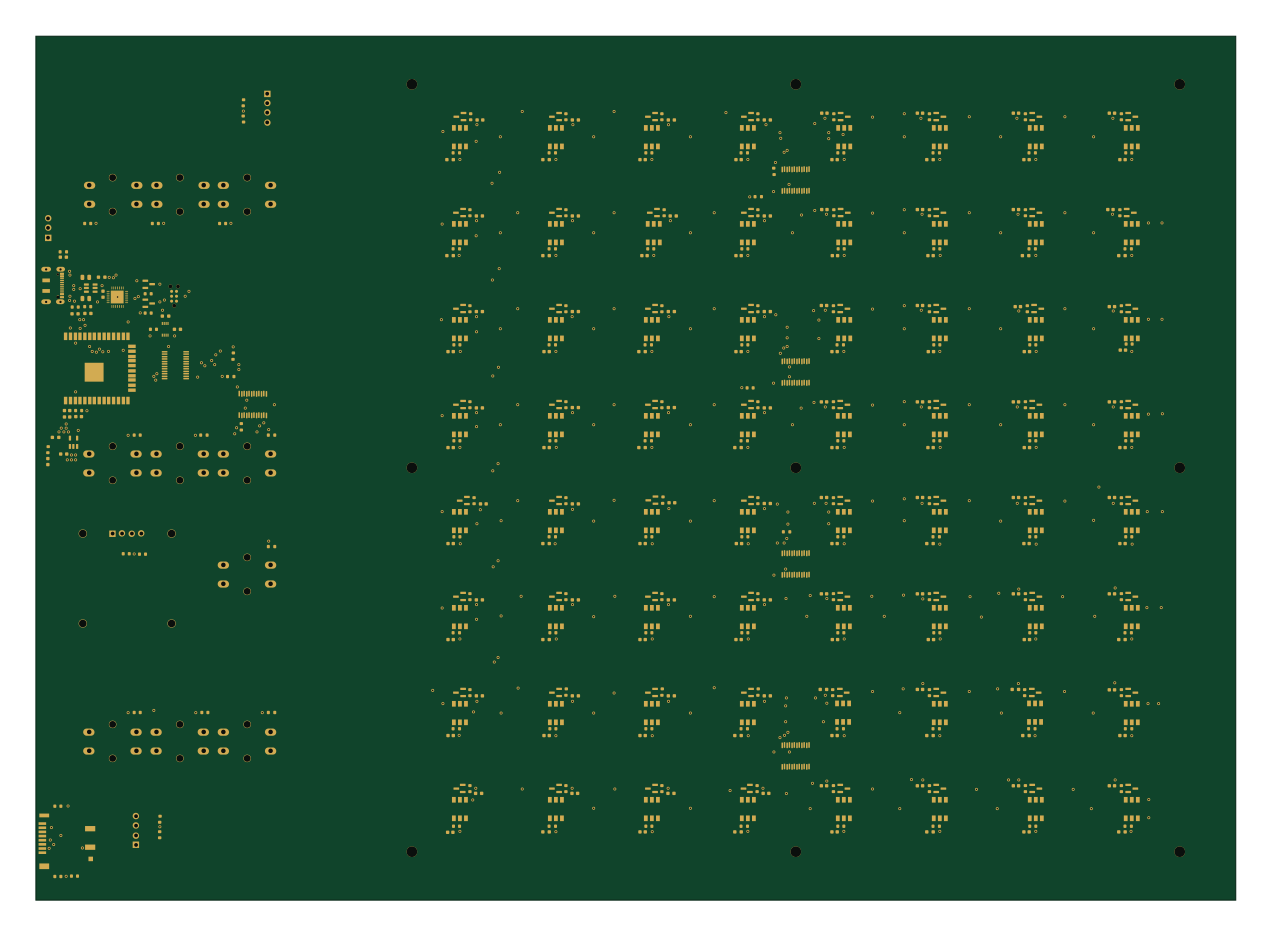 ESP32
Chess board
shuki25
317.5 × 228.6 mm461 parts4LNo license0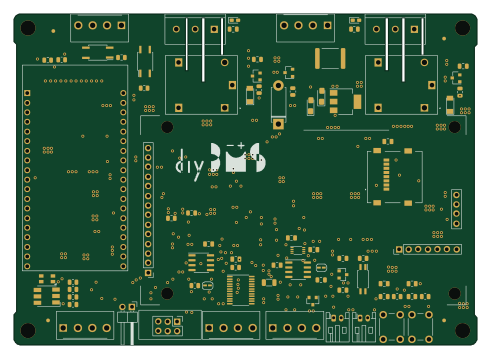 ESP32
DIYBMS ESP32 Controller
orgTestCodacy11KRepos110MB
122.5 × 87.6 mm78 parts2LCC-BY-NC-4.00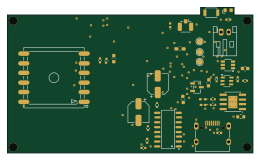 Nordic nRF
GPS-Tracker
zzertexx
65 × 38.5 mm71 parts4LNo license0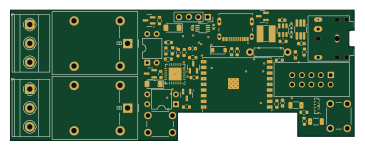 ESP32
Circuits birrino
Pernotto
91 × 34.5 mm58 parts2LCERN-OHL-S-2.00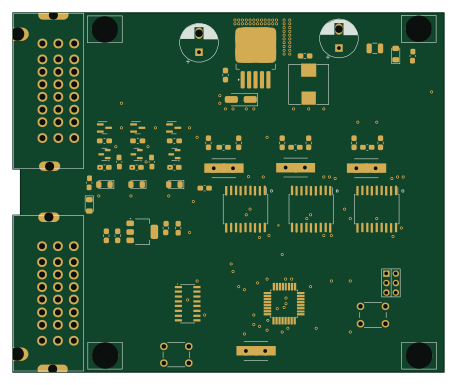 ESP32
VCU V3
114 × 95 mm90 parts2LNo license3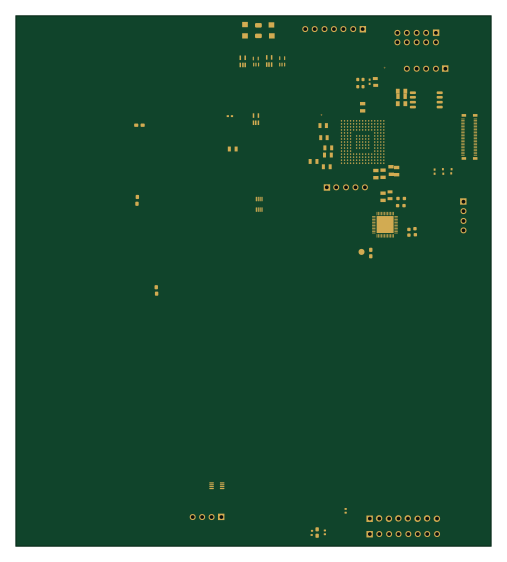 NXP
MainboardTEST
125.7 × 140.3 mm178 parts10LNo license2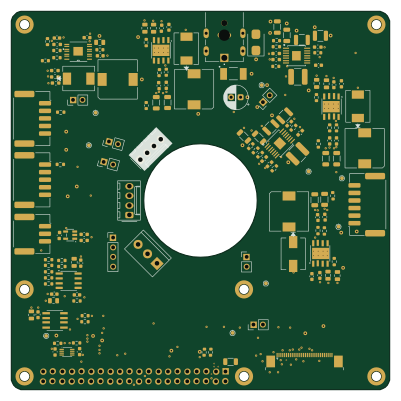
Pcb-AMY
100 × 100 mm143 parts4LNo license1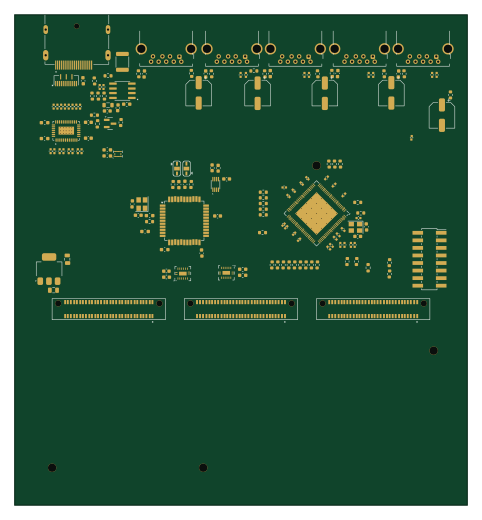
Ioboard head
jorisplusplus
119.8 × 129.8 mm225 parts4LNo license0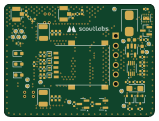
${PROD TYPE} ${PROD VERSION}
smaohua
39.6 × 29.6 mm55 parts4LNo license0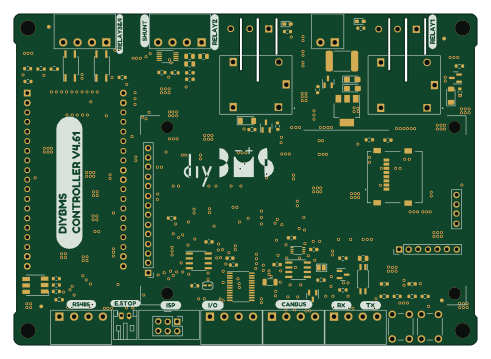 ESP32
DIYBMS ESP32 Controller
stuartpittaway
122.5 × 87.6 mm90 parts2LCC-BY-NC-4.01.1k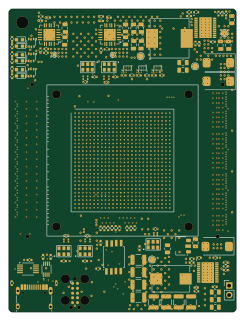
Fpga board
60 × 80 mm196 parts8LNo license0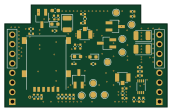
Com module a7672xx c
43 × 27 mm44 parts4LNo license0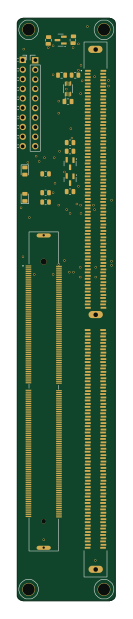
Adapter ram ddr5-1REV2
DangerousPrototypes
26 × 154.5 mm20 parts2LMIT124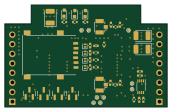
Com module eg915 v1 1
43 × 27 mm40 parts4LNo license0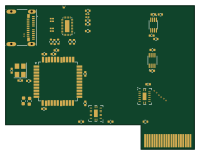
Usb card
50 × 38 mm51 parts6LNo license0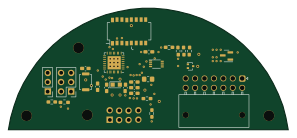 TI MSP430/CC
I2C-Adapter
HyFiVeUser
74.3 × 32.2 mm28 parts4LCC-BY-SA-4.00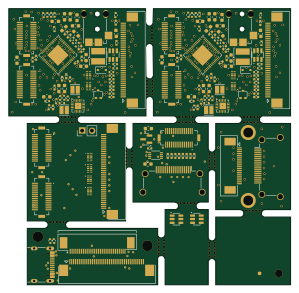
Panelized-2layer
openconcepts-ar
74.6 × 73.2 mm81 parts2LCustom license1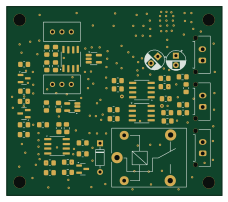 ESP32
BSPD
57 × 50 mm60 parts2LNo license3
How designs wire the TXS0102DCU
Read from the KiCad layouts of 18 open source designs, one per repository: what each pin of the TXS0102DCU connects to, and the resistors, capacitors and other passives placed on it.
- The VCCA pin has a decoupling capacitor on 14 of 18 designs, most often 100 nF (then 10 µF).
- The VCCB pin has a capacitor to GND on 13 of 18 designs, most often 100 nF (then 22 µF).
- The OE pin is tied to 3.3V on 11 of 18 designs (a signal on 7).
| Pin | Connected to | Parts on the pin |
|---|---|---|
| GNDpin 2 | Connected to: GND 94% | — |
| VCCApin 3 | Connected to: 3.3V 89% |
|
| OEpin 6 | Connected to: 3.3V 61% · a signal 39% | — |
| VCCBpin 7 | Connected to: Signal 56% · 5V 44% |
|
4 more pins vary from design to design. Connections count pins, parts count designs; values in brackets are how many parts had that value. Designs read include DIYBMS ESP32 Controller by stuartpittaway, Adapter ram ddr5-1REV2 by DangerousPrototypes, WLED All in one ESP32 Controller by Hasenpups and BSPD by HKUST-Red-Bird-Racing-EVRT.
The TXS0102DCU in open source designs
The gallery holds 26 open source boards using the TXS0102DCU from 18 GitHub repositories; a typical one measures about 74.4 × 68.5 mm and carries around 80 components.
58% use four copper layers or more, and 12% carry an open source license.
The most starred is DIYBMS ESP32 Controller by stuartpittaway.
Parts used alongside the TXS0102DCU
Microcontrollers on boards using the TXS0102DCU
What boards using the TXS0102DCU are built for
TXS0102DCU: common questions
Where can I find a TXS0102DCU reference design?
Each of the 26 boards on this page is a real design using the TXS0102DCU. Open one to see how it is wired up, with the full BOM, a render of the layout and links to its KiCad files.
What decoupling capacitors do designs use on the TXS0102DCU VCCA pin?
The VCCA pin has a decoupling capacitor on 14 of 18 designs, most often 100 nF (then 10 µF). Counted from the KiCad layouts of 18 open source designs using the TXS0102DCU.
How is the TXS0102DCU VCCB pin connected?
The VCCB pin has a capacitor to GND on 13 of 18 designs, most often 100 nF (then 22 µF). Counted from the KiCad layouts of 18 open source designs using the TXS0102DCU.
How is the TXS0102DCU OE pin connected?
The OE pin is tied to 3.3V on 11 of 18 designs (a signal on 7). Counted from the KiCad layouts of 18 open source designs using the TXS0102DCU.
What parts are used alongside the TXS0102DCU?
The AMS1117-3.3, ESP32-C3-WROOM-02, ESP32-DEVKITC-32D, LM393 and SN65HVD1050D appear in the most repositories here.
Which microcontrollers do boards using the TXS0102DCU use?
Most are built on ESP32 (9), NXP (2), FPGA (1) and Nordic nRF (1).
How big is a typical board using the TXS0102DCU?
The median is 74.4 × 68.5 mm, and 42% are two-layer designs.
What is the most popular open source board using the TXS0102DCU?
By GitHub stars, DIYBMS ESP32 Controller by stuartpittaway, with 1,143 stars.
Can I simulate one of these boards using the TXS0102DCU before building it?
Yes. HardLabs turns a board's netlist and BOM into a working simulation, so you can boot and test firmware against it with no hardware on your desk.