
26 open source boards using the LSM9DS1
Real designs built with the LSM9DS1, from public GitHub projects: a quick way to see how others power, decouple and connect it. Each board comes with its KiCad files, full parts list and a render — and you can simulate its firmware on HardLabs.
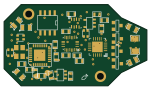 ESP8266
Wiflier EXP
cnlohr
37.8 × 21.5 mm61 parts2LMIT92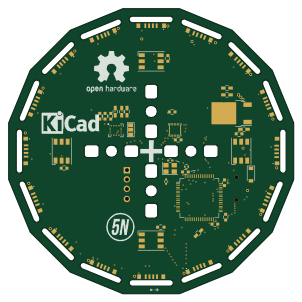 STM32
53xLIDAR
valerionew
75.4 × 75.4 mm57 parts2LNo license11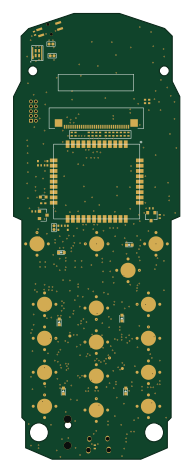 ESP8266
3210retro
DasBasti
44 × 118 mm197 parts4LApache-2.09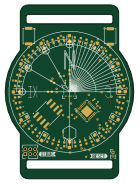 AVR/Arduino
Hourglass reva
geschmit
34 × 45.9 mm93 parts4LApache-2.04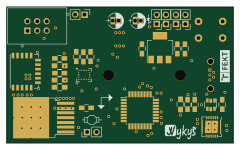 AVR/Arduino
Vut arcar
wykys
60 × 36 mm53 parts2LMIT3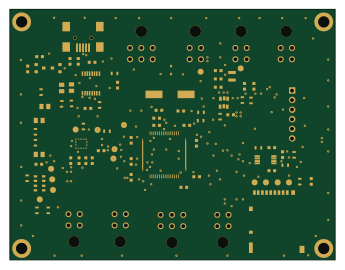 STM32
Andromeda-V2.2
StudentOrganisationForAerospaceResearch
86.1 × 66.3 mm82 parts2LNo license1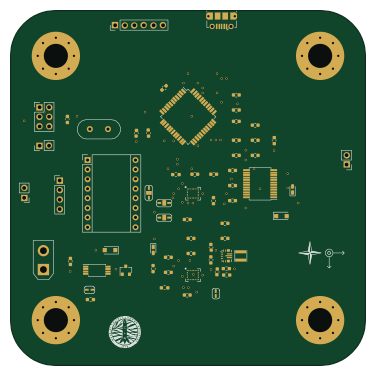 AVR/Arduino
Payload gimbal
icl-rocketry
94 × 94 mm59 parts2LMIT1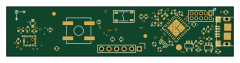 STM32
Harma
TDHolmes
60 × 13 mm43 parts4LUnlicense1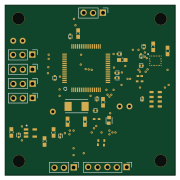 STM32
Flight controller design
MickAvery
45 × 45 mm41 parts2LNo license1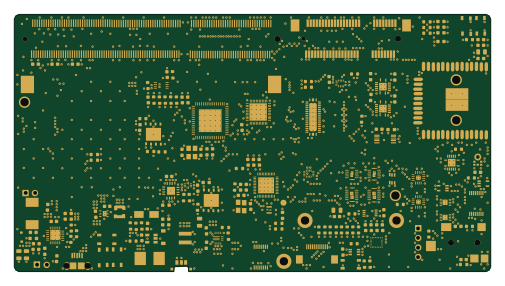 ESP32
RvPhone
nrdsp
126 × 68 mm272 parts2LNo license0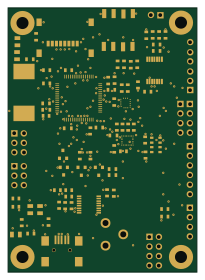 STM32
Avionics-Andromeda
50 × 70 mm86 parts4LNo license0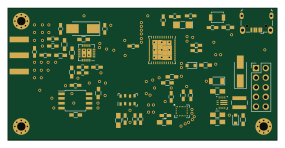 Microchip SAM
Lupo Testing
CalPolySpaceSystems
71.1 × 34.9 mm57 parts2LNo license0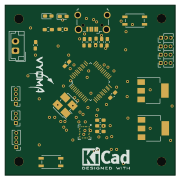 STM32
STM32FC
prashanthmypadi
45 × 45 mm52 parts2LNo license0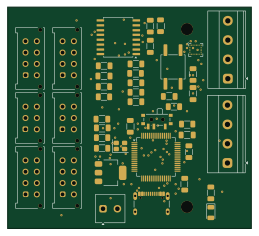 STM32
Combined
pilotgutt
64.5 × 58.5 mm44 parts2LNo license0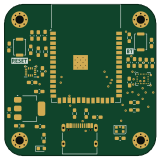 ESP32
Subira
rodneyosodo
40 × 40 mm37 parts2LMIT0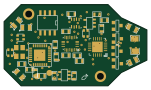 ESP8266
Wiflier EXP B
37.8 × 21.5 mm61 parts2LMIT92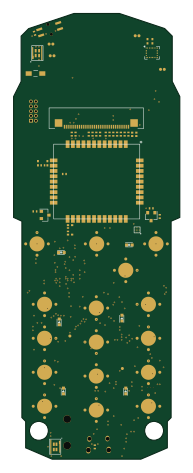 ESP8266
3210retro test
44 × 118 mm195 parts4LApache-2.09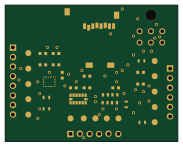
Sensor Board
45.7 × 36.1 mm24 parts2LNo license1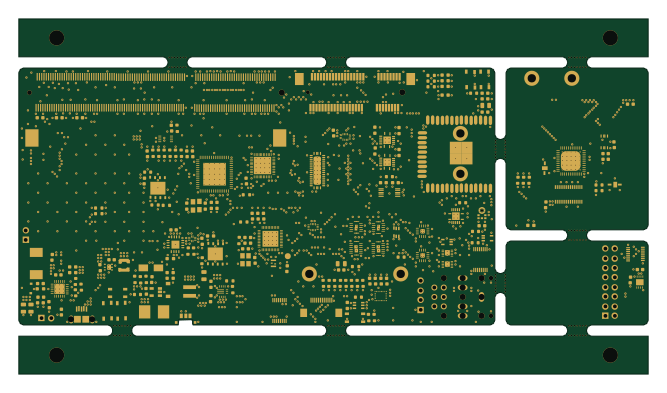 ESP32
Panel
166.6 × 94 mm261 parts2LNo license0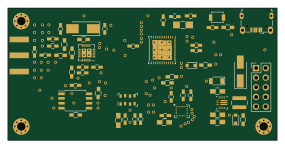 Microchip SAM
MicroRek
71.1 × 34.9 mm57 parts2LNo license0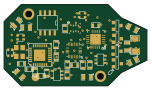 ESP8266
WiflierB
37.8 × 21.5 mm61 parts2LMIT92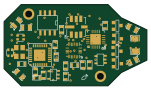 ESP8266
Wiflier
37.8 × 21.5 mm57 parts2LMIT92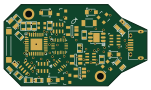 ESP8266
Wiflier8285
37.8 × 21.5 mm53 parts2LMIT92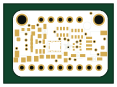
Adafruit LSM9DS1 Rev C
humancomputerintegration
29 × 21 mm25 parts2LGPL-3.03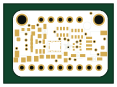
Adafruit LSM9DS1 Rev C
Human-Computer-Integration-Lab
29 × 21 mm25 parts2LNo license0
Newlsm9ds1
Olin-Rocketry
13.8 × 19.4 mm17 parts2LNo license0
How designs wire the LSM9DS1
Read from the KiCad layouts of 19 open source designs, one per repository: what each pin of the LSM9DS1 connects to, and the resistors, capacitors and other passives placed on it.
- The CAP pin has a capacitor to GND on 18 of 19 designs, most often 10 nF (then 10 µF).
- The C1 pin has a capacitor to GND on 18 of 19 designs, most often 100 nF (then 220 nF).
- The VDDIO pins have a decoupling capacitor on 17 of 19 designs, most often 100 nF (then 10 µF).
- The VDD pins have a decoupling capacitor on 17 of 19 designs, most often 100 nF (then 10 µF).
| Pin | Connected to | Parts on the pin |
|---|---|---|
| VDDIOpin 1, 3 | Connected to: 3.3V 95% |
|
| SCL/SPCpin 2 | Connected to: The microcontroller 79%, a connector 32% |
|
| SDA/SDI/SDOpin 4 | Connected to: The microcontroller 79%, a connector 32% |
|
| CS_A/Gpin 7 | Connected to: The microcontroller 26% · 3.3V 32% |
|
| CS_Mpin 8 | Connected to: The microcontroller 26% · 3.3V 32% |
|
| DRDY_Mpin 9 | Connected to: Not connected 63% · a signal 37% | — |
| INT2_A/Gpin 12 | Connected to: Not connected 63% · a signal 37% | — |
| RESpin 14, 15, 16, 17, 18 | Connected to: GND 89% | — |
| GNDpin 19, 20 | Connected to: GND 95% | — |
| CAPpin 21 | Connected to: Signal 100% |
|
| VDDpin 22, 23 | Connected to: 3.3V 95% |
|
| C1pin 24 | Connected to: Signal 100% |
|
5 more pins vary from design to design. Connections count pins, parts count designs; values in brackets are how many parts had that value. Designs read include Wiflier by cnlohr, 53xLIDAR by valerionew, 3210retro by DasBasti and Hourglass reva by geschmit.
The LSM9DS1 in open source designs
The gallery holds 26 open source boards using the LSM9DS1 from 19 GitHub repositories; a typical one measures about 45 × 38 mm and carries around 57 components.
81% are two-layer designs, the rest use four layers or more, and 50% carry an open source license.
The most starred is Wiflier EXP B by cnlohr.
Parts used alongside the LSM9DS1
Microcontrollers on boards using the LSM9DS1
What boards using the LSM9DS1 are built for
LSM9DS1: common questions
Where can I find a LSM9DS1 reference design?
Each of the 26 boards on this page is a real design using the LSM9DS1. Open one to see how it is wired up, with the full BOM, a render of the layout and links to its KiCad files.
How is the LSM9DS1 CAP pin connected?
The CAP pin has a capacitor to GND on 18 of 19 designs, most often 10 nF (then 10 µF). Counted from the KiCad layouts of 19 open source designs using the LSM9DS1.
How is the LSM9DS1 C1 pin connected?
The C1 pin has a capacitor to GND on 18 of 19 designs, most often 100 nF (then 220 nF). Counted from the KiCad layouts of 19 open source designs using the LSM9DS1.
What decoupling capacitors do designs use on the LSM9DS1 VDDIO pin?
The VDDIO pins have a decoupling capacitor on 17 of 19 designs, most often 100 nF (then 10 µF). Counted from the KiCad layouts of 19 open source designs using the LSM9DS1.
What parts are used alongside the LSM9DS1?
The MS5607, AMS1117-3.3, AP2112K-3.3, FT230XS and STM32F405R appear in the most repositories here.
Which microcontrollers do boards using the LSM9DS1 use?
Most are built on ESP8266 (7), STM32 (7), AVR/Arduino (3) and ESP32 (3).
How big is a typical board using the LSM9DS1?
The median is 45 × 38 mm, and 81% are two-layer designs.
What is the most popular open source board using the LSM9DS1?
By GitHub stars, Wiflier EXP B by cnlohr, with 92 stars.
Can I simulate one of these boards using the LSM9DS1 before building it?
Yes. HardLabs turns a board's netlist and BOM into a working simulation, so you can boot and test firmware against it with no hardware on your desk.