
25 open source boards using the MP1584
Real designs built with the MP1584, from public GitHub projects: a quick way to see how others power, decouple and connect it. Each board comes with its KiCad files, full parts list and a render — and you can simulate its firmware on HardLabs.
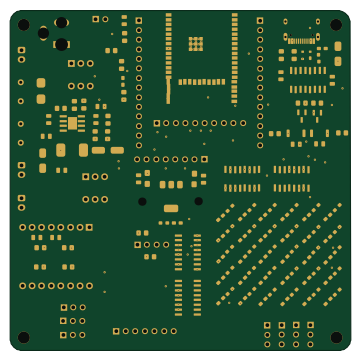 ESP32
Sra dev board 2026
SRA-VJTI
90.2 × 90 mm145 parts2LMIT80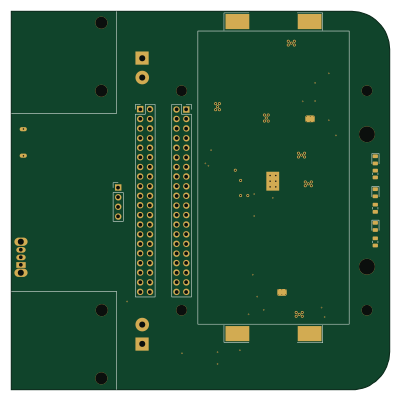
Langpie
langpie
100 × 100 mm60 parts2LNo license48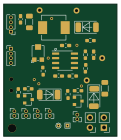 ESP32
Vr15
zhyma
30 × 35 mm41 parts2LNo license30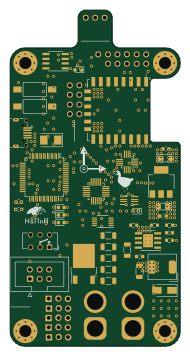 ESP8266
Flight controller v2
Eryk-Mozdzen
45 × 89 mm108 parts4LNo license9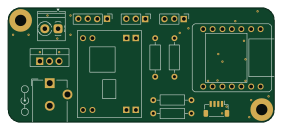 ESP32
Filabilly humidor
kbob
70.3 × 30.2 mm13 parts2LCC-BY-NC-4.08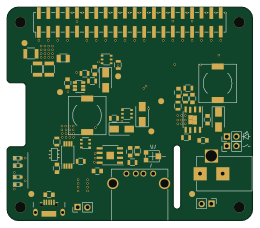 AVR/Arduino
PiSupply
enwi
65 × 56.5 mm67 parts2LLGPL-3.04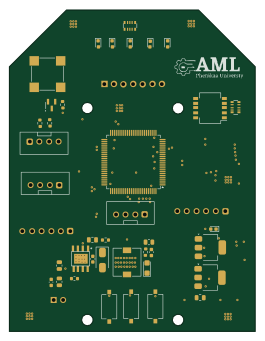 STM32
AML Micromouse 24 2
Oopsan204
65 × 85 mm72 parts2LNo license1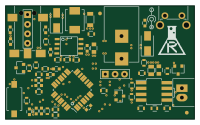 AVR/Arduino
LoopingLouino
RedlabsDE
50 × 30 mm58 parts2LNo license1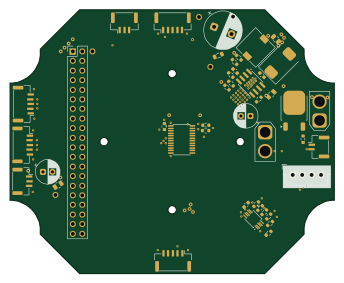
Odonata
Stefanos0710
85.8 × 69.8 mm42 parts4LMIT1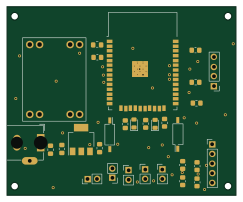 ESP32
Laserdinges
SpeedRoom
60.6 × 49.9 mm30 parts2LNo license0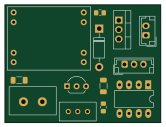
Projects showcase
QuartzAl
41.3 × 31.2 mm13 parts2LNo license0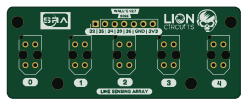 ESP32
Lsa
61.9 × 24.2 mm16 parts2LMIT80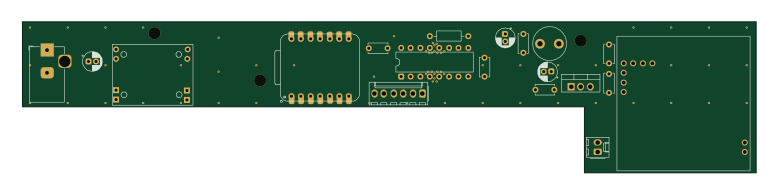 ESP32
Meowpass 0.2
hb9ezs
194.5 × 40 mm19 parts4LGPL-3.011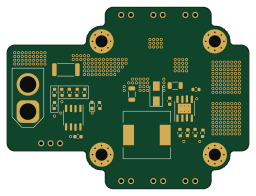
Power distribution board
64 × 48 mm30 parts2LNo license9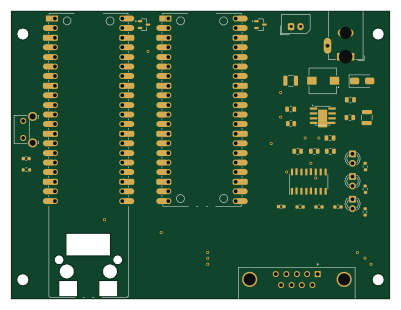 RP2040/RP2350
Pcb
iryek-rpi
100 × 76 mm33 parts2LMIT5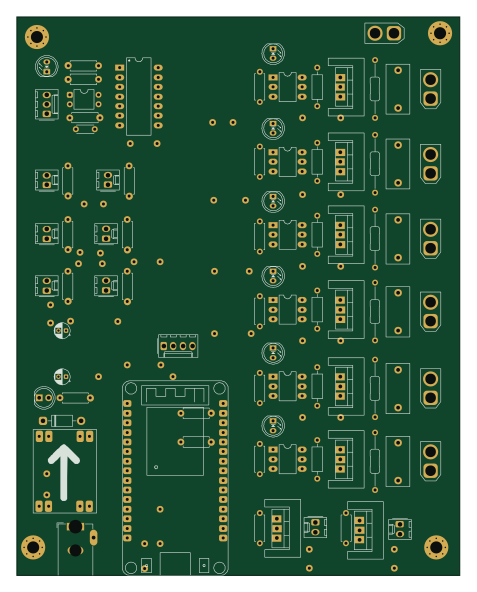 ESP32
Dispenador AguaESP32
EmersonEE
117.2 × 147.8 mm87 parts2LNo license0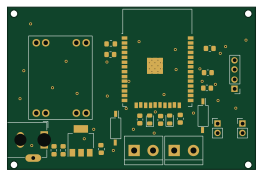 ESP32
Motordinges
65.6 × 42.9 mm22 parts2LNo license0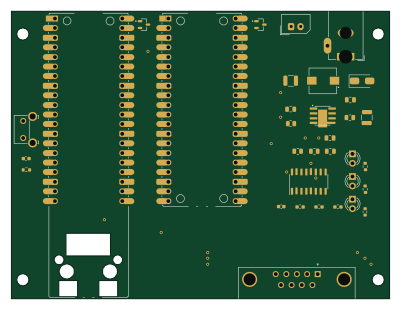 RP2040/RP2350
Pcb wired
100 × 76 mm33 parts2LMIT5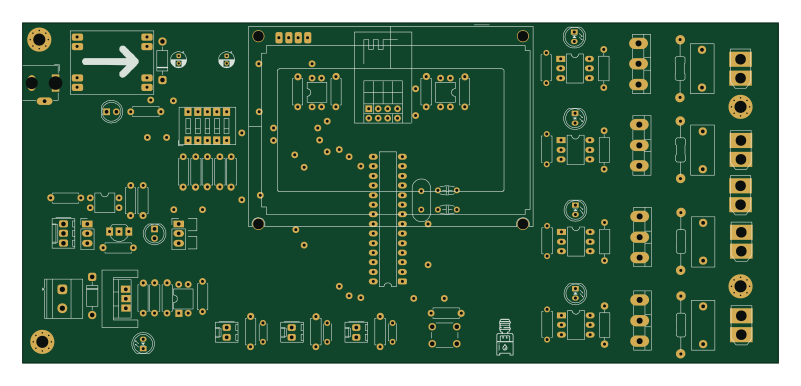 AVR/Arduino
Dispensador Garrafones V2.0
200 × 90 mm87 parts2LNo license0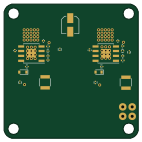
Power dist
manisonik
35.5 × 35.5 mm26 parts2LNo license0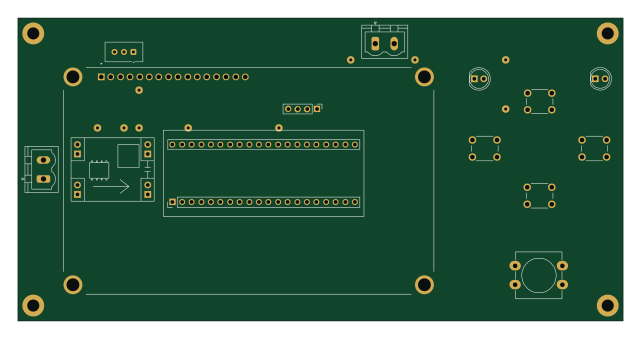
Waga
DamianPodrazaCode
160 × 80 mm25 parts2LNo license0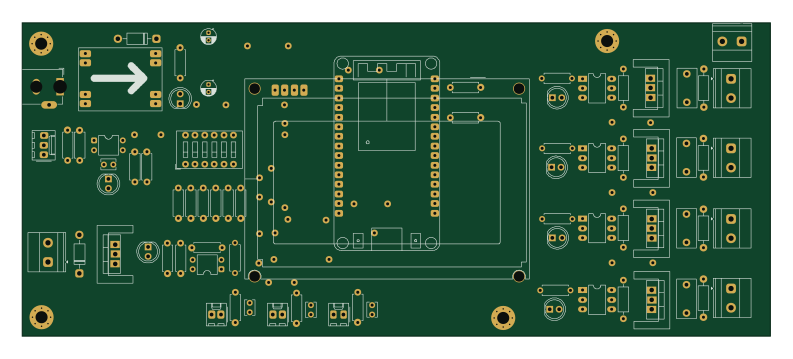 ESP32
Caja-ESP32
198 × 83 mm78 parts2LNo license0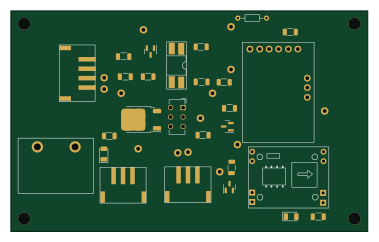 AVR/Arduino
Bms test circuit
Wierdwizard2587
94.5 × 58.4 mm27 parts2LNo license1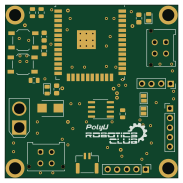 ESP32
ESP32 CAN TEST
SamsonChau
45.7 × 45.8 mm39 parts2LNo license0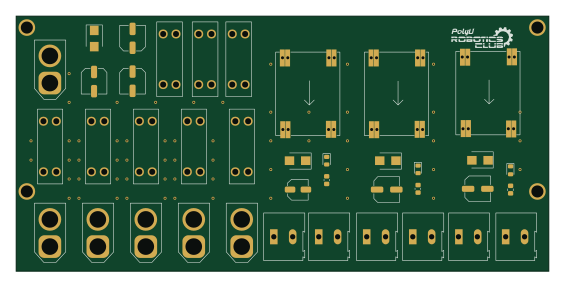
XT60 CAN
141 × 67.6 mm39 parts2LNo license0
How designs wire the MP1584
Read from the KiCad layouts of 18 open source designs, one per repository: what each pin of the MP1584 connects to, and the resistors, capacitors and other passives placed on it.
- The IN+ pin has a series capacitor on 9 of 16 designs, most often 100 nF (then 150 nF).
- The IN+ pin has a inductor on 9 of 16 designs, most often 15 µH (then 10 µH).
- The COMP pin has a series capacitor on 9 of 16 designs, most often 150 pF (then 10 µF).
- The FB pin has a resistor to GND on 9 of 16 designs, most often 40.2 kΩ (then 8.2 kΩ).
| Pin | Connected to | Parts on the pin |
|---|---|---|
| IN+pin 1 | Connected to: Signal 63% · 12V 31% |
|
| IN-pin 2 | Connected to: Signal 50% · GND 19% · 12V 19% |
|
| COMPpin 3 | Connected to: Signal 75% · 5V 19% |
|
| FBpin 4 | Connected to: Signal 69% · GND 25% |
|
| GNDpin 5 | Connected to: GND 91% | — |
| FREQpin 6 | Connected to: Signal 82% |
|
| VINpin 7 | Connected to: 12V 45% · a signal 45% |
|
| BSTpin 8 | Connected to: Signal 82% |
|
Connections count pins, parts count designs; values in brackets are how many parts had that value. Designs read include Lsa by SRA-VJTI, Langpie by langpie, Vr15 by zhyma and Meowpass 0.2 by hb9ezs.
The MP1584 in open source designs
The gallery holds 25 open source boards using the MP1584 from 18 GitHub repositories; a typical one measures about 70.3 × 58.4 mm and carries around 39 components.
88% are two-layer designs, the rest use four layers or more, and 28% carry an open source license.
The most starred is Sra dev board 2026 by SRA-VJTI.
Parts used alongside the MP1584
Microcontrollers on boards using the MP1584
What boards using the MP1584 are built for
MP1584: common questions
Where can I find a MP1584 reference design?
Each of the 25 boards on this page is a real design using the MP1584. Open one to see how it is wired up, with the full BOM, a render of the layout and links to its KiCad files.
How is the MP1584 IN+ pin connected?
The IN+ pin has a series capacitor on 9 of 16 designs, most often 100 nF (then 150 nF). Counted from the KiCad layouts of 18 open source designs using the MP1584.
How is the MP1584 COMP pin connected?
The COMP pin has a series capacitor on 9 of 16 designs, most often 150 pF (then 10 µF). Counted from the KiCad layouts of 18 open source designs using the MP1584.
What resistor goes on the MP1584 FB pin?
The FB pin has a resistor to GND on 9 of 16 designs, most often 40.2 kΩ (then 8.2 kΩ). Counted from the KiCad layouts of 18 open source designs using the MP1584.
What parts are used alongside the MP1584?
The AMS1117-3.3, ESP32-WROOM-32, L7805 and PC817 appear in the most repositories here.
Which microcontrollers do boards using the MP1584 use?
Most are built on ESP32 (10), AVR/Arduino (4), RP2040/RP2350 (2) and ESP8266 (1).
How big is a typical board using the MP1584?
The median is 70.3 × 58.4 mm, and 88% are two-layer designs.
What is the most popular open source board using the MP1584?
By GitHub stars, Sra dev board 2026 by SRA-VJTI, with 80 stars.
Can I simulate one of these boards using the MP1584 before building it?
Yes. HardLabs turns a board's netlist and BOM into a working simulation, so you can boot and test firmware against it with no hardware on your desk.