
23 open source boards using the TPS62933DRLR
Real designs built with the TPS62933DRLR, from public GitHub projects: a quick way to see how others power, decouple and connect it. Each board comes with its KiCad files, full parts list and a render — and you can simulate its firmware on HardLabs.
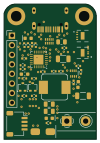
RotoPD
CentyLab
24.4 × 35.8 mm41 parts2LCustom license175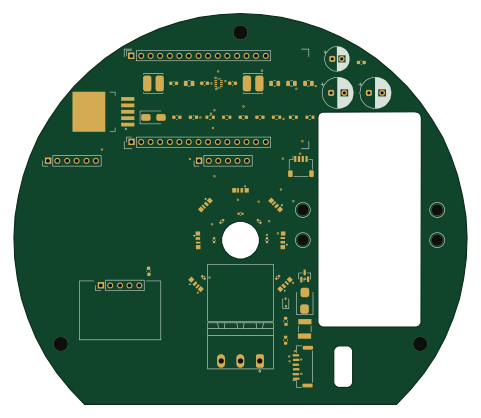 ESP32
Open ambient sensor
hubertciebiada
120 × 103.5 mm52 parts2LGPL-3.044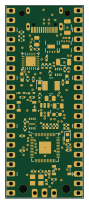 RP2040/RP2350
PicoPD Pro
20.5 × 50.8 mm61 parts4LNo license40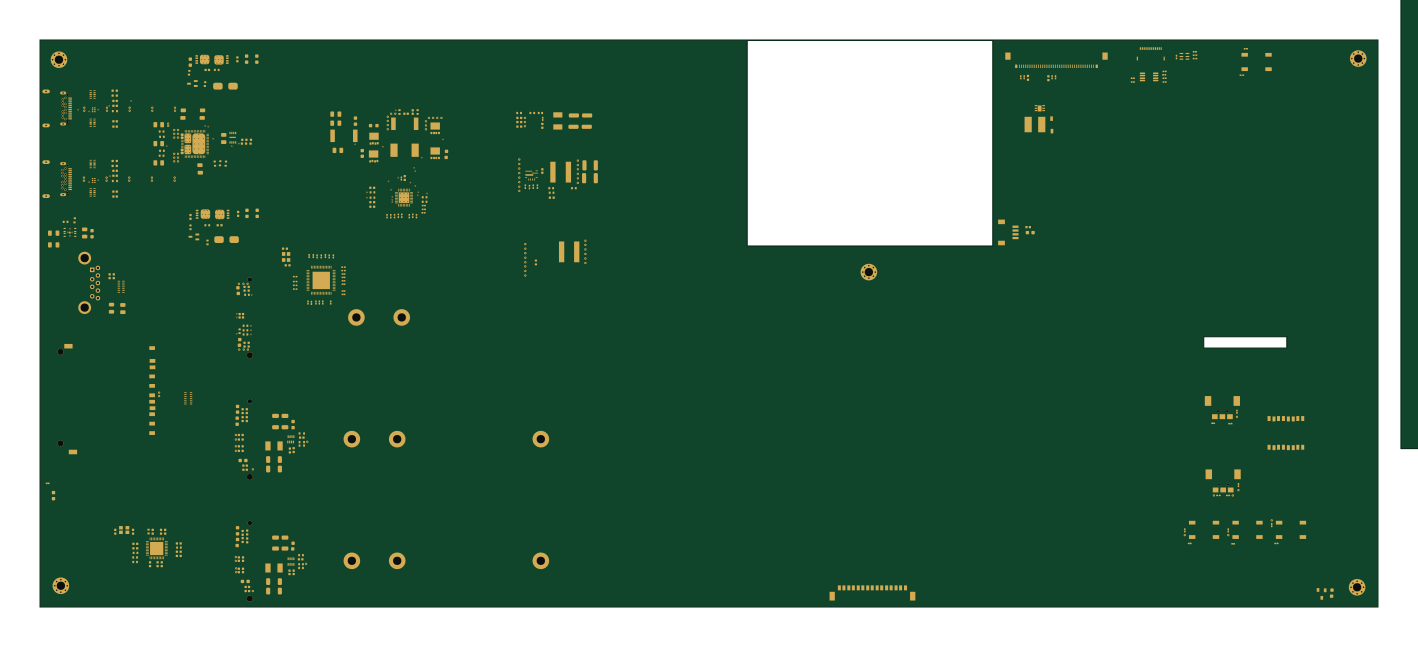 STM32
Barebones
nzevh
354 × 150 mm1026 parts8LCERN-OHL-S-2.019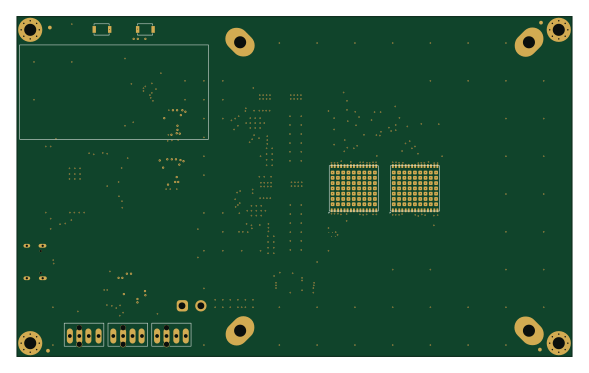 ESP32
Naja duo
bitaxeorg
147 × 90 mm198 parts6LCERN-OHL-S-2.07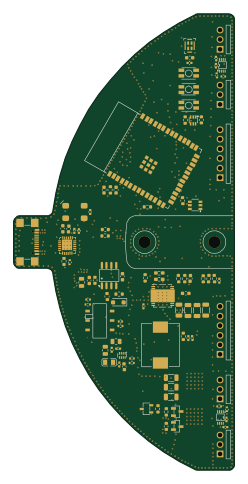 ESP32
Main
LEDs-by-glowingkitty
58.5 × 120.9 mm117 parts4LGPL-3.05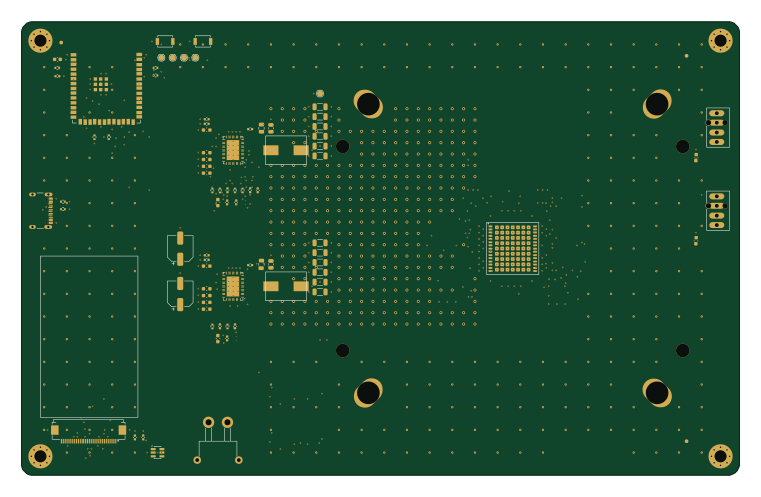 ESP32
BitaxeFlux
 Zayno190 × 120 mm150 parts6LCERN-OHL-S-2.01
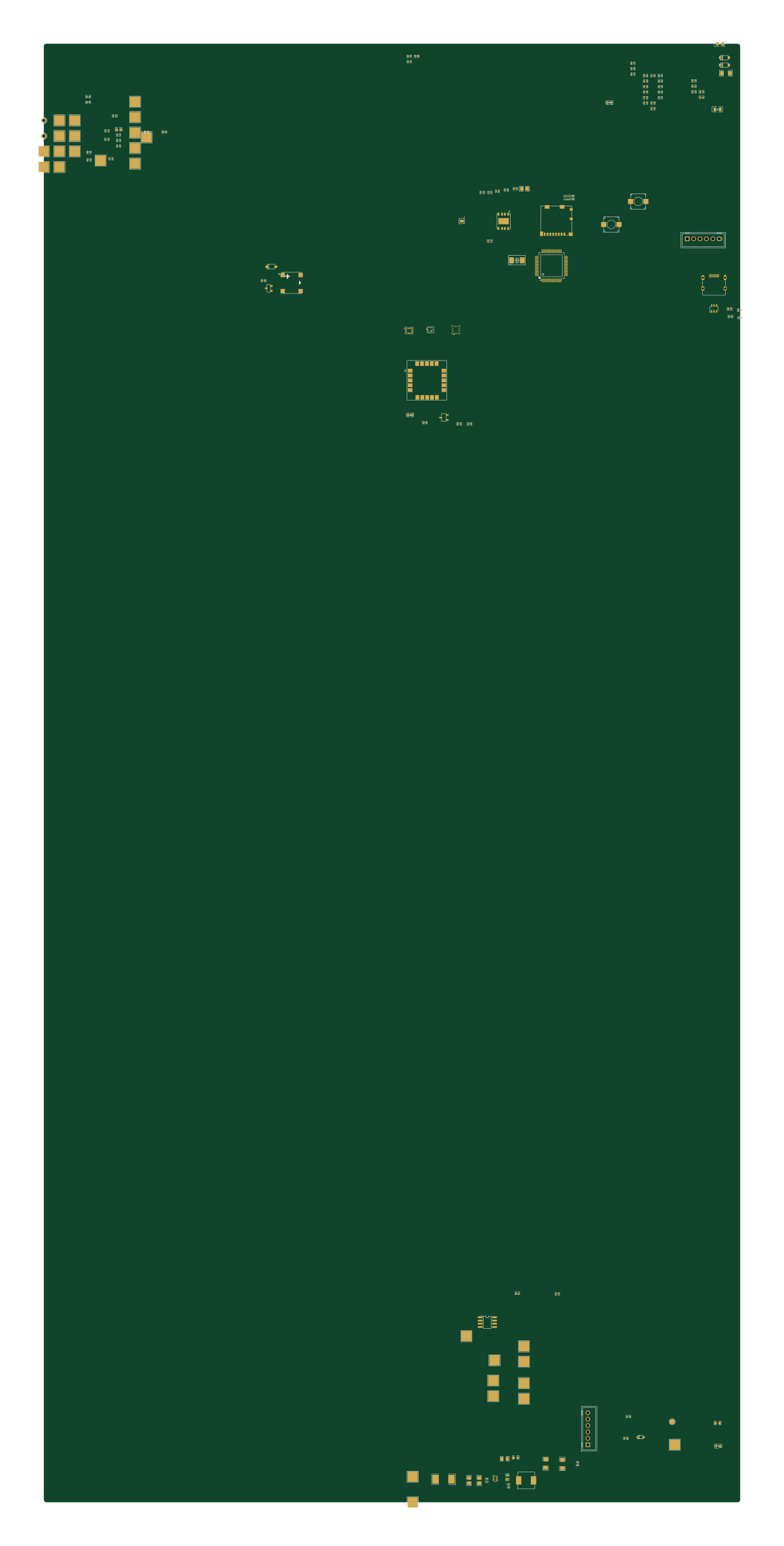
ChariotFC
Rispats
272.4 × 570.4 mm106 parts2LNo license1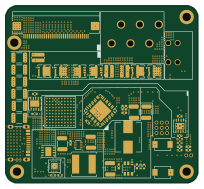 ESP32
Main board
hacker-fab
51 × 47 mm98 parts6LCustom license1- schematic only · 164 partsESP32
OPNhydro
cvonk
164 parts2LGPL-3.01 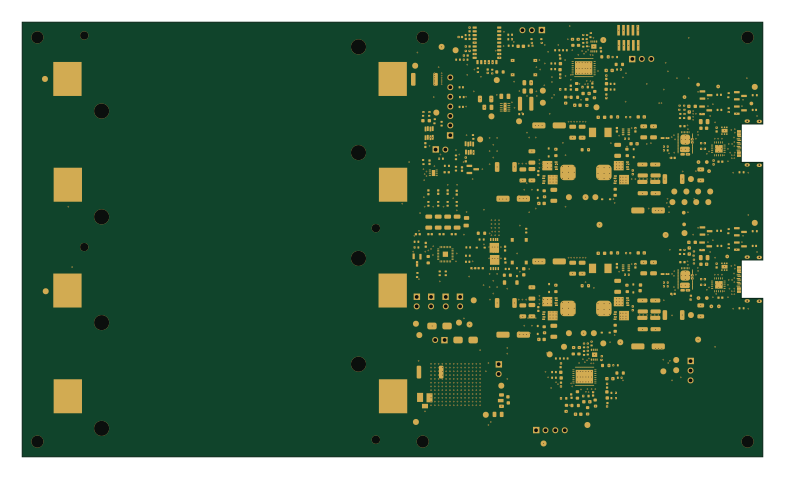
MonolithDev
MidwestMotorBoy
196 × 115 mm355 parts6LMIT0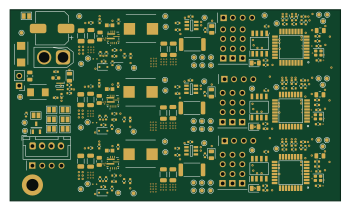 STM32
Side board
AndreiVladescu
87.5 × 50.6 mm227 parts4LCERN-OHL-S-2.00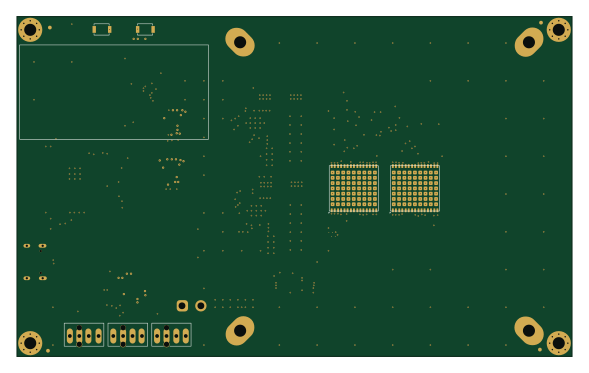 ESP32
BitaxeNajaDuo
Zayno
147 × 90 mm198 parts6LCERN-OHL-S-2.00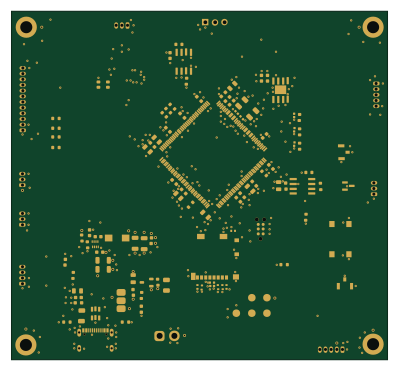
Brain board
Batterhead221
99.5 × 92.3 mm119 parts4LMIT0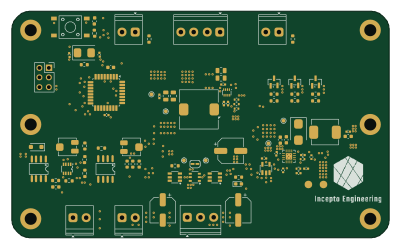 AVR/Arduino
Atmega328-enclosure tamper alarm
manhoosbilli1
100 × 60 mm83 parts2LNo license0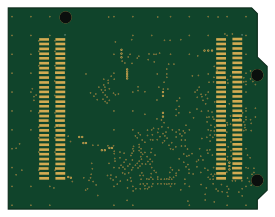
Unoq hat
Leif-Rydenfalk
68.6 × 53.3 mm77 parts4LApache-2.00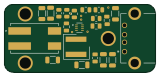
5-Volt-Buck with-UVLO
KrHaaland
40 × 18 mm21 parts2LNo license0- schematic only · 17 parts
Design-Project
wizzy713
17 partsNo license0 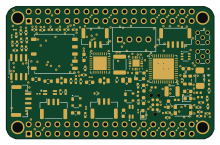
TACCO — Comms / Logging / Payload Cape
Stab-Rabbit-coding
55 × 35 mm108 parts6LCERN-OHL-W-2.01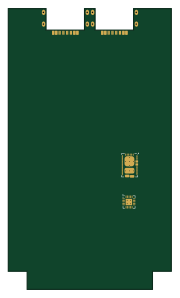
Monolith
43.2 × 74.4 mm232 parts6LMIT0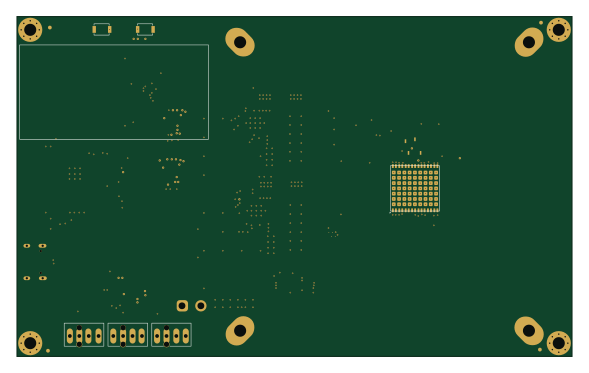 ESP32
Bitaxe Flux - ENGINEERING DRAFT
147 × 90 mm144 parts6LCERN-OHL-S-2.00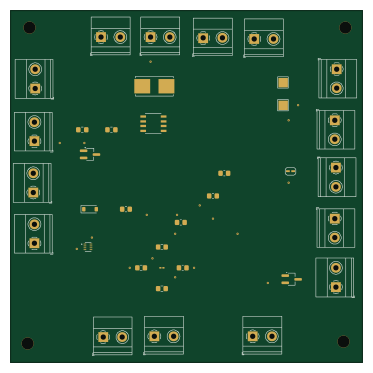
PCB split
rct4
93 × 93 mm33 parts2LNo license0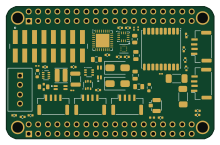
Pilot — EMI-Hardened Flight Control & Sensor Cape
55 × 35 mm96 parts6LCERN-OHL-W-2.01
How designs wire the TPS62933DRLR
Read from the KiCad layouts of 18 open source designs, one per repository: what each pin of the TPS62933DRLR connects to, and the resistors, capacitors and other passives placed on it.
- The FB_8 pin has a resistor to GND on 18 of 18 designs, most often 10 kΩ (then 10.2 kΩ).
- The SW_5 pin has a inductor on 17 of 18 designs, most often 3.3 µH (then 1.5 µH).
- The SS_7 pin has a capacitor to GND on 17 of 18 designs, most often 33 nF (then 47 nF).
- The SW_5 pin has a series capacitor on 16 of 18 designs, most often 100 nF.
| Pin | Connected to | Parts on the pin |
|---|---|---|
| VIN_3pin 3 | Connected to: 12V 78% · a signal 22% |
|
| GND_4pin 4 | Connected to: GND 100% | — |
| SW_5pin 5 | Connected to: Signal 94% |
|
| BST_6pin 6 | Connected to: Signal 94% |
|
| SS_7pin 7 | Connected to: Signal 100% |
|
| FB_8pin 8 | Connected to: Signal 100% |
|
2 more pins vary from design to design. Connections count pins, parts count designs; values in brackets are how many parts had that value. Designs read include RotoPD by CentyLab, Open ambient sensor by hubertciebiada, PicoPD Pro by CentyLab and Barebones by nzevh.
The TPS62933DRLR in open source designs
The gallery holds 23 open source boards using the TPS62933DRLR from 20 GitHub repositories; a typical one measures about 93 × 90 mm and carries around 108 components.
68% use four copper layers or more, and 65% carry an open source license.
The most starred is RotoPD by CentyLab.
Parts used alongside the TPS62933DRLR
Microcontrollers on boards using the TPS62933DRLR
What boards using the TPS62933DRLR are built for
TPS62933DRLR: common questions
Where can I find a TPS62933DRLR reference design?
Each of the 23 boards on this page is a real design using the TPS62933DRLR. Open one to see how it is wired up, with the full BOM, a render of the layout and links to its KiCad files.
What resistor goes on the TPS62933DRLR FB_8 pin?
The FB_8 pin has a resistor to GND on 18 of 18 designs, most often 10 kΩ (then 10.2 kΩ). Counted from the KiCad layouts of 18 open source designs using the TPS62933DRLR.
How is the TPS62933DRLR SW_5 pin connected?
The SW_5 pin has a inductor on 17 of 18 designs, most often 3.3 µH (then 1.5 µH). Counted from the KiCad layouts of 18 open source designs using the TPS62933DRLR.
How is the TPS62933DRLR SS_7 pin connected?
The SS_7 pin has a capacitor to GND on 17 of 18 designs, most often 33 nF (then 47 nF). Counted from the KiCad layouts of 18 open source designs using the TPS62933DRLR.
What parts are used alongside the TPS62933DRLR?
The AP2502KTR-G1, ESP32-S3-WROOM-1-N16R8, TLV77308PDBVR, TLV77312PDBVR and 25MHZ appear in the most repositories here.
Which microcontrollers do boards using the TPS62933DRLR use?
Most are built on ESP32 (8), STM32 (2), AVR/Arduino (1) and RP2040/RP2350 (1).
How big is a typical board using the TPS62933DRLR?
The median is 93 × 90 mm, and 32% are two-layer designs.
What is the most popular open source board using the TPS62933DRLR?
By GitHub stars, RotoPD by CentyLab, with 175 stars.
Can I simulate one of these boards using the TPS62933DRLR before building it?
Yes. HardLabs turns a board's netlist and BOM into a working simulation, so you can boot and test firmware against it with no hardware on your desk.