
86 open source boards using the USBLC6-4SC6
Real designs built with the USBLC6-4SC6, from public GitHub projects: a quick way to see how others power, decouple and connect it. Each board comes with its KiCad files, full parts list and a render — and you can simulate its firmware on HardLabs.
 STM32
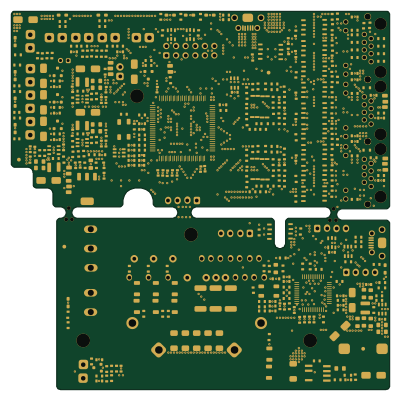
Stmbl 4.0
rene-dev
100 × 100 mm412 parts2LGPL-3.0979 STM32
Otter-Iron
Jana-Marie
84 × 10 mm63 parts4LGPL-3.0520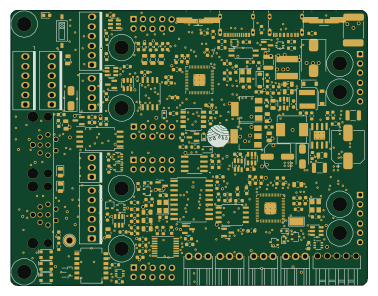 RP2040/RP2350
Dual CPU Base Board
Twisted-Fields
94.4 × 72.8 mm247 parts4LCustom license419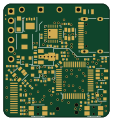 STM32
OtterIron Devkit
28 × 30 mm67 parts2LNo license321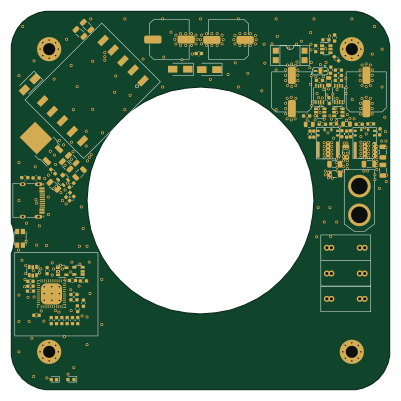 STM32
Pcbtc
lucysrausch
100 × 100 mm96 parts2LNo license223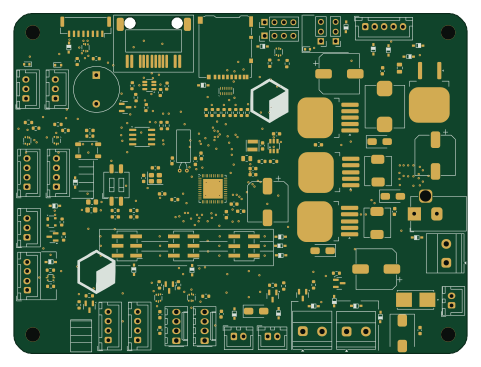 STM32
Mainboard
Cluradev
120 × 90 mm162 parts4LNo license118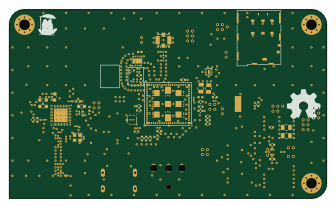 Nordic nRF
Ribbit network frog hardware
Ribbit-Network
84 × 50 mm160 parts6LMIT106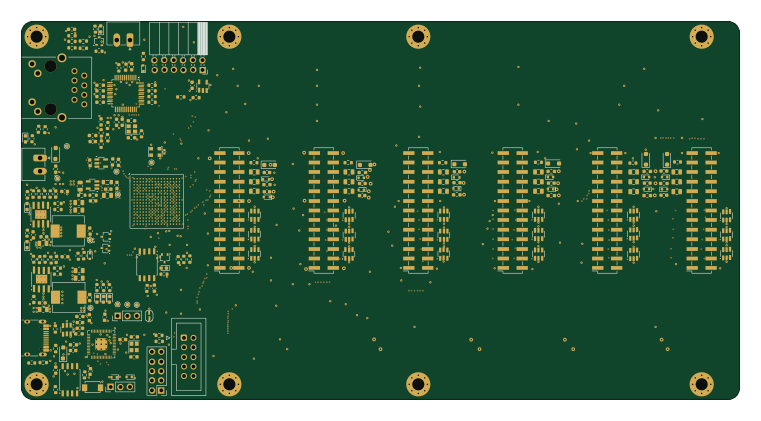 RP2040/RP2350
Rioctrl controller
festlv
190 × 100 mm260 parts4LCERN-OHL-S-2.016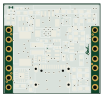 ESP32
PCB CANNONBALL
user-will
25.6 × 23.6 mm58 parts4LNo license14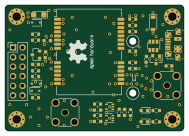
Ublox breakout
thinkfat
47.2 × 33.2 mm44 parts4LNo license13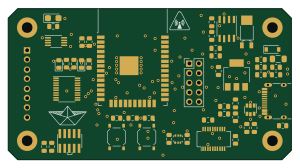 ESP32
Clockcore
ansemjo
75 × 40 mm54 parts2LCERN-OHL-P-2.012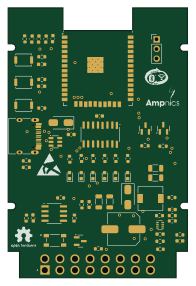 ESP32
CAN-to-WiFi-Converter-Dongle-
ampnics
47.5 × 71.5 mm68 parts2LNo license10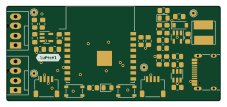 ESP32
Luftctl
56.6 × 25 mm40 parts2LNo license10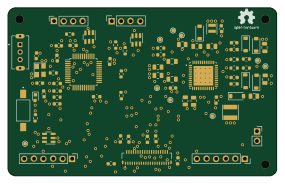 STM32
ED060SC4-Driver-Board-Hardware
Mael-Le-Garrec
71.3 × 44.5 mm73 parts4LNo license9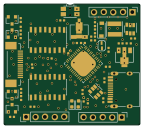 STM32
Printer otter
36 × 32 mm48 parts2LNo license7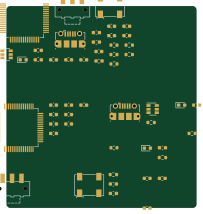 STM32
Stm32
ThanabordeeN
50.4 × 53.5 mm27 parts2LMIT6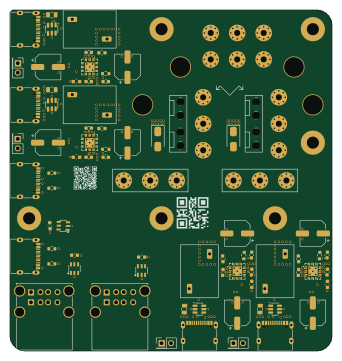
Skibidi usb charger hub
tobycm
85 × 90 mm74 parts4LMIT3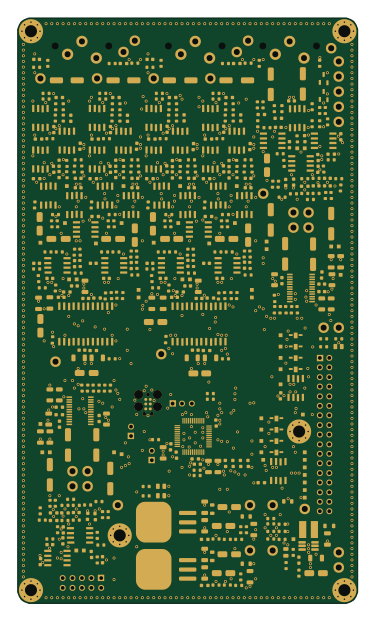 STM32
Audio daughterboard
Jaxc
90 × 155 mm453 parts4LGPL-3.02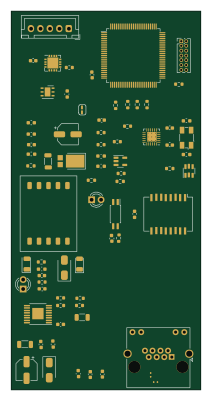 STM32
OpenWeatherStation
VitalSeptfonds
50 × 100 mm107 parts2LMIT2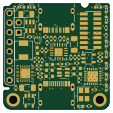
Lichtenprog
cr1tbit
28 × 28 mm69 parts4LCERN-OHL-P-2.02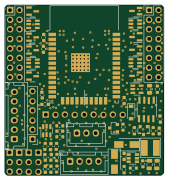 ESP32
Bobbycar boardcomputer hardware
bobbycar-graz
42 × 45 mm66 parts2LNo license2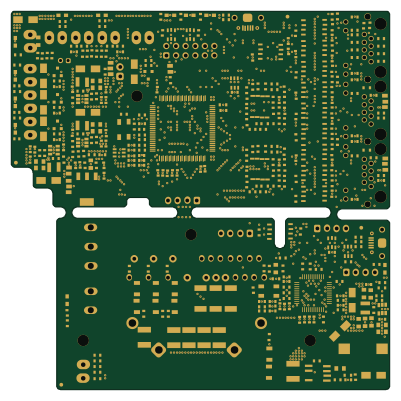 STM32
Stmbl 4.0
coon42
100 × 100 mm409 parts2LGPL-3.01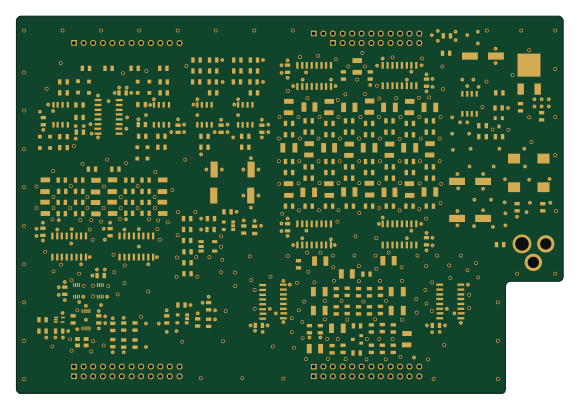 PIC
ODR-1 OSC & MIXER BOARD
N7IFC
144.8 × 100 mm265 parts4LNo license1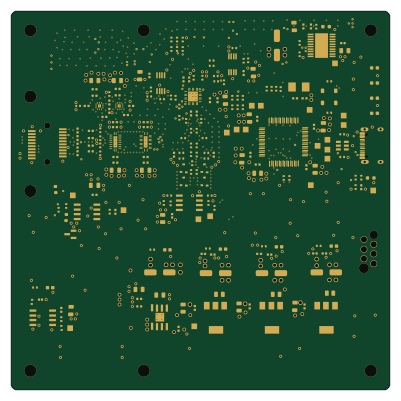 STM32
Sampling mesh monitor
jaseg
100 × 100 mm229 parts6LCC-BY-SA-4.01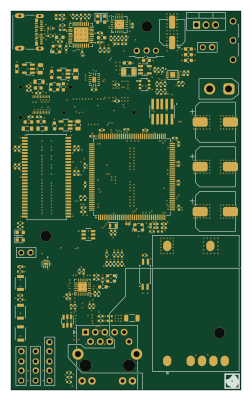 STM32
Fpga mocap
TobiasJaeggi
60.6 × 100 mm188 parts6LGPL-3.01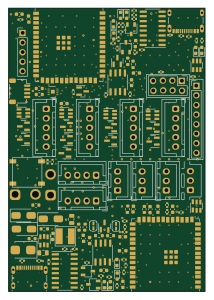 ESP32
Bobbycar boardcomputer reinvented
bobbycar-reinvented
52 × 75 mm141 parts2LGPL-3.01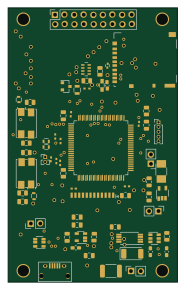 STM32
Osfi p
SL-RU
44.8 × 72.5 mm66 parts2LNo license1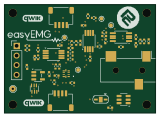
Protocentral easyemg hardware
Protocentral
40 × 28.8 mm46 parts2LCERN-OHL-P-2.01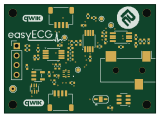
Protocentral easyecg hardware
40 × 28.8 mm46 parts2LCERN-OHL-P-2.01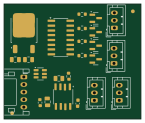 RISC-V
Dc motor driver adapter
baden
36.2 × 30.4 mm30 parts2LNo license1- schematic only · 59 partsSTM32
RE42
AL-255
59 partsNo license1 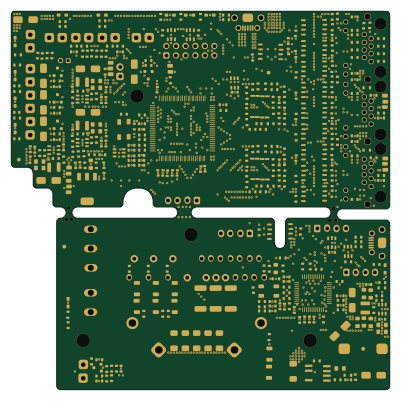 STM32
Stmbl 4.0
emdotnet
100 × 100 mm412 parts2LGPL-3.00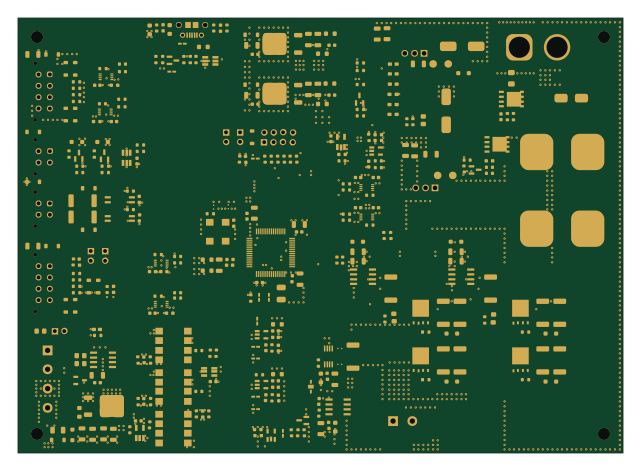 STM32
Sjc
tgiacomellibr
160 × 115 mm323 parts4LMIT0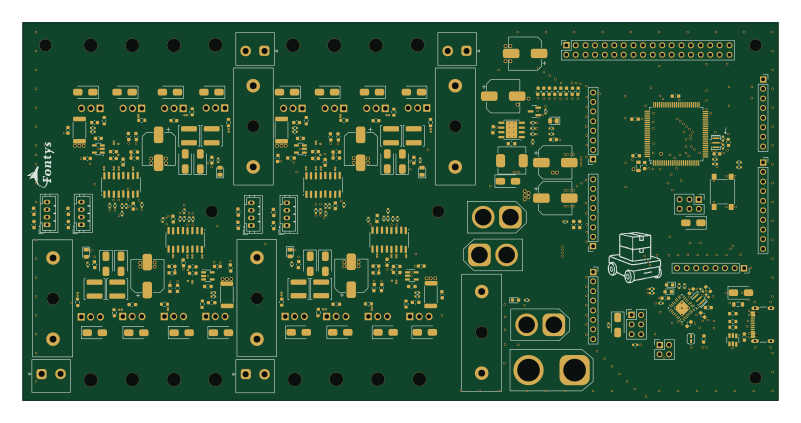 AVR/Arduino
Adaptive agv platform
vantalane
200 × 100 mm289 parts4LMIT0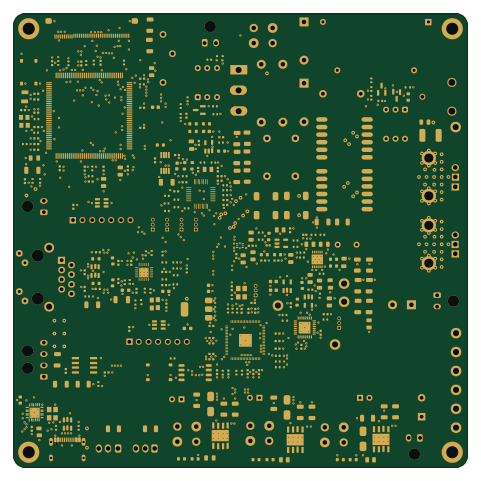 RP2040/RP2350
HVDC test board
MECSEM
120 × 120 mm287 parts4LGPL-3.00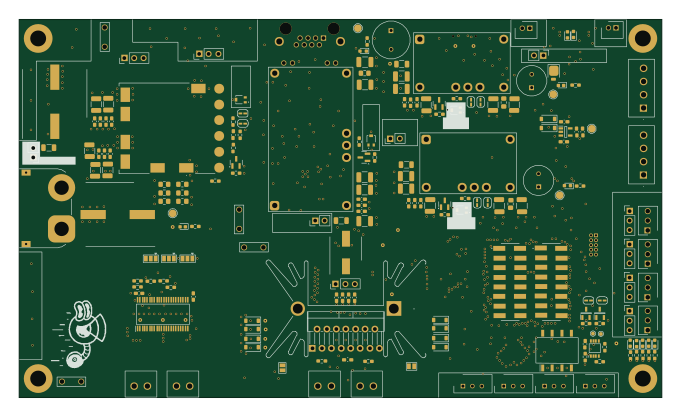 STM32
CDR2026
Soupalognon
170 × 100 mm283 parts4LMIT0
How designs wire the USBLC6-4SC6
Read from the KiCad layouts of 55 open source designs, one per repository: what each pin of the USBLC6-4SC6 connects to, and the resistors, capacitors and other passives placed on it.
- The I/O1 pin has a series resistor on 23 of 55 designs, most often 100 Ω (then 22 Ω).
- The I/O2 pin has a series resistor on 22 of 55 designs, most often 100 Ω (then 22 Ω).
- The VBUS pin has a decoupling capacitor on 22 of 53 designs, most often 100 nF (then 10 µF).
| Pin | Connected to | Parts on the pin |
|---|---|---|
| I/O1pin 1 | Connected to: A connector 76%, the microcontroller 31% |
|
| GNDpin 2 | Connected to: GND 95% | — |
| I/O2pin 3 | Connected to: A connector 69%, the microcontroller 29% |
|
| I/O3pin 4 | Connected to: A connector 65%, the microcontroller 22% · not connected 17% |
|
| VBUSpin 5 | Connected to: 3.3V 68% · a signal 32% |
|
| I/O4pin 6 | Connected to: A connector 72%, the microcontroller 25% |
|
Connections count pins, parts count designs; values in brackets are how many parts had that value. Designs read include Bob by rene-dev, Otter-Iron by Jana-Marie, Dual CPU Base Board by Twisted-Fields and OtterIron Devkit by Jana-Marie.
The USBLC6-4SC6 in open source designs
The gallery holds 86 open source boards using the USBLC6-4SC6 from 60 GitHub repositories; a typical one measures about 85 × 82 mm and carries around 103 components.
58% use four copper layers or more, and 51% carry an open source license.
The most starred is Stmbl 4.0 by rene-dev.
Parts used alongside the USBLC6-4SC6
Microcontrollers on boards using the USBLC6-4SC6
What boards using the USBLC6-4SC6 are built for
USBLC6-4SC6: common questions
Where can I find a USBLC6-4SC6 reference design?
Each of the 86 boards on this page is a real design using the USBLC6-4SC6. Open one to see how it is wired up, with the full BOM, a render of the layout and links to its KiCad files.
What resistor goes on the USBLC6-4SC6 I/O1 pin?
The I/O1 pin has a series resistor on 23 of 55 designs, most often 100 Ω (then 22 Ω). Counted from the KiCad layouts of 55 open source designs using the USBLC6-4SC6.
What resistor goes on the USBLC6-4SC6 I/O2 pin?
The I/O2 pin has a series resistor on 22 of 55 designs, most often 100 Ω (then 22 Ω). Counted from the KiCad layouts of 55 open source designs using the USBLC6-4SC6.
What decoupling capacitors do designs use on the USBLC6-4SC6 VBUS pin?
The VBUS pin has a decoupling capacitor on 22 of 53 designs, most often 100 nF (then 10 µF). Counted from the KiCad layouts of 55 open source designs using the USBLC6-4SC6.
What parts are used alongside the USBLC6-4SC6?
The USBLC6-2SC6, LAN8742A, MIC5504-3.3YM5, RP2040 and AP2112K-3.3 appear in the most repositories here.
Which microcontrollers do boards using the USBLC6-4SC6 use?
Most are built on STM32 (30), ESP32 (15), RP2040/RP2350 (9) and Nordic nRF (3).
How big is a typical board using the USBLC6-4SC6?
The median is 85 × 82 mm, and 42% are two-layer designs.
What is the most popular open source board using the USBLC6-4SC6?
By GitHub stars, Stmbl 4.0 by rene-dev, with 979 stars.
Can I simulate one of these boards using the USBLC6-4SC6 before building it?
Yes. HardLabs turns a board's netlist and BOM into a working simulation, so you can boot and test firmware against it with no hardware on your desk.