
40 open source boards using the TXS0108EPW
Real designs built with the TXS0108EPW, from public GitHub projects: a quick way to see how others power, decouple and connect it. Each board comes with its KiCad files, full parts list and a render — and you can simulate its firmware on HardLabs.
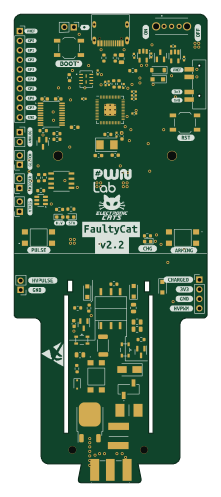 RP2040/RP2350
Faultycat
ElectronicCats
51.2 × 124.2 mm94 parts2LBSD-3-Clause183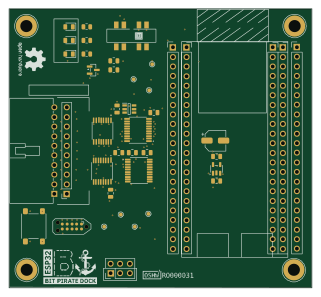
ESP32 Bus Pirate Dock
AndreiVladescu
80 × 73.8 mm33 parts4LCERN-OHL-W-2.076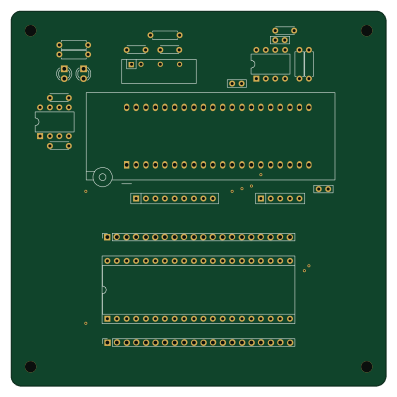
TangNano8080MEM
ryomuk
99.1 × 99.1 mm24 parts2LMIT44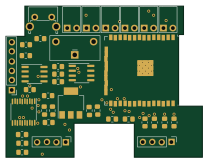 ESP32
ESP32Modbus RTU mirror side board
galopago
52 × 40 mm38 parts2LCC-BY-4.07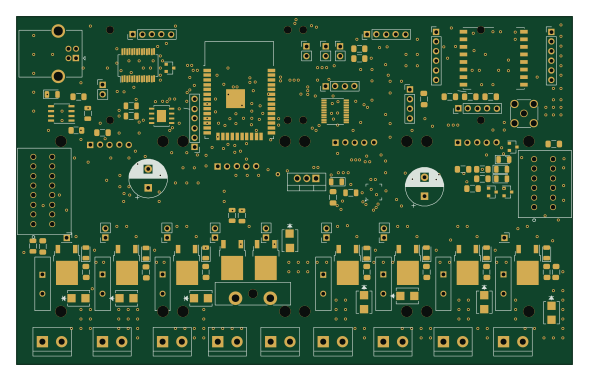 ESP32
ESP32Vandal
blinken
147 × 92 mm213 parts2LGPL-3.06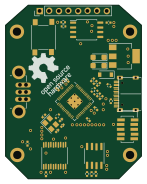 RP2040/RP2350
Cable link
CableClub
36 × 46 mm40 parts4LApache-2.05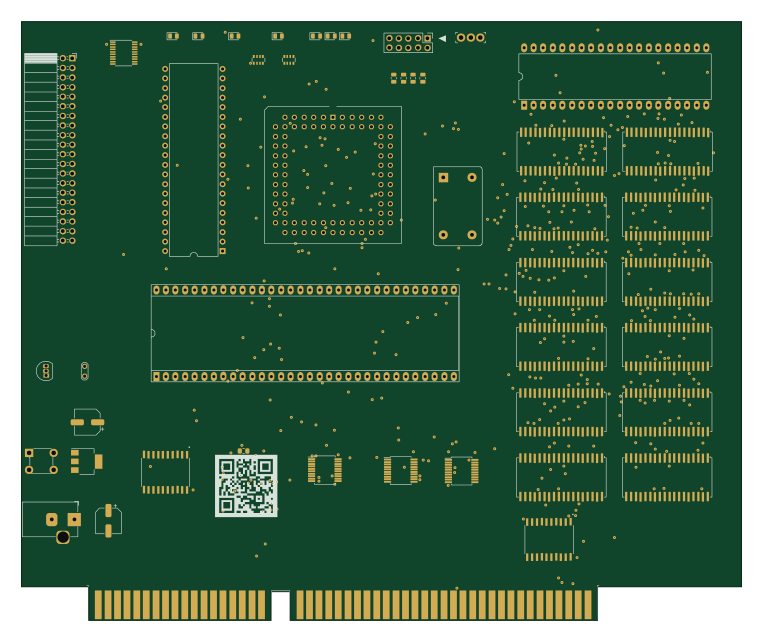
68k dev
maded2
190.5 × 158.4 mm81 parts2LApache-2.04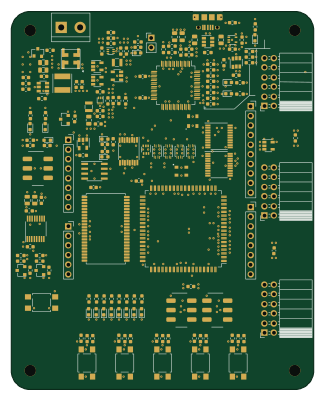 FPGA
FPGAIceduino
RubenVoell
80 × 100 mm241 parts4LCERN-OHL-1.23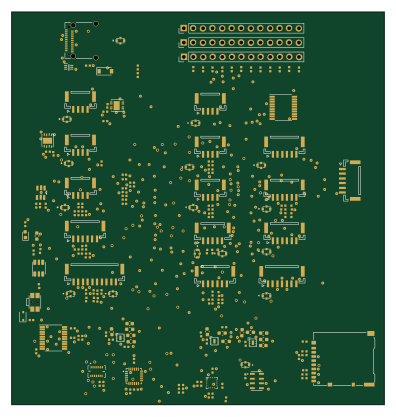 STM32
STM32350 Flight controller
ThaoMinhHoang
98.7 × 104 mm233 parts4LNo license3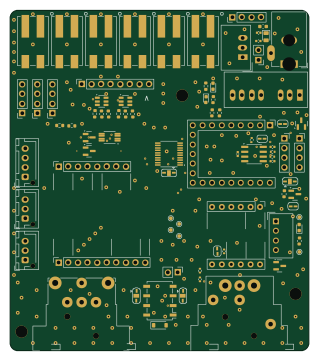 ESP32
ESP32MHCI-DMX
About-Time-Technologies
79 × 90 mm75 parts2LNo license2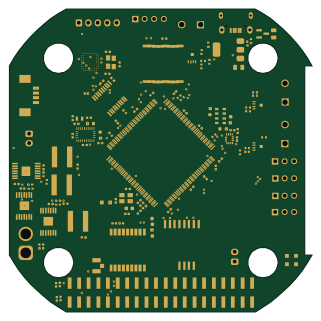 STM32
STM32IRIS
codinga593
80 × 80 mm129 parts6LNo license1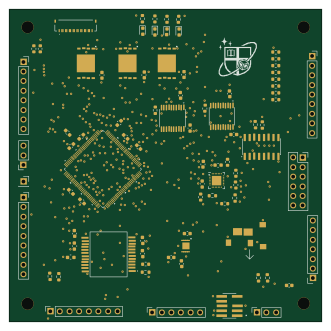 Microchip SAM
PVDX Compute Board
BrownSpaceEngineering
82.5 × 82.5 mm87 parts2LNo license1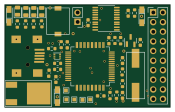 STM32
STM32Blackmagic clone
sergiomd4
43.6 × 27 mm41 parts2LCC0-1.01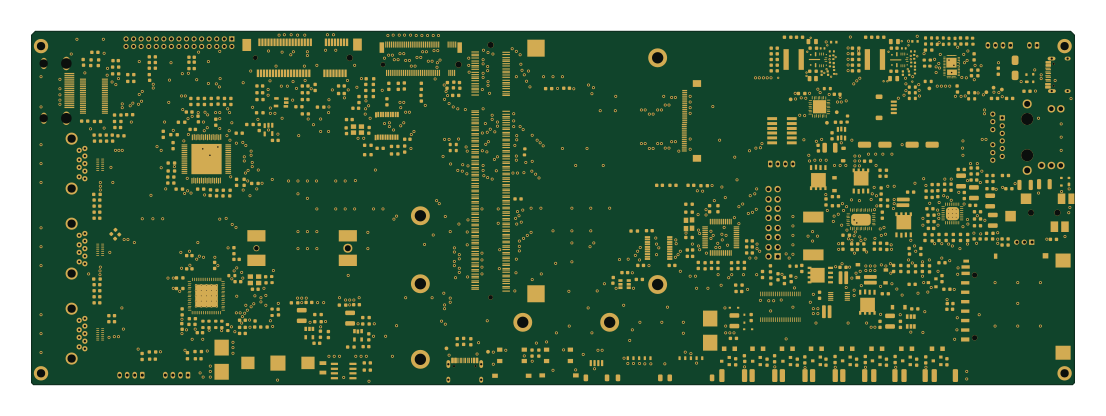
Reform2-motherboard30
owebeeone
276 × 93.5 mm513 parts6LNo license0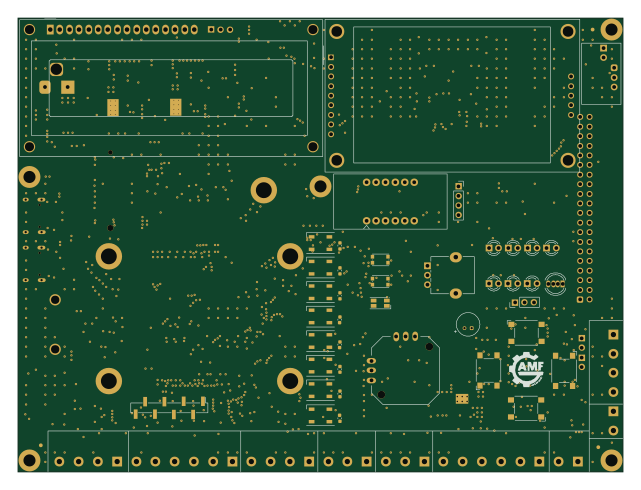
PRODIGY-MOTHERBOARD
mark69163
160 × 120 mm333 parts4LNo license0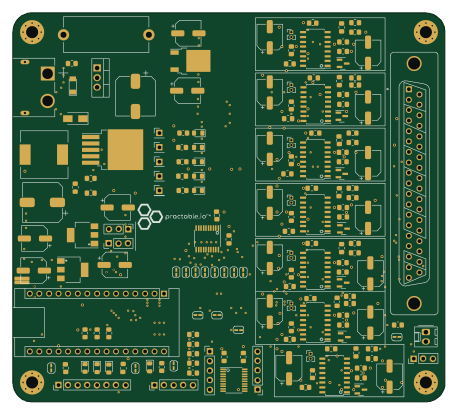 AVR/Arduino
Truss
practable
114.3 × 102.9 mm198 parts2LAGPL-3.00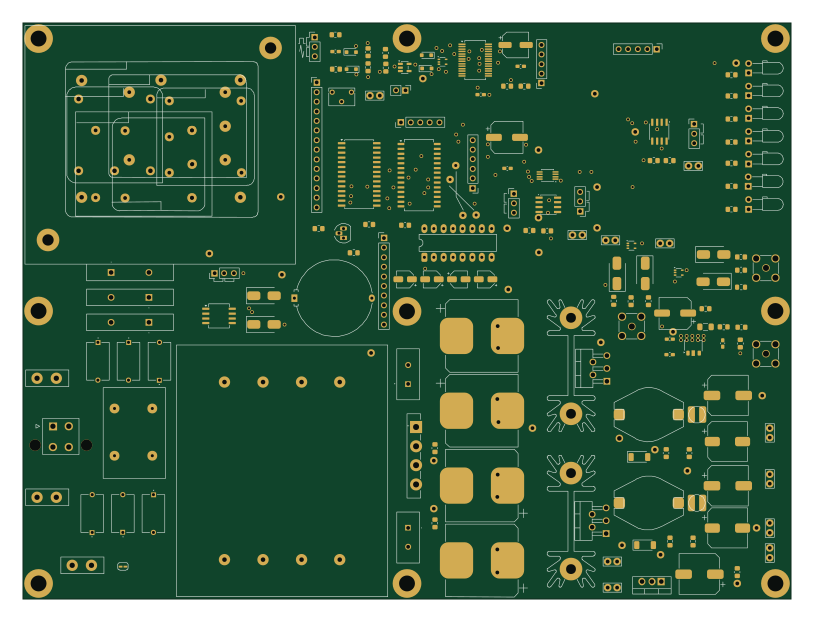 PIC
PICGPSDO
dewayne57
203.2 × 152.4 mm157 parts2LApache-2.00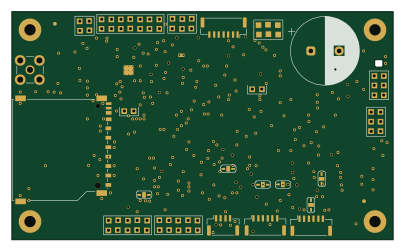 AVR/Arduino
DATALOGGER02
mlab-modules
101.1 × 60.5 mm153 parts2LGPL-3.00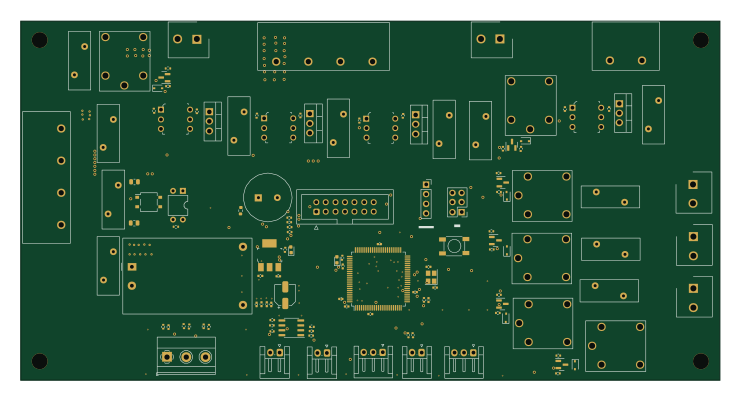 AVR/Arduino
Steel form Dish washer
R-Mutura
185 × 95 mm147 parts4LNo license0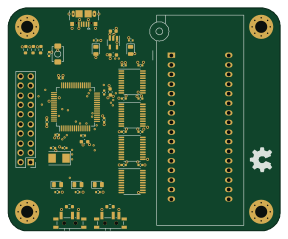 STM32
STM32Programmer
afbravo
72 × 59 mm49 parts4LNo license0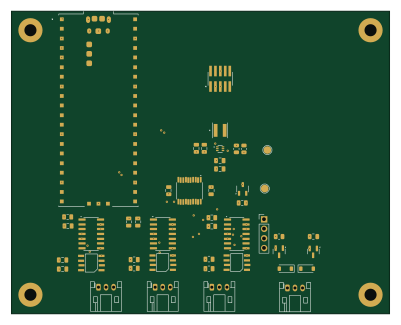
LaserController
GrussmayerLab
100 × 80 mm44 parts2LNo license0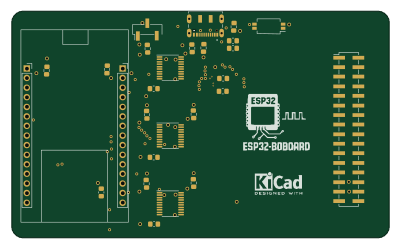 ESP32
ESP32ESP32-BOBOARD-5V
gianlucarenzi
100 × 60 mm28 parts4LGPL-3.00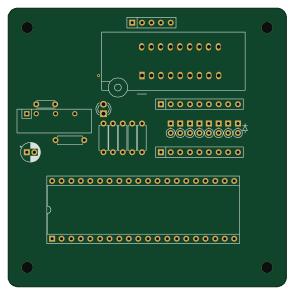
TangNano8008MEM
73.7 × 73.7 mm23 parts2LMIT44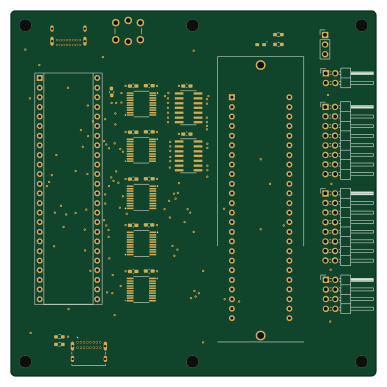 NXP
NXPBionicBase Teensy 4.1
tgtakaoka
96.5 × 96.5 mm34 parts2LCustom license6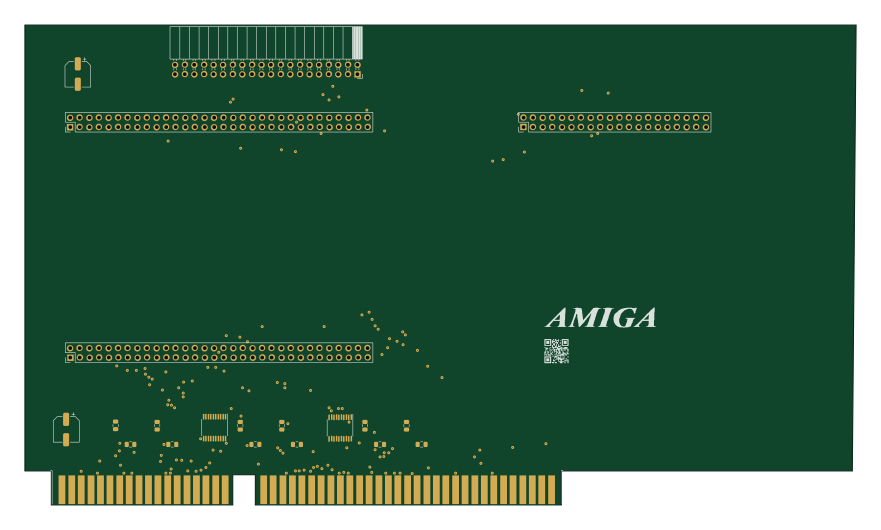
Amiga ocs
220 × 127 mm30 parts2LApache-2.04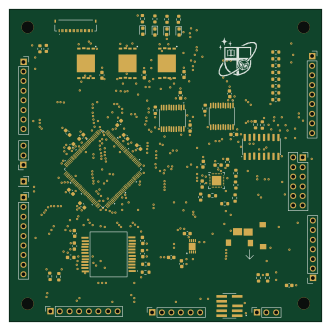 Microchip SAM
Compute4layer
82.5 × 82.5 mm87 parts4LNo license1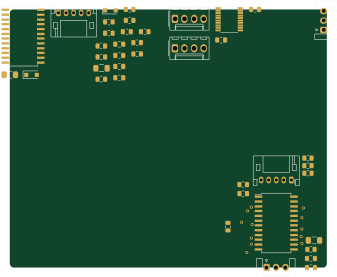
Asservissement Shield
robotronik
84 × 68.4 mm49 parts2LNo license1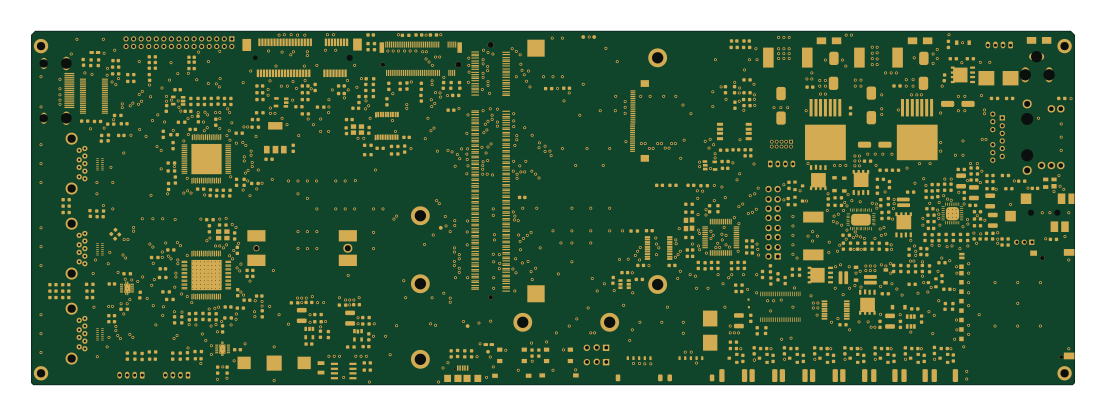
Reform2-motherboard
276 × 93.5 mm501 parts6LNo license0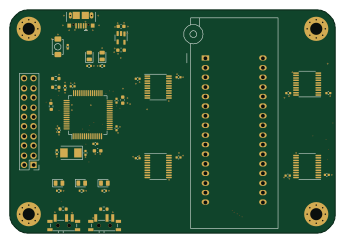 STM32
STM32Programmer routed1
86 × 59 mm49 parts4LNo license0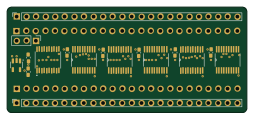
TangNano9k5V
63.5 × 27.9 mm19 parts4LMIT44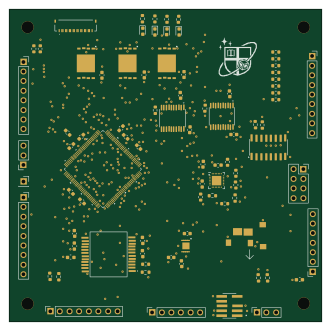 Microchip SAM
PVDX Compute Board.recovered.2026-08-12 141520
82.5 × 82.5 mm87 parts2LNo license1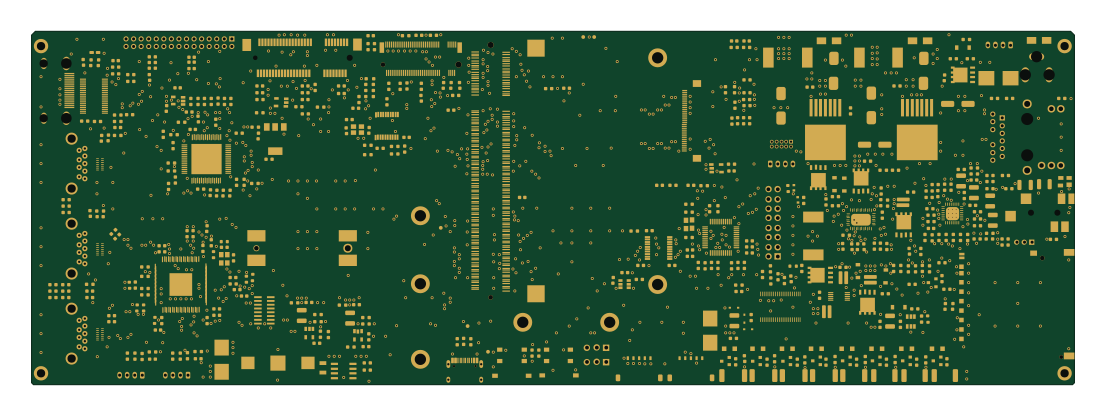
Reform2-motherboard25
276 × 93.5 mm494 parts6LNo license0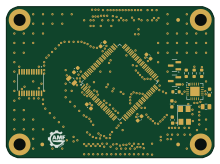 AVR/Arduino
PRODIGY-ATMEGA2560
55 × 40 mm22 parts4LNo license0
Steel form Dish washer PART 2
230 × 35 mm20 parts4LNo license0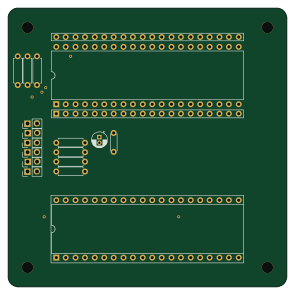
TangNano6809MEM
73.7 × 73.7 mm18 parts2LMIT44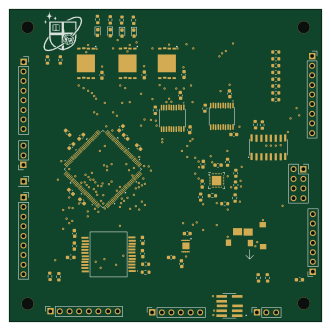 Microchip SAM
PVDX Compute Board.recovered.2026-08-09 224836
82.5 × 82.5 mm86 parts2LNo license1
The TXS0108EPW in open source designs
The gallery holds 40 open source boards using the TXS0108EPW from 26 GitHub repositories; a typical one measures about 83.3 × 82.5 mm and carries around 75 components.
53% are two-layer designs, the rest use four layers or more, and 45% carry an open source license.
The most starred is Faultycat by ElectronicCats.
Parts used alongside the TXS0108EPW
Microcontrollers on boards using the TXS0108EPW
What boards using the TXS0108EPW are built for
TXS0108EPW: common questions
Where can I find a TXS0108EPW reference design?
Each of the 40 boards on this page is a real design using the TXS0108EPW. Open one to see how it is wired up, with the full BOM, a render of the layout and links to its KiCad files.
What parts are used alongside the TXS0108EPW?
The AMS1117-3.3, MS5611-01BA, ESP32-WROOM-32, RP2040 and SN74LVC1T45DBV appear in the most repositories here.
Which microcontrollers do boards using the TXS0108EPW use?
Most are built on STM32 (5), Microchip SAM (5), AVR/Arduino (4) and ESP32 (4).
How big is a typical board using the TXS0108EPW?
The median is 83.3 × 82.5 mm, and 53% are two-layer designs.
What is the most popular open source board using the TXS0108EPW?
By GitHub stars, Faultycat by ElectronicCats, with 183 stars.
Can I simulate one of these boards using the TXS0108EPW before building it?
Yes. HardLabs turns a board's netlist and BOM into a working simulation, so you can boot and test firmware against it with no hardware on your desk.