
215 open source boards using the MPU-6050
Real designs built with the MPU-6050, from public GitHub projects: a quick way to see how others power, decouple and connect it. Each board comes with its KiCad files, full parts list and a render — and you can simulate its firmware on HardLabs.
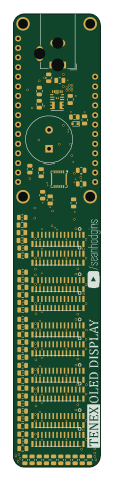
Volumetric display
idlehandsdev
23 × 120 mm70 parts2LCC-BY-SA-4.0312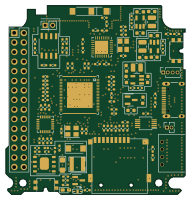
M5Pi-F1C100S/200S
imliubo
47.5 × 50 mm141 parts4LNo license197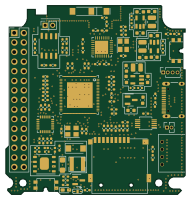
Ecad viewer
Huaqiu-Electronics
47.5 × 50 mm141 parts4LMIT91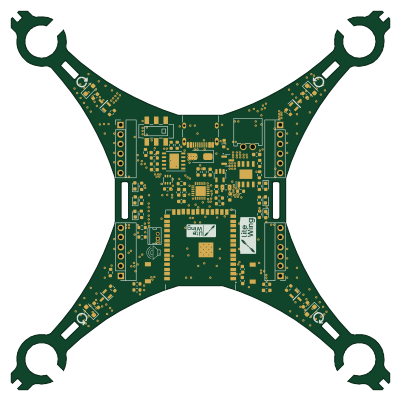 ESP32
LiteWingV2.5C
jobitjoseph
100 × 100 mm76 parts2LCC-BY-NC-4.054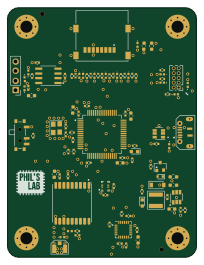 STM32
BluePhil
pms67
50 × 66 mm99 parts2LMIT53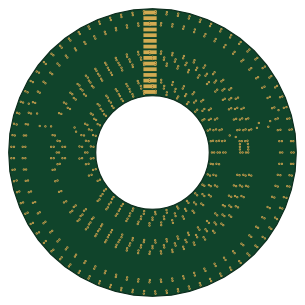 ESP32
ControlBoard
paradise-fi
76 × 76 mm207 parts4LCC-BY-NC-4.042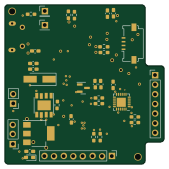
ESP32C3 Watch
k-ying
42 × 42 mm53 parts2LNo license23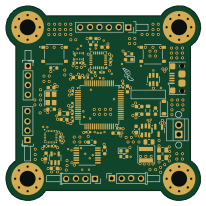 STM32
Hermes-FlightController
aadilnaji
51.4 × 51.4 mm64 parts4LMIT16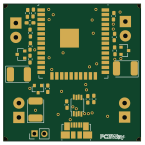 ESP32
Drone
PlumPot55
36.2 × 36.2 mm42 parts2LNo license15
PModlet
26 × 21.3 mm16 parts2LMIT15 STM32
Mad navigator
maddevsio
173.4 × 82.6 mm104 parts2LNo license14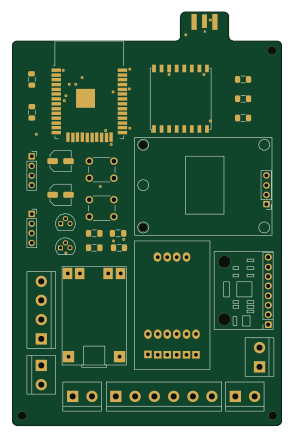 ESP32
Lora node esp32 smd GPS
Christophe45
71.1 × 109.2 mm32 parts2LNo license14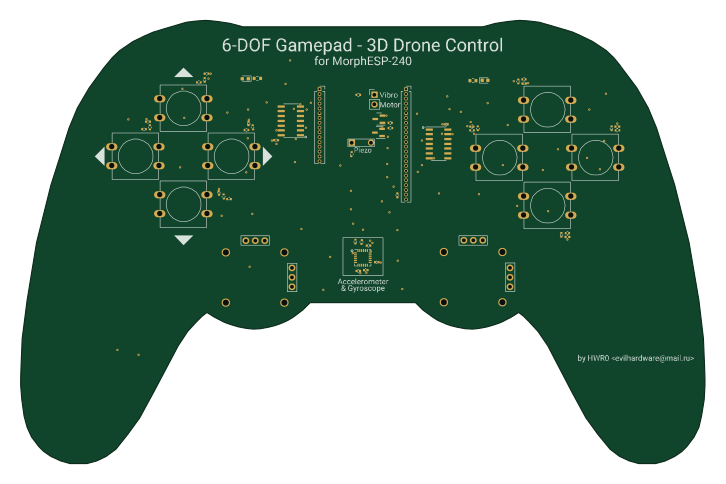
Mesp240 3Dpad
hwreverse
181.1 × 117.2 mm60 parts2LMIT13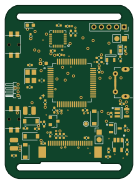 STM32
MorphWatch-STM32
deebot
33.8 × 46 mm63 parts4LNo license12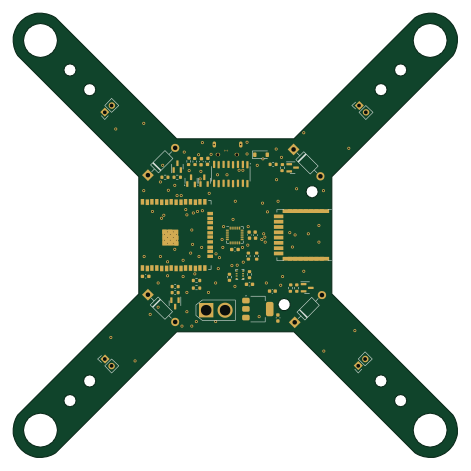 ESP32
Drone
rmingon
117.4 × 117.4 mm49 parts2LNo license12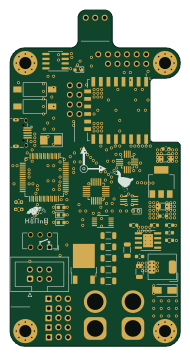 ESP8266
Flight controller v2
Eryk-Mozdzen
45 × 89 mm108 parts4LNo license9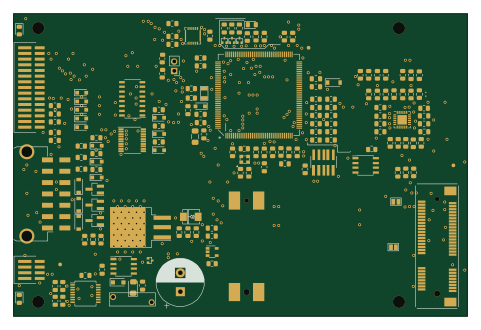 NXP
Equipo AVL - vRaptor
brengi
120 × 80 mm160 parts2LNo license7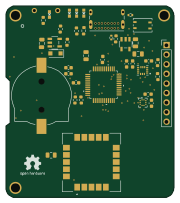 Microchip SAM
Dropkick
rrainey
44.5 × 50.8 mm45 parts2LMIT7
MPU6050
racerxdl
16 × 21 mm14 parts2LMIT6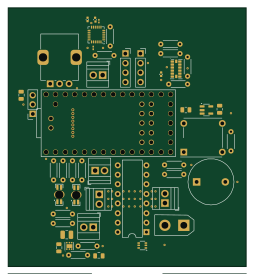 NXP
Robot
sidstuff
63 × 68.5 mm71 parts2LMIT5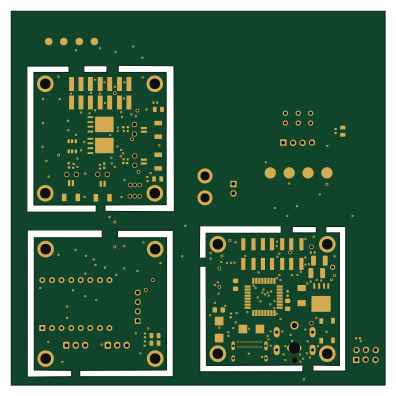 AVR/Arduino
2nd mainboard
Fiberprinter
99 × 99 mm110 parts2LNo license4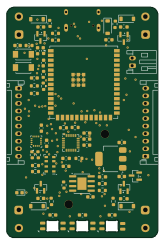 ESP32
UWB Fly Drone
DynamicWhiteHat
40 × 61 mm75 parts2LNo license4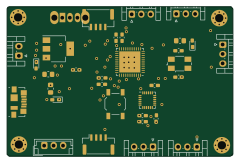 STM32
Controller-Drone
Himanshukohale22
59.8 × 39.6 mm43 parts2LNo license4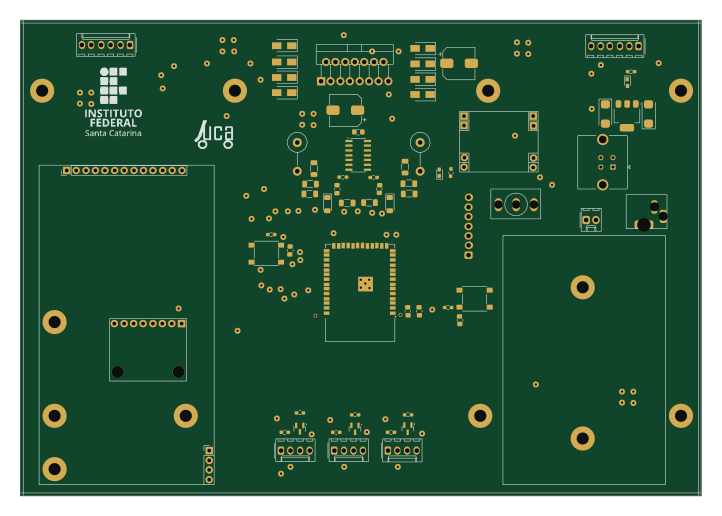 ESP32
Juca
MatheusPinto
180.1 × 125.7 mm74 parts2LMIT3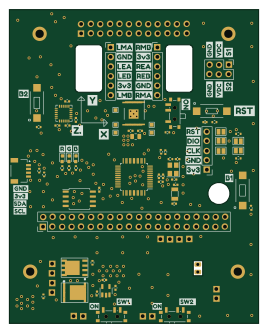 STM32
PiZumo Robot
wallComputer
66 × 83.1 mm70 parts4LGPL-2.03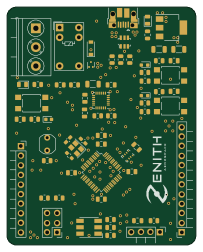 STM32
Zenith-Development-Board
zenitheesc
50 × 63 mm67 parts2LMIT3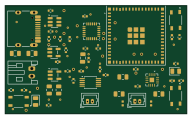 ESP32
Posture-Tracker-Using-ESP32
kiranj26
47.9 × 28.5 mm52 parts2LMIT3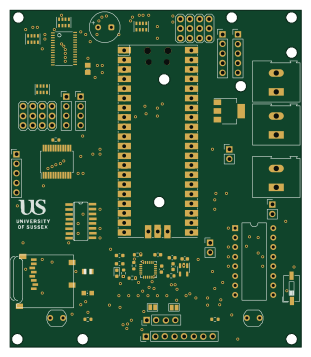 RP2040/RP2350
OpenEduBot
shepai
77.1 × 89.2 mm40 parts2LNo license3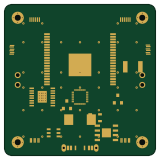 ESP32
Yunyu esp32
yunyu-x
40 × 40 mm18 parts4LApache-2.03 STM32
Sologear g3-15-electric unicycle
Suresh-Subedi
56.3 × 20.3 mm10 parts2LNo license3 ESP32
SF 01 Compute Board
sandgum
128 × 128 mm332 parts4LNo license2 ESP8266
UnderControl Hardware Design
YamanSeyravan
100 × 100 mm185 parts4LGPL-3.02 AVR/Arduino
Mainboard
MUNAKATA-EPC
120 × 120 mm151 parts2LNo license2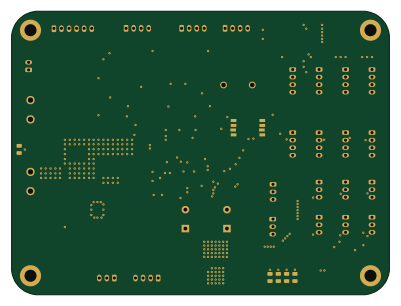 STM32
Ecu hw
KPI-Rover
100 × 75 mm145 parts2LNo license2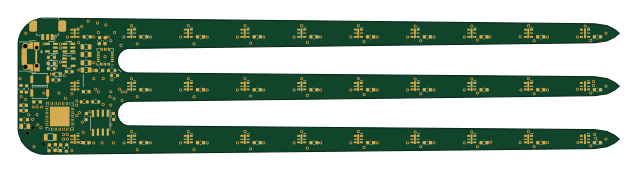 Microchip SAM
Haargabeldings
cpresser
159 × 36 mm102 parts2LNo license2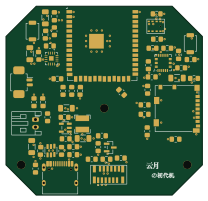 ESP32
VoxConductor
LighthouseXy
52 × 50 mm61 parts4LMIT2
How designs wire the MPU-6050
Read from the KiCad layouts of 178 open source designs, one per repository: what each pin of the MPU-6050 connects to, and the resistors, capacitors and other passives placed on it.
- The REGOUT pin has a capacitor to GND on 140 of 167 designs, most often 100 nF (then 10 nF).
- The CPOUT pin has a capacitor to GND on 140 of 164 designs, most often 2.2 nF (then 100 nF).
- The AUX_DA pin is left unconnected on 165 of 177 designs (a signal on 10).
- The AUX_CL pin is left unconnected on 163 of 176 designs (GND on 3, a signal on 10).
| Pin | Connected to | Parts on the pin |
|---|---|---|
| CLKINpin 1 | Connected to: GND 62% · not connected 28% | — |
| NCpin 2, 3, 4, 5, 14, 15, 16, 17 | Connected to: Not connected 97% | — |
| AUX_DApin 6 | Connected to: Not connected 93% | — |
| AUX_CLpin 7 | Connected to: Not connected 93% | — |
| VLOGICpin 8 | Connected to: 3.3V 79% |
|
| REGOUTpin 10 | Connected to: Signal 87% |
|
| FSYNCpin 11 | Connected to: GND 67% · not connected 26% | — |
| VDDpin 13 | Connected to: 3.3V 90% |
|
| GNDpin 18 | Connected to: GND 95% | — |
| RESVpin 19, 21, 22 | Connected to: Not connected 99% | — |
| CPOUTpin 20 | Connected to: Signal 87% |
|
| SCLpin 23 | Connected to: The microcontroller 77%, a connector 34% |
|
| SDApin 24 | Connected to: The microcontroller 77%, a connector 34% |
|
2 more pins vary from design to design. Connections count pins, parts count designs; values in brackets are how many parts had that value. Designs read include Volumetric display by idlehandsdev, M5Pi-F1C100S/200S by imliubo, Ecad viewer by Huaqiu-Electronics and LieWingV2.6.C by jobitjoseph.
The MPU-6050 in open source designs
The gallery holds 215 open source boards using the MPU-6050 from 195 GitHub repositories; a typical one measures about 58 × 54 mm and carries around 55 components.
67% are two-layer designs, the rest use four layers or more, and 32% carry an open source license.
The most starred is Volumetric display by idlehandsdev.
Parts used alongside the MPU-6050
Microcontrollers on boards using the MPU-6050
What boards using the MPU-6050 are built for
MPU-6050: common questions
Where can I find a MPU-6050 reference design?
Each of the 215 boards on this page is a real design using the MPU-6050. Open one to see how it is wired up, with the full BOM, a render of the layout and links to its KiCad files.
How is the MPU-6050 REGOUT pin connected?
The REGOUT pin has a capacitor to GND on 140 of 167 designs, most often 100 nF (then 10 nF). Counted from the KiCad layouts of 178 open source designs using the MPU-6050.
How is the MPU-6050 CPOUT pin connected?
The CPOUT pin has a capacitor to GND on 140 of 164 designs, most often 2.2 nF (then 100 nF). Counted from the KiCad layouts of 178 open source designs using the MPU-6050.
How is the MPU-6050 AUX_DA pin connected?
The AUX_DA pin is left unconnected on 165 of 177 designs (a signal on 10). Counted from the KiCad layouts of 178 open source designs using the MPU-6050.
What parts are used alongside the MPU-6050?
The AMS1117-3.3, BMP280, USBLC6-2SC6, ESP32-S3-WROOM-1 and TP4056 appear in the most repositories here.
Which microcontrollers do boards using the MPU-6050 use?
Most are built on ESP32 (91), STM32 (48), RP2040/RP2350 (23) and AVR/Arduino (13).
How big is a typical board using the MPU-6050?
The median is 58 × 54 mm, and 67% are two-layer designs.
What is the most popular open source board using the MPU-6050?
By GitHub stars, Volumetric display by idlehandsdev, with 312 stars.
Can I simulate one of these boards using the MPU-6050 before building it?
Yes. HardLabs turns a board's netlist and BOM into a working simulation, so you can boot and test firmware against it with no hardware on your desk.