
14 open source boards using the STM32H743ZIT6
Real designs built with the STM32H743ZIT6, from public GitHub projects: a quick way to see how others power, decouple and connect it. Each board comes with its KiCad files, full parts list and a render — and you can simulate its firmware on HardLabs.
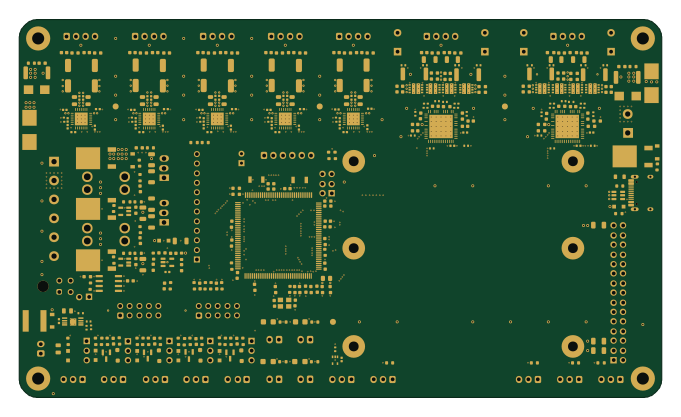 STM32
Leviathan
MotorDynamicsLab
170 × 100 mm406 parts4LGPL-3.0121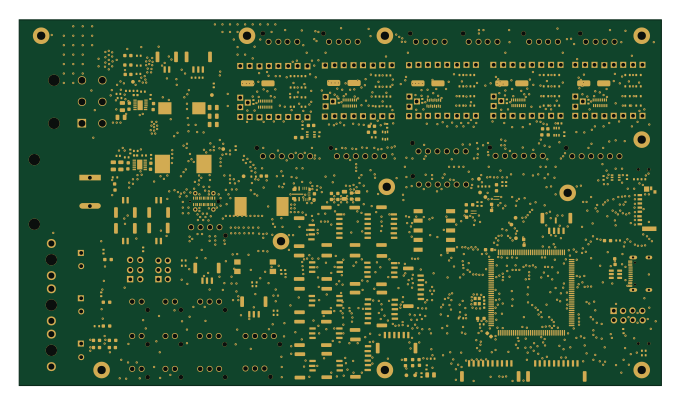 STM32
SmartPrintCoreH7x
BoltzRnD
170.1 × 96.9 mm530 parts2LGPL-3.089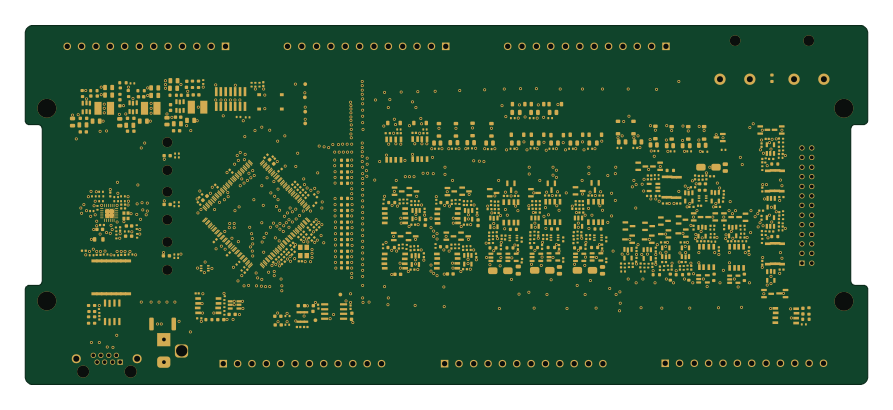 STM32
Analog i
deimoscontrols
223 × 95 mm568 parts4LNo license43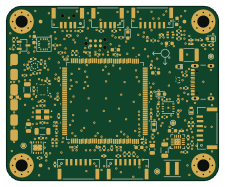 STM32
Shirley-FC-Dev-Board
Bare-Metal-Foundry
56 × 46 mm110 parts4LNo license31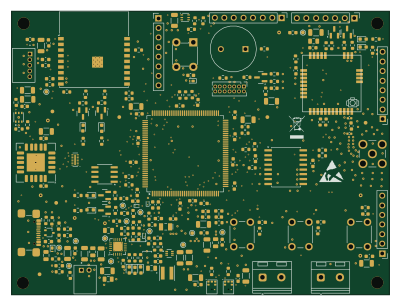 ESP32
OpenAirScope
emertcakir
100 × 75 mm247 parts4LMIT26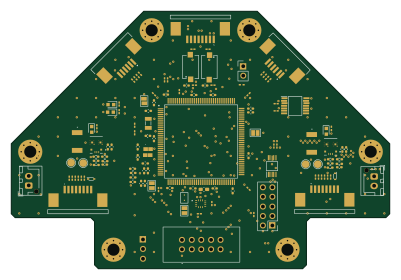 STM32
Mainboard
Jiggolino
100 × 68 mm118 parts4LCustom license1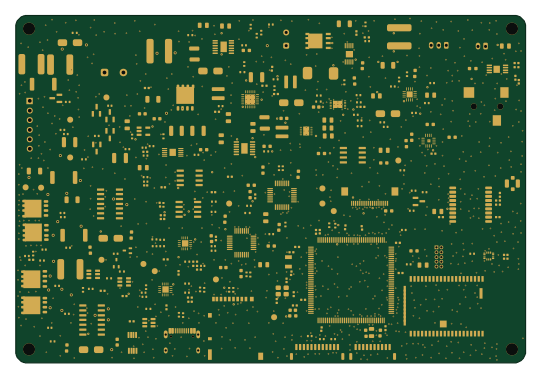 STM32
Mdx1
pingpongshow
135 × 92 mm306 parts4LCC-BY-NC-4.00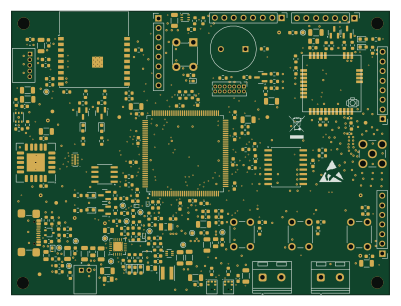 ESP32
IOT-project
datnguyenhcmut
100 × 75 mm247 parts4LMIT0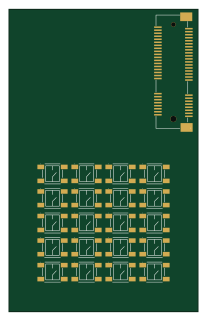 STM32
Flip phone
denglermoss
50 × 80 mm130 parts2LNo license0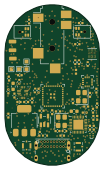 STM32
Serene Mini
cshariq
25 × 42.5 mm77 parts6LNo license0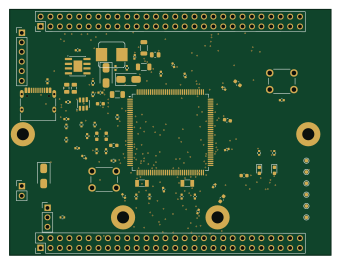 STM32
Hagent
changgeruoxiao
85 × 65 mm71 parts4LMIT0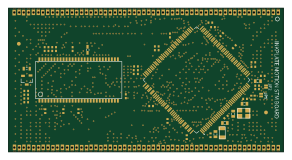 STM32
Soldered-Inkplate-MOTION-STM-board hardware design
SolderedElectronics
72.8 × 38 mm52 parts4LTAPR-OHL-1.00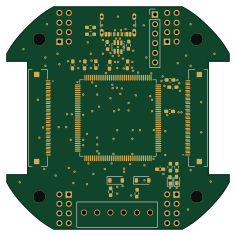 STM32
NavPoTS-Bridge
RuberDuck9
58.9 × 58.9 mm69 parts4LAGPL-3.00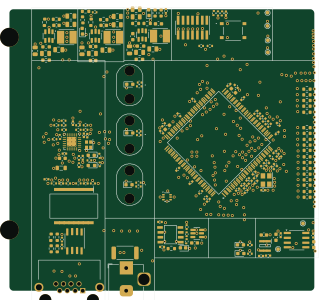 STM32
Stm32h7 base
80.7 × 74.5 mm191 parts4LNo license43
How designs wire the STM32H743ZIT6
Read from the KiCad layouts of 13 open source designs, one per repository: what each pin of the STM32H743ZIT6 connects to, and the resistors, capacitors and other passives placed on it.
- The VDD pins have a decoupling capacitor on 13 of 13 designs, most often 100 nF (then 4.7 µF).
- The VREF+ pin has a decoupling capacitor on 13 of 13 designs, most often 100 nF (then 1 µF).
- The VCAP pins have a capacitor to GND on 13 of 13 designs, most often 2.2 µF (then 100 nF).
- The VDDA pin has a decoupling capacitor on 11 of 13 designs, most often 100 nF (then 1 µF).
| Pin | Connected to | Parts on the pin |
|---|---|---|
| PE3pin 2 | Connected to: A connector 31% |
|
| VBATpin 6 | Connected to: 3.3V 77% · not connected 15% |
|
| PC14pin 8 | Connected to: Signal 85% · not connected 15% |
|
| PC15pin 9 | Connected to: Signal 69% · not connected 31% |
|
| PF1pin 11 | Connected to: A connector 23% · not connected 31% |
|
| VSSpin 16, 38, 51, 61, 83, 94, 107, 120, 130 | Connected to: GND 100% | — |
| VDDpin 17, 30, 39, 52, 62, 72, 84, 108, 121, 131, 144 | Connected to: 3.3V 100% |
|
| PH0pin 23 | Connected to: Signal 85% · not connected 15% |
|
| PH1pin 24 | Connected to: Signal 69% · not connected 31% |
|
| NRSTpin 25 | Connected to: A connector 69% |
|
| PC0pin 26 | Connected to: A connector 23% · not connected 31% |
|
| VSSApin 31 | Connected to: GND 100% | — |
| VREF+pin 32 | Connected to: 3.3V 62% · a signal 38% |
|
| VDDApin 33 | Connected to: 3.3V 77% · a signal 23% |
|
| PA0pin 34 | Connected to: A connector 38% |
|
| PA2pin 36 | Connected to: A connector 38% · not connected 15% |
|
| PA6pin 42 | Connected to: A connector 23% · not connected 15% |
|
| PF11pin 49 | Connected to: Not connected 62% · a signal 38% | — |
| PF12pin 50 | Connected to: Not connected 69% · a signal 31% | — |
| PF13pin 53 | Connected to: Not connected 69% · a signal 31% | — |
| PG1pin 57 | Connected to: Not connected 62% · a signal 38% | — |
| PE9pin 60 | Connected to: Signal 77% · not connected 23% |
|
| PB11pin 70 | Connected to: A connector 23% · not connected 23% |
|
| VCAPpin 71, 106 | Connected to: Signal 100% |
|
| PG2pin 87 | Connected to: A connector 23% · not connected 31% |
|
| PG3pin 88 | Connected to: A connector 31% · not connected 38% |
|
| PG7pin 92 | Connected to: Not connected 69% · a signal 31% | — |
| PG8pin 93 | Connected to: Not connected 62% · a signal 38% | — |
| VDD33_USBpin 95 | Connected to: 3.3V 100% |
|
| PC7pin 97 | Connected to: A connector 23% · not connected 38% |
|
| PA9pin 101 | Connected to: Signal 77% · not connected 23% |
|
| PD4pin 118 | Connected to: Not connected 62% · a signal 38% | — |
| PB6pin 136 | Connected to: A connector 31% · not connected 15% |
|
| PB7pin 137 | Connected to: A connector 23% · not connected 23% |
|
| BOOT0pin 138 | Connected to: A connector 23% |
|
| PB8pin 139 | Connected to: Signal 85% · not connected 15% |
|
| PB9pin 140 | Connected to: A connector 23% · not connected 15% |
|
88 more pins vary from design to design. Connections count pins, parts count designs; values in brackets are how many parts had that value. Designs read include Leviathan by MotorDynamicsLab, SmartPrintCoreH7x by BoltzRnD, Analog i by deimoscontrols and Shirley-FC-Dev-Board by Bare-Metal-Foundry.
The STM32H743ZIT6 in open source designs
The gallery holds 14 open source boards using the STM32H743ZIT6 from 13 GitHub repositories; a typical one measures about 92.5 × 74.7 mm and carries around 161 components.
86% use four copper layers or more, and 50% carry an open source license.
The most starred is Leviathan by MotorDynamicsLab.
Parts used alongside the STM32H743ZIT6
What boards using the STM32H743ZIT6 are built for
STM32H743ZIT6: common questions
Where can I find a STM32H743ZIT6 reference design?
Each of the 14 boards on this page is a real design using the STM32H743ZIT6. Open one to see how it is wired up, with the full BOM, a render of the layout and links to its KiCad files.
What decoupling capacitors do designs use on the STM32H743ZIT6 VDD pin?
The VDD pins have a decoupling capacitor on 13 of 13 designs, most often 100 nF (then 4.7 µF). Counted from the KiCad layouts of 13 open source designs using the STM32H743ZIT6.
What decoupling capacitors do designs use on the STM32H743ZIT6 VREF+ pin?
The VREF+ pin has a decoupling capacitor on 13 of 13 designs, most often 100 nF (then 1 µF). Counted from the KiCad layouts of 13 open source designs using the STM32H743ZIT6.
How is the STM32H743ZIT6 VCAP pin connected?
The VCAP pins have a capacitor to GND on 13 of 13 designs, most often 2.2 µF (then 100 nF). Counted from the KiCad layouts of 13 open source designs using the STM32H743ZIT6.
What parts are used alongside the STM32H743ZIT6?
The USBLC6-2SC6, DS3231M+TRL, EMIF06-MSD02N16, ESP32-C3-WROOM-02-N4 and LD39150DT33-R appear in the most repositories here.
Which microcontrollers do boards using the STM32H743ZIT6 use?
Most are built on STM32 (12) and ESP32 (2).
How big is a typical board using the STM32H743ZIT6?
The median is 92.5 × 74.7 mm, and 14% are two-layer designs.
What is the most popular open source board using the STM32H743ZIT6?
By GitHub stars, Leviathan by MotorDynamicsLab, with 121 stars.
Can I simulate one of these boards using the STM32H743ZIT6 before building it?
Yes. HardLabs turns a board's netlist and BOM into a working simulation, so you can boot and test firmware against it with no hardware on your desk.