
24 open source boards using the ATmega328P
Real designs built with the ATmega328P, from public GitHub projects: a quick way to see how others power, decouple and connect it. Each board comes with its KiCad files, full parts list and a render — and you can simulate its firmware on HardLabs.
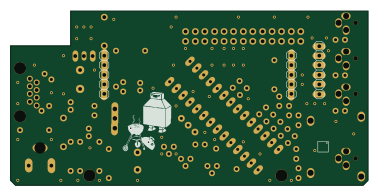 AVR/Arduino
HeaterMeterPI
CapnBry
94.6 × 46.1 mm63 partsMIT557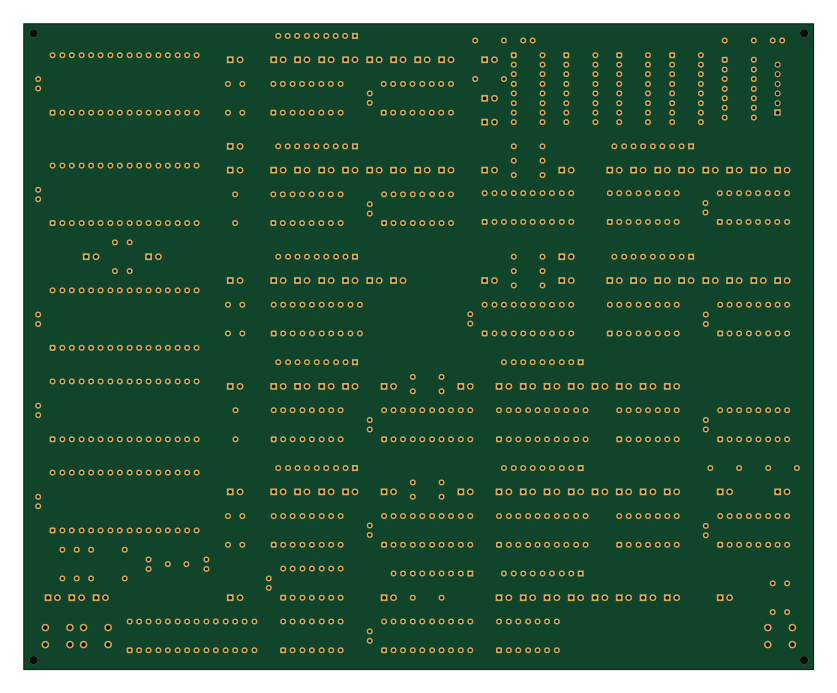 AVR/Arduino
Minimal-UART-Computer-3
slu4coder
208.9 × 170.8 mm202 parts2LNo license43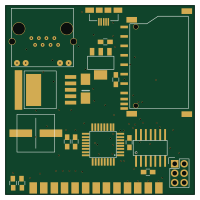 AVR/Arduino
PlipUltimate
tehKaiN
50 × 50 mm51 parts2LGPL-2.013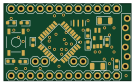 AVR/Arduino
Arduino pro mini KiCad5
sagarHackeD
33.7 × 20.3 mm18 parts2LGPL-3.09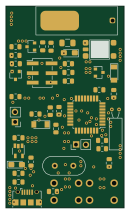 AVR/Arduino
Nanit
andykarpov
31.2 × 53.3 mm73 parts2LNo license6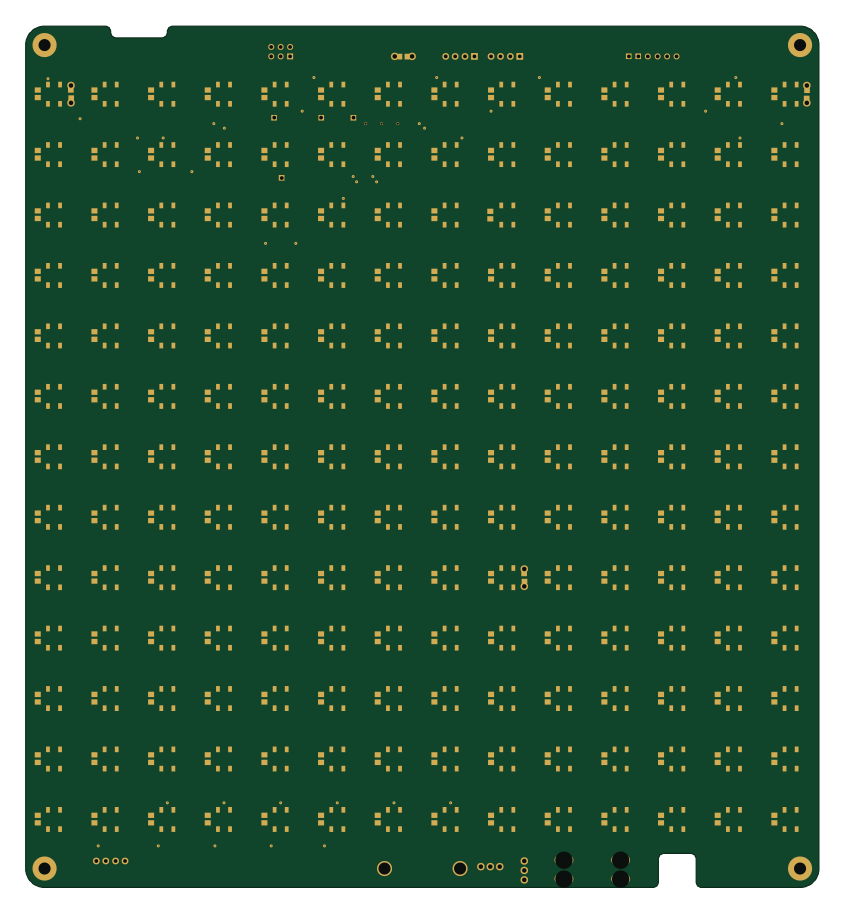 AVR/Arduino
ClockFOUR
wyolum
210 × 228 mm431 parts2LMIT3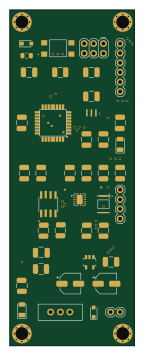 AVR/Arduino
Proximity Sensor Mother Board
eigenpi
33 × 88.9 mm40 parts2LNo license2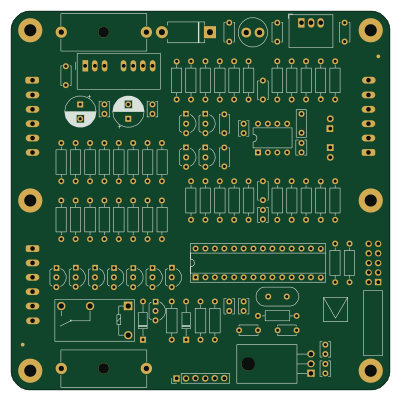 AVR/Arduino
Modulo-Two ARINC-429 Converter
morris6
100 × 100 mm97 parts2LNo license1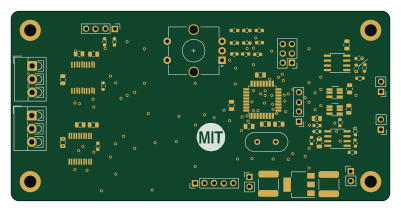 AVR/Arduino
PTDriver
wallaceowen
100 × 50 mm61 parts2LMIT1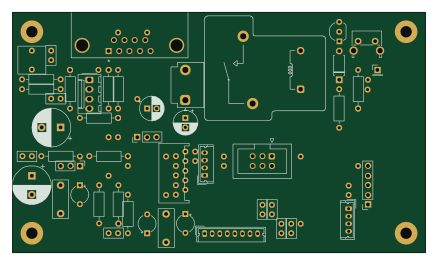 AVR/Arduino
Ofen v2
Ulf-vom-Mond
109.2 × 63.5 mm58 parts2LNo license1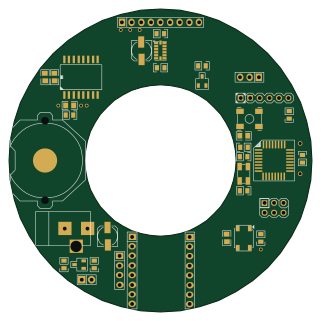 AVR/Arduino
Celeste
80 × 80 mm45 parts2LMIT1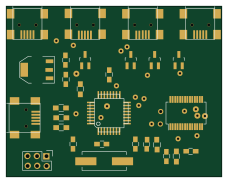 AVR/Arduino
TempLoggerNG
miree
56.9 × 45 mm29 parts2LGPL-2.01- schematic only · 99 partsAVR/Arduino
Bill-Of-Materials-Tools
Jesse-Millwood
99 partsNo license1 - schematic only · 7 partsAVR/Arduino
EIDEv3
mobiluckvn
7 partsNo license1 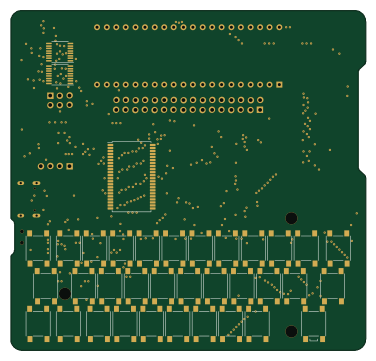 AVR/Arduino
8086-computer
EldadHellerman
94 × 90 mm146 parts2LNo license0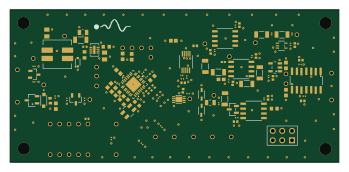 AVR/Arduino
BowelProbe
ashertok1
87.1 × 40.4 mm98 parts4LNo license0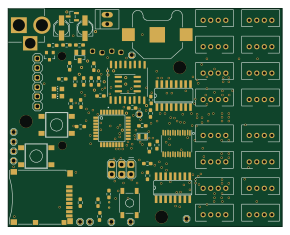 AVR/Arduino
MusselGapeTracker RevH
millerlp
72.5 × 57.8 mm82 parts2LGPL-3.00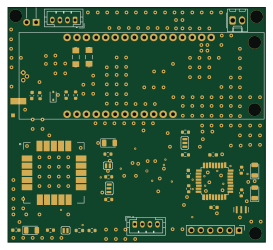 AVR/Arduino
Placa 2.0
LEOSProyecdodegardo
68 × 62 mm61 parts4LNo license0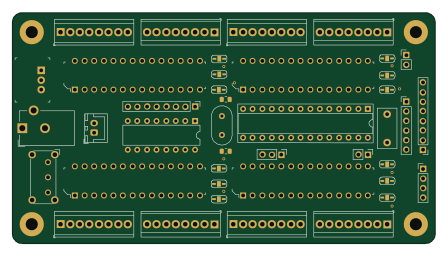 AVR/Arduino
Mark duino
MarkFromSales
111.8 × 61 mm41 parts4LUnlicense0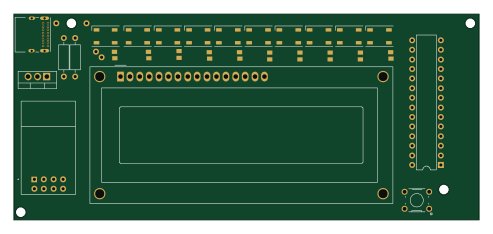 AVR/Arduino
Arduino-Wi-Fi-Signal-Strength-Tool
rajsinghtech
123.1 × 54.4 mm28 parts4LNo license0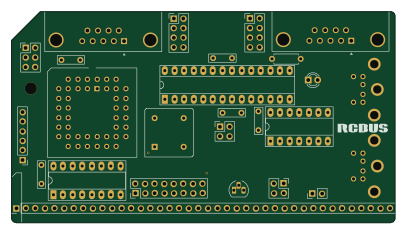 AVR/Arduino
KEMOJO
codesmythe
101.6 × 55.9 mm24 parts4LNo license0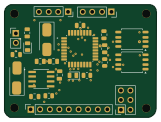 AVR/Arduino
Projet-MCU-Datalogger
GuillaumeLouis13
40.2 × 29.8 mm24 parts2LNo license0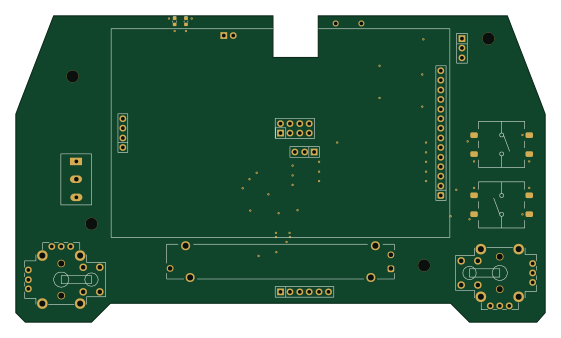 AVR/Arduino
Controller
le-flav-b
140 × 81 mm45 parts2LNo license1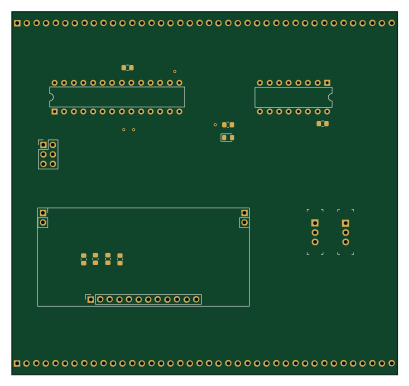 AVR/Arduino
NQSAP Output Display
TomNisbet
102 × 96 mm18 parts2LMIT18
How designs wire the ATmega328P
Read from the KiCad layouts of 22 open source designs, one per repository: what each pin of the ATmega328P connects to, and the resistors, capacitors and other passives placed on it.
- The VCC pins have a decoupling capacitor on 16 of 22 designs, most often 100 nF (then 1 µF).
- The PC6(/RESET) pin has a pull-up to 5V on 14 of 15 designs, most often 10 kΩ (then 2.2 kΩ).
- The AREF pin has a capacitor to GND on 12 of 22 designs, most often 100 nF (then 4.7 µF).
- The GND pins have a capacitor to GND on 10 of 22 designs, most often 22 pF (then 100 nF).
| Pin | Connected to | Parts on the pin |
|---|---|---|
| PD3pin 1 | Connected to: A connector 32% |
|
| GNDpin 3, 5, 8, 21 | Connected to: GND 58% · a signal 33% |
|
| VCCpin 4, 6, 7 | Connected to: 5V 48% · a signal 42% |
|
| AVCCpin 18 | Connected to: 3.3V 59% · a signal 36% |
|
| AREFpin 20 | Connected to: Signal 45% · not connected 18% · 5V 36% |
|
| PC4pin 27 | Connected to: A connector 36% · not connected 18% |
|
| PC5pin 28 | Connected to: A connector 36% |
|
| PC6(/RESET)pin 29 | Connected to: A connector 87% |
|
16 more pins vary from design to design. Connections count pins, parts count designs; values in brackets are how many parts had that value. Designs read include HeaterMeterPI by CapnBry, Minimal-UART-Computer-3 by slu4coder, NQSAP Output Display by TomNisbet and PlipUltimate by tehKaiN.
The ATmega328P in open source designs
The gallery holds 24 open source boards using the ATmega328P from 24 GitHub repositories; a typical one measures about 94.3 × 59.4 mm and carries around 55 components.
76% are two-layer designs, the rest use four layers or more, and 42% carry an open source license.
The most starred is HeaterMeterPI by CapnBry.
Parts used alongside the ATmega328P
Microcontrollers on boards using the ATmega328P
What boards using the ATmega328P are built for
ATmega328P: common questions
Where can I find a ATmega328P reference design?
Each of the 24 boards on this page is a real design using the ATmega328P. Open one to see how it is wired up, with the full BOM, a render of the layout and links to its KiCad files.
What decoupling capacitors do designs use on the ATmega328P VCC pin?
The VCC pins have a decoupling capacitor on 16 of 22 designs, most often 100 nF (then 1 µF). Counted from the KiCad layouts of 22 open source designs using the ATmega328P.
What pull-up resistor is used on the ATmega328P PC6(/RESET) pin?
The PC6(/RESET) pin has a pull-up to 5V on 14 of 15 designs, most often 10 kΩ (then 2.2 kΩ). Counted from the KiCad layouts of 22 open source designs using the ATmega328P.
How is the ATmega328P AREF pin connected?
The AREF pin has a capacitor to GND on 12 of 22 designs, most often 100 nF (then 4.7 µF). Counted from the KiCad layouts of 22 open source designs using the ATmega328P.
What parts are used alongside the ATmega328P?
The 74HC165, 74HC32, 74HC595, AMS1117-3.3 and DS3231N appear in the most repositories here.
Which microcontrollers do boards using the ATmega328P use?
Most are built on AVR/Arduino (24).
How big is a typical board using the ATmega328P?
The median is 94.3 × 59.4 mm, and 76% are two-layer designs.
What is the most popular open source board using the ATmega328P?
By GitHub stars, HeaterMeterPI by CapnBry, with 557 stars.
Can I simulate one of these boards using the ATmega328P before building it?
Yes. HardLabs turns a board's netlist and BOM into a working simulation, so you can boot and test firmware against it with no hardware on your desk.