
110 open source boards using the ATMEGA32U4
Real designs built with the ATMEGA32U4, from public GitHub projects: a quick way to see how others power, decouple and connect it. Each board comes with its KiCad files, full parts list and a render — and you can simulate its firmware on HardLabs.
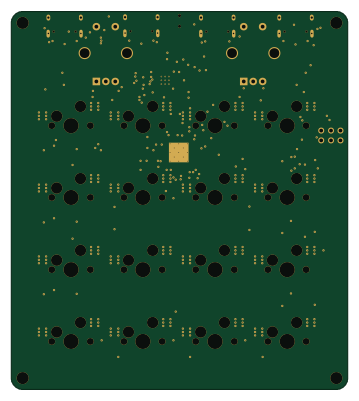 AVR/Arduino
Hub16
joshajohnson
89 × 100 mm121 parts2LCERN-OHL-1.2387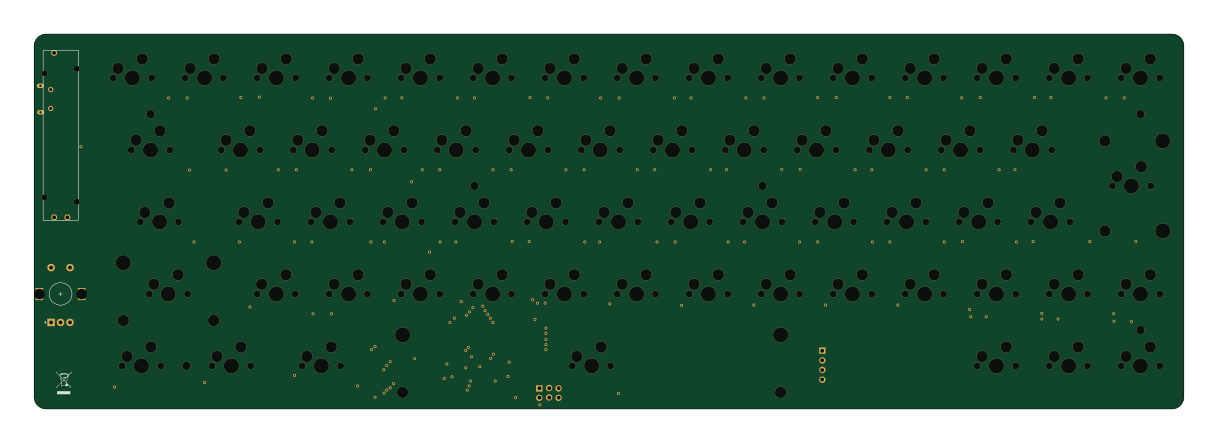 AVR/Arduino
Pheromone keyboard
luantty2
304 × 99 mm146 parts2LNo license286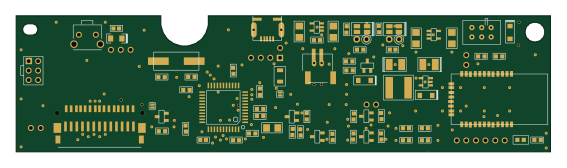 AVR/Arduino
HHKB controller
tmk
141.5 × 36 mm92 parts2LCustom license260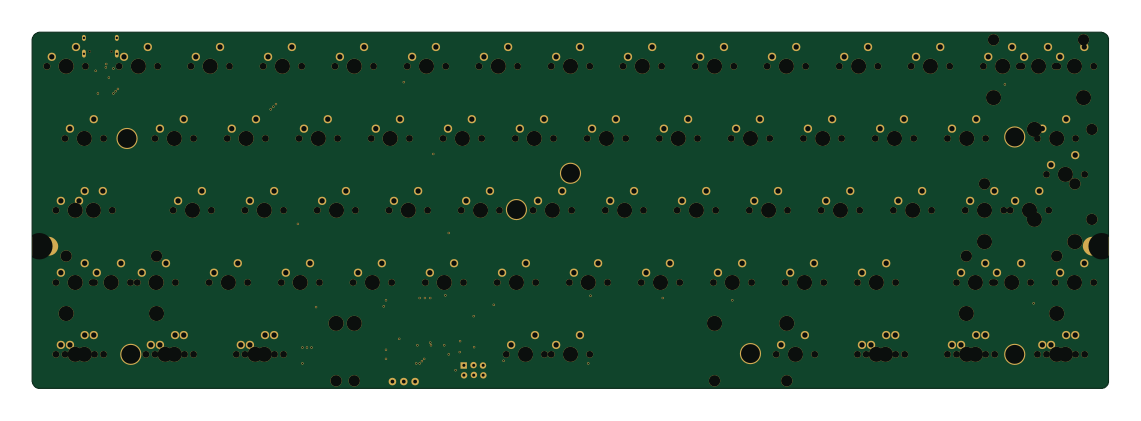 AVR/Arduino
Plain60-c
evyd13
284.7 × 94.2 mm175 parts2LCC-BY-SA-4.0229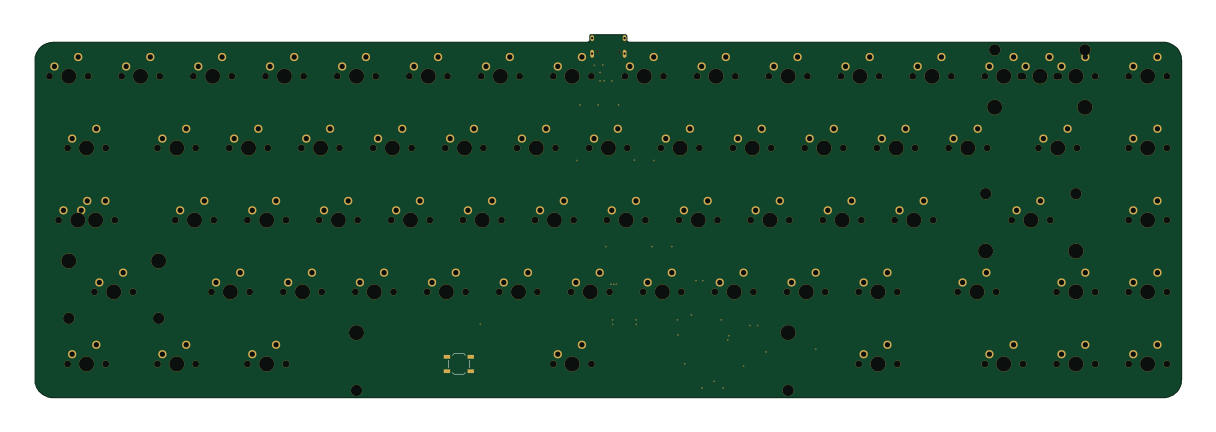 AVR/Arduino
Kyuu
Quantrik
303.6 × 96.2 mm153 parts2LCC-BY-NC-4.0126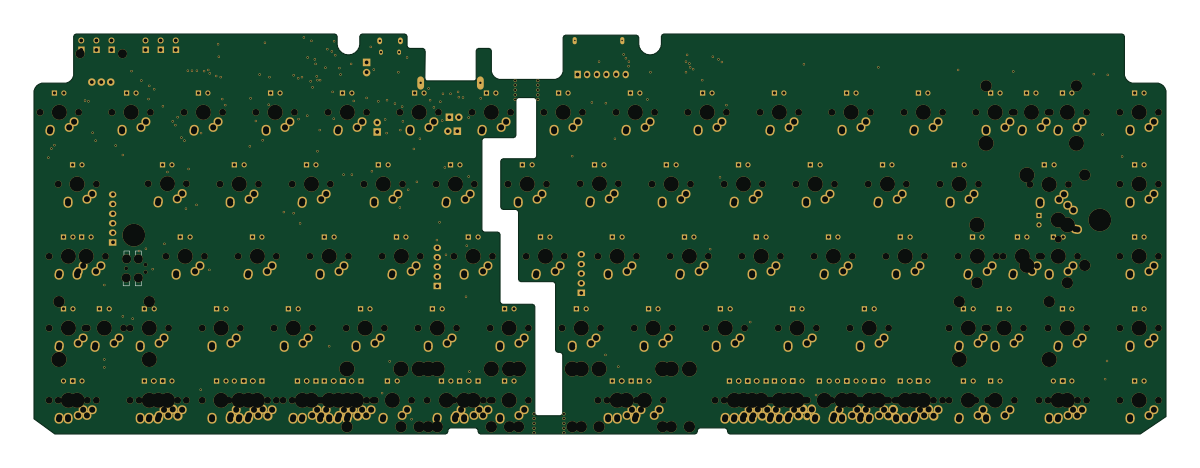 AVR/Arduino
TS65AVR
mohitg11
299.5 × 105.8 mm428 partsNo license119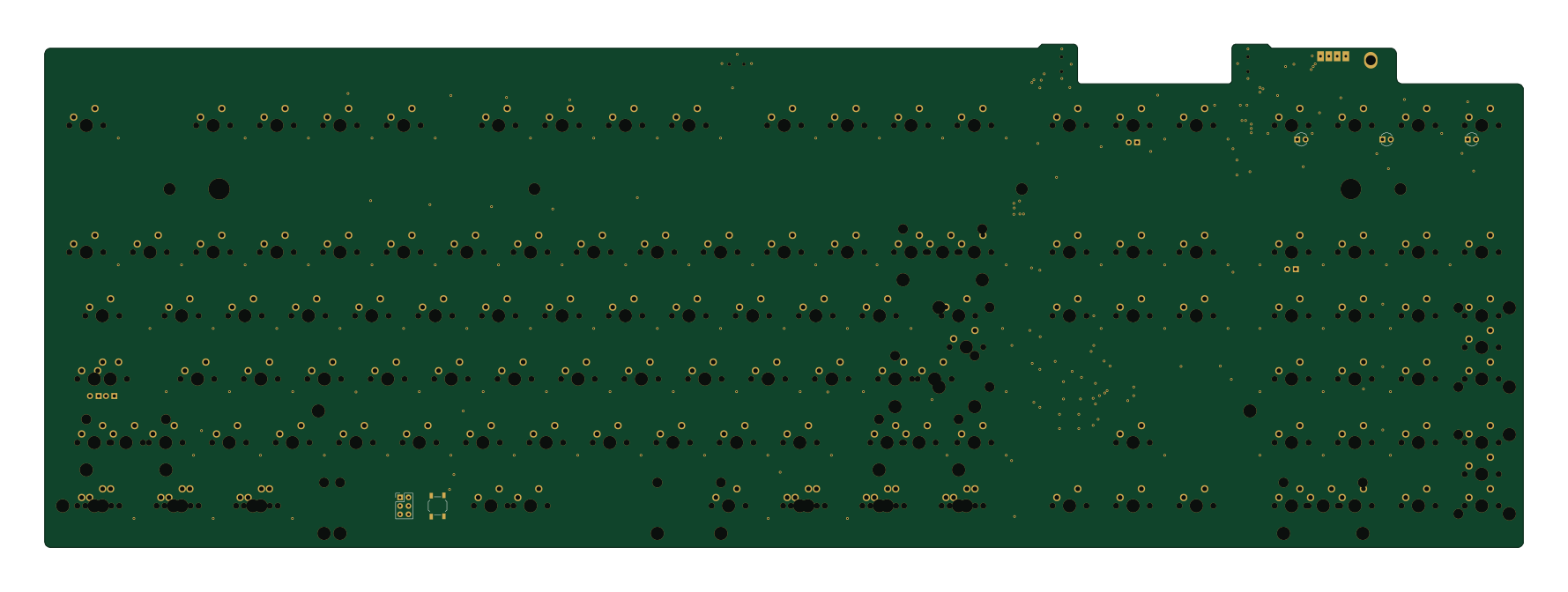 AVR/Arduino
Gh80-3003
444.1 × 151.2 mm276 parts2LCC-BY-SA-4.069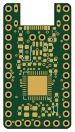 AVR/Arduino
0xCB-Pluto
0xCB-dev
17.8 × 33 mm26 parts2LCustom license61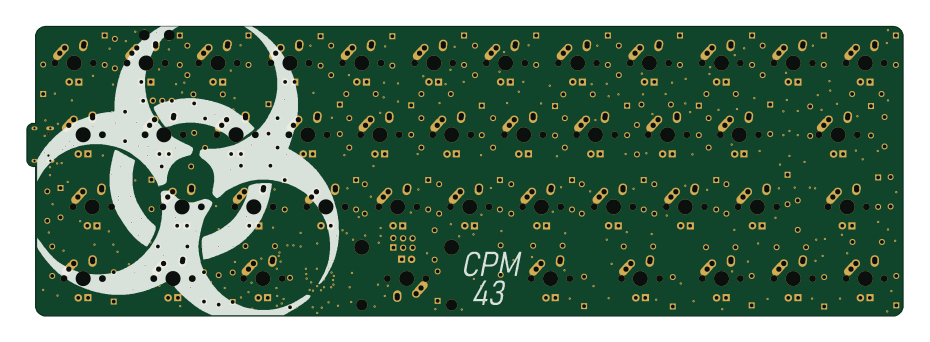 AVR/Arduino
Cpm43
Gtrx0
232.2 × 76.7 mm184 parts2LCERN-OHL-1.260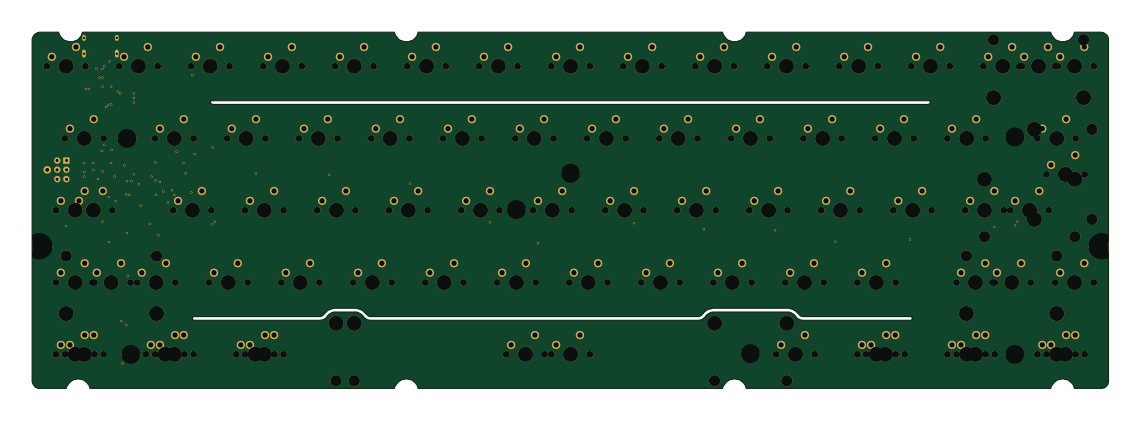 AVR/Arduino
Plain60-flex edition
284.7 × 94.2 mm173 parts2LCC-BY-SA-4.057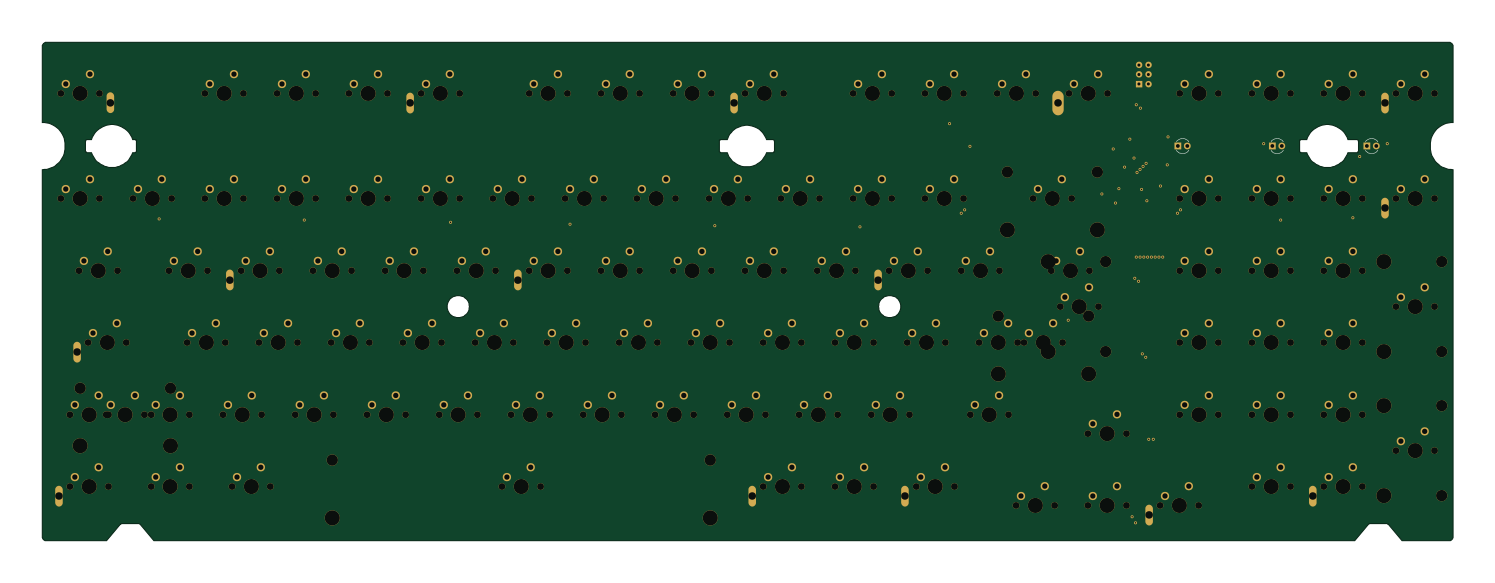 AVR/Arduino
Nt980
373.2 × 131.8 mm225 parts2LCC-BY-SA-4.056 AVR/Arduino
Alvaro
Kaleidogeist
17.8 × 33 mm26 parts2LApache-2.053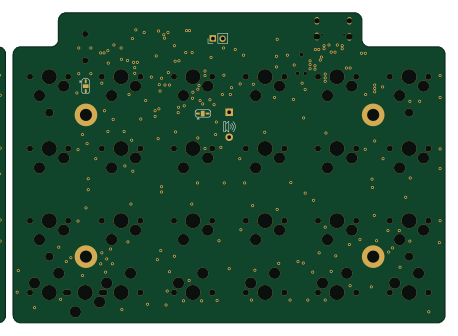 AVR/Arduino
Vitamins included
Duckle29
114.3 × 82 mm150 parts2LBSD-3-Clause49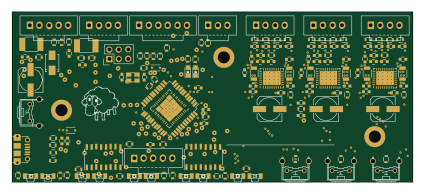 AVR/Arduino
MM-control-2.0
prusa3d
106 × 45 mm161 parts4LNo license42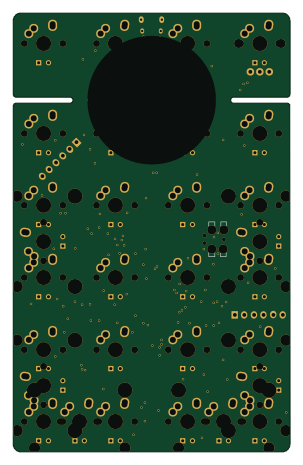 AVR/Arduino
SAMPad
73.2 × 116 mm149 parts2LNo license25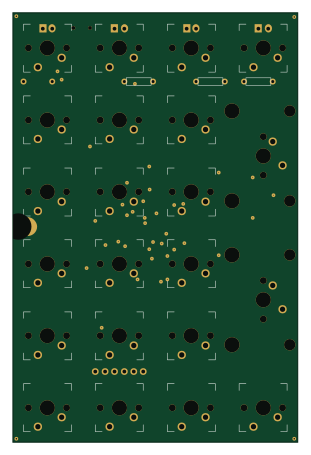 AVR/Arduino
4x6
regack
75.4 × 113.7 mm79 partsNo license21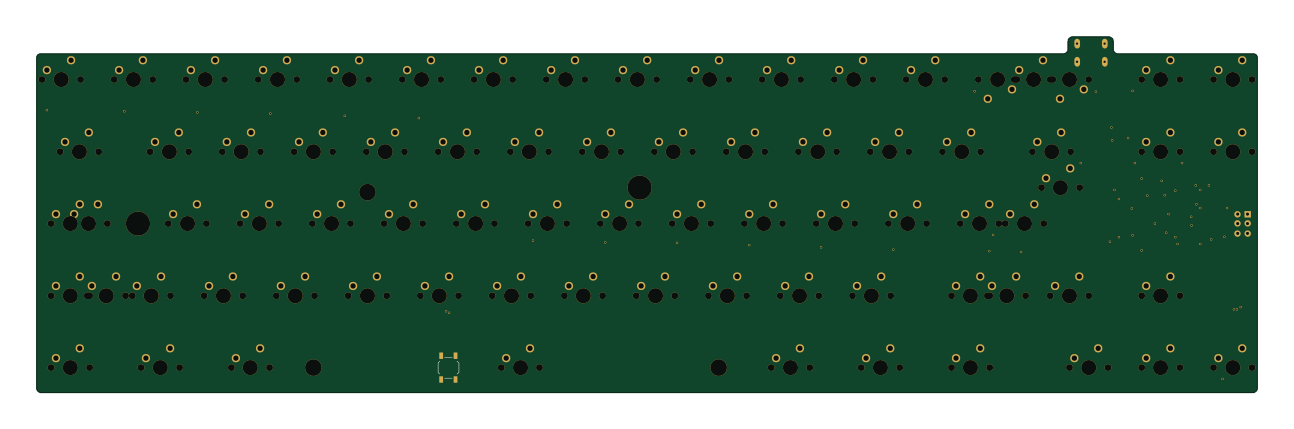 AVR/Arduino
Solheim68
323 × 94.1 mm164 parts2LGPL-3.019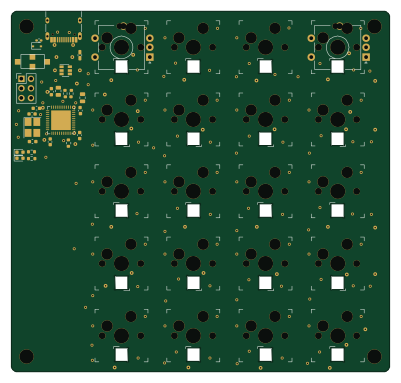 AVR/Arduino
DaNumPad - Glow 20
TweetyDaBird
100 × 95.3 mm93 parts2LCustom license19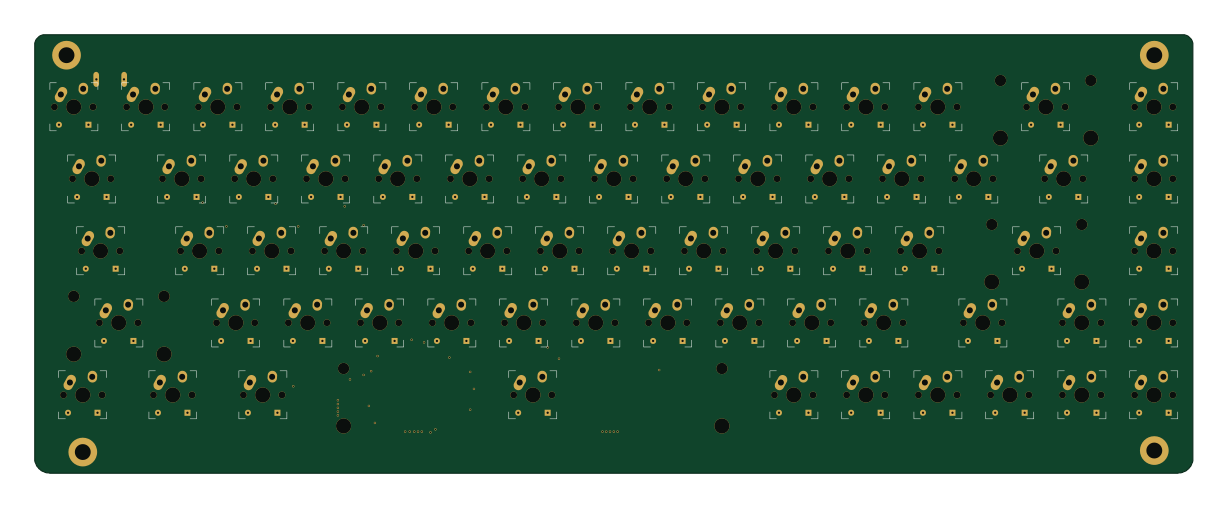 AVR/Arduino
60pc
Connor-Devitt
306.5 × 116 mm153 parts2LNo license15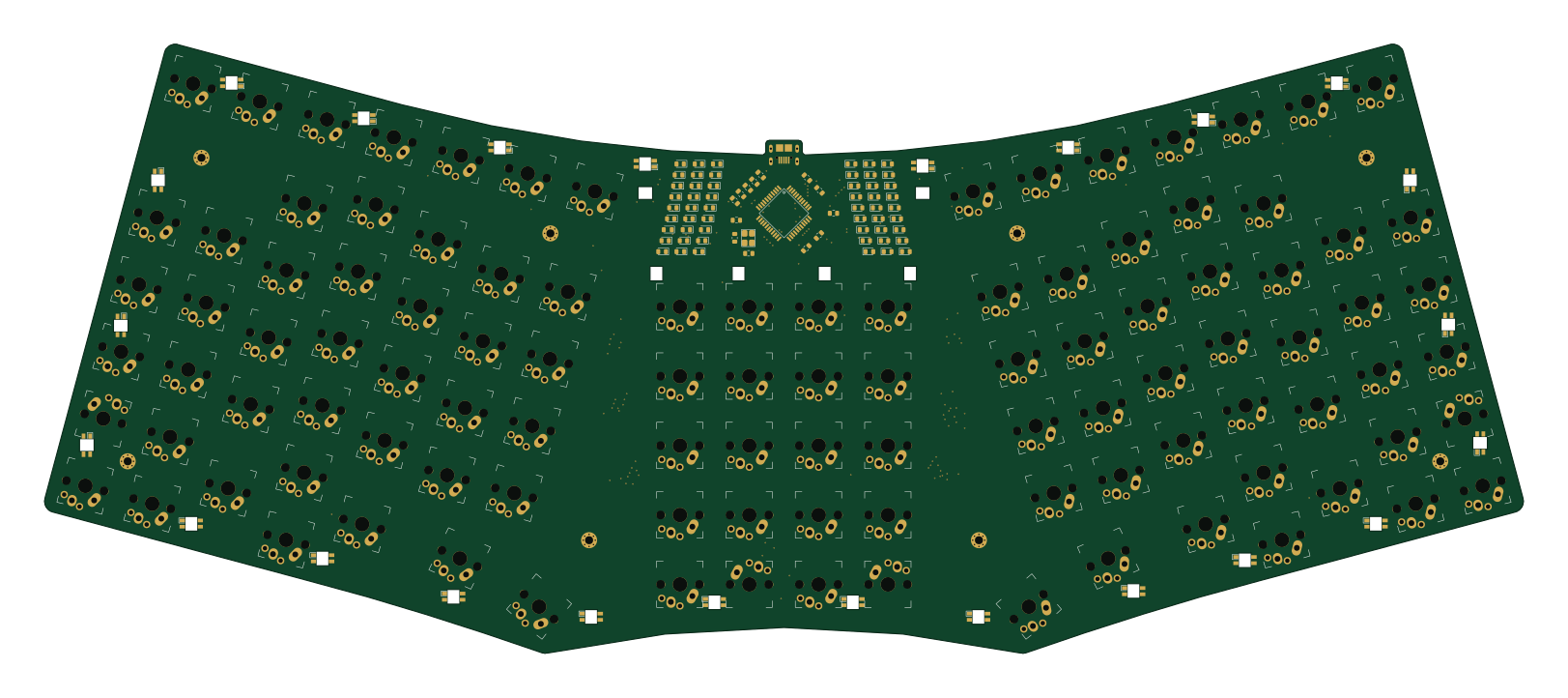 AVR/Arduino
Protocol seven
dotleon
405.1 × 166.8 mm259 parts2LNo license14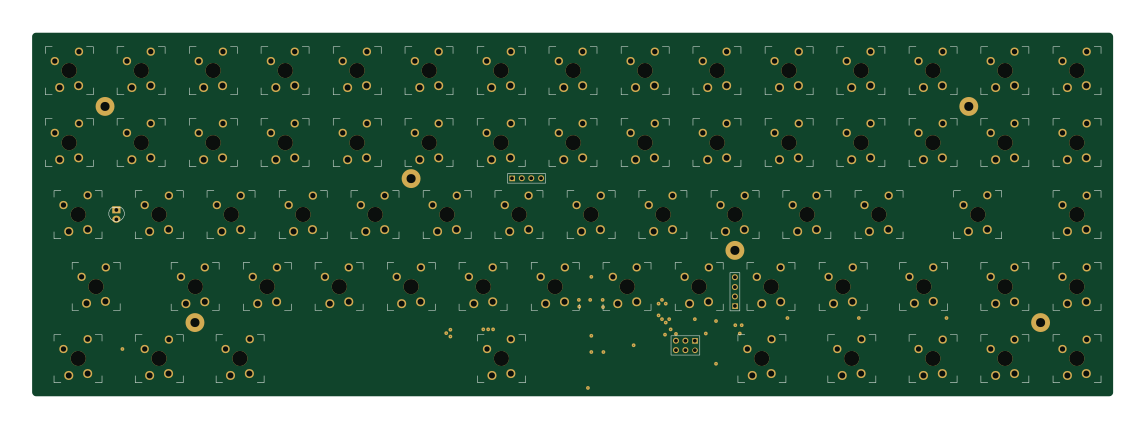 AVR/Arduino
Matt3o-CA
agodinhost
286.1 × 96.2 mm156 partsNo license14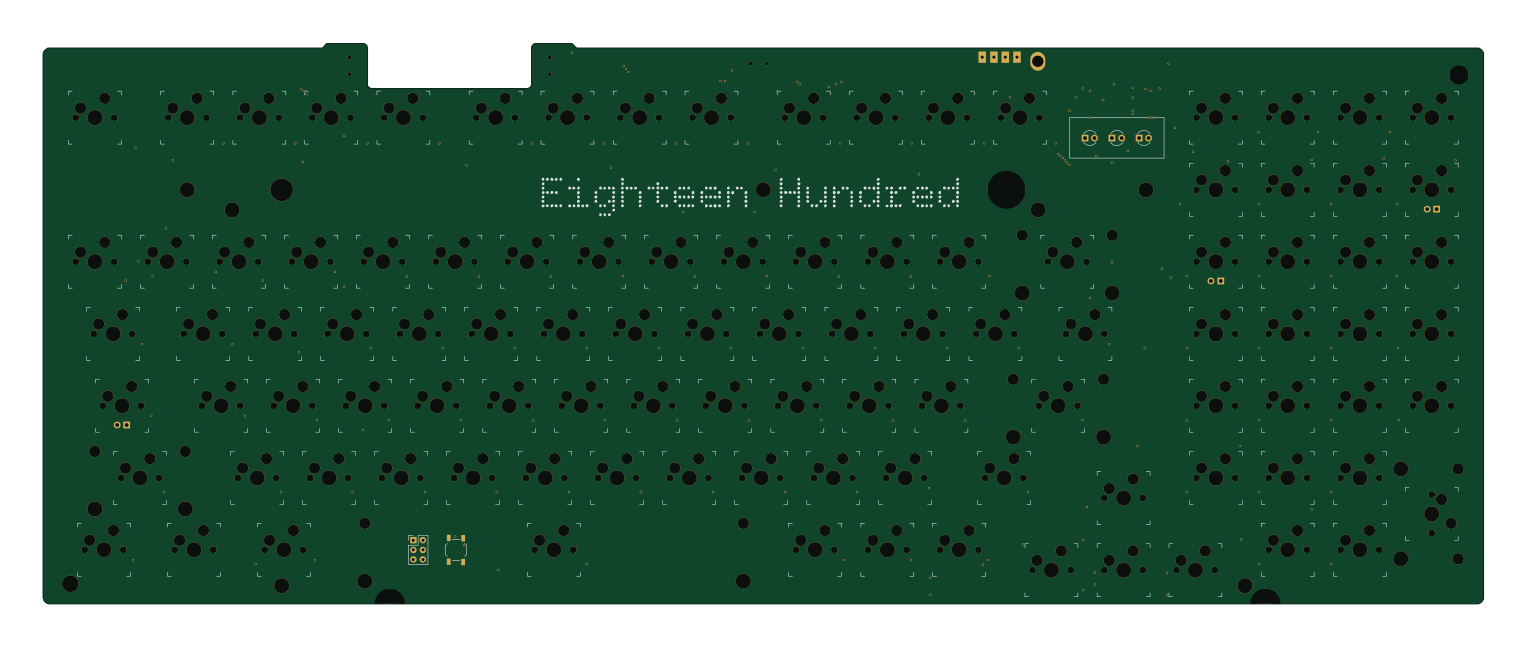 AVR/Arduino
Gh80-1800
retoid
381 × 148.2 mm246 parts2LNo license12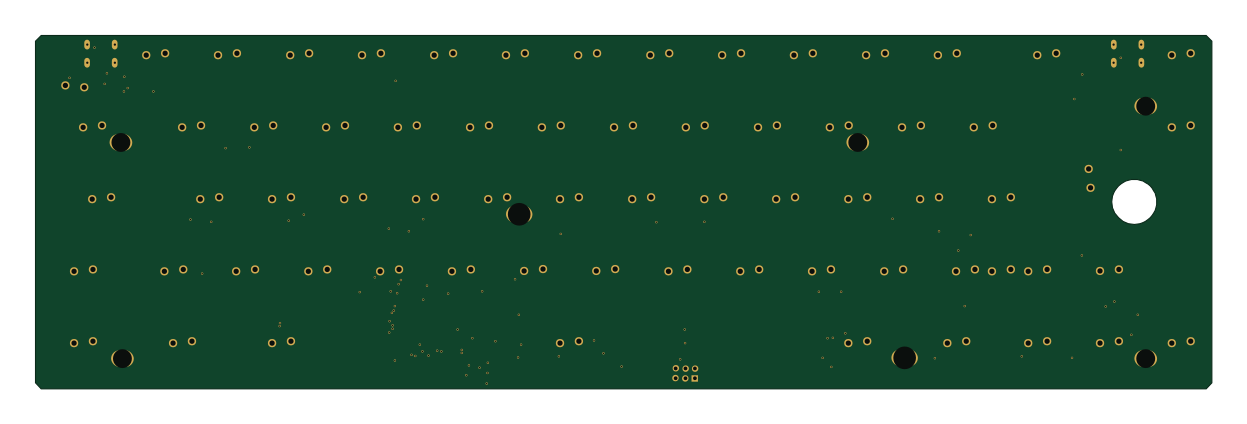 AVR/Arduino
Cyclops
westfoxtrot
311.4 × 93.5 mm152 parts2LCC-BY-SA-4.012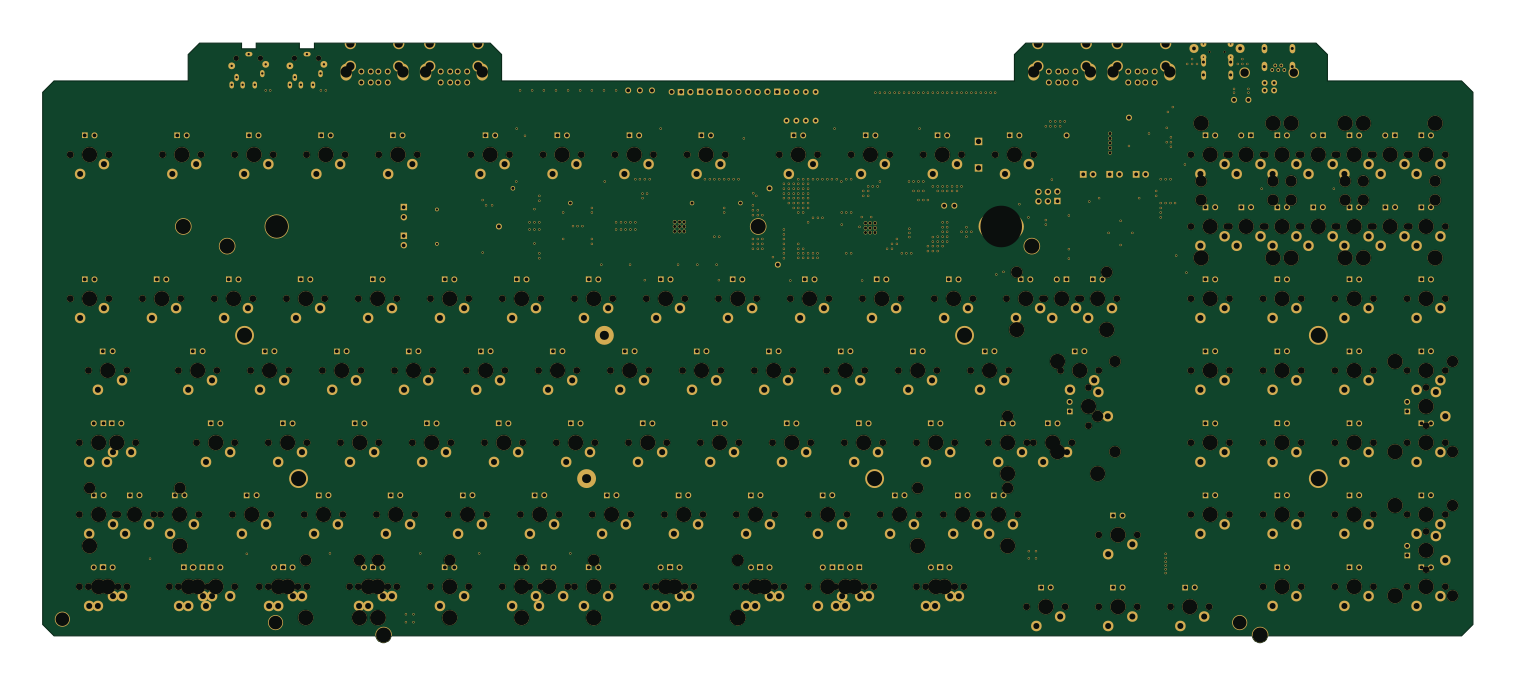 AVR/Arduino
LeeChee
Gacathon
378.4 × 156.9 mm556 parts2LNo license9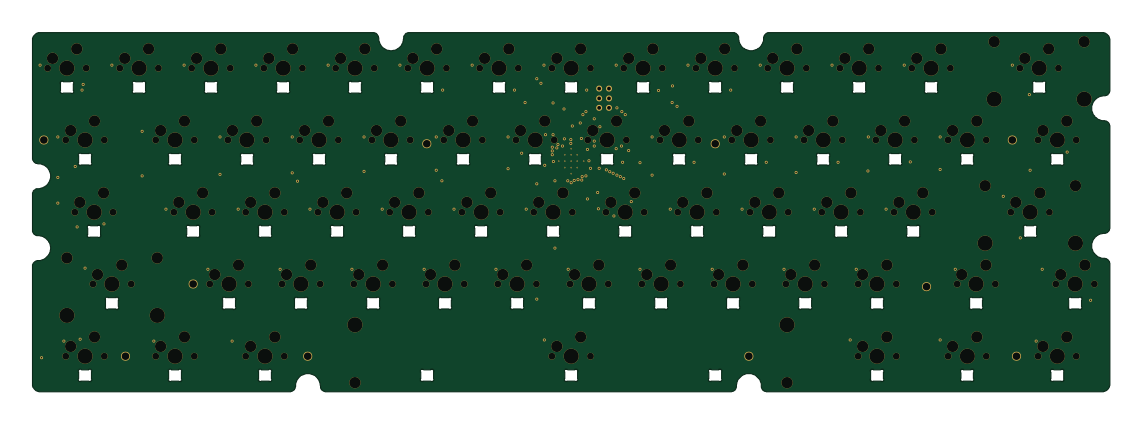 AVR/Arduino
Synth Labs 060 Hotswap RGB
285 × 95 mm176 parts2LCustom license9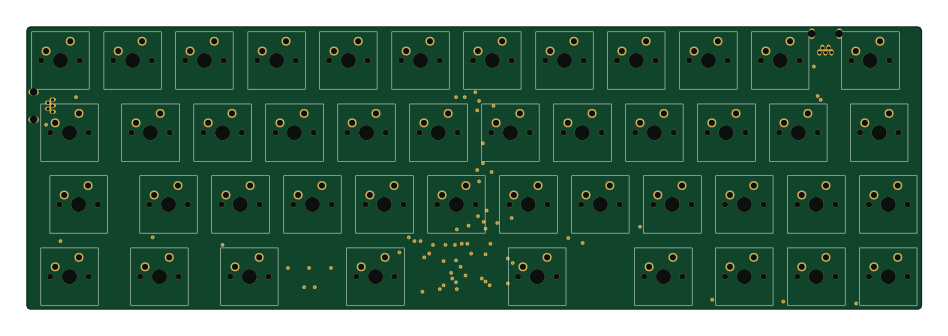 AVR/Arduino
Ma42
anschwa
236.7 × 74.7 mm107 parts2LMIT9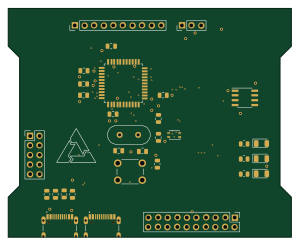 AVR/Arduino
Phone test jig
kcxt
75 × 60.6 mm32 parts4LGPL-3.09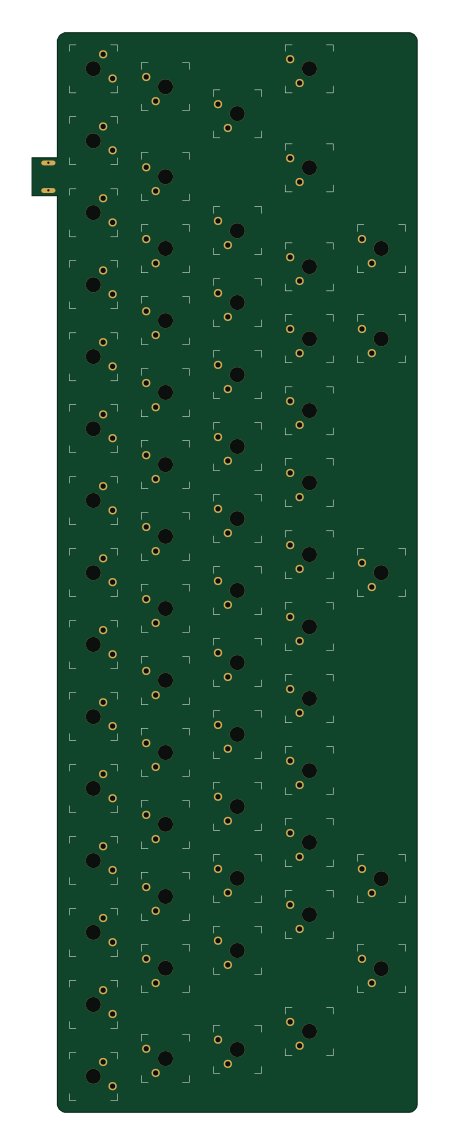 AVR/Arduino
Hhkb
jinhwanlazy
101.9 × 285.8 mm136 parts2LNo license8- schematic only · 69 partsAVR/Arduino
Thotcon0x5
Workshop88
69 partsNo license7 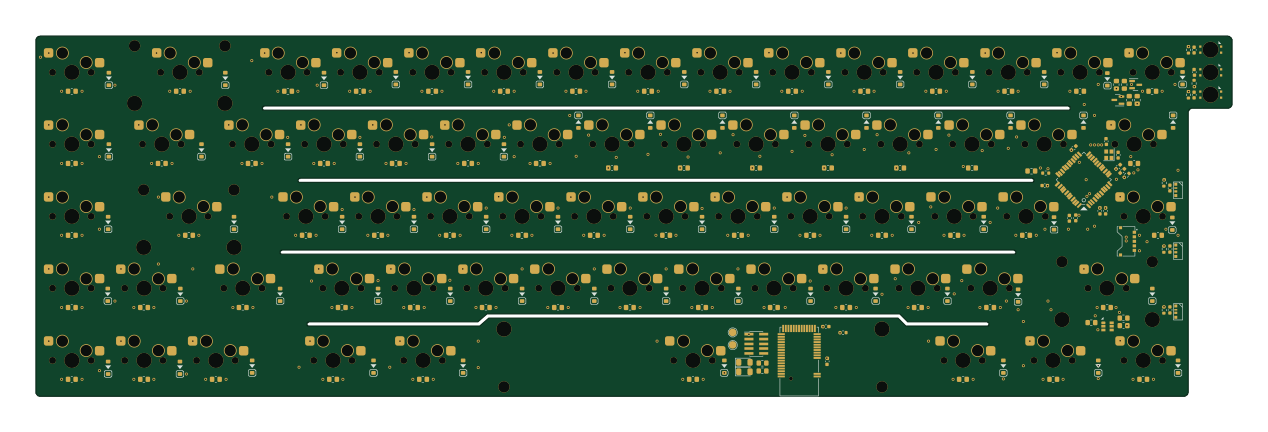 Nordic nRF
Luna65
NeilKhera
316.4 × 95.3 mm321 parts2LCustom license6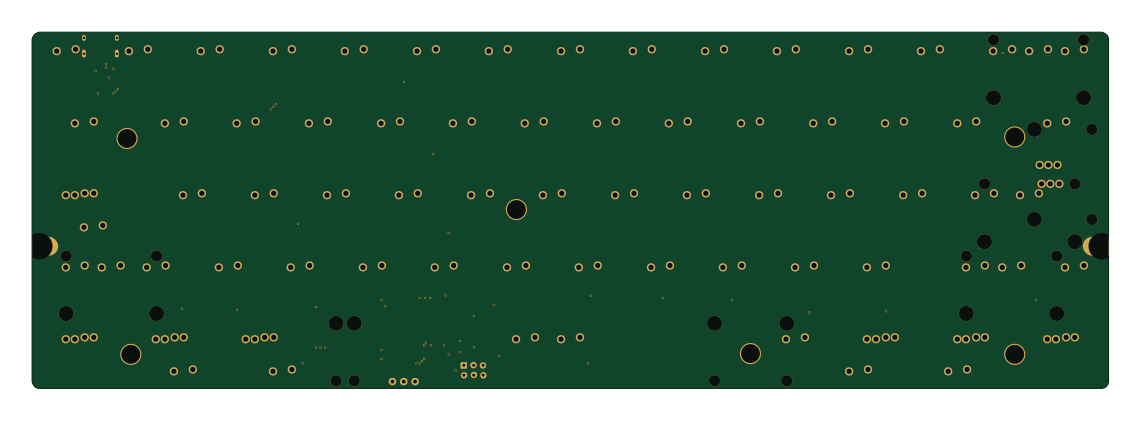 AVR/Arduino
Plain60-alps edition
284.7 × 94.2 mm181 parts2LCC-BY-SA-4.06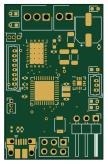 AVR/Arduino
Driverino
weirdgyn
26 × 41 mm73 parts2LGPL-3.06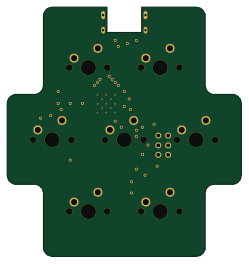 AVR/Arduino
TutelPad
61.9 × 65.9 mm38 parts2LCustom license6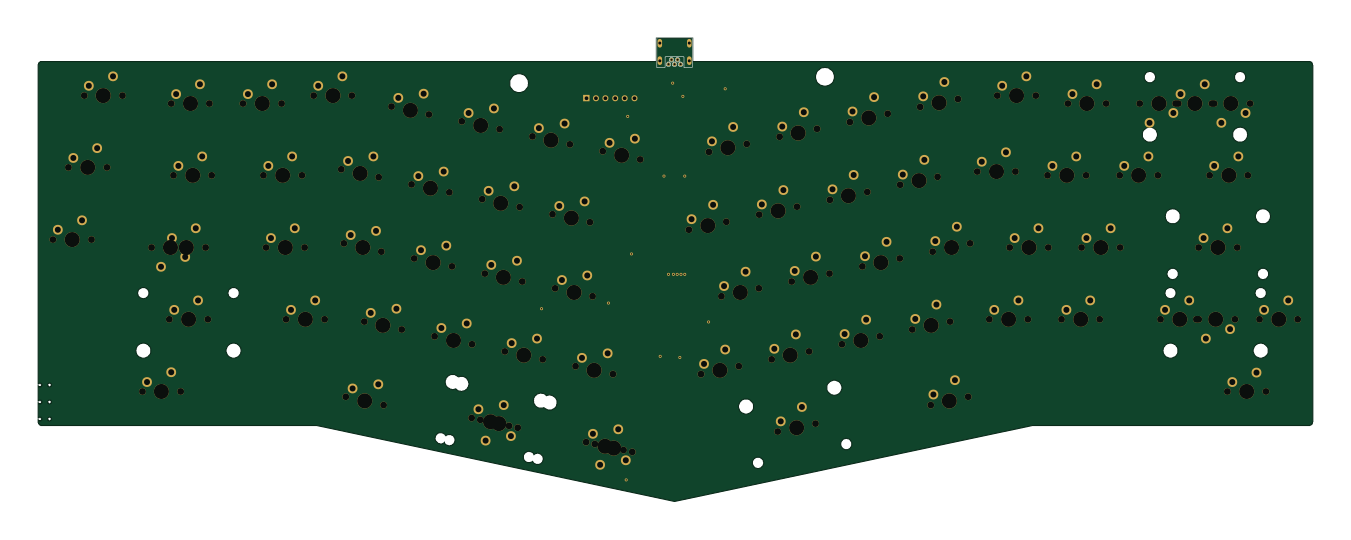 AVR/Arduino
Mad hatter
raphaelfaria
337.2 × 122.6 mm154 parts2LCC-BY-NC-4.05 AVR/Arduino
Snuadc
vitaldb
61.2 × 22.2 mm84 parts2LNo license5 AVR/Arduino
0xCB-micro
25 × 29.6 mm29 parts4LCustom license5
How designs wire the ATMEGA32U4
Read from the KiCad layouts of 73 open source designs, one per repository: what each pin of the ATMEGA32U4 connects to, and the resistors, capacitors and other passives placed on it.
- The XTAL2 pin has a crystal on 71 of 72 designs, most often 16 MHz (then 8 MHz).
- The XTAL1 pin has a crystal on 71 of 72 designs, most often 16 MHz (then 8 MHz).
- The D- pin has a series resistor on 69 of 73 designs, most often 22 Ω.
- The D+ pin has a series resistor on 69 of 72 designs, most often 22 Ω.
| Pin | Connected to | Parts on the pin |
|---|---|---|
| UVCCpin 2 | Connected to: VCC 89% |
|
| D-pin 3 | Connected to: Signal 99% |
|
| D+pin 4 | Connected to: Signal 100% |
|
| UGNDpin 5 | Connected to: GND 96% | — |
| UCAPpin 6 | Connected to: Signal 96% |
|
| VBUSpin 7 | Connected to: VCC 92% |
|
| RESETpin 13 | Connected to: A connector 64% |
|
| VCCpin 14, 34 | Connected to: VCC 92% |
|
| GNDpin 15, 23, 35, 43 | Connected to: GND 94% | — |
| XTAL2pin 16 | Connected to: Signal 100% |
|
| XTAL1pin 17 | Connected to: Signal 100% |
|
| AVCCpin 24, 44 | Connected to: VCC 89% |
|
| (~HWB~)PE2pin 33 | Connected to: Signal 92% |
|
| AREFpin 42 | Connected to: Not connected 68% · a signal 28% | — |
25 more pins vary from design to design. Connections count pins, parts count designs; values in brackets are how many parts had that value. Designs read include Hub16 by joshajohnson, Pheromone keyboard by luantty2, HHKB controller by tmk and Plain60-c by evyd13.
The ATMEGA32U4 in open source designs
The gallery holds 110 open source boards using the ATMEGA32U4 from 74 GitHub repositories; a typical one measures about 229.4 × 94.2 mm and carries around 140 components.
95% are two-layer designs, the rest use four layers or more, and 48% carry an open source license.
The most starred is Hub16 by joshajohnson.
Parts used alongside the ATMEGA32U4
Microcontrollers on boards using the ATMEGA32U4
What boards using the ATMEGA32U4 are built for
ATMEGA32U4: common questions
Where can I find a ATMEGA32U4 reference design?
Each of the 110 boards on this page is a real design using the ATMEGA32U4. Open one to see how it is wired up, with the full BOM, a render of the layout and links to its KiCad files.
How is the ATMEGA32U4 XTAL2 pin connected?
The XTAL2 pin has a crystal on 71 of 72 designs, most often 16 MHz (then 8 MHz). Counted from the KiCad layouts of 73 open source designs using the ATMEGA32U4.
How is the ATMEGA32U4 XTAL1 pin connected?
The XTAL1 pin has a crystal on 71 of 72 designs, most often 16 MHz (then 8 MHz). Counted from the KiCad layouts of 73 open source designs using the ATMEGA32U4.
What resistor goes on the ATMEGA32U4 D- pin?
The D- pin has a series resistor on 69 of 73 designs, most often 22 Ω. Counted from the KiCad layouts of 73 open source designs using the ATMEGA32U4.
What parts are used alongside the ATMEGA32U4?
The USBLC6-2SC6, 74HC595, PRTR5V0U2X, TMC2130-LA and 74HC138 appear in the most repositories here.
Which microcontrollers do boards using the ATMEGA32U4 use?
Most are built on AVR/Arduino (107) and Nordic nRF (3).
How big is a typical board using the ATMEGA32U4?
The median is 229.4 × 94.2 mm, and 95% are two-layer designs.
What is the most popular open source board using the ATMEGA32U4?
By GitHub stars, Hub16 by joshajohnson, with 387 stars.
Can I simulate one of these boards using the ATMEGA32U4 before building it?
Yes. HardLabs turns a board's netlist and BOM into a working simulation, so you can boot and test firmware against it with no hardware on your desk.