
51 open source boards using the LM555xN
Real designs built with the LM555xN, from public GitHub projects: a quick way to see how others power, decouple and connect it. Each board comes with its KiCad files, full parts list and a render — and you can simulate its firmware on HardLabs.
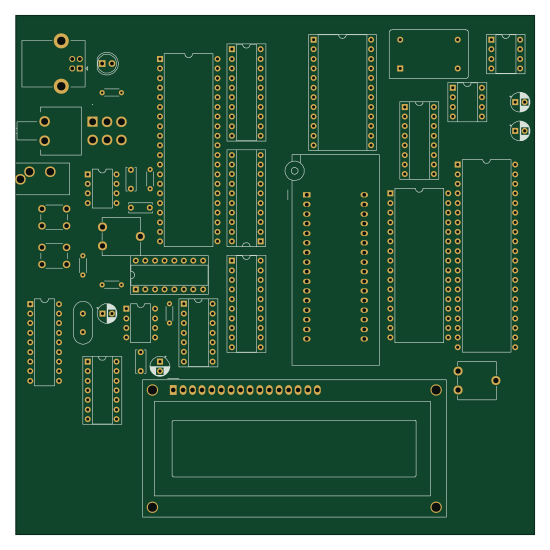
Civil25
raleighslack
137.2 × 137.2 mm40 parts2LApache-2.06- schematic only · 48 parts
Bent wavefield
wenbakefield
48 partsNo license6 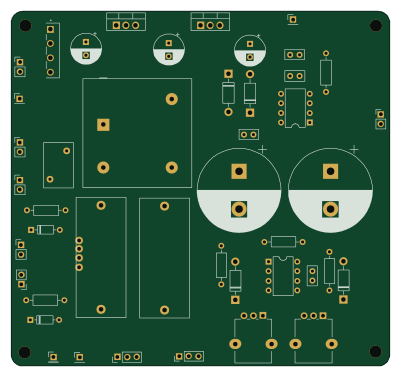
Self-Tuning-SSTC
Firestorm108
100 × 93.7 mm44 parts2LNo license4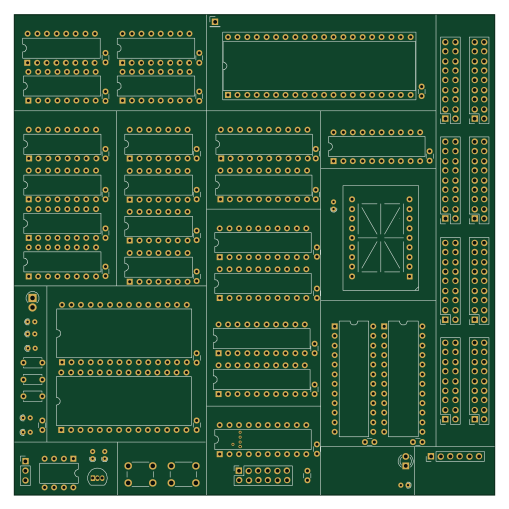
Tom-1
tcr
127 × 127 mm83 parts4LNo license3- schematic only · 64 parts
Squarely
Broosky
64 partsNo license2 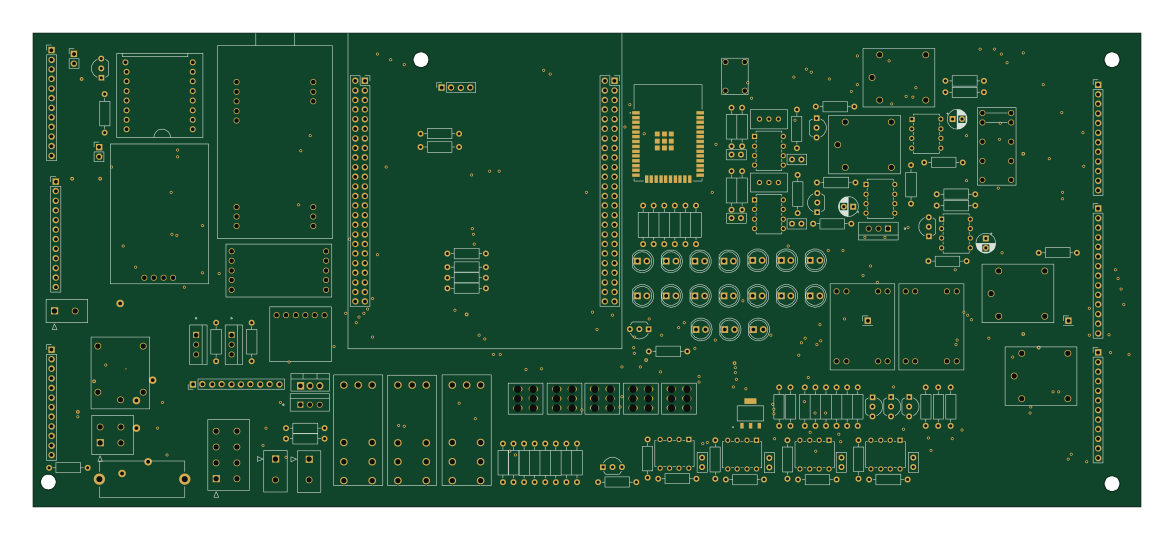 ESP32
LV PCB
luftaquila
293.1 × 125.3 mm159 parts2LNo license1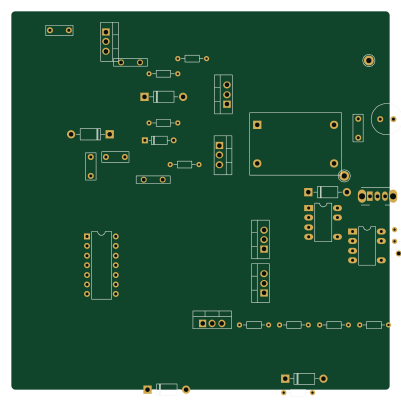 AVR/Arduino
SDG3
christopherwj
100 × 100 mm73 parts2LNo license1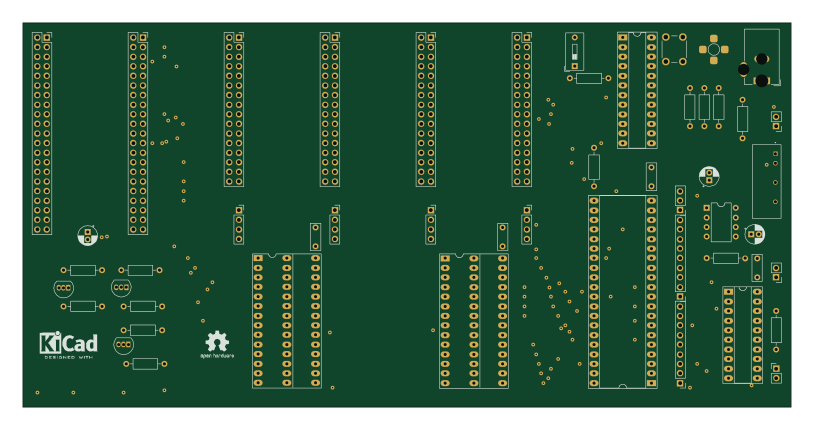
MainBoard
nandgate
203.2 × 101.6 mm51 parts2LMIT1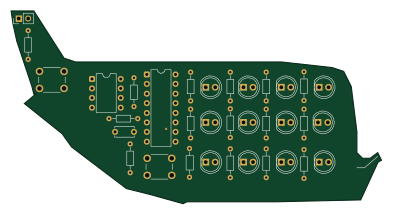
Binary adder
SwiftDust
98 × 51 mm34 parts2LNo license1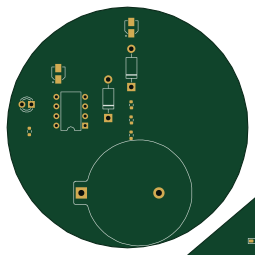
Kicad project
Invisible-Luna
63.6 × 63.6 mm25 parts2LNo license1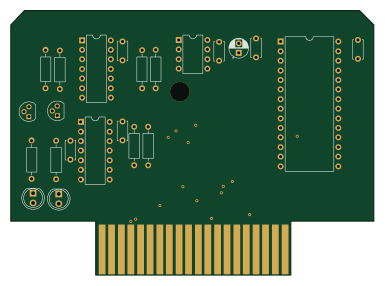
Dragon-32-Soak-Test-Cartridge
MyRetroStore
96.1 × 70 mm24 parts2LGPL-3.01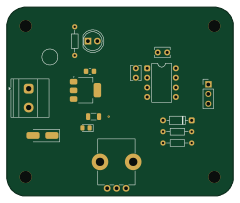
Servo-Controller-555
shlok-ac
60 × 50 mm16 parts2LCERN-OHL-S-2.01
Astable-Multivibrator using-555-Timer
rajdeep13-coder
1 parts2LMIT1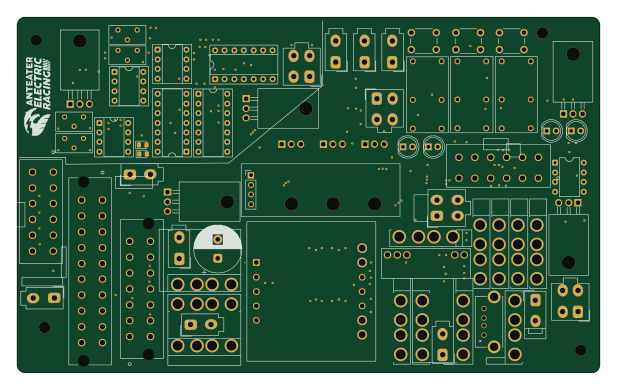
SafetyBoard
Anteater-Electric-Racing
154 × 93.9 mm166 parts4LNo license0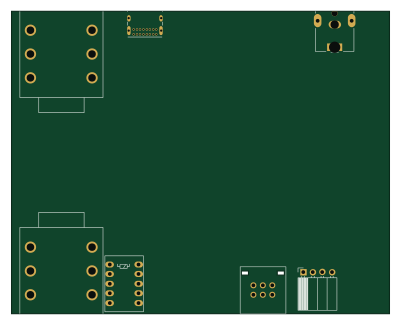
DAC & Headphone Amplifier
jonaheinke
100 × 80 mm147 parts4LMIT0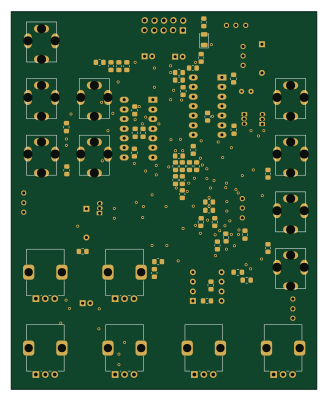
Empire-Biscuit-VCO
stuart-soutra
80.9 × 100 mm92 parts2LNo license0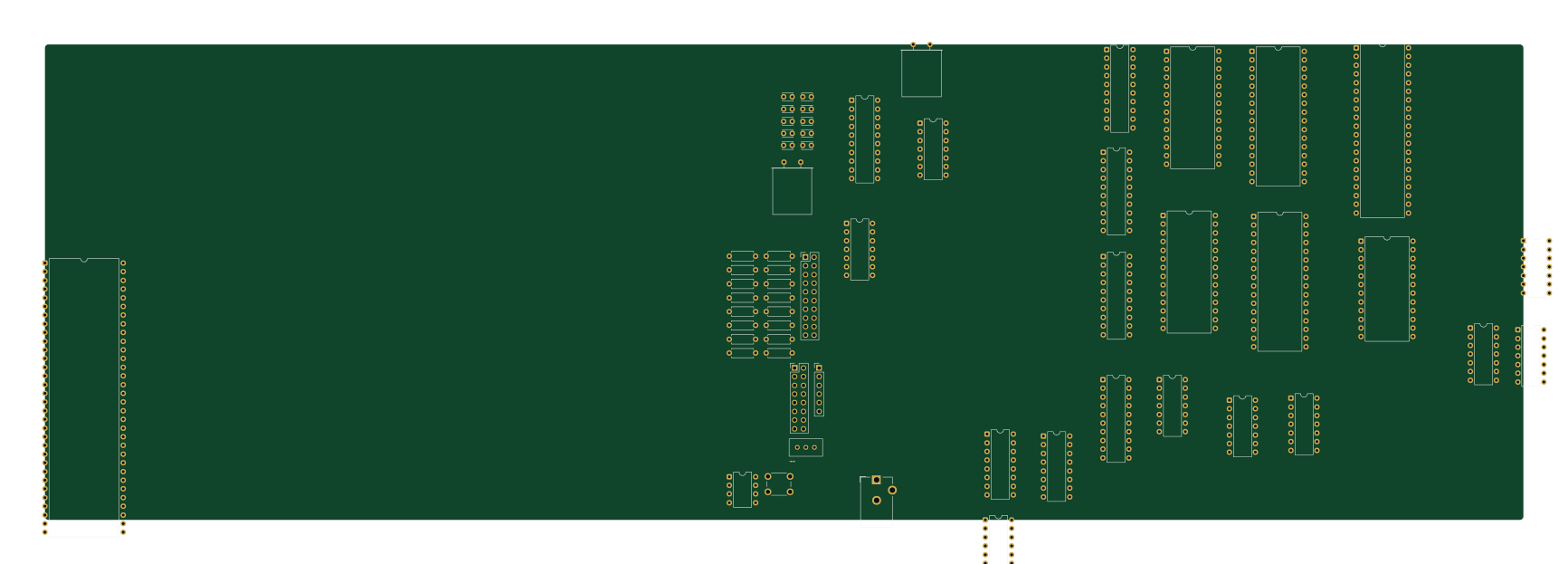
MC68000
bobofet2-1
432.5 × 139 mm59 parts2LNo license0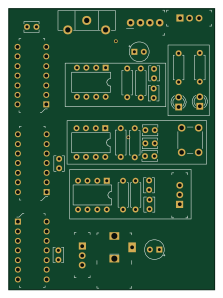
Clock module
zongr-ce
54.5 × 74.4 mm35 parts2LCC0-1.00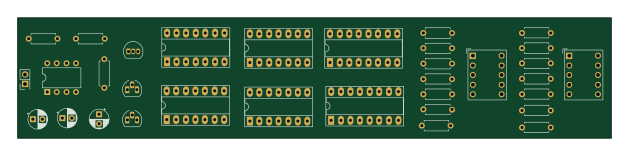
Circuits
oselcukyatagan
157 × 31.8 mm33 parts2LNo license0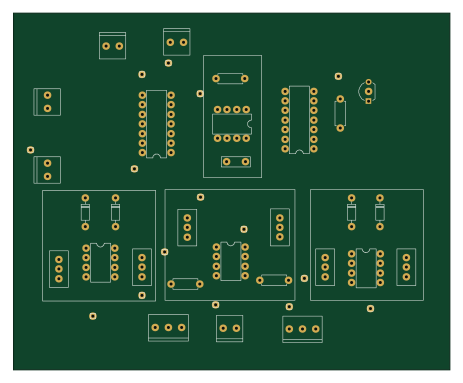
Break-System-Plausibility-Device
imamunorzrashid
115.5 × 94.5 mm29 parts2LNo license0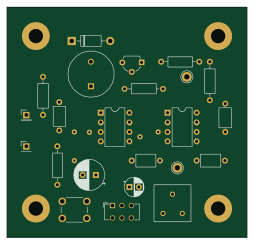
T2 Buzzinator
piercehowell
63.5 × 61 mm23 parts2LMIT0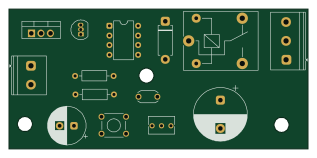
555-Timer-Delay-Off-Circuit
PRESIT007
79.2 × 37 mm14 parts2LNo license0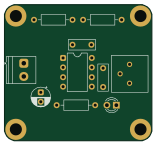
My-Testboard
Vihaan2355
39 × 36 mm10 parts2LNo license0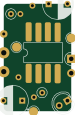
Electronics-11-project01
tobycm
17.9 × 28.5 mm8 parts2LNo license0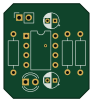
Timer tutorial
hpvdt
22.5 × 25 mm8 parts2LNo license0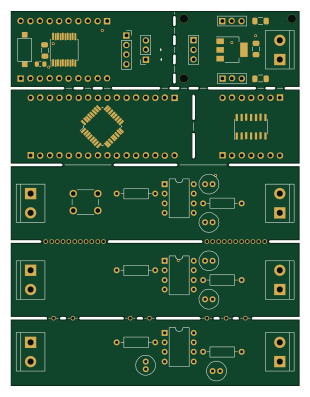 PIC
Breakable Board
ElektroNeo
76.2 × 99.1 mm45 parts2LNo license1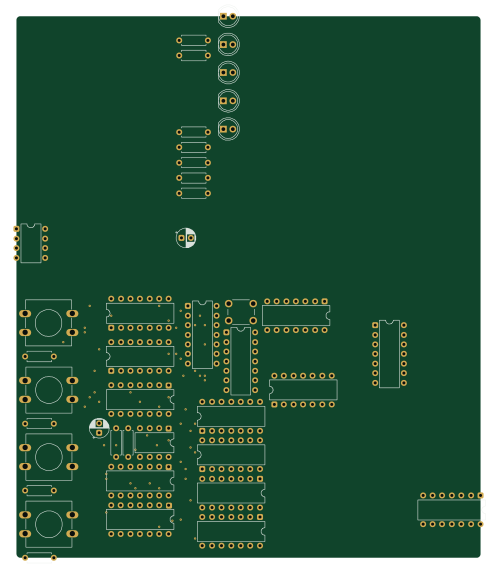
Bongos
irstupid
122.9 × 143.4 mm42 parts2LNo license1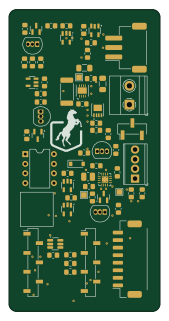
RemBrake
dodotronix
40 × 80 mm89 parts2LNo license0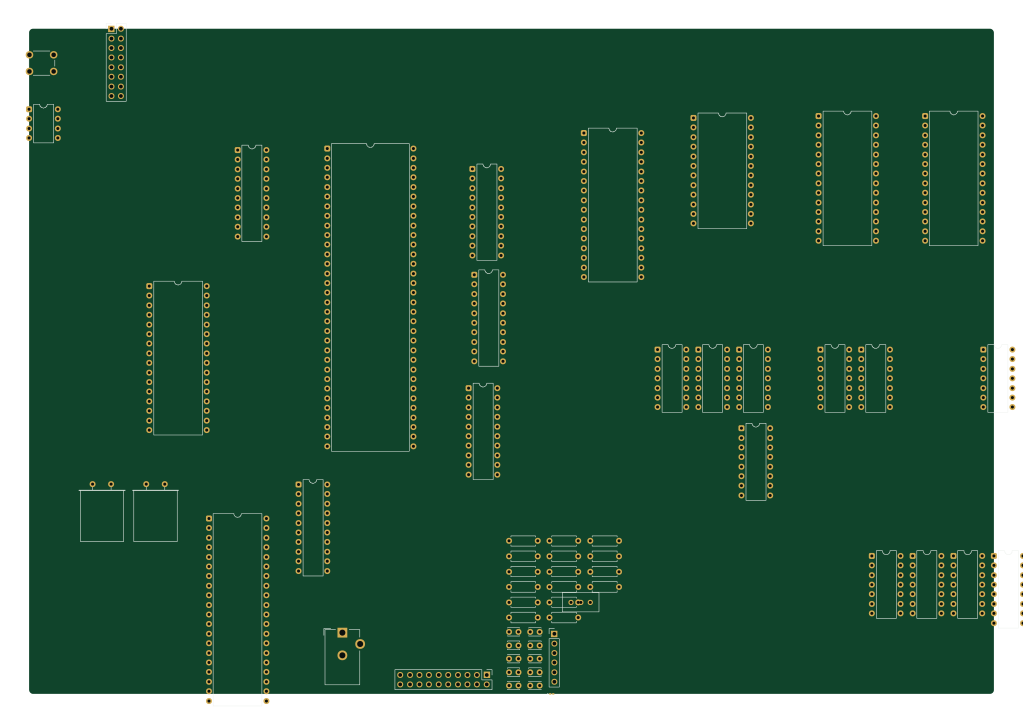
MC68000-first
255.3 × 176 mm59 parts2LNo license0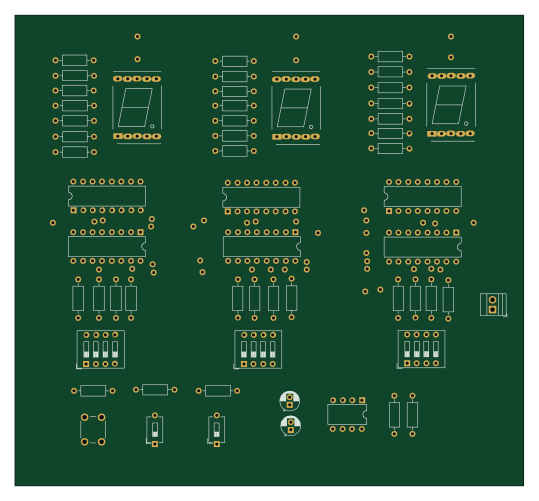
PCB Contador
ieee-cas-unmsm
134.6 × 124.5 mm57 parts2LNo license0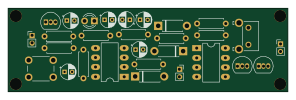
Smart Vibration Sensor Circuit
AbhishekGM23
74 × 22 mm29 parts2LNo license0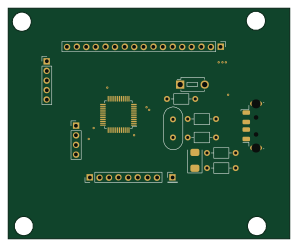 STM32
STM32F103x8
kinsy3015
74.4 × 61 mm16 parts2LNo license0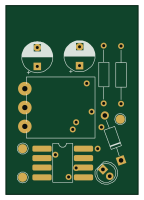
Electronics-11-project01 failed
35 × 50 mm8 parts2LNo license0- schematic only · 239 parts
Rockman x100 Rev 10.kicad pro
rtapson
239 parts2LCC0-1.00 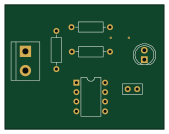
Led blinker
SinaKarvandi
42.1 × 32.9 mm7 parts2LGPL-3.01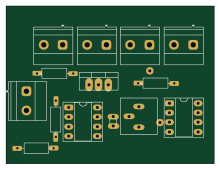
TRANSMITTER
vul-os
55 × 41.6 mm14 parts2LMIT0
How designs wire the LM555xN
Read from the KiCad layouts of 36 open source designs, one per repository: what each pin of the LM555xN connects to, and the resistors, capacitors and other passives placed on it.
- The THR pin has a capacitor to GND on 26 of 36 designs, most often 1 µF (then 47 µF).
- The TR pin has a capacitor to GND on 23 of 36 designs, most often 1 µF (then 47 µF).
- The CV pin has a capacitor to GND on 22 of 36 designs, most often 10 nF (then 100 nF).
- The R pin is tied to 5V on 24 of 36 designs (a signal on 11).
| Pin | Connected to | Parts on the pin |
|---|---|---|
| GNDpin 1 | Connected to: GND 89% | — |
| TRpin 2 | Connected to: Signal 94% |
|
| Qpin 3 | Connected to: Signal 97% |
|
| Rpin 4 | Connected to: 5V 67% · a signal 31% | — |
| CVpin 5 | Connected to: Signal 64% · not connected 36% |
|
| THRpin 6 | Connected to: Signal 92% |
|
| DISpin 7 | Connected to: Signal 72% · not connected 22% |
|
| VCCpin 8 | Connected to: 5V 86% | — |
Connections count pins, parts count designs; values in brackets are how many parts had that value. Designs read include Civil25 by raleighslack, Self-Tuning-SSTC by Firestorm108, ADAR by oficinadesonido and Tom-1 by tcr.
The LM555xN in open source designs
The gallery holds 51 open source boards using the LM555xN from 39 GitHub repositories; a typical one measures about 75.3 × 62.3 mm and carries around 29 components.
94% are two-layer designs, the rest use four layers or more, and 35% carry an open source license.
The most starred is Bent wavefield by wenbakefield.
Parts used alongside the LM555xN
Microcontrollers on boards using the LM555xN
What boards using the LM555xN are built for
LM555xN: common questions
Where can I find a LM555xN reference design?
Each of the 51 boards on this page is a real design using the LM555xN. Open one to see how it is wired up, with the full BOM, a render of the layout and links to its KiCad files.
How is the LM555xN THR pin connected?
The THR pin has a capacitor to GND on 26 of 36 designs, most often 1 µF (then 47 µF). Counted from the KiCad layouts of 36 open source designs using the LM555xN.
How is the LM555xN TR pin connected?
The TR pin has a capacitor to GND on 23 of 36 designs, most often 1 µF (then 47 µF). Counted from the KiCad layouts of 36 open source designs using the LM555xN.
How is the LM555xN CV pin connected?
The CV pin has a capacitor to GND on 22 of 36 designs, most often 10 nF (then 100 nF). Counted from the KiCad layouts of 36 open source designs using the LM555xN.
What parts are used alongside the LM555xN?
The 74LS00, 74LS04, 4017, 74LS08 and 74LS10 appear in the most repositories here.
Which microcontrollers do boards using the LM555xN use?
Most are built on PIC (3), AVR/Arduino (2), ESP32 (1) and STM32 (1).
How big is a typical board using the LM555xN?
The median is 75.3 × 62.3 mm, and 94% are two-layer designs.
What is the most popular open source board using the LM555xN?
By GitHub stars, Bent wavefield by wenbakefield, with 6 stars.
Can I simulate one of these boards using the LM555xN before building it?
Yes. HardLabs turns a board's netlist and BOM into a working simulation, so you can boot and test firmware against it with no hardware on your desk.