
16 open source boards using the TPS259470ARPWR
Real designs built with the TPS259470ARPWR, from public GitHub projects: a quick way to see how others power, decouple and connect it. Each board comes with its KiCad files, full parts list and a render — and you can simulate its firmware on HardLabs.
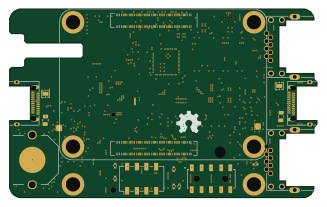 STM32
Picard
weiiwang01
81.5 × 50 mm157 parts6LNo license8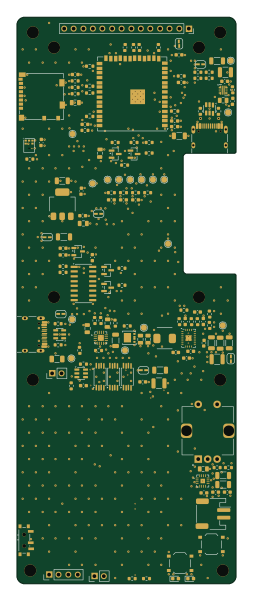 ESP32
Esp32-pluto sdr portable
levirbl
58 × 150 mm150 parts4LNo license2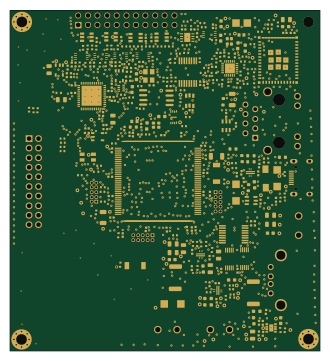 ESP32
Benchpod
embeddedci-com
82 × 90 mm306 parts4LCERN-OHL-W-2.01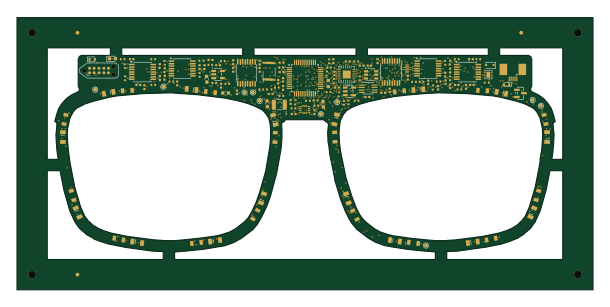 STM32
Cc glasses
noahzhy
152.3 × 72 mm153 parts4LMIT1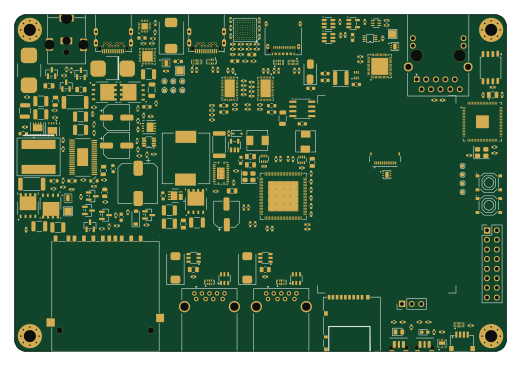 RP2040/RP2350
Odeck
KarpelesLab
130 × 89 mm772 parts6LCERN-OHL-P-2.00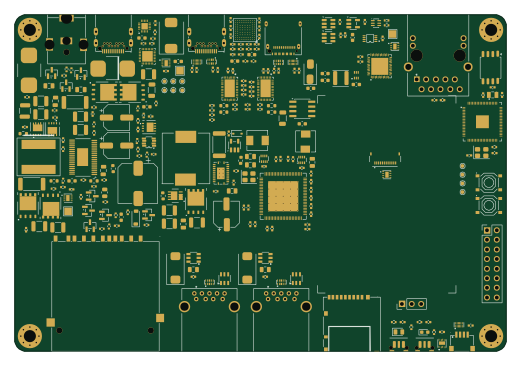 RP2040/RP2350
Odock
130 × 89 mm772 parts6LCERN-OHL-P-2.00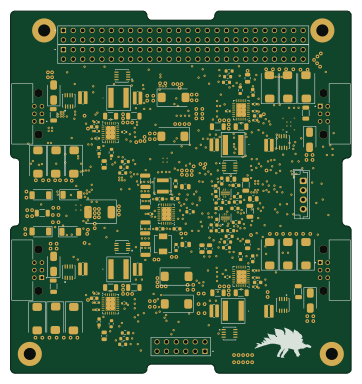 STM32
Sat mppt
JaronCyna
90.2 × 95.9 mm281 parts6LNo license0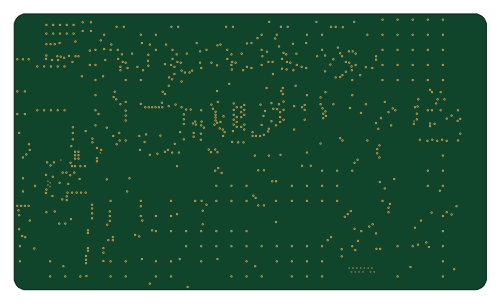 ESP32
E0005-esp32-s3-5v controller
Karpuls
125 × 73 mm268 parts4LNo license0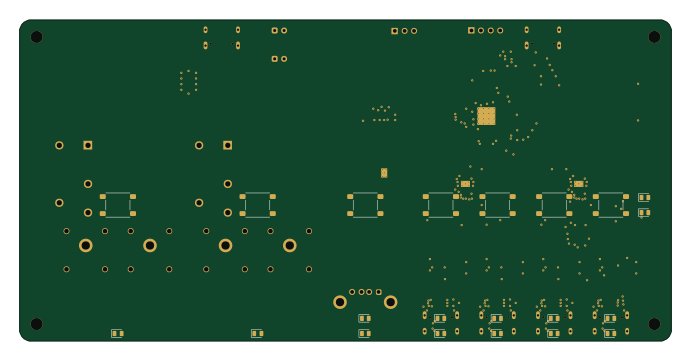 STM32
Devhub
mpolci
172.5 × 85 mm212 parts4LMIT0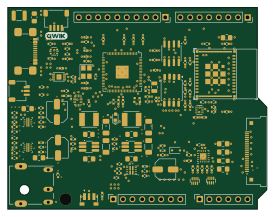 RP2040/RP2350
Phyduino pico2
perc-sw
68.6 × 53.3 mm152 parts4LGPL-3.00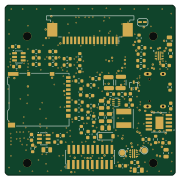 ESP32
Esp32-p4-cam
momszx
45 × 45 mm72 parts4LNo license0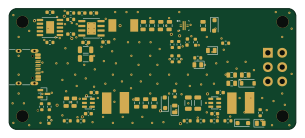
Amiga-USB-C-PD-Power-Supply
mamejay
76 × 32 mm68 parts2LCustom license0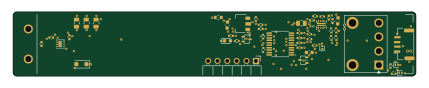 STM32
E0001-fader driver board
107 × 17 mm50 parts4LNo license0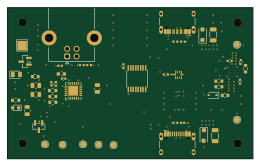
Usb c passthrough
fgihl
65 × 40 mm45 parts4LMIT0
Compact tablet usbc board
CopperPilot
25 × 12 mm24 parts2LCERN-OHL-S-2.00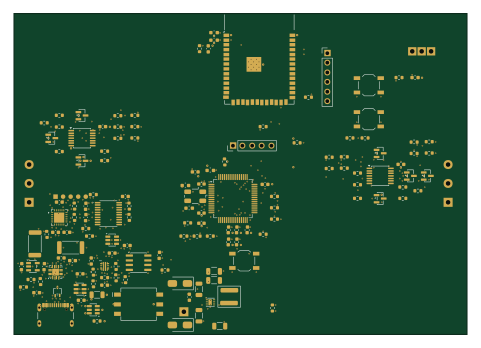 ESP32
Virtual scoring box
AndrewCraswell
120 × 85 mm142 parts4LMIT0
How designs wire the TPS259470ARPWR
Read from the KiCad layouts of 16 open source designs, one per repository: what each pin of the TPS259470ARPWR connects to, and the resistors, capacitors and other passives placed on it.
- The DVDT_7 pin has a capacitor to GND on 15 of 16 designs, most often 2.2 nF (then 22 nF).
- The ILM_9 pin has a resistor to GND on 14 of 16 designs, most often 953 Ω (then 1.65 kΩ).
- The OVLO pin has a resistor to GND on 12 of 16 designs, most often 10 kΩ (then 28.7 kΩ).
- The AUXOFF pin is left unconnected on 12 of 16 designs (a signal on 2).
| Pin | Connected to | Parts on the pin |
|---|---|---|
| EN/UVLO_1pin 1 | Connected to: Signal 88% |
|
| OVLOpin 2 | Connected to: Signal 81% |
|
| AUXOFFpin 3 | Connected to: Not connected 75% | — |
| FLT_4pin 4 | Connected to: Signal 56% · not connected 44% |
|
| IN_5pin 5 | Connected to: 5V 63% · a signal 38% | — |
| OUT_6pin 6 | Connected to: 5V 75% · a signal 25% | — |
| DVDT_7pin 7 | Connected to: Signal 94% |
|
| GND_8pin 8 | Connected to: GND 94% | — |
| ILM_9pin 9 | Connected to: Signal 94% |
|
| ITIMER_10pin 10 | Connected to: Signal 56% · not connected 44% |
|
Connections count pins, parts count designs; values in brackets are how many parts had that value. Designs read include Picard by weiiwang01, Esp32-pluto sdr portable by levirbl, Benchpod by embeddedci-com and Cc glasses by noahzhy.
The TPS259470ARPWR in open source designs
The gallery holds 16 open source boards using the TPS259470ARPWR from 16 GitHub repositories; a typical one measures about 86.1 × 72.5 mm and carries around 153 components.
88% use four copper layers or more, and 56% carry an open source license.
The most starred is Picard by weiiwang01.
Parts used alongside the TPS259470ARPWR
Microcontrollers on boards using the TPS259470ARPWR
What boards using the TPS259470ARPWR are built for
TPS259470ARPWR: common questions
Where can I find a TPS259470ARPWR reference design?
Each of the 16 boards on this page is a real design using the TPS259470ARPWR. Open one to see how it is wired up, with the full BOM, a render of the layout and links to its KiCad files.
How is the TPS259470ARPWR DVDT_7 pin connected?
The DVDT_7 pin has a capacitor to GND on 15 of 16 designs, most often 2.2 nF (then 22 nF). Counted from the KiCad layouts of 16 open source designs using the TPS259470ARPWR.
What resistor goes on the TPS259470ARPWR ILM_9 pin?
The ILM_9 pin has a resistor to GND on 14 of 16 designs, most often 953 Ω (then 1.65 kΩ). Counted from the KiCad layouts of 16 open source designs using the TPS259470ARPWR.
What resistor goes on the TPS259470ARPWR OVLO pin?
The OVLO pin has a resistor to GND on 12 of 16 designs, most often 10 kΩ (then 28.7 kΩ). Counted from the KiCad layouts of 16 open source designs using the TPS259470ARPWR.
What parts are used alongside the TPS259470ARPWR?
The TPS62933FDRLR, 74LVC1G17W5-7, AT24C512C-SSHD-T, CH224A and CYPM1321-97BZXIT appear in the most repositories here.
Which microcontrollers do boards using the TPS259470ARPWR use?
Most are built on ESP32 (5), STM32 (5) and RP2040/RP2350 (3).
How big is a typical board using the TPS259470ARPWR?
The median is 86.1 × 72.5 mm, and 13% are two-layer designs.
What is the most popular open source board using the TPS259470ARPWR?
By GitHub stars, Picard by weiiwang01, with 8 stars.
Can I simulate one of these boards using the TPS259470ARPWR before building it?
Yes. HardLabs turns a board's netlist and BOM into a working simulation, so you can boot and test firmware against it with no hardware on your desk.