
128 open source boards using the BMI270
Real designs built with the BMI270, from public GitHub projects: a quick way to see how others power, decouple and connect it. Each board comes with its KiCad files, full parts list and a render — and you can simulate its firmware on HardLabs.
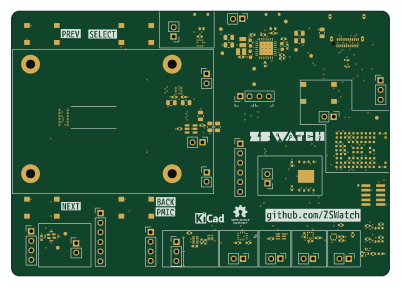
Watch-DevKit-HW
ZSWatch
100 × 70 mm100 parts4LGPL-3.0187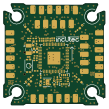
OpenFC-Lite-Mini
OpenDrone-hw
26.9 × 26.9 mm97 parts6LCERN-OHL-S-2.0104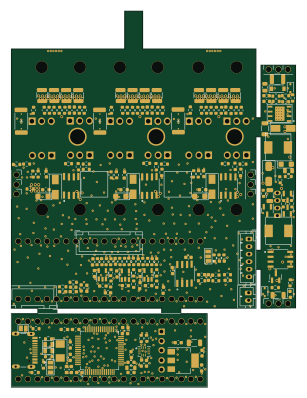 STM32
FOC
nordstream3
75.2 × 99.5 mm238 parts4LNo license80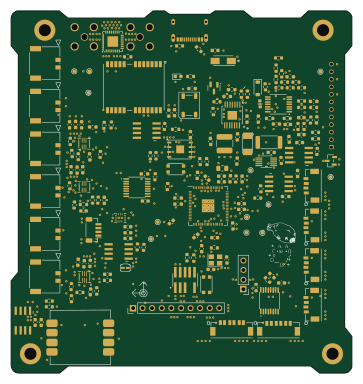 RP2040/RP2350
ADCS
onionharvester
90.2 × 95.9 mm184 parts4LNo license50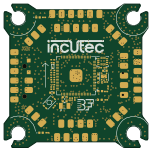
OpenFC-Lite
37.9 × 37.9 mm107 parts6LCERN-OHL-S-2.032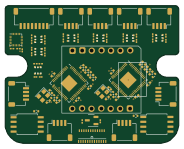 RP2040/RP2350
TundraIOExpansion
ras-marques
46 × 36.5 mm89 parts4LMIT29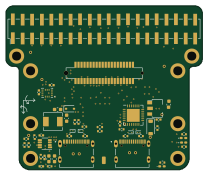
Expansion
kuku-199
52 × 43.4 mm52 parts2LNo license14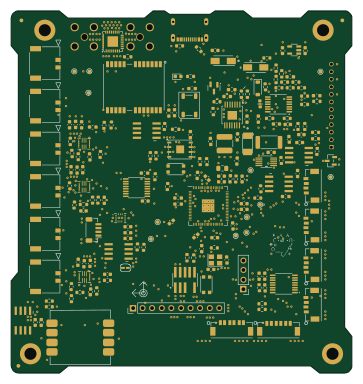 RP2040/RP2350
ADCS
stanford-ssi
90.2 × 95.9 mm187 parts4LNo license13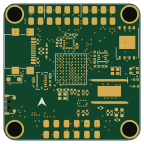 STM32
NewSkyH7-Air
36 × 36 mm157 parts6LApache-2.010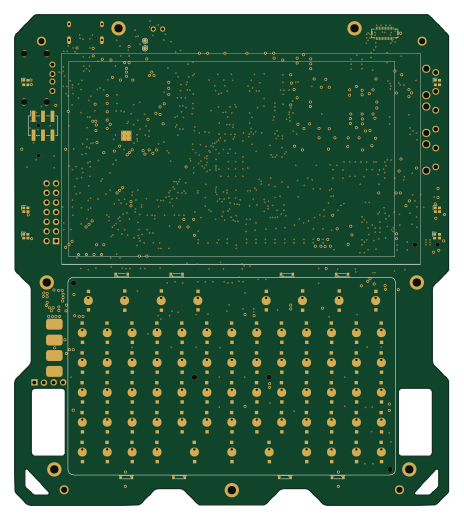 ESP32
Tanmatsu hardware
Nicolai-Electronics
114.9 × 129.9 mm320 parts4LCERN-OHL-P-2.09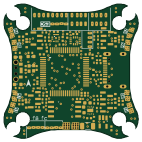 STM32
F8-fc h7 rev a
victorhook
35.5 × 35.5 mm105 parts4LNo license6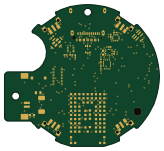
Watch-HW
41 × 37.5 mm62 parts4LGPL-3.05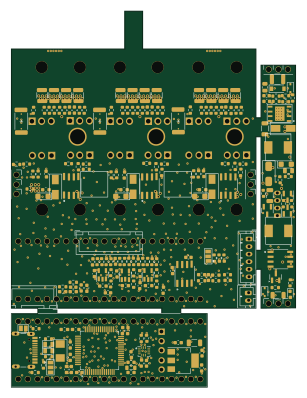 STM32
FOC KING
b264
75.2 × 99.5 mm238 parts4LNo license3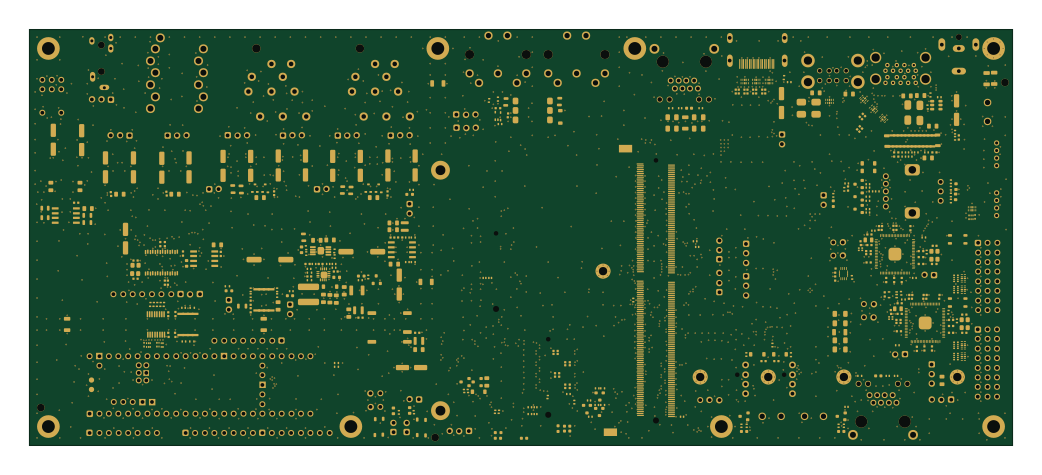 RP2040/RP2350
Pandore
filliformes
260 × 110 mm759 parts4LNo license2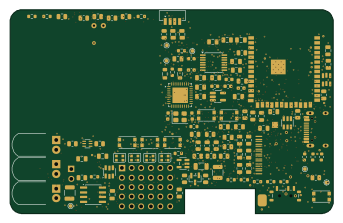 ESP32
PocketLab-Card
 Jebroa77485.6 × 54 mm250 parts4LNo license2
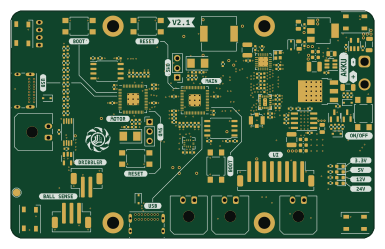 RP2040/RP2350
Mainboard
luhbots
96 × 60 mm175 parts4LNo license2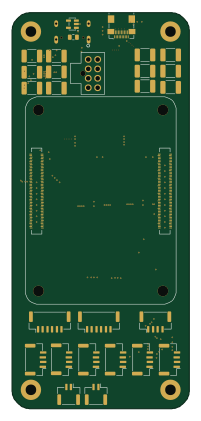 Raspberry Pi
CompactPi
loganrf
47 × 105 mm147 parts6LCERN-OHL-S-2.02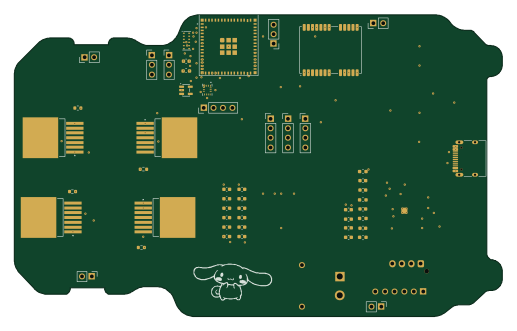 ESP32
Rc car
alaotach
129 × 79.8 mm85 parts4LNo license2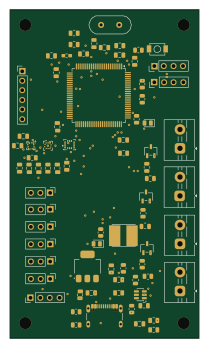 STM32
UltraHawk
InSynchronous
50 × 87 mm76 parts2LMIT2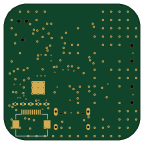 Nordic nRF
JRWatch
jadenrhee
36 × 36 mm46 parts4LNo license2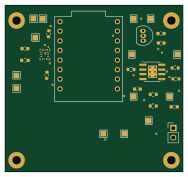 ESP32
Velocity-Based-Training
m351351
47 × 44 mm18 parts2LNo license2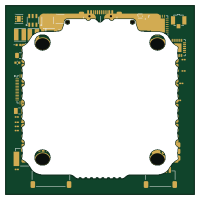 ESP32
DrikrAIO
tetraethylmethane
50 × 50 mm339 parts6LNo license1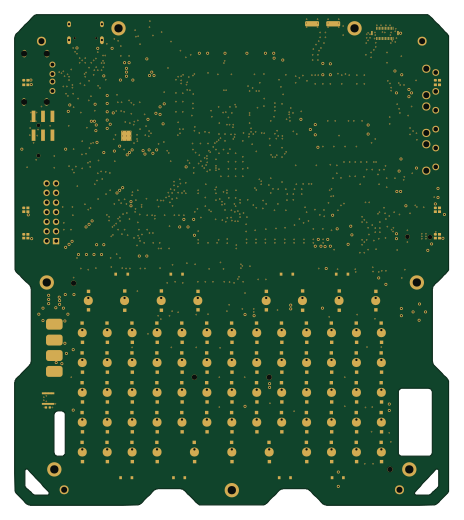 ESP32
Why2025
ranzbak
114.9 × 129.9 mm327 parts4LNo license1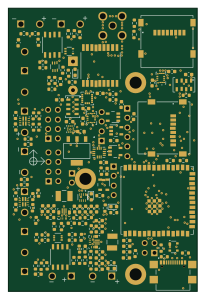 ESP32
OneroiV1
HomeOnDuna
50 × 75 mm160 parts4LNo license1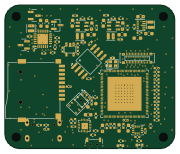 RISC-V
MerlynCAM
YeetTheAnson
45 × 38 mm144 parts4LNo license1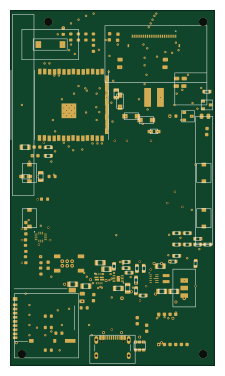 ESP32
ENKU-Base reader
aliaksei-lameyka
54 × 94 mm103 parts4LNo license1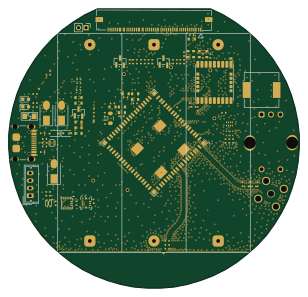
Lora tracker
tiborkiss
77 × 74 mm103 parts4LMIT1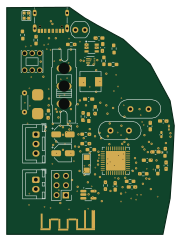 AVR/Arduino
VoidLens-DIY-VR-Headset-V2
scattercat-123
44.4 × 60.3 mm79 parts2LNo license1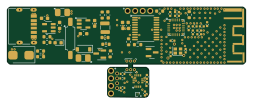 STM32
Wand
ayuusweetfish
63.2 × 23.9 mm65 parts2LCERN-OHL-S-2.01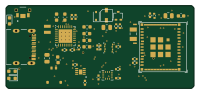 ESP32
Mia ou
antoine-prrn
50 × 22 mm56 parts4LNo license1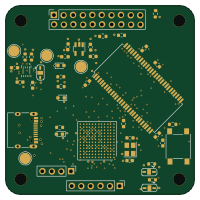 STM32
Stm32f4 sdram baseboard
ValentiWorkLearning
50 × 50 mm55 parts6LNo license1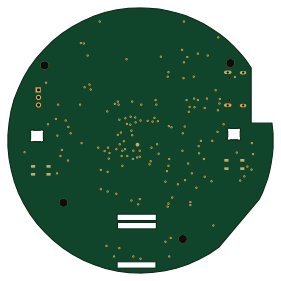 ESP32
Mood-Display
Axe-1st
70.2 × 70.2 mm54 parts2LNo license1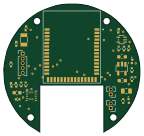
OpenBand
chancehowarth33
36 × 33.9 mm32 parts2LMIT1
BMI270-Breakout
HackableElectronics
16.5 × 20.3 mm13 parts2LLGPL-2.11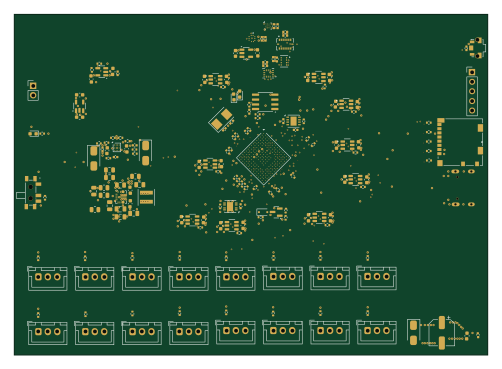 STM32
Pcb mantis
si-nalsal
125.2 × 90 mm277 parts6LCERN-OHL-S-2.00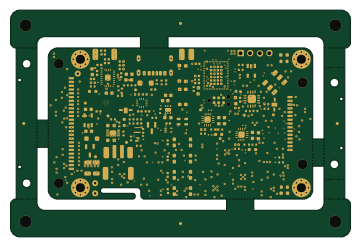 STM32
Plume
theohg
90 × 60 mm257 parts8LNo license0
How designs wire the BMI270
Read from the KiCad layouts of 88 open source designs, one per repository: what each pin of the BMI270 connects to, and the resistors, capacitors and other passives placed on it.
- The VDDIO pin has a decoupling capacitor on 80 of 88 designs, most often 100 nF (then 10 µF).
- The VDD pin has a decoupling capacitor on 79 of 88 designs, most often 100 nF (then 10 µF).
- The OSDO pin is left unconnected on 85 of 87 designs (GND on 2).
- The OCSB pin is left unconnected on 83 of 88 designs (GND on 3, 3.3V on 2).
| Pin | Connected to | Parts on the pin |
|---|---|---|
| ASDXpin 2 | Connected to: Not connected 78% | — |
| ASCXpin 3 | Connected to: Not connected 80% | — |
| VDDIOpin 5 | Connected to: 3.3V 95% |
|
| GNDIOpin 6 | Connected to: GND 99% | — |
| GNDpin 7 | Connected to: GND 99% | — |
| VDDpin 8 | Connected to: 3.3V 95% |
|
| INT2pin 9 | Connected to: Not connected 65% · a signal 35% | — |
| OCSBpin 10 | Connected to: Not connected 94% | — |
| OSDOpin 11 | Connected to: Not connected 98% | — |
| SCXpin 13 | Connected to: The microcontroller 61%, a connector 22% |
|
| SDXpin 14 | Connected to: The microcontroller 60%, a connector 22% |
|
3 more pins vary from design to design. Connections count pins, parts count designs; values in brackets are how many parts had that value. Designs read include Watch-DevKit-HW by ZSWatch, OpenFC-Lite-Mini by OpenDrone-hw, FOC by nordstream3 and ADCS by onionharvester.
The BMI270 in open source designs
The gallery holds 128 open source boards using the BMI270 from 92 GitHub repositories; a typical one measures about 50 × 40 mm and carries around 80 components.
79% use four copper layers or more, and 42% carry an open source license.
The most starred is Watch-DevKit-HW by ZSWatch.
Parts used alongside the BMI270
Microcontrollers on boards using the BMI270
What boards using the BMI270 are built for
BMI270: common questions
Where can I find a BMI270 reference design?
Each of the 128 boards on this page is a real design using the BMI270. Open one to see how it is wired up, with the full BOM, a render of the layout and links to its KiCad files.
What decoupling capacitors do designs use on the BMI270 VDDIO pin?
The VDDIO pin has a decoupling capacitor on 80 of 88 designs, most often 100 nF (then 10 µF). Counted from the KiCad layouts of 88 open source designs using the BMI270.
What decoupling capacitors do designs use on the BMI270 VDD pin?
The VDD pin has a decoupling capacitor on 79 of 88 designs, most often 100 nF (then 10 µF). Counted from the KiCad layouts of 88 open source designs using the BMI270.
How is the BMI270 OSDO pin connected?
The OSDO pin is left unconnected on 85 of 87 designs (GND on 2). Counted from the KiCad layouts of 88 open source designs using the BMI270.
What parts are used alongside the BMI270?
The USBLC6-2SC6, AMS1117-3.3, STM32F405RGT6, USBLC6-2P6 and W25Q128JVS appear in the most repositories here.
Which microcontrollers do boards using the BMI270 use?
Most are built on STM32 (44), ESP32 (30), Nordic nRF (13) and RP2040/RP2350 (12).
How big is a typical board using the BMI270?
The median is 50 × 40 mm, and 21% are two-layer designs.
What is the most popular open source board using the BMI270?
By GitHub stars, Watch-DevKit-HW by ZSWatch, with 187 stars.
Can I simulate one of these boards using the BMI270 before building it?
Yes. HardLabs turns a board's netlist and BOM into a working simulation, so you can boot and test firmware against it with no hardware on your desk.