
60 open source boards using the CP2104
Real designs built with the CP2104, from public GitHub projects: a quick way to see how others power, decouple and connect it. Each board comes with its KiCad files, full parts list and a render — and you can simulate its firmware on HardLabs.
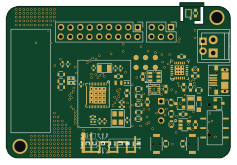 Nordic nRF
Bluey
electronut
59.2 × 40 mm72 parts2LCC-BY-4.096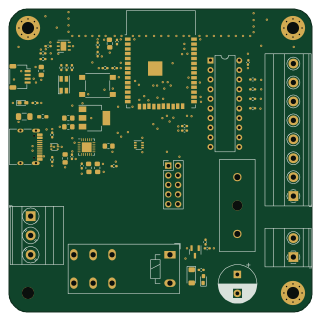 ESP32
Iot thing
mortens-lab
80 × 80 mm58 parts4LMIT51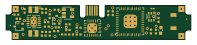 RP2040/RP2350
Double oh
heyspacebuck
49.2 × 9 mm51 parts2LCERN-OHL-1.237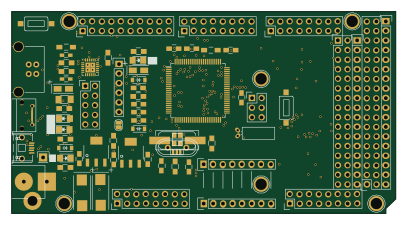 AVR/Arduino
Arduino mega all pins
tomaskovacik
101.6 × 53.3 mm76 parts2LCustom license27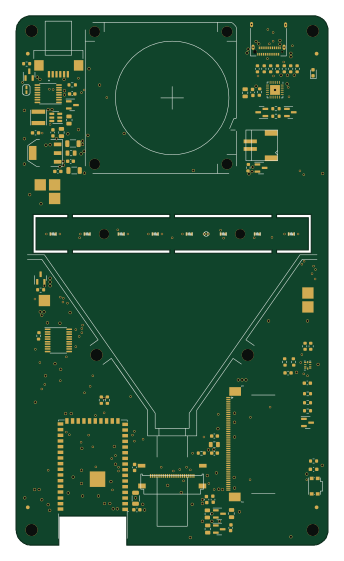 ESP32
QPocketPCR Main
GaudiLabs
82.5 × 140 mm96 parts2LGPL-3.021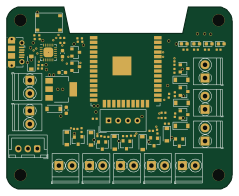 ESP32
Light control
matthewlai
59.7 × 48.3 mm73 parts4LGPL-3.020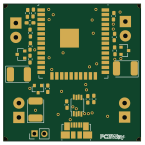 ESP32
Drone
PlumPot55
36.2 × 36.2 mm42 parts2LNo license15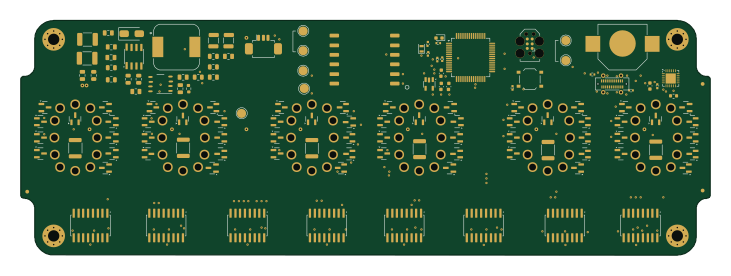 STM32
GPS Clock
nseuf
182.5 × 62 mm130 parts4LNo license3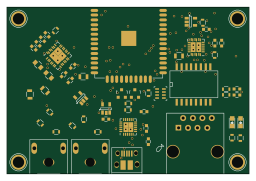 ESP32
Esp32 max1193
cnlohr
64 × 44 mm59 parts2LNo license3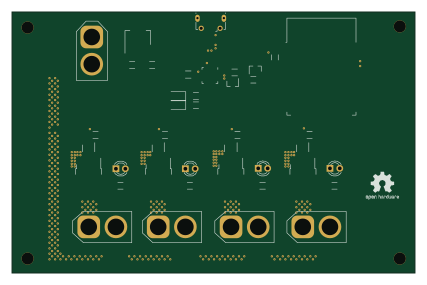 ESP32
Fis
nicolasfara
106.7 × 69.1 mm41 parts2LGPL-3.03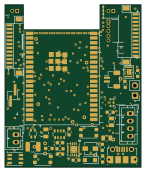 ESP32
Led controller wrover32
aaronw2
36 × 43 mm76 parts4LMIT2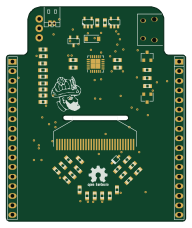 ESP32
Esp32wroomOled V01
erkanCil
47.5 × 56.8 mm60 parts2LNo license2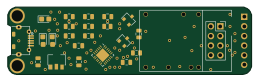 ESP8266
ESP-PogoPin-Programmer
barn53
64.5 × 17.8 mm35 parts2LMIT2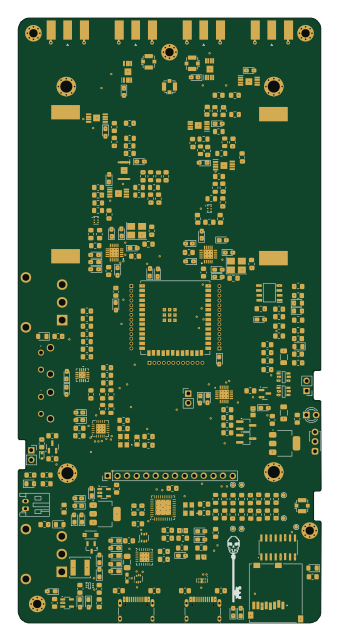 ESP32
PCB V3.1
Jonathan-0101
80 × 160 mm287 parts4LGPL-3.01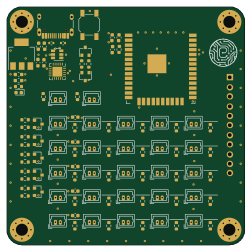 ESP32
Brickcontroller
ebastler
63 × 63 mm100 parts2LCERN-OHL-P-2.01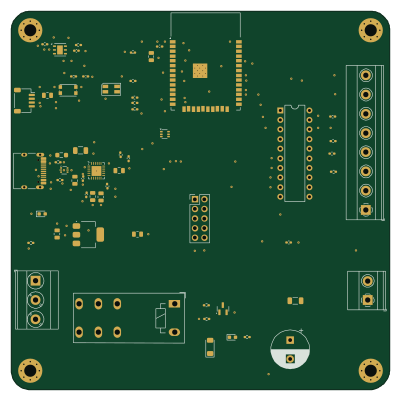 ESP32
Wroom board
SinaKarvandi
100 × 100 mm59 parts4LGPL-3.01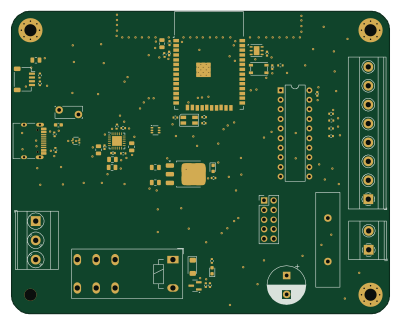 ESP32
ESP32
Tanmayeers
100 × 80 mm58 parts4LNo license1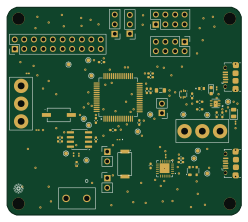 STM32
Control Board POC
ParadigmEngineering
62 × 55 mm53 parts4LNo license1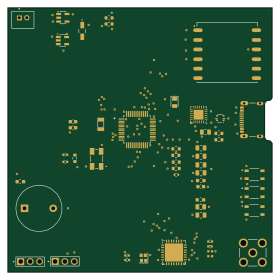 ESP32
FLP PCB set
DSM-Interrupt
70 × 70 mm118 parts2LNo license0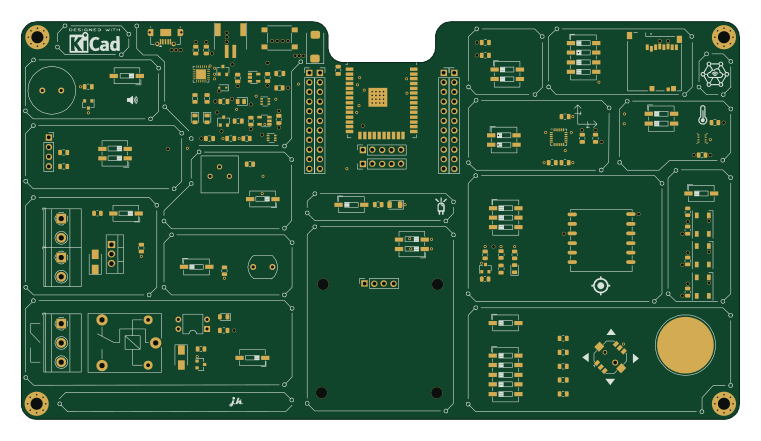 ESP32
ESP32IoTPlatform
jkordek1
190 × 105.2 mm115 parts2LNo license0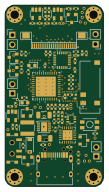 RP2040/RP2350
Hackquad
divisionind
26 × 48 mm91 parts4LGPL-3.00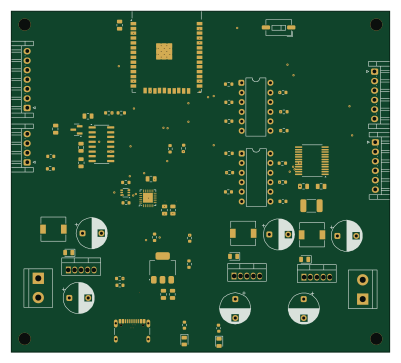 ESP32
Main board
dquang05
100 × 90 mm74 parts2LNo license0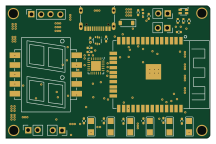 ESP32
Bike-Mini speedo
InfinityTech100
54 × 35 mm67 parts4LNo license0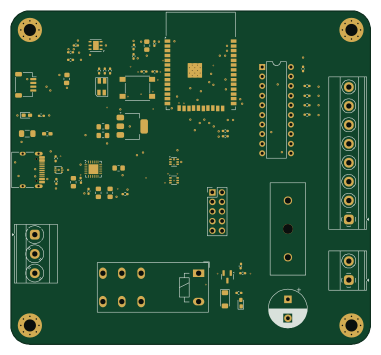 ESP32
IOT-THING
gathonjia-ndungu
95 × 88.1 mm59 parts4LNo license0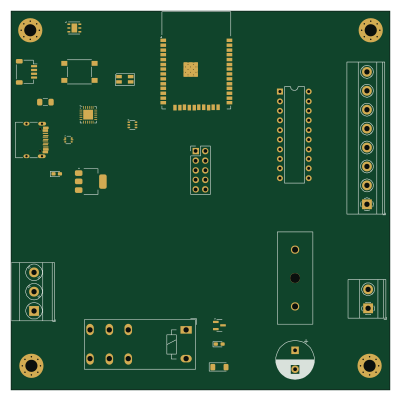 ESP32
Esp32 iot mortens lab
pravsels
100 × 100 mm58 parts2LNo license0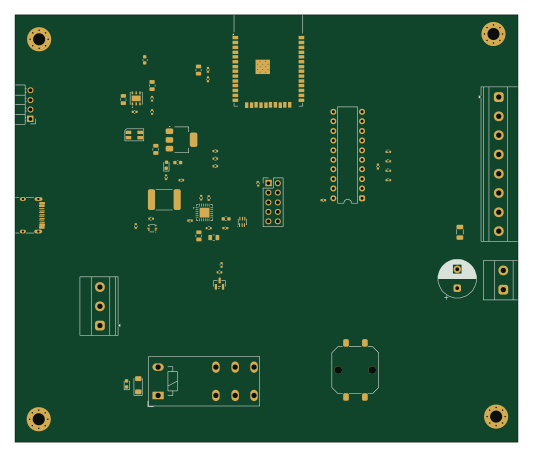 ESP32
ESP32-USB-C-Development-Board
hooria17webset
133 × 113 mm57 parts4LNo license0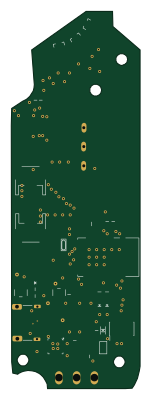 Nordic nRF
EBoard remote control
kattemjau
34 × 100 mm57 partsMIT0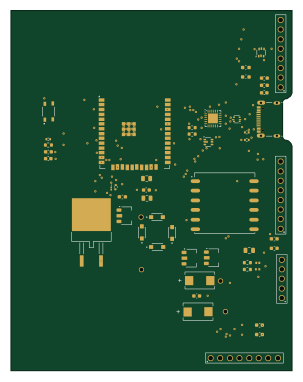 ESP32
MistFarm Embedded
Mistfarm
74.4 × 95.2 mm56 parts2LNo license0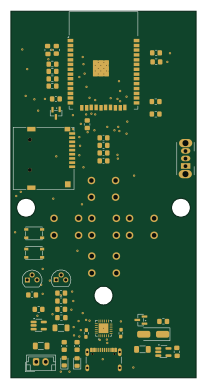 ESP32
DIY Mini Marauder
mkhairyx
49 × 97 mm54 parts2LNo license0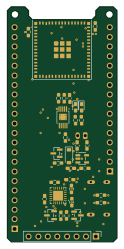 ESP32
Steer32
jpt1729
29 × 62.2 mm49 parts2LNo license0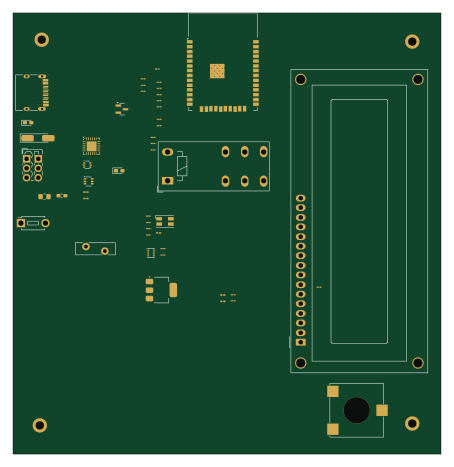 ESP32
Embedded system designs
divquan
113 × 116.5 mm47 parts2LMIT0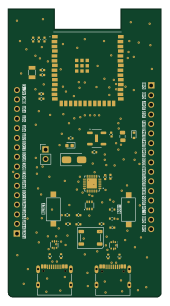 ESP32
ESP32S3-WROOM-1-Dev-Board
meerzafarnoohani
40.5 × 76.4 mm43 parts2LMIT0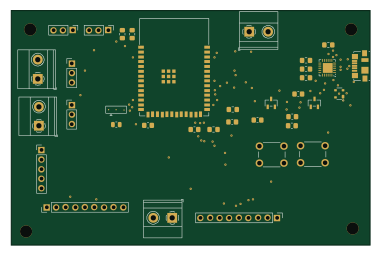 ESP32
Autonomous Gardening Rover v2
rct4
95 × 62.1 mm36 parts2LNo license0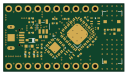 RP2040/RP2350
SmartCardApp
joelheezen
31.9 × 17.8 mm36 parts4LNo license0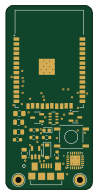 ESP32
Cartalk esp32
gibsonbailey
22.9 × 48.8 mm22 parts2LNo license0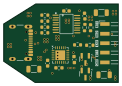
Cp2104-pd source
vanbwodonk
30.4 × 20.8 mm20 parts2LNo license0
How designs wire the CP2104
Read from the KiCad layouts of 42 open source designs, one per repository: what each pin of the CP2104 connects to, and the resistors, capacitors and other passives placed on it.
- The DCD pin is left unconnected on 42 of 42 designs.
- The SUSPEND pins is left unconnected on 99% of them.
- The RI pin is left unconnected on 41 of 42 designs.
- The GPIO.3 pin is left unconnected on 41 of 42 designs.
| Pin | Connected to | Parts on the pin |
|---|---|---|
| RIpin 1 | Connected to: Not connected 98% | — |
| GNDpin 2, 25 | Connected to: GND 95% | — |
| VIOpin 5 | Connected to: 3.3V 67% · a signal 17% |
|
| VDDpin 6 | Connected to: 3.3V 67% · a signal 19% |
|
| REGINpin 7 | Connected to: 3.3V 76% · a signal 21% |
|
| VBUSpin 8 | Connected to: VBUS 74% · a signal 24% |
|
| RSTpin 9 | Connected to: Not connected 50% · a signal 50% |
|
| NCpin 10 | Connected to: Not connected 98% | — |
| GPIO.3pin 11 | Connected to: Not connected 98% | — |
| RS485/GPIO.2pin 12 | Connected to: Not connected 98% | — |
| RXT/GPIO.1pin 13 | Connected to: Not connected 83% · a signal 17% | — |
| TXT/GPIO.0pin 14 | Connected to: Not connected 86% | — |
| SUSPENDpin 15, 17 | Connected to: Not connected 99% | — |
| VPPpin 16 | Connected to: Signal 55% · not connected 45% |
|
| CTSpin 18 | Connected to: Not connected 93% | — |
| RTSpin 19 | Connected to: Signal 88% |
|
| RXDpin 20 | Connected to: The microcontroller 48% |
|
| TXDpin 21 | Connected to: The microcontroller 43% |
|
| DSRpin 22 | Connected to: Not connected 98% | — |
| DTRpin 23 | Connected to: Signal 90% |
|
| DCDpin 24 | Connected to: Not connected 100% | — |
2 more pins vary from design to design. Connections count pins, parts count designs; values in brackets are how many parts had that value. Designs read include Bluey by electronut, Iot thing by mortens-lab, Double oh by heyspacebuck and ESP32 K210 by ATmega8.
The CP2104 in open source designs
The gallery holds 60 open source boards using the CP2104 from 43 GitHub repositories; a typical one measures about 72.3 × 66 mm and carries around 59 components.
55% are two-layer designs, the rest use four layers or more, and 52% carry an open source license.
The most starred is Bluey by electronut.
Parts used alongside the CP2104
Microcontrollers on boards using the CP2104
What boards using the CP2104 are built for
CP2104: common questions
Where can I find a CP2104 reference design?
Each of the 60 boards on this page is a real design using the CP2104. Open one to see how it is wired up, with the full BOM, a render of the layout and links to its KiCad files.
How is the CP2104 DCD pin connected?
The DCD pin is left unconnected on 42 of 42 designs. Counted from the KiCad layouts of 42 open source designs using the CP2104.
How is the CP2104 SUSPEND pin connected?
The SUSPEND pins is left unconnected on 99% of them. Counted from the KiCad layouts of 42 open source designs using the CP2104.
How is the CP2104 RI pin connected?
The RI pin is left unconnected on 41 of 42 designs. Counted from the KiCad layouts of 42 open source designs using the CP2104.
What parts are used alongside the CP2104?
The USBLC6-2P6, ESP32-WROOM-32D, ESP32-WROOM-32, Si7021-A20 and 74AHCT245 appear in the most repositories here.
Which microcontrollers do boards using the CP2104 use?
Most are built on ESP32 (39), RP2040/RP2350 (6), STM32 (4) and AVR/Arduino (4).
How big is a typical board using the CP2104?
The median is 72.3 × 66 mm, and 55% are two-layer designs.
What is the most popular open source board using the CP2104?
By GitHub stars, Bluey by electronut, with 96 stars.
Can I simulate one of these boards using the CP2104 before building it?
Yes. HardLabs turns a board's netlist and BOM into a working simulation, so you can boot and test firmware against it with no hardware on your desk.