
31 open source boards using the CC1101RGPR
Real designs built with the CC1101RGPR, from public GitHub projects: a quick way to see how others power, decouple and connect it. Each board comes with its KiCad files, full parts list and a render — and you can simulate its firmware on HardLabs.
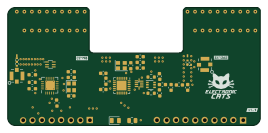
Flipper subg
ElectronicCats
67 × 31.3 mm41 parts4LNo license130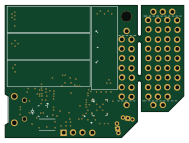 Microchip SAM
Sprite
RoboticExplorationLab
47.2 × 35 mm77 partsNo license8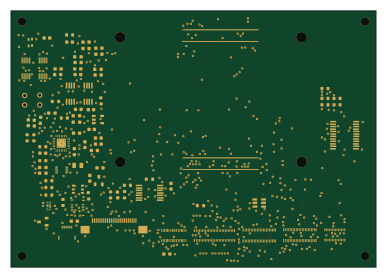 ESP32
Slate113-mk1
xeno3dev
96.7 × 67.8 mm609 parts8LCC-BY-NC-4.02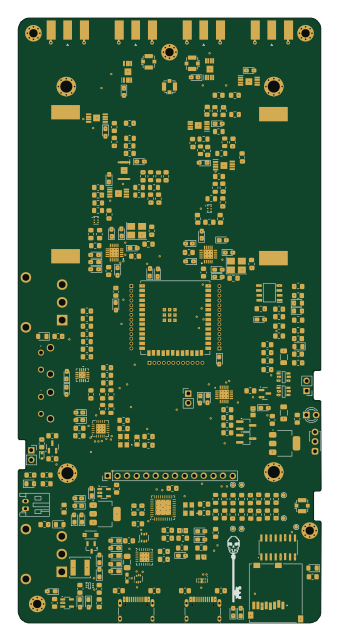 ESP32
PCB V3.1
Jonathan-0101
80 × 160 mm287 parts4LGPL-3.01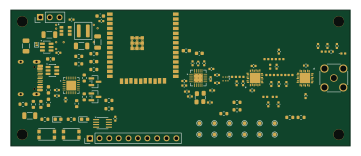 ESP32
Esp32-cc1101-multiband
bdini13
90 × 36 mm105 parts4LCustom license1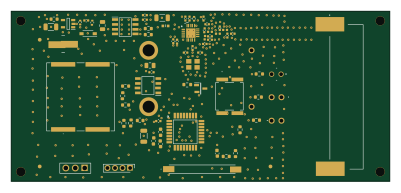 STM32
Gateway
npeixoto64
100 × 45 mm73 parts2LNo license1 ESP32
Pocket s
ridhinva
85 × 52 mm28 parts4LMIT1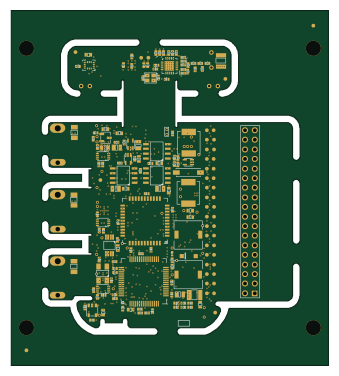
PM1C Rev 1 2
COSMIIC-Community
84 × 94 mm350 parts8LCERN-OHL-P-2.00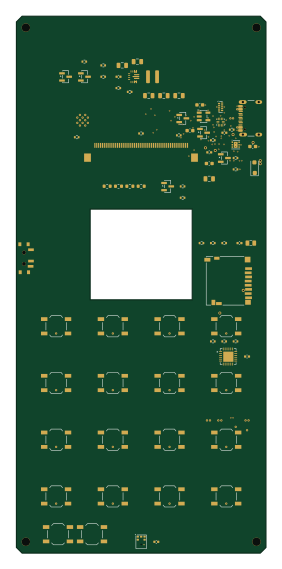 ESP32
Handset
JeremyLakeyJr
66 × 142 mm217 parts4LNo license0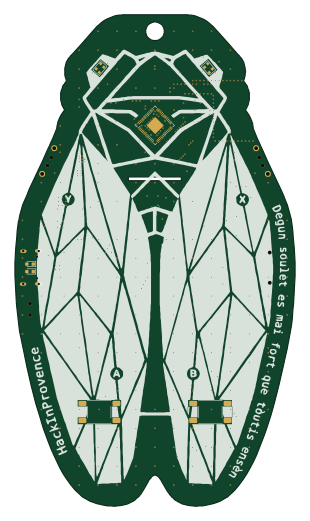 RP2040/RP2350
HIP SecSea
cchaloin
74.1 × 130 mm121 parts4LNo license0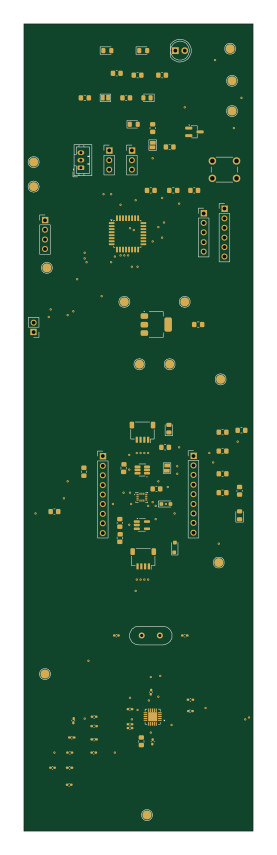 STM32
Momentum-Based-Launch-System-Stasis-
TheArcher2049
60.5 × 213.5 mm72 parts2LNo license0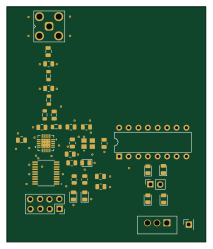 STM32
Verification unit
vasavbn2
52.5 × 62.1 mm36 parts2LNo license0 ESP32
Flip0pocket s
LordRobertShaw
85 × 52 mm28 parts4LNo license0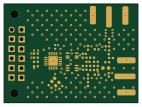
CC1101 Multx
FreemanLima
35.4 × 26.1 mm35 parts4LNo license2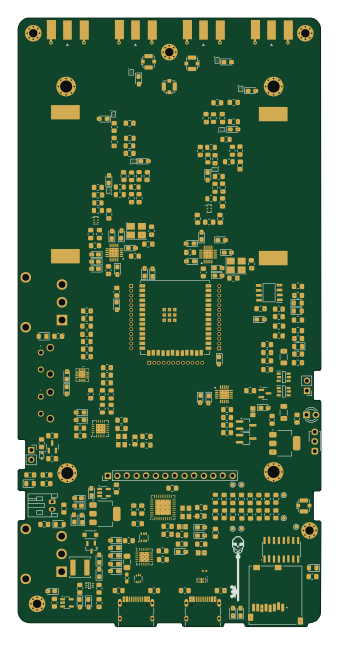 ESP32
PCB V2.2 PreAutoRoute
80 × 161 mm286 parts4LGPL-3.01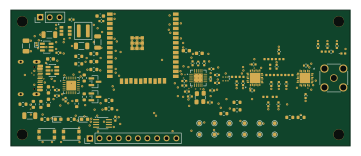 ESP32
A3-before crystal refinement
90 × 36 mm105 parts4LCustom license1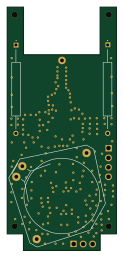 STM32
Window Sensor
28.9 × 64.5 mm40 parts2LNo license1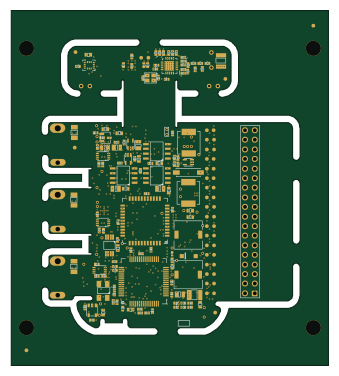
PM1C Rev 1 2.kicad pcb 23 unrouted
84 × 94 mm350 parts8LCERN-OHL-P-2.00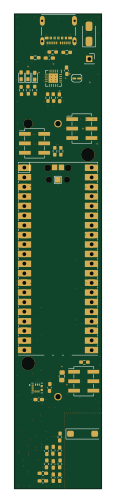 RP2040/RP2350
Frackstock ET2024
NiciKreis
23.1 × 125.5 mm56 parts4LMIT0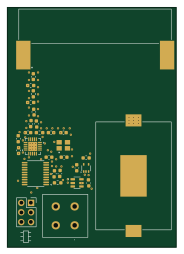 STM32
Fob Design Files
44.7 × 63.5 mm30 parts2LNo license0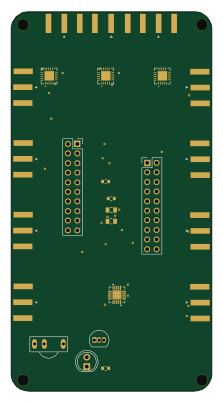
Shield
aryakaithal8
53.1 × 100.5 mm27 parts2LNo license0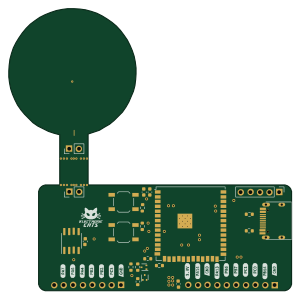 ESP32
Marauder spoof
75 × 74.7 mm26 parts2LNo license130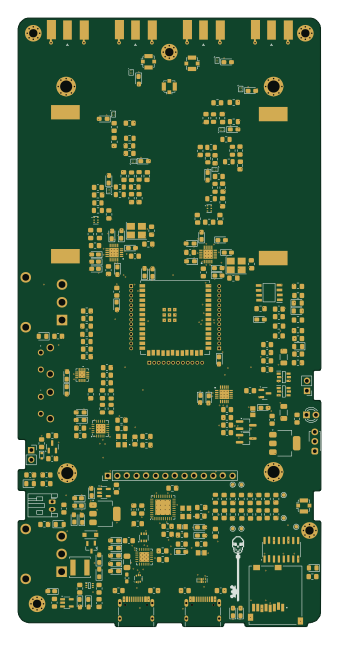 ESP32
PCB V2.2 PreAutoRoute DimChange
80 × 161 mm286 parts4LGPL-3.01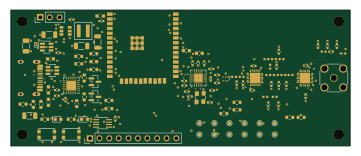 ESP32
A3-before local finishing
90 × 36 mm105 parts4LCustom license1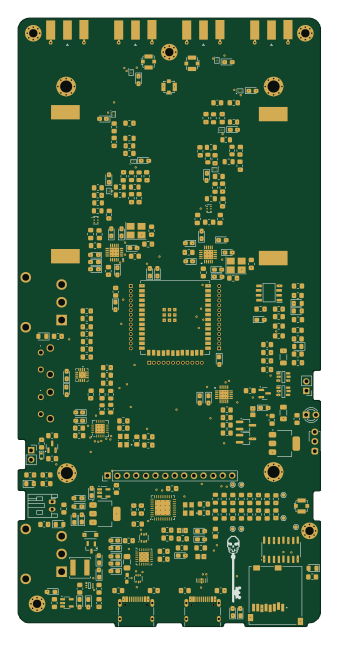 ESP32
PCB V2.4 Backup
80 × 161 mm286 parts4LGPL-3.01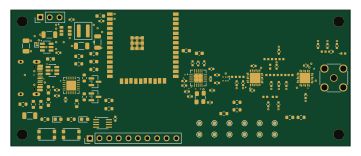 ESP32
A3-critical routes
90 × 36 mm105 parts4LCustom license1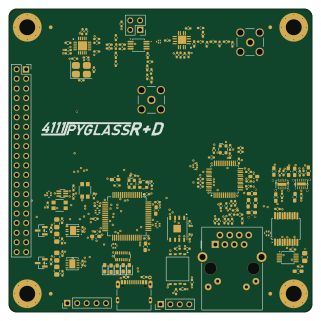 STM32
OpenLST
MatthiasGeorgImhof
80 × 80 mm171 parts4LCC-BY-NC-4.00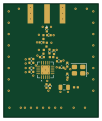
RF-CC1101-433
AnotherMike-exe
25 × 30 mm25 parts4LMIT0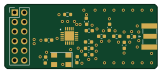
Cc1101
jjhorton
40.5 × 17 mm18 parts4LNo license4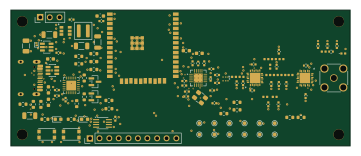 ESP32
A3-routing candidate
90 × 36 mm105 parts4LCustom license1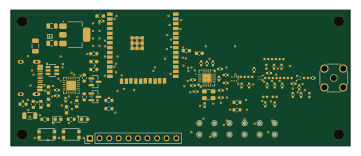 ESP32
A2-routing candidate
90 × 36 mm91 parts4LCustom license1
How designs wire the CC1101RGPR
Read from the KiCad layouts of 17 open source designs, one per repository: what each pin of the CC1101RGPR connects to, and the resistors, capacitors and other passives placed on it.
- The DCOUPL pin has a capacitor to GND on 15 of 17 designs, most often 100 nF.
- The RBIAS pin has a resistor to GND on 15 of 17 designs, most often 56 kΩ.
- The XOSC_Q1 pin has a crystal on 14 of 17 designs, most often 26 MHz.
- The XOSC_Q1 pin has a capacitor to GND on 14 of 17 designs, most often 27 pF (then 15 pF).
| Pin | Connected to | Parts on the pin |
|---|---|---|
| DVDDpin 4 | Connected to: 3.3V 76% · a signal 24% |
|
| DCOUPLpin 5 | Connected to: Signal 94% |
|
| XOSC_Q1pin 8 | Connected to: Signal 94% |
|
| AVDD_9pin 9 | Connected to: 3.3V 82% · a signal 18% |
|
| XOSC_Q2pin 10 | Connected to: Signal 88% |
|
| AVDD_11pin 11 | Connected to: 3.3V 82% · a signal 18% |
|
| RF_Ppin 12 | Connected to: Signal 100% |
|
| RF_Npin 13 | Connected to: Signal 100% |
|
| AVDD_14pin 14 | Connected to: 3.3V 82% · a signal 18% |
|
| AVDD_15pin 15 | Connected to: 3.3V 82% · a signal 18% |
|
| GND_16pin 16 | Connected to: GND 94% | — |
| RBIASpin 17 | Connected to: Signal 94% |
|
| DGUARDpin 18 | Connected to: 3.3V 65% · a signal 24% | — |
| GND_19pin 19 | Connected to: GND 94% | — |
| GND_3pin 21 | Connected to: GND 94% | — |
6 more pins vary from design to design. Connections count pins, parts count designs; values in brackets are how many parts had that value. Designs read include Flipper subg by ElectronicCats, Sprite by RoboticExplorationLab, Cc1101 by jjhorton and CC1101 Multx by FreemanLima.
The CC1101RGPR in open source designs
The gallery holds 31 open source boards using the CC1101RGPR from 19 GitHub repositories; a typical one measures about 80 × 63.5 mm and carries around 91 components.
77% use four copper layers or more, and 29% carry an open source license.
The most starred is Flipper subg by ElectronicCats.
Parts used alongside the CC1101RGPR
Microcontrollers on boards using the CC1101RGPR
What boards using the CC1101RGPR are built for
CC1101RGPR: common questions
Where can I find a CC1101RGPR reference design?
Each of the 31 boards on this page is a real design using the CC1101RGPR. Open one to see how it is wired up, with the full BOM, a render of the layout and links to its KiCad files.
How is the CC1101RGPR DCOUPL pin connected?
The DCOUPL pin has a capacitor to GND on 15 of 17 designs, most often 100 nF. Counted from the KiCad layouts of 17 open source designs using the CC1101RGPR.
What resistor goes on the CC1101RGPR RBIAS pin?
The RBIAS pin has a resistor to GND on 15 of 17 designs, most often 56 kΩ. Counted from the KiCad layouts of 17 open source designs using the CC1101RGPR.
How is the CC1101RGPR XOSC_Q1 pin connected?
The XOSC_Q1 pin has a crystal on 14 of 17 designs, most often 26 MHz. Counted from the KiCad layouts of 17 open source designs using the CC1101RGPR.
What parts are used alongside the CC1101RGPR?
The TP4056, AMS1117-3.3, ESD7104MUTAG, ESP32-S3-WROOM-1-N8R8 and MicroSD_Card appear in the most repositories here.
Which microcontrollers do boards using the CC1101RGPR use?
Most are built on ESP32 (15), STM32 (6), RP2040/RP2350 (2) and Microchip SAM (1).
How big is a typical board using the CC1101RGPR?
The median is 80 × 63.5 mm, and 23% are two-layer designs.
What is the most popular open source board using the CC1101RGPR?
By GitHub stars, Flipper subg by ElectronicCats, with 130 stars.
Can I simulate one of these boards using the CC1101RGPR before building it?
Yes. HardLabs turns a board's netlist and BOM into a working simulation, so you can boot and test firmware against it with no hardware on your desk.