
12 open source boards using the LM2901
Real designs built with the LM2901, from public GitHub projects: a quick way to see how others power, decouple and connect it. Each board comes with its KiCad files, full parts list and a render — and you can simulate its firmware on HardLabs.
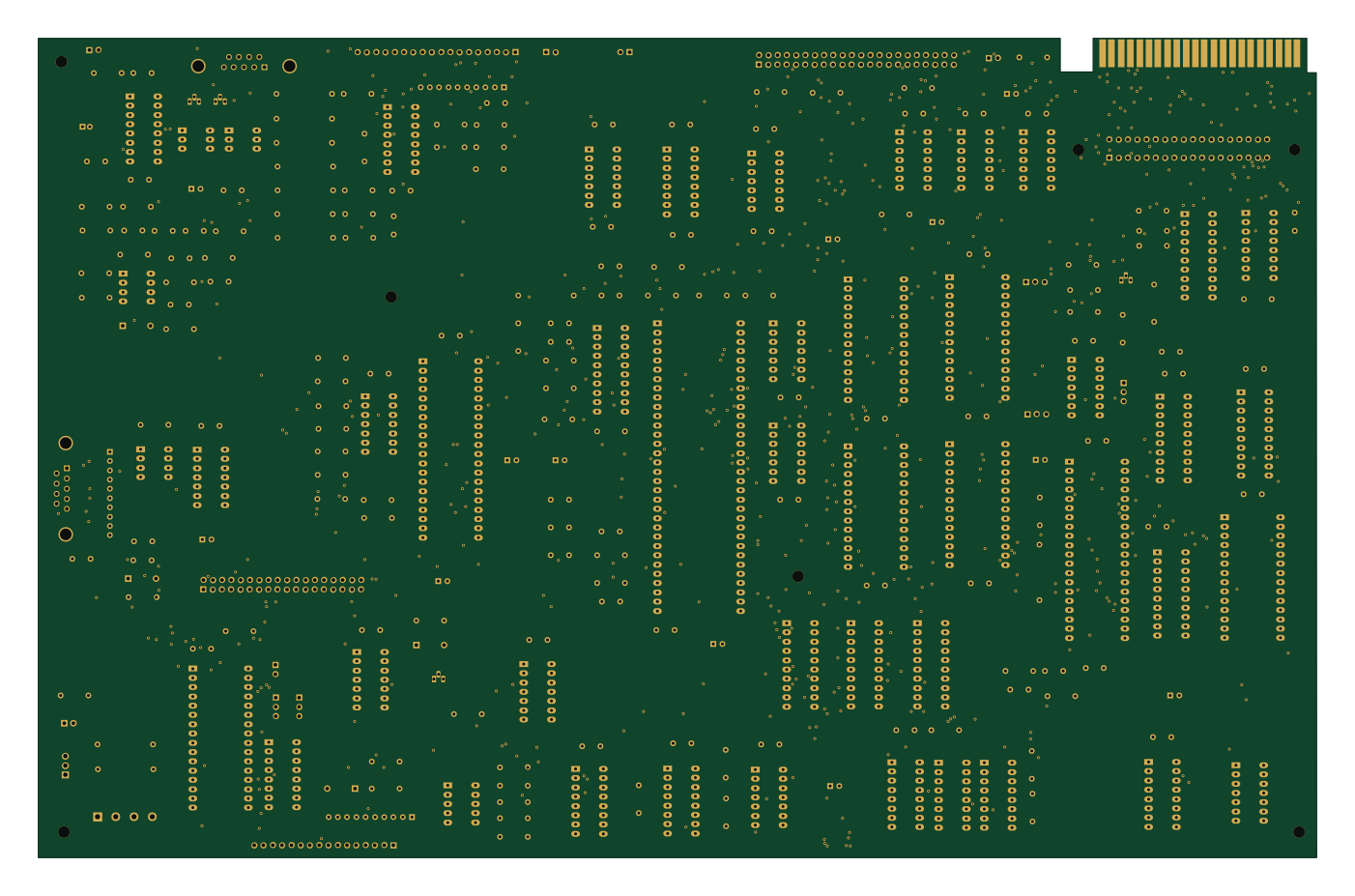
TI99 22
danwerner21
350 × 224.3 mm242 parts2LNo license50- schematic only · 419 parts
Retro-Schematics
omega9380
419 partsMIT19 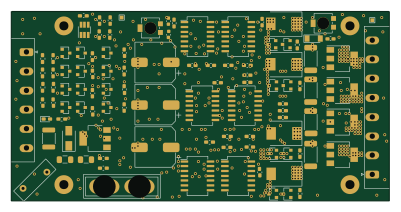
Peak-And hold-Driver
Tjeerdie
100.1 × 50 mm112 parts2LGPL-3.018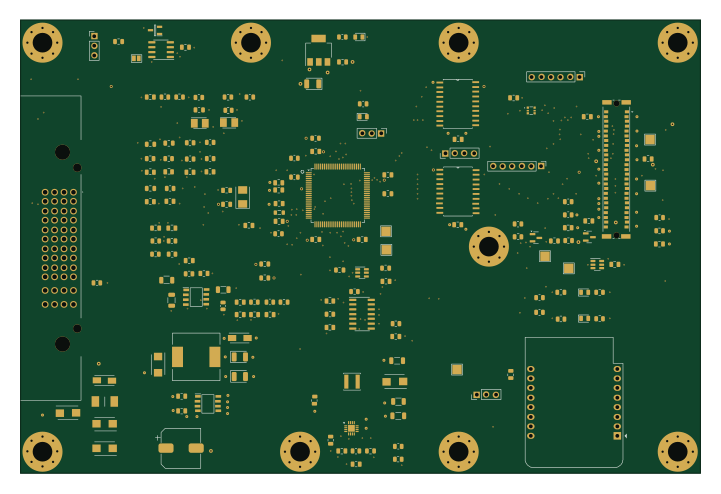 ESP8266
MG ZS V2
damienmaguire
180 × 120 mm161 parts4LGPL-3.016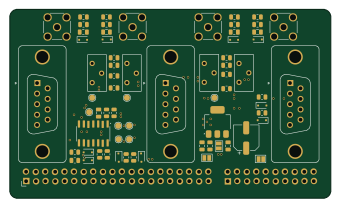
DataAcquisitionUnit
RobertGawron
85 × 50 mm56 parts2LMIT6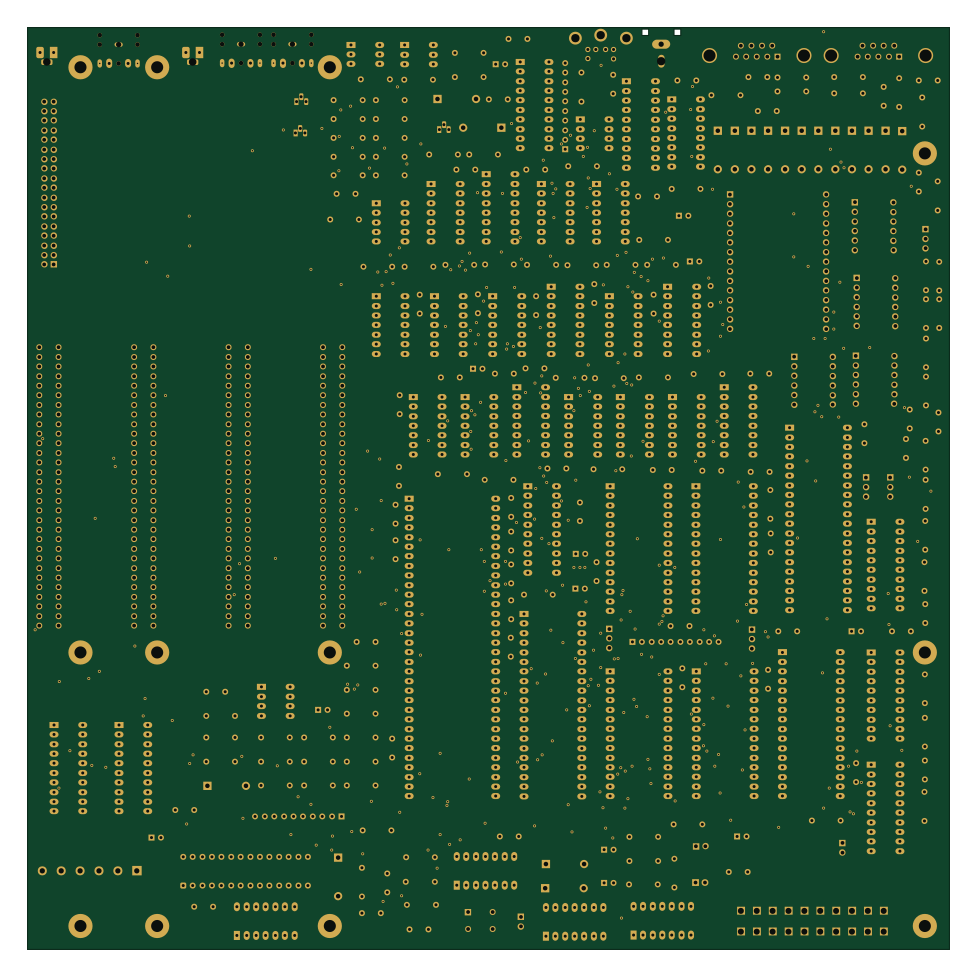 ESP32
TI99 22
244 × 244 mm257 parts4LNo license4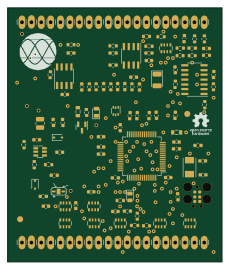 STM32
Openinverter hw mainboard mini
llange
56.8 × 67.3 mm96 parts2LCC-BY-SA-4.03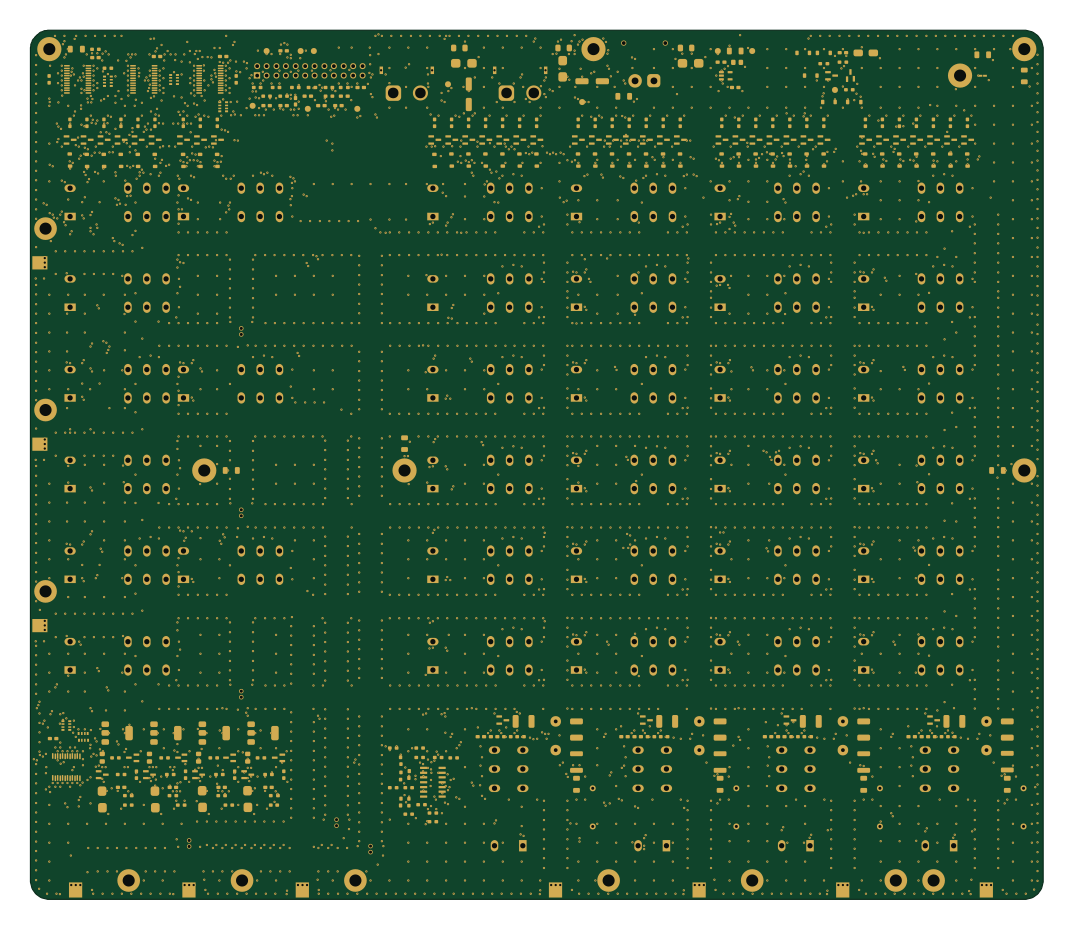
Shack Relay Matrix rev C: RF board
PE1RGU
268 × 230 mm337 parts6LCERN-OHL-S-2.02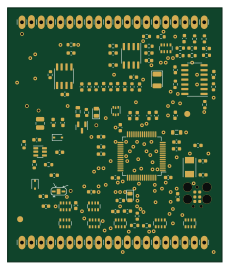 STM32
VVVF-Invertor-Controller
adirock09
56.8 × 67.3 mm96 parts2LNo license0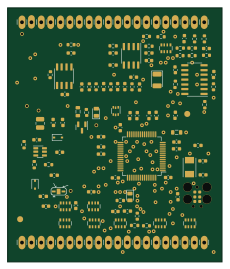 STM32
VVVF-Invertor--Controller
Shubhkr08
56.8 × 67.3 mm96 parts2LNo license0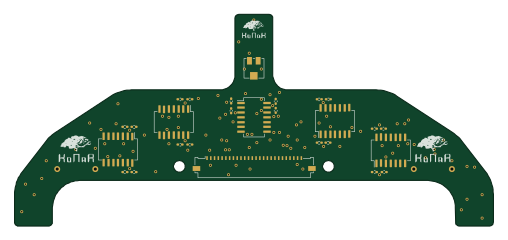
Płytka z czujnikami
KamilWuu
126.9 × 56 mm89 parts2LNo license0- schematic only · 77 partsESP32
LF 1
77 parts2LNo license0
How designs wire the LM2901
Read from the KiCad layouts of 10 open source designs, one per repository: what each pin of the LM2901 connects to, and the resistors, capacitors and other passives placed on it.
- Pin 1 has a pull-up to 3.3V on 8 of 10 designs, most often 10 kΩ (then 1 kΩ).
- Pin 2 has a pull-up to 3.3V on 8 of 10 designs, most often 10 kΩ (then 1 kΩ).
- Pin 13 has a pull-up to 3.3V on 8 of 10 designs, most often 10 kΩ (then 1 kΩ).
- Pin 14 has a pull-up to 3.3V on 8 of 10 designs, most often 10 kΩ (then 1 kΩ).
| Pin | Connected to | Parts on the pin |
|---|---|---|
| Pin 1 | Connected to: The microcontroller 40%, NC7SZ10P6X 30%, a connector 20% |
|
| Pin 2 | Connected to: The microcontroller 40%, NC7SZ10P6X 30%, a connector 20% |
|
| V+pin 3 | Connected to: 5V 100% |
|
| -pin 4, 6, 8, 10 | Connected to: LM2903 20% |
|
| +pin 5, 7, 9, 11 | Connected to: Signal 90% |
|
| V-pin 12 | Connected to: GND 90% | — |
| Pin 13 | Connected to: The microcontroller 40%, NC7SZ10P6X 30%, a connector 20% |
|
| Pin 14 | Connected to: The microcontroller 40%, NC7SZ10P6X 30%, a connector 20% |
|
Connections count pins, parts count designs; values in brackets are how many parts had that value. Designs read include TI99 22 by danwerner21, Peak-And hold-Driver by Tjeerdie, MG ZS V2 by damienmaguire and DataAcquisitionUnit by RobertGawron.
The LM2901 in open source designs
The gallery holds 12 open source boards using the LM2901 from 11 GitHub repositories; a typical one measures about 113.5 × 67.3 mm and carries around 104 components.
73% are two-layer designs, the rest use four layers or more, and 50% carry an open source license.
The most starred is TI99 22 by danwerner21.
Parts used alongside the LM2901
What boards using the LM2901 are built for
LM2901: common questions
Where can I find a LM2901 reference design?
Each of the 12 boards on this page is a real design using the LM2901. Open one to see how it is wired up, with the full BOM, a render of the layout and links to its KiCad files.
What pull-up resistor is used on the LM2901 pin 1?
Pin 1 has a pull-up to 3.3V on 8 of 10 designs, most often 10 kΩ (then 1 kΩ). Counted from the KiCad layouts of 10 open source designs using the LM2901.
What pull-up resistor is used on the LM2901 pin 2?
Pin 2 has a pull-up to 3.3V on 8 of 10 designs, most often 10 kΩ (then 1 kΩ). Counted from the KiCad layouts of 10 open source designs using the LM2901.
What pull-up resistor is used on the LM2901 pin 13?
Pin 13 has a pull-up to 3.3V on 8 of 10 designs, most often 10 kΩ (then 1 kΩ). Counted from the KiCad layouts of 10 open source designs using the LM2901.
What parts are used alongside the LM2901?
The SN65HVD230, STM32F103RBT6, 74LS244, 74LS32 and NC7SZ10P6X appear in the most repositories here.
Which microcontrollers do boards using the LM2901 use?
Most are built on STM32 (3), ESP32 (2) and ESP8266 (1).
How big is a typical board using the LM2901?
The median is 113.5 × 67.3 mm, and 73% are two-layer designs.
What is the most popular open source board using the LM2901?
By GitHub stars, TI99 22 by danwerner21, with 50 stars.
Can I simulate one of these boards using the LM2901 before building it?
Yes. HardLabs turns a board's netlist and BOM into a working simulation, so you can boot and test firmware against it with no hardware on your desk.