
24 open source boards using the LM35-LP
Real designs built with the LM35-LP, from public GitHub projects: a quick way to see how others power, decouple and connect it. Each board comes with its KiCad files, full parts list and a render — and you can simulate its firmware on HardLabs.
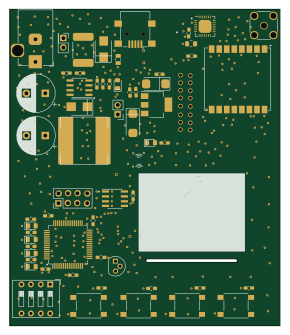
RA-01-LoRa
SpyrosCpt
71.5 × 83.7 mm67 parts2LNo license2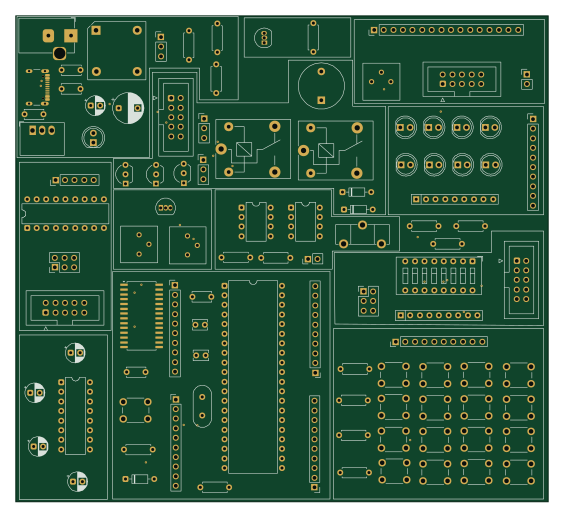 PIC
PIC DEV BOARD
anshukumar146
140.7 × 128.5 mm102 parts4LNo license1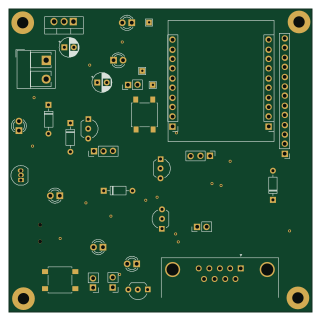 ESP32
ESP32-Temperature-WebServer
marcosindiano7
80 × 80 mm68 parts2LNo license1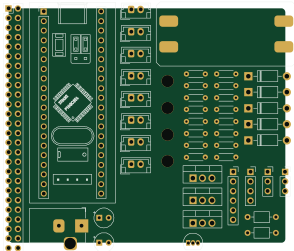
EPS
Amr-H25
73.3 × 62.1 mm45 parts2LNo license1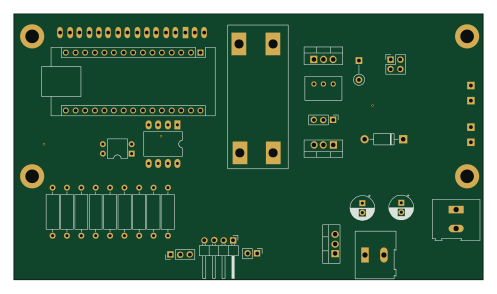 AVR/Arduino
Incubator
MariwanJ
124 × 70.2 mm42 parts2LGPL-3.01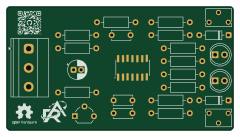
E06
Rorchive
60 × 32.7 mm25 parts2LNo license1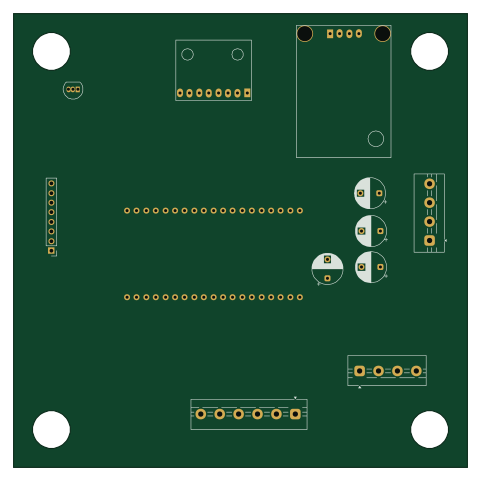 ESP32
AgroNeck
heyboiiiii
120 × 120 mm13 parts2LNo license1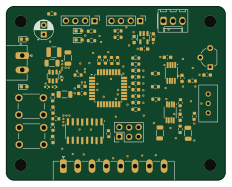 AVR/Arduino
Aircon control
lbrushmanl
58 × 46 mm71 parts2LNo license0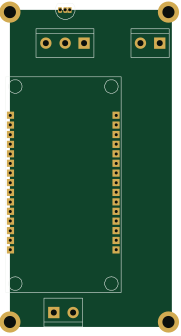 ESP8266
MCT19
ZeniteSolar
42.8 × 83.8 mm24 parts2LGPL-3.00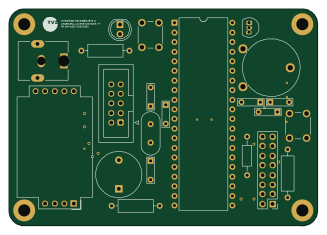 AVR/Arduino
PPURS-projekt
jadranm
81.5 × 57.3 mm22 parts2LNo license0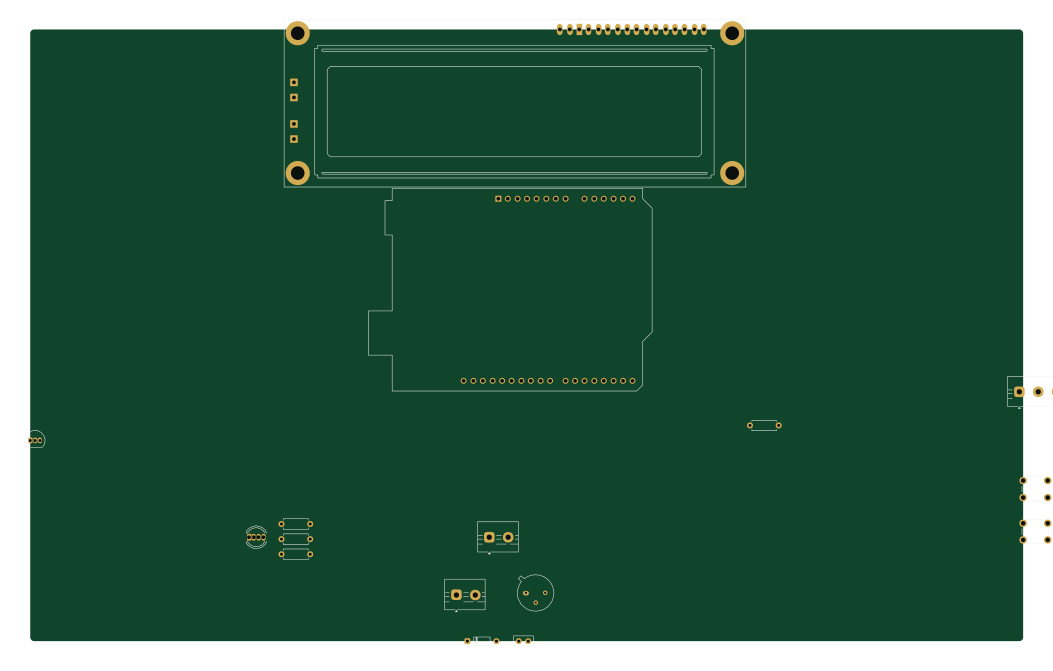 AVR/Arduino
Arduino temperature controlled fan
marknkan
262.8 × 161.9 mm16 parts2LMIT0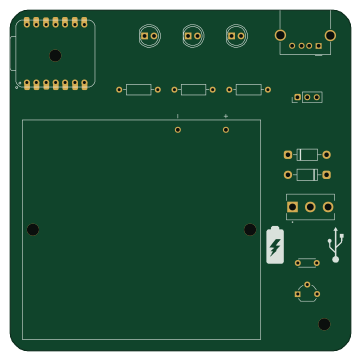 RP2040/RP2350
ItsAnThermometer
z3phydev
90 × 90 mm15 parts2LNo license0- schematic only · 22 partsAVR/Arduino
Fan control
gajdipajti
22 partsGPL-3.00 - schematic only · 5 partsSTM32
Smart self healing industrial sensor
syedtaqqeeulla0905
5 partsNo license0 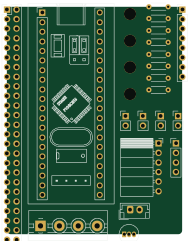
ADCS
46.4 × 60.2 mm20 parts2LNo license1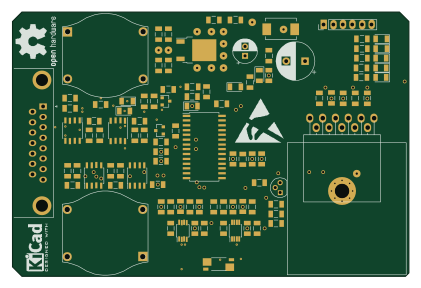 PIC
TrackAmplifier before DSUB flip
jeremysiebers
105 × 70 mm103 parts2LNo license0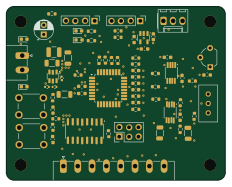 AVR/Arduino
Aircon control rounded
58 × 46 mm71 parts2LNo license0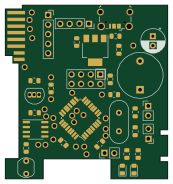 AVR/Arduino
Master Off V0.2
carloslcor
43 × 46 mm34 parts2LNo license0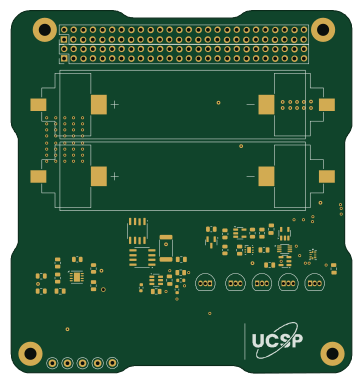
Batt Boardv1
UChicago-Space-Program
90.2 × 95.9 mm55 parts2LNo license1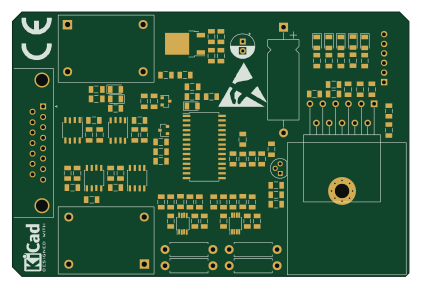 PIC
TrackAmplifier LMD18200 up right
105 × 70 mm97 parts2LNo license0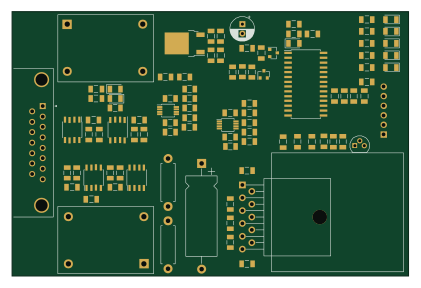 PIC
TrackAmplifier LMD18200 down right
105 × 70 mm94 parts2LNo license0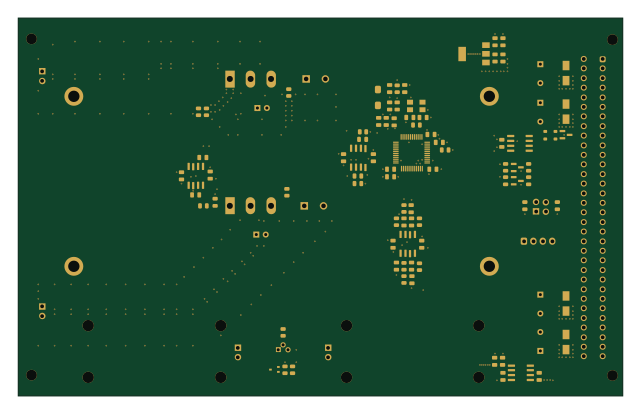 STM32
Electronic Load
Synthron
160 × 100 mm102 parts4LNo license3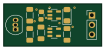
TemperatureMonitor
89Mods
25.9 × 11.2 mm10 parts2LMIT2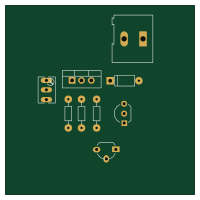
Parte2
MyCloudExample
50 × 50 mm9 parts2LNo license1
How designs wire the LM35-LP
Read from the KiCad layouts of 18 open source designs, one per repository: what each pin of the LM35-LP connects to, and the resistors, capacitors and other passives placed on it.
- The +VS pin is tied to 5V on 14 of 18 designs (a signal on 4).
| Pin | Connected to | Parts on the pin |
|---|---|---|
| +VSpin 1 | Connected to: 5V 78% · a signal 22% | — |
| GNDpin 3 | Connected to: GND 89% | — |
1 more pin varies from design to design. Connections count pins, parts count designs; values in brackets are how many parts had that value. Designs read include Electronic Load by Synthron, TemperatureMonitor by 89Mods, RA-01-LoRa by SpyrosCpt and ADCS by Amr-H25.
The LM35-LP in open source designs
The gallery holds 24 open source boards using the LM35-LP from 20 GitHub repositories; a typical one measures about 80.8 × 70 mm and carries around 38 components.
91% are two-layer designs, the rest use four layers or more, and 21% carry an open source license.
The most starred is Electronic Load by Synthron.
Parts used alongside the LM35-LP
Microcontrollers on boards using the LM35-LP
What boards using the LM35-LP are built for
LM35-LP: common questions
Where can I find a LM35-LP reference design?
Each of the 24 boards on this page is a real design using the LM35-LP. Open one to see how it is wired up, with the full BOM, a render of the layout and links to its KiCad files.
How is the LM35-LP +VS pin connected?
The +VS pin is tied to 5V on 14 of 18 designs (a signal on 4). Counted from the KiCad layouts of 18 open source designs using the LM35-LP.
What parts are used alongside the LM35-LP?
The L7805, AMS1117-3.3, DS18B20, LCD-016N002L and LM324 appear in the most repositories here.
Which microcontrollers do boards using the LM35-LP use?
Most are built on AVR/Arduino (7), PIC (4), ESP32 (2) and STM32 (2).
How big is a typical board using the LM35-LP?
The median is 80.8 × 70 mm, and 91% are two-layer designs.
What is the most popular open source board using the LM35-LP?
By GitHub stars, Electronic Load by Synthron, with 3 stars.
Can I simulate one of these boards using the LM35-LP before building it?
Yes. HardLabs turns a board's netlist and BOM into a working simulation, so you can boot and test firmware against it with no hardware on your desk.