
38 open source boards using the LSM6DSOXTR
Real designs built with the LSM6DSOXTR, from public GitHub projects: a quick way to see how others power, decouple and connect it. Each board comes with its KiCad files, full parts list and a render — and you can simulate its firmware on HardLabs.
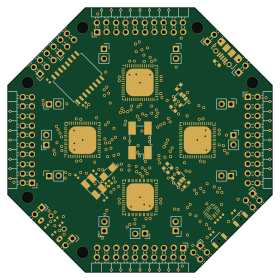 STM32
FreeEEG32-beta shorting minuses
neuroidss
70 × 70 mm224 parts4LAGPL-3.0166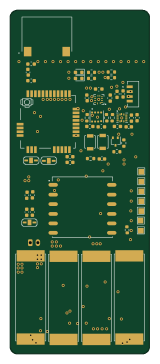
Bwlr3d
teapotlaboratories
36.8 × 90.9 mm88 parts2LMIT18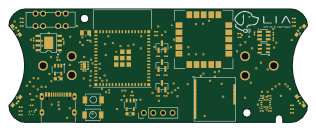 ESP32
LIA
JGAguado
79 × 30 mm66 parts2LCC-BY-NC-4.015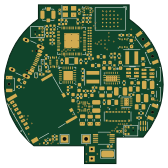 ESP32
Watch
dezash123
42 × 42 mm179 parts6LNo license1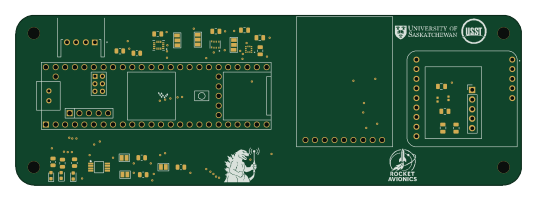 NXP
Infozilla
USSTRocketry
134 × 45 mm31 parts2LMIT1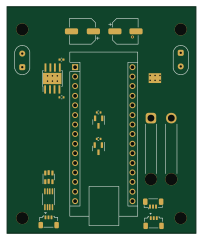 AVR/Arduino
Senior design
alaza252
50 × 60 mm24 parts2LNo license1 RP2040/RP2350
Adafruit Feather RP2040 Prop-Maker
dcuccia
50.8 × 22.9 mm160 parts2LMIT0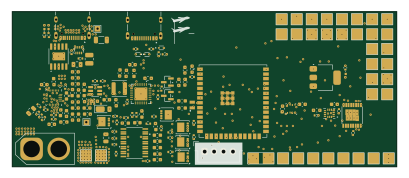 ESP32
Flight Controller
C-yue28
102 × 41.1 mm139 parts6LNo license0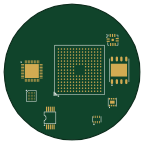 STM32
X-Watch
Han-ZenX
36 × 36 mm118 parts2LMIT0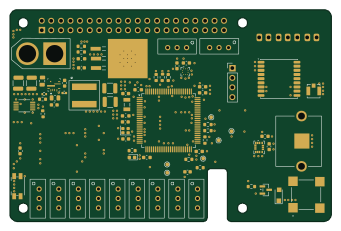 STM32
UYDUTEPE
emirhanuluakan
85 × 56 mm93 parts6LCERN-OHL-W-2.00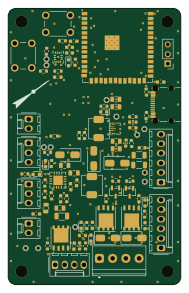 ESP32
Rcs controller
psas
45.6 × 73 mm92 parts2LNo license0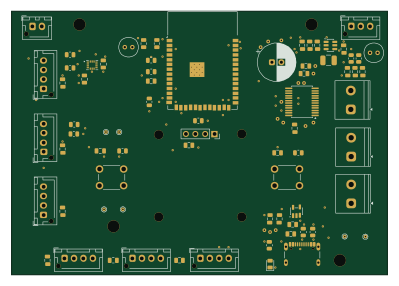 ESP32
TRACER
CoderN-P
99.6 × 69.8 mm73 parts4LNo license0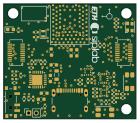 Nordic nRF
Siplab wristband
bastlfun
35 × 30.4 mm66 parts4LMIT0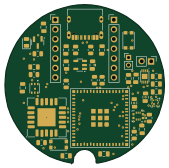 ESP32
Sensor puck
david072
42.2 × 41.9 mm49 parts2LNo license0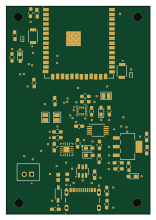 ESP32
Double-Sports
Ameister621
38 × 55 mm47 parts4LNo license0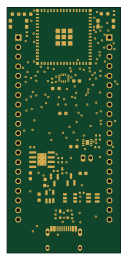 ESP32
Voidboard
dark-Phoenix2077
30 × 65 mm41 parts2LNo license0
IMU-Module
TomasD-git
11 × 16.2 mm14 parts2LGPL-3.00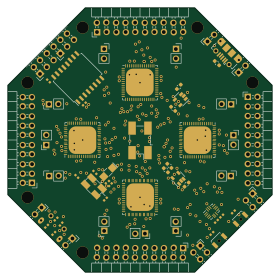 STM32
FreeEEG32-beta
70 × 70 mm192 parts4LAGPL-3.0166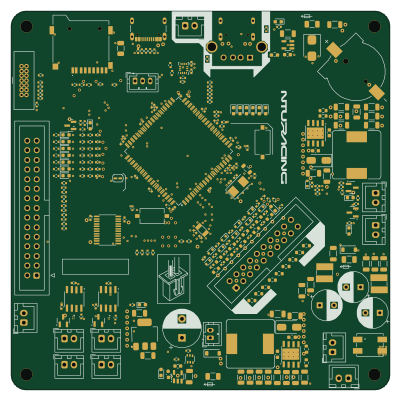 STM32
VCU
NTURacingTeam
100 × 100 mm304 parts4LNo license4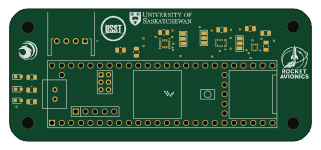 NXP
Phoenix
80 × 35 mm18 parts2LMIT1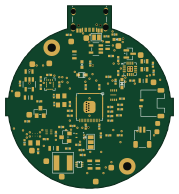 RP2040/RP2350
C23-usbboot staged
44.5 × 48.4 mm84 parts4LMIT0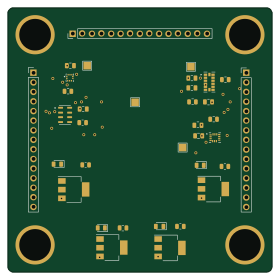
Sensor Stack
keeratrajsinghwork
70 × 70 mm27 parts2LNo license0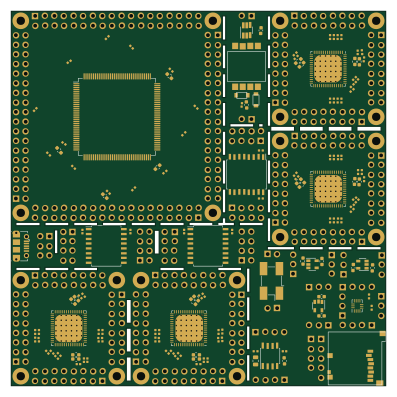 STM32
Usb
99.1 × 99.1 mm185 parts2LAGPL-3.0166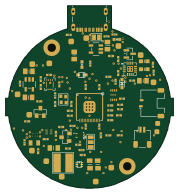 RP2040/RP2350
Ground fill input
44.5 × 48.4 mm84 parts2LMIT0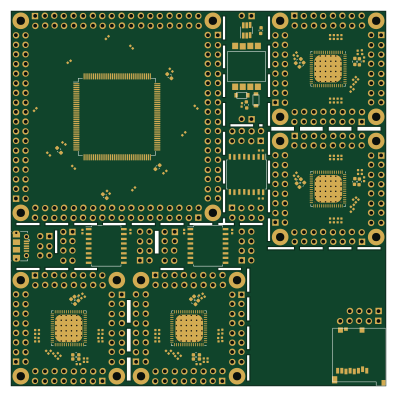 STM32
Usb1
99.1 × 99.1 mm185 parts2LAGPL-3.0166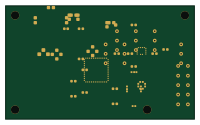 Microchip SAM
Mini biped robot
mrcha033
50 × 30 mm32 parts2LApache-2.02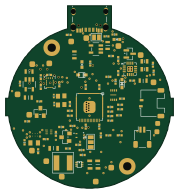 RP2040/RP2350
Imu cleanup staged
44.5 × 48.4 mm84 parts4LMIT0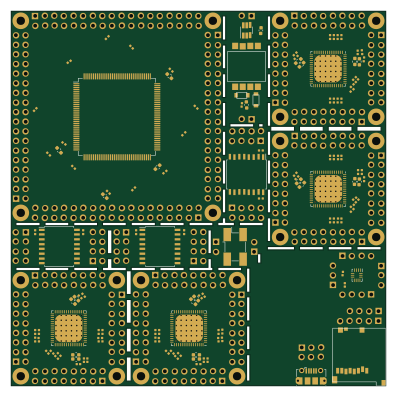 STM32
Usb2
99.1 × 99.1 mm185 parts2LAGPL-3.0166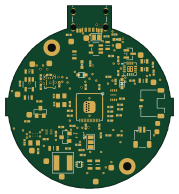 RP2040/RP2350
Imu coupled working
44.5 × 48.4 mm84 parts4LMIT0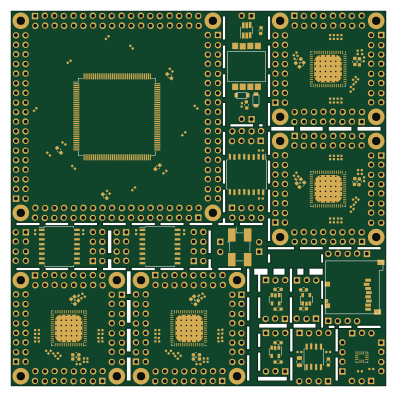 STM32
Usb3
99.1 × 99.1 mm185 parts2LAGPL-3.0166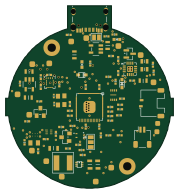 RP2040/RP2350
Imu electrical filled
44.5 × 48.4 mm84 parts4LMIT0
IMU6
selina101
10 × 10 mm15 parts2LNo license0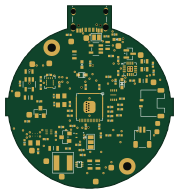 RP2040/RP2350
Imu fanout method staged
44.5 × 48.4 mm84 parts4LMIT0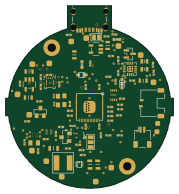 RP2040/RP2350
Mcu east ground staged
44.5 × 48.4 mm84 parts4LMIT0
IMU V3
10 × 12 mm12 parts4LNo license0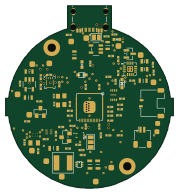 RP2040/RP2350
Mcu vcore source cell rejected
44.5 × 48.4 mm84 parts4LMIT0
How designs wire the LSM6DSOXTR
Read from the KiCad layouts of 21 open source designs, one per repository: what each pin of the LSM6DSOXTR connects to, and the resistors, capacitors and other passives placed on it.
- The OCS_AUX pin is left unconnected on 19 of 21 designs (GND on 2).
- The SDO_AUX pin is left unconnected on 19 of 21 designs.
- The VDDIO pin has a decoupling capacitor on 15 of 21 designs, most often 100 nF (then 1 µF).
- The SCL pin has a pull-up to 3.3V on 15 of 21 designs, most often 10 kΩ (then 4.7 kΩ).
| Pin | Connected to | Parts on the pin |
|---|---|---|
| VDDIOpin 5 | Connected to: 3.3V 86% |
|
| GNDpin 6, 7 | Connected to: GND 90% | — |
| VDDpin 8 | Connected to: 3.3V 90% |
|
| INT2pin 9 | Connected to: Not connected 62% · a signal 38% | — |
| OCS_AUXpin 10 | Connected to: Not connected 90% | — |
| SDO_AUXpin 11 | Connected to: Not connected 90% | — |
| CSpin 12 | Connected to: 3.3V 62% · a signal 24% | — |
| SCLpin 13 | Connected to: The microcontroller 48% |
|
| SDApin 14 | Connected to: The microcontroller 48% |
|
4 more pins vary from design to design. Connections count pins, parts count designs; values in brackets are how many parts had that value. Designs read include FreeEEG32-beta by neuroidss, Bwlr3d by teapotlaboratories, LIA by JGAguado and PanelGalexy250630 0 by NTURacingTeam.
The LSM6DSOXTR in open source designs
The gallery holds 38 open source boards using the LSM6DSOXTR from 21 GitHub repositories; a typical one measures about 45 × 48.3 mm and carries around 84 components.
53% are two-layer designs, the rest use four layers or more, and 63% carry an open source license.
The most starred is FreeEEG32-beta shorting minuses by neuroidss.
Parts used alongside the LSM6DSOXTR
Microcontrollers on boards using the LSM6DSOXTR
What boards using the LSM6DSOXTR are built for
LSM6DSOXTR: common questions
Where can I find a LSM6DSOXTR reference design?
Each of the 38 boards on this page is a real design using the LSM6DSOXTR. Open one to see how it is wired up, with the full BOM, a render of the layout and links to its KiCad files.
How is the LSM6DSOXTR OCS_AUX pin connected?
The OCS_AUX pin is left unconnected on 19 of 21 designs (GND on 2). Counted from the KiCad layouts of 21 open source designs using the LSM6DSOXTR.
How is the LSM6DSOXTR SDO_AUX pin connected?
The SDO_AUX pin is left unconnected on 19 of 21 designs. Counted from the KiCad layouts of 21 open source designs using the LSM6DSOXTR.
What decoupling capacitors do designs use on the LSM6DSOXTR VDDIO pin?
The VDDIO pin has a decoupling capacitor on 15 of 21 designs, most often 100 nF (then 1 µF). Counted from the KiCad layouts of 21 open source designs using the LSM6DSOXTR.
What parts are used alongside the LSM6DSOXTR?
The LIS3MDLTR, BME280, DRV2605LDGS, DW01A and ESP32-S3-WROOM-1 appear in the most repositories here.
Which microcontrollers do boards using the LSM6DSOXTR use?
Most are built on RP2040/RP2350 (10), STM32 (9), ESP32 (8) and NXP (2).
How big is a typical board using the LSM6DSOXTR?
The median is 45 × 48.3 mm, and 53% are two-layer designs.
What is the most popular open source board using the LSM6DSOXTR?
By GitHub stars, FreeEEG32-beta shorting minuses by neuroidss, with 166 stars.
Can I simulate one of these boards using the LSM6DSOXTR before building it?
Yes. HardLabs turns a board's netlist and BOM into a working simulation, so you can boot and test firmware against it with no hardware on your desk.